
When your toddler outgrows standard diaper sizes, transitioning to triple extra-large (XXXL) diapers becomes necessary. However, parents quickly discover that XXXL diaper sizing is highly inconsistent across different manufacturers. A diaper labeled XXXL in one brand may have a completely different physical cut, waistband elasticity, and weight threshold than an XXXL from another brand.
To find the right fit, you must look beyond the letter sizing on the front of the pack. The primary decision rule is to cross-reference the manufacturer’s printed weight range with your toddler’s actual weight, while paying close attention to their unique body proportions.
Many common diapering issues, such as persistent side leaks, waist blowouts, or painful red marks, do not actually mean the diaper’s absorbent capacity is lacking. Instead, these problems usually stem from mismatches in the physical cut and shape of the diaper rather than the stated weight limits alone.
Products mentioned in this guide
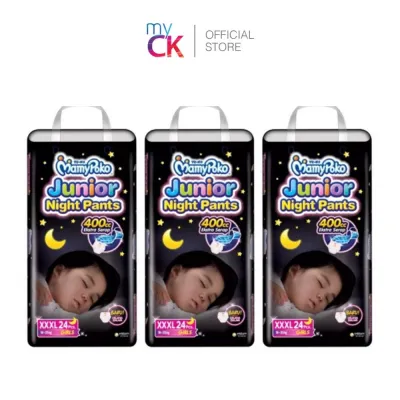
![[1 Carton] MamyPoko Kids Night Pants Girl Size XXXL (10s x 4)](https://img.lazcdn.com/g/p/5cd1d51f3f38022473905b5d9ef8cdf2.png_400x400q80.png_.webp)
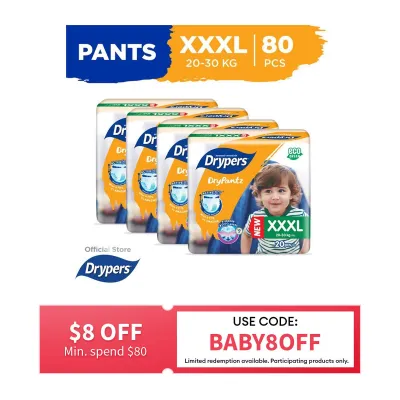
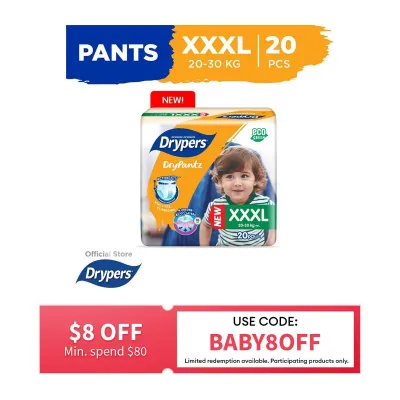
![Mamypoko Kids Pants Premium Baby Diapers [GIRL] XXXL10 (4 Packs) (18 - 35kg)](https://img.lazcdn.com/g/p/afb95be484cc89bf5e038fe154abd317.jpg_400x400q80.jpg_.webp)
![Mamypoko Kids Pants Premium Baby Diapers [BOY] XXXL10 (4 Packs) (18 - 35kg)](https://img.lazcdn.com/g/p/cebe34828a761a690a79886c98e82630.jpg_400x400q80.jpg_.webp)
![[CARTON SALE]NOMIEO Diapers Tape diapers S M L XL XXL XXXL bundle of 3 Baby disposable diapers pants](https://img.lazcdn.com/g/p/b7bbf8f670dd10c9c495b30106ee151a.jpg_400x400q80.jpg_.webp)
Prices are valid at publication and may change. Please refer to the product page for the latest price.
Decoding Weight Thresholds on XXXL Diaper Packaging
Understanding how to read and interpret the weight guidelines printed on diaper packaging is the first step to avoiding costly sizing mistakes. Manufacturers typically print these weight ranges prominently on the lower front or side panels of the plastic packaging, as well as in the specifications section of official online product listings. These ranges are calculated based on average child dimensions, but they serve as a broad guide rather than an absolute rule.
When looking at XXXL options, you will frequently notice a significant weight overlap with XXL sizes. For instance, an XXL diaper might be rated for 15 to 25 kilograms, while an XXXL diaper from the same or a competing brand might cover 18 to 35 kilograms. If your toddler weighs 19 kilograms, they sit comfortably within both categories. In many cases, keeping a child who is at the lower end of the XXXL spectrum in a premium, well-fitted XXL diaper can actually yield a more secure seal around the legs and waist, preventing the sagging that occurs when a diaper is too roomy.
Conversely, moving up to the XXXL size prematurely can create gaps around the thighs, leading to immediate leaks. Parents should carefully evaluate their child’s current growth trajectory. If the current XXL diaper is consistently snug and difficult to fasten, but the child is still below the maximum weight limit of that size, it is time to look at the starting weight threshold of the XXXL range.
Paying attention to the maximum weight limit of an XXXL diaper also helps you plan for future transitions. Once a child approaches the upper limit of standard XXXL diapers, standard taped options become increasingly rare. Recognizing this limit early allows you to research and transition toward specialized pull-up pants, overnight youth pants, or training pants designed for older toddlers and young children who require higher absorbency and larger dimensions.
Evaluating Physical Fit and Cut Differences
The physical design and cut of an XXXL diaper play a massive role in how well it performs during daily activities. One of the most noticeable differences between brands is the rise of the diaper, which refers to the distance from the crotch to the top of the waistband. High-waist designs extend well over the belly button, providing excellent coverage for toddlers with prominent tummies or longer torsos. This style helps keep the diaper secure during active play and reduces the risk of the waistband rolling down. Low-rise designs, on the other hand, sit lower on the hips and can be more comfortable for shorter, stockier toddlers, though they may require more frequent adjustments to prevent sagging.

Beyond the waistband, the construction of the leg cuffs and the width of the crotch gusset are critical for leak prevention and comfort. In a tropical, humid climate like Singapore’s, tight or poorly designed leg elastics can trap moisture and heat, leading to severe friction, chafing, and heat rash. Look for diapers that feature double-layered leg cuffs with high elasticity. The inner cuff should stand upright to act as a barrier against liquid, while the outer cuff should lay flat against the thigh without digging into the skin. The width of the absorbent core also varies; a wider gusset provides more surface area for absorption but can bunch up between the thighs of a highly active toddler, whereas a narrower, contoured core allows for easier movement but requires precise positioning to avoid side leaks.
To determine if your current XXXL diaper is a poor match for your child’s body shape, monitor their skin and the diaper’s behavior closely. A poor physical fit typically manifests through several clear, observable signs:
- Deep red marks or indentations: If you notice persistent red lines around your toddler's waistline or upper thighs after removing the diaper, the elastic is either too tight or the cut is too narrow for their build.
- Frequent blowouts or side leaks: When leaks occur even though the absorbent core is barely wet, the diaper's shape is failing to create a proper seal against the body.
- Excessive sagging and shifting: A diaper that slides down the hips as soon as the child starts running, or sags heavily after only a single wet, indicates that the waistband lacks the structural support or elasticity needed for your child's frame.
Decision Framework: Choosing the Right XXXL Fit for Your Toddler
Selecting the perfect XXXL diaper requires a systematic approach that matches the diaper’s physical characteristics to your toddler’s unique build and daily habits. Rather than relying on trial and error with bulk purchases, you can use a simple conditional framework to narrow down your choices:
- For toddlers with thicker thighs and rounder bottoms: Prioritize brands known for a wider crotch gusset and highly stretchable, multi-strand leg elastics. Avoid narrow-cut athletic designs, which can pinch the skin and cause chafing.
- For toddlers with long torsos or prominent tummies: Opt for high-waist designs with wide, flexible waistbands that distribute pressure evenly across the abdomen. This prevents the diaper from slipping down when the child sits or bends over.
- For highly active toddlers who sweat easily: Focus on diapers featuring lightweight, highly breathable outer sheets and thin, high-capacity absorbent cores that do not bulk up when wet.
Before committing to large carton purchases on e-commerce platforms, always utilize trial packs or sample packs. Many manufacturers and specialty baby stores offer small packs containing three to five diapers. Testing these samples over a two-to-three-day period allows you to observe how the diaper performs during different activities, such as afternoon play sessions and overnight sleep, without risking a large financial investment.
Additionally, pay attention to behavioral and physical signals that suggest a shift from taped diapers to diaper pants is necessary. If your toddler has become highly independent, resists lying down during diaper changes, or is actively beginning toilet training, XXXL diaper pants are highly beneficial. Diaper pants feature a 360-degree elastic waistband that mimics real underwear, allowing active toddlers to step into them easily while providing the flexibility needed for running, climbing, and squatting.
Frequently Asked Questions (FAQ)
Are XXXL diapers the largest size available for toddlers?
While XXXL is generally the largest size available in standard taped diaper lines, it is not the absolute limit for toddler protective wear. Many major manufacturers extend their sizing options through pull-up style diaper pants, overnight pants, or youth training pants. These extended sizes are specifically designed to accommodate older toddlers and young children who may weigh more than the standard XXXL limits or require specialized fit profiles for bedwetting. If your child is outgrowing standard XXXL diapers, check the official brand stores or manufacturer size charts for these specialized youth categories, which often feature higher weight limits and more mature designs.
How do I know if my toddler needs to size up to XXXL?
You can identify the need to transition from XXL to XXXL by observing physical and performance cues during daily use. Physically, if the fastening tapes of a taped diaper can no longer reach the designated center landing zone on the front panel without pulling the diaper uncomfortably tight, the diaper is too small. Similarly, if the leg cuffs leave deep, persistent red marks on your child’s thighs that do not fade within a few minutes of removal, a larger size is required. Performance-wise, if you experience sudden leaks around the legs or waist even when the absorbent core is not fully saturated, it indicates that the diaper’s physical volume is no longer sufficient to contain and channel liquid properly.

Community discussion
Share your experience or ask a question. Comments are reviewed before publication.