
Finding the right baby disposable diapers in Singapore can feel like an overwhelming task given the sheer volume of options lining supermarket shelves and online marketplaces. Many parents search for a single, universally preferred brand, only to find that what works perfectly for one infant leads to leaks or rashes for another. The reality is that no single diaper brand dominates across all three critical categories: absorbency, comfort, and cost per piece.
Instead of searching for a one-size-fits-all solution, a more practical approach is to adopt a conditional strategy. Your choice should depend on your baby’s current developmental stage, physical build, skin sensitivity, and your family’s budget priorities. For instance, you might prioritize maximum absorbency for overnight use, ultra-soft materials for sensitive skin, or a lower cost per piece for frequent daytime changes. By learning how to read manufacturer specifications, evaluate product labels, and perform simple at-home checks, you can confidently select the right diaper profile for your baby’s specific needs.
Comparing Absorbency: Core Technologies and Observable Checks
Absorbency is arguably the most critical functional aspect of any baby disposable diaper. To understand how different brands perform, it helps to look at the core technologies listed on their packaging. Most modern diapers rely on a blend of wood pulp and Super Absorbent Polymers (SAP). SAP consists of tiny spheres that can absorb many times their weight in liquid, locking it away in a gel form to prevent moisture from returning to the surface. Some premium options feature advanced channel designs or composite cores that distribute liquid evenly, preventing the diaper from sagging or clumping in one spot.
Products mentioned in this guide
![[CARTON SALE]NOMIEO Diapers Tape diapers S M L XL XXL XXXL bundle of 3 Baby disposable diapers pants](https://img.lazcdn.com/g/p/b7bbf8f670dd10c9c495b30106ee151a.jpg_400x400q80.jpg_.webp)
![[Carton Sale]NOMIEO Diapers Pants / Tape S M L XL XXL XXXL bundle of 3 Baby disposable diapers](https://img.lazcdn.com/g/p/mdc/b7bbf8f670dd10c9c495b30106ee151a.jpg_400x400q80.jpg_.webp)
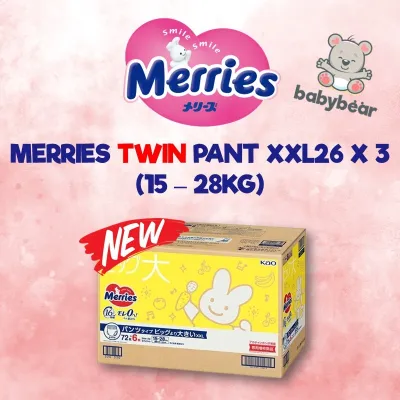
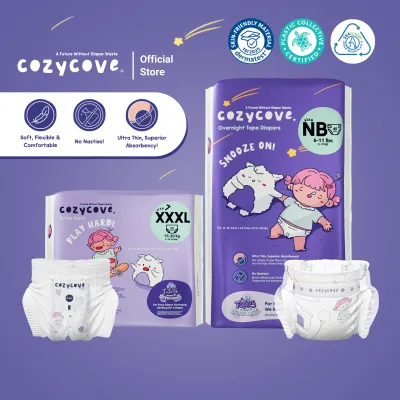
![[CARTON] Hoppi AirDream Baby Diaper Tape NB66/S56/M48/L40 (4 Packs) 2mm Ultracore Technology](https://img.lazcdn.com/g/p/e1f5826d490973886d04d649b7b51f4b.jpg_400x400q80.jpg_.webp)
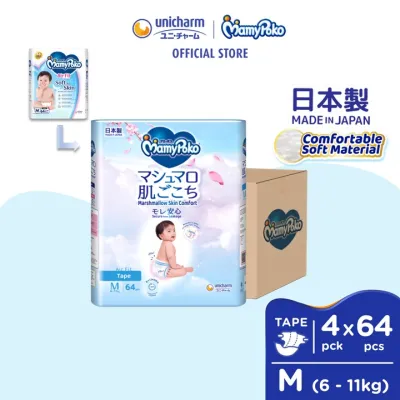
![MamyPoko Extra Dry Pants Girl Baby Diapers XXXL 14pcs x 4 Packs (18 - 35kg) [Carton]](https://img.lazcdn.com/g/p/9ebf57bfbfd29de70602db1bbb6dc293.jpg_400x400q80.jpg_.webp)
Prices are valid at publication and may change. Please refer to the product page for the latest price.
When evaluating absorbency, pay close attention to manufacturer claims regarding wear time. Many brands advertise long hours of dryness, which is often intended for overnight use. However, these claims are based on standardized laboratory tests and may vary depending on your baby’s liquid intake and wetting patterns. Another helpful feature to look for is the wetness indicator—a chemical strip on the outside of the diaper that changes color when exposed to moisture, signaling that a change may be needed.
To assess absorbency performance at home, you can perform a simple, safe observation. After your baby has worn a diaper for a few hours, gently press a dry, clean paper towel against the inner lining of the diaper immediately after removal. If the paper towel remains dry, the diaper’s core is successfully locking away moisture. Additionally, observe how the diaper behaves when full; a high-quality core should maintain its structural integrity without excessive sagging, which can distort the fit and cause leaks around the legs.
Assessing Comfort: Materials, Fit, and Skin Sensitivity
A diaper can have excellent absorbency, but if it is uncomfortable or irritates your baby’s skin, it is not the right choice. Comfort is primarily determined by the materials used in the top-sheet (the layer in direct contact with the skin) and the overall breathability of the outer cover. Many brands highlight cotton-like non-woven fabrics, organic cotton blends, or embossed top-sheets designed to minimize skin contact. Breathability is often achieved through microporous backsheets that allow hot air and moisture to escape while keeping liquid contained, reducing the risk of diaper rash.

The physical fit of the diaper is equally crucial for comfort and leak prevention. When putting on a diaper, perform a quick check of the waistband and leg cuffs. You should be able to slide two fingers comfortably between the diaper’s waistband and your baby’s tummy; any tighter, and the diaper may cause discomfort or leave red marks. For the leg cuffs, ensure the elastic ruffles are fully flared outward rather than tucked inward, as tucked ruffles are a common cause of side leaks and chafing.
Skin sensitivity varies significantly from baby to baby. Even diapers made with premium, organic materials can occasionally cause localized irritation if a baby has a specific sensitivity to a component or if moisture is trapped against the skin. Regularly inspect your baby’s diaper area for signs of redness, chafing, or small bumps. If you notice persistent skin irritation that does not improve with regular diaper changes and barrier creams, stop using that specific brand immediately. If the irritation persists or worsens, consult a pediatrician or qualified healthcare professional for personalized medical advice.
Calculating Cost per Piece and Long-Term Value
Managing the ongoing expense of baby disposable diapers requires a clear understanding of how to calculate their true cost. Comparing pack prices directly can be misleading because different brands and sizes contain varying quantities of diapers. To find the true cost, always calculate the cost per piece using a simple formula: divide the total purchase price of the pack by the number of diapers inside. For example, if a pack costs S$24.00 and contains 60 diapers, the cost per piece is S$0.40.
Where you purchase your diapers also plays a significant role in the final cost per piece. Buying smaller convenience packs from local convenience stores or physical supermarkets often carries a premium. In contrast, purchasing bulk cartons or multi-packs from official brand stores on ecommerce platforms or during major online sales events can significantly lower the cost per piece. Many online retailers also offer subscription services that provide additional discounts for recurring deliveries, which is highly practical for a product you will use daily for several years.
However, cost per piece should not be evaluated in isolation; you must also factor in absorbency efficiency. A cheaper diaper that leaks frequently or requires changing every two hours may end up costing more in the long run than a slightly more expensive diaper that keeps your baby dry for four hours or lasts securely through the night. By balancing the unit price with real-world performance, you can determine the true long-term value of a brand for your household budget.
Decision Framework: Matching Diaper Profiles to Your Baby's Needs
To finalize your diaper selection, it is helpful to match your baby’s specific situation to one of three common diaper profiles. This structured approach allows you to balance performance and budget effectively.
Choose Profile A if your primary concern is overnight dryness and preventing leaks during long sleep stretches. This profile focuses on diapers with high SAP content, advanced liquid distribution channels, and secure double leg cuffs. While these diapers often carry a higher cost per piece, their superior absorbency makes them ideal for overnight use or long outings where frequent changes are difficult.
Choose Profile B if your baby has highly sensitive skin or is prone to diaper rash. This profile prioritizes diapers made with hypoallergenic, fragrance-free, and ultra-soft materials, such as organic cotton blends. These diapers often feature highly breathable backsheets and embossed top-sheets to minimize skin contact. While they may represent a premium investment, the focus on skin health can prevent discomfort and the need for expensive medicated creams.
Choose Profile C if you are looking for a budget-friendly option for daytime use. This profile consists of standard, reliable diapers that offer decent absorbency and a comfortable fit at a lower cost per piece. Because babies should be changed frequently during the day anyway, using a more economical diaper during waking hours—and saving the premium, highly absorbent diapers for nighttime—is an excellent way to manage your monthly expenses.
Verify first if your baby has known allergies to specific synthetic materials or fragrances. Always read the product packaging carefully to check for allergen disclosures. If your baby’s skin condition requires specialized medical attention, or if the manufacturer’s usage instructions conflict with your observed needs, prioritize professional medical advice over general product guidelines.
Frequently Asked Questions (FAQ)
How often should I change a highly absorbent diaper?
Even if a diaper is advertised as having high absorbency or long wear times, general hygiene guidelines recommend changing your baby’s diaper every two to three hours during the day, and immediately after any bowel movement. Leaving a wet diaper on for extended periods, even one that feels dry to the touch, can trap bacteria and ammonia against the skin, increasing the risk of diaper rash. High absorbency is designed to prevent leaks and keep your baby comfortable, but it does not replace the necessity of regular checks and timely changes.
Do expensive diapers always mean better quality?
A higher price tag does not automatically guarantee that a diaper will perform better for your specific baby. Premium pricing often reflects factors such as specialized organic materials, eco-friendly manufacturing certifications, smaller production batches, or extensive brand marketing. While these features are valuable to many parents, a mid-range or budget-friendly diaper may fit your baby’s unique body shape better and prevent leaks more effectively than an expensive premium brand. The best diaper is ultimately the one that keeps your baby dry, comfortable, and free from skin irritation.
Can I mix and match different diaper brands?
Yes, mixing and matching different diaper brands is a highly practical and common strategy among parents in Singapore. Many families choose to use a budget-friendly, standard diaper during the day when changes are frequent, and switch to a premium, highly absorbent diaper for overnight sleep or long outings. This approach allows you to optimize your diaper budget without compromising on your baby’s comfort during critical times. However, if your baby has extremely sensitive skin, it is usually safer to stick to a single, proven brand to minimize the risk of variable skin reactions.
Community discussion
Share your experience or ask a question. Comments are reviewed before publication.