
The “best” XXL diaper pants brand for a toddler in Singapore is not a single, universal product. Instead, the ideal choice depends entirely on your toddler’s unique body shape, daily activity level, and specific usage scenarios, such as overnight sleep versus active daytime play. To find the right match, parents must evaluate three core decision dimensions: physical fit (how the waistband and leg cuffs contour to the body), structural absorbency features (how the core manages moisture), and the actual cost per piece. Because toddlers grow at highly individual rates—some developing broader tummies while others have thicker thighs—a brand that works perfectly for one child may cause leaks or red marks on another. In Singapore’s warm and humid climate, balancing these factors is essential to ensure your child remains dry, comfortable, and free from skin irritation.
Understanding XXL Sizing and Fit for Growing Toddlers
Transitioning to XXL diaper pants is a significant milestone, typically occurring as toddlers become highly active, walk, run, and begin potty training. While manufacturers print recommended weight ranges on their packaging, often starting around 15 kilograms, these numbers are only general guidelines. A toddler’s unique physical build, such as a prominent tummy or chunky thighs, frequently dictates the need to size up long before they reach the upper weight limit listed on the pack.
To determine if your toddler requires XXL sizing, closely observe how the current diaper pants fit during movement. Look for clear physical signs of a poor fit, such as deep red elastic marks around the waist or thighs, which indicate the diaper is too tight and restricting circulation or causing friction. Conversely, if the diaper pants sag excessively at the crotch even when dry, or if you notice frequent side leaks during active play, the diaper may be too loose, or the structural shape may not align with your child’s body contour.
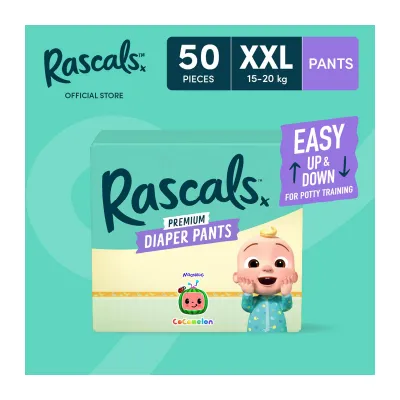
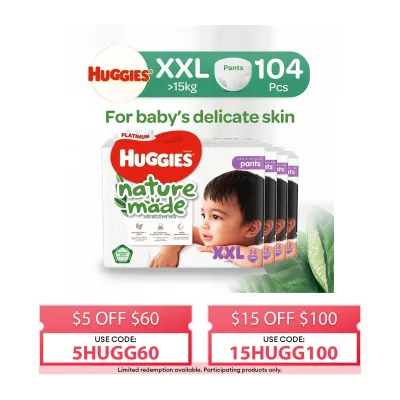
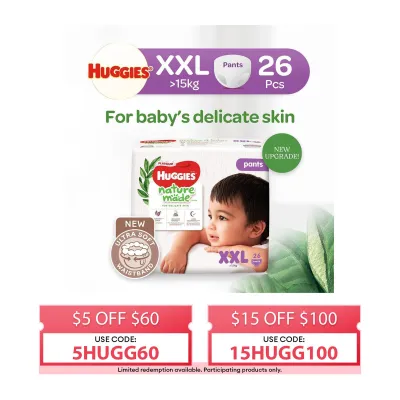
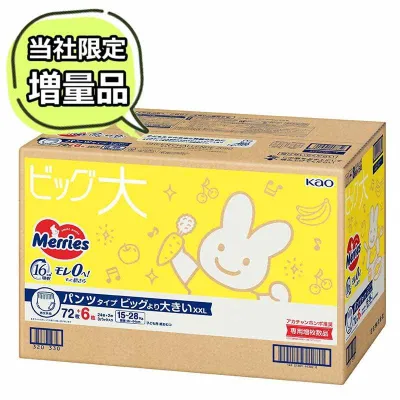
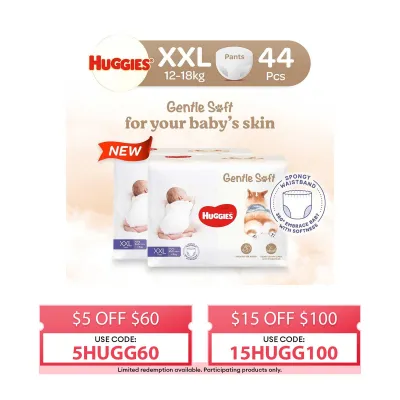
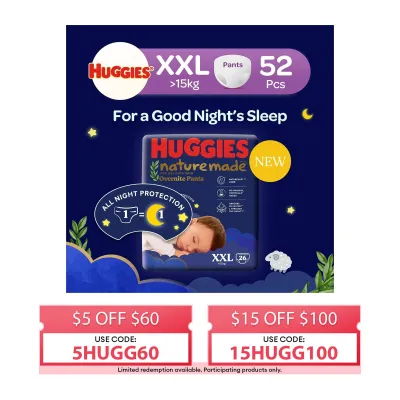
Products mentioned in this guide
![MERRIES GIANT [TWIN Packs] Tape Diapers/Walker Pants NBS/M/L/XL/XXL Made in Japan](https://img.lazcdn.com/g/p/eb169334be1c344058c66ada97d0288e.jpg_400x400q80.jpg_.webp)
Prices are valid at publication and may change. Please refer to the product page for the latest price.
When evaluating different brands of XXL diaper pants, pay close attention to the design of the waistband and side panels. High-quality diaper pants feature highly elastic, multi-strand waistbands that stretch smoothly without digging into the skin. The side panels should offer a balance of flexibility and strength, allowing the toddler to bend, squat, and climb comfortably while keeping the diaper securely in place.
Leg cuffs are another critical area for fit evaluation. Look for double-layered leg gathers or standing leak guards that wrap snugly around the thighs. These cuffs should sit flat against the skin without curling inward, acting as a physical barrier against liquid escape. When putting on the diaper pants, always run a finger around the leg cuffs to ensure they are fully extended outward, as folded cuffs are a primary cause of leaks during active movement.
Evaluating Absorbency and Leak Protection Features
Absorbency is the core function of any diaper, but evaluating it requires looking past marketing buzzwords to understand the actual structural features of the product. Modern XXL diaper pants typically utilize a multi-layer core containing superabsorbent polymers blended with wood pulp or structured into specialized channels. These channels are designed to distribute liquid evenly throughout the core, preventing the diaper from sagging or clumping in a single spot when wet.

When examining packaging, look for descriptions of the core’s construction, such as triple-channel or multi-layer distribution systems. A well-designed core quickly draws moisture away from the surface sheet, locking it deep inside to keep the toddler’s skin dry. Many brands also include an external wetness indicator—a color-changing strip along the bottom of the pants—which provides a quick visual cue to caregivers that the diaper has reached its capacity and needs changing.
In Singapore’s hot and humid climate, the breathability of the outer back sheet is just as important as the absorbency of the inner core. A breathable back sheet features microscopic pores that allow hot air and moisture vapor to escape while keeping liquid safely contained. This air circulation is vital for maintaining a healthy skin microclimate, reducing the risk of heat rash and diaper dermatitis caused by trapped moisture and friction.
Standing leak guards, which are the vertical fabric barriers running along the inner leg cuffs, must be checked for height and elasticity. These guards should stand upright when the diaper is opened, creating a secure pocket to contain sudden, heavy flows before the core can fully absorb them. Always verify the manufacturer’s instructions regarding maximum wear times and saturation limits, keeping in mind that overnight use requires a significantly higher absorption capacity than daytime wear.
Matching Diaper Pants to Your Toddler's Daily Routine
A toddler’s diapering needs change dramatically between active daytime hours and long overnight sleep, meaning a single type of diaper pants may not suit every situation. For overnight use, prioritize high-capacity, thicker diaper pants that feature reinforced waistbands and extended absorbent zones. These specialized overnight options are engineered to handle multiple wettings over ten to twelve hours, ensuring your toddler remains dry and comfortable throughout the night without requiring disruptive midnight changes.
During the day, when your toddler is constantly moving, exploring, and potentially transitioning to potty training, the focus shifts to mobility and ease of use. For active daytime play, select ultra-thin, highly stretchable diaper pants that minimize bulk between the thighs. These lightweight designs allow for unrestricted movement and can be easily pulled up and down by the toddler, fostering independence during early potty training attempts while still providing reliable leak protection.
For toddlers with sensitive skin or those prone to friction rashes, parents must be highly selective about material composition. Look for diaper pants labeled as fragrance-free, hypoallergenic, and dermatologically tested, with exceptionally soft top sheets that minimize friction against delicate skin. Avoid products with added lotions or synthetic perfumes if your child has a history of skin sensitivity, as these additives can trigger allergic reactions or worsen existing irritation.
Caregivers should also consider the ease of disposal when selecting diaper pants for daily routines. Most high-quality diaper pants include a secure disposal tape on the back, allowing you to roll up the soiled diaper tightly and seal it before throwing it away. This feature is particularly convenient when changing your toddler on the go in public restrooms or during outdoor activities around Singapore’s parks and play areas.
Calculating Value and Navigating Purchasing Channels
Managing the ongoing cost of diapering requires a shift in how you calculate value. Because XXL diaper packs contain significantly fewer pieces than medium or large packs of the same brand, comparing the total price per pack can be highly misleading. Instead, always calculate the cost per piece by dividing the total pack price by the number of diapers inside; this allows you to make accurate, direct comparisons across different brands and packaging sizes in S$.
To optimize your budget, look for bulk-buying opportunities and promotional bundles, which are frequently available at local supermarkets, major pharmacies, and official brand stores on e-commerce platforms. Purchasing carton deals or multi-pack bundles often yields a much lower cost per piece than buying individual packs. However, before committing to a large bulk purchase of a new brand, always buy a single trial pack first to ensure the fit and absorbency are compatible with your toddler’s body and skin.
When shopping online, it is critical to verify the authenticity of the seller to protect your toddler’s health. Only purchase from official brand stores, authorized distributors, or highly rated, reputable local sellers on online marketplaces. Unauthorized third-party sellers may offer lower prices, but they carry a higher risk of selling counterfeit goods, expired stock, or diapers that have been stored in damp, unhygienic conditions, which can compromise the diaper’s structural integrity and safety.
Before opening a newly purchased pack of diaper pants, inspect the packaging seals to ensure they are completely intact and free from punctures or tears. Check the manufacturing or expiry dates printed on the pack, as older diapers can experience a degradation of the superabsorbent polymers and elastic bands over time. If you notice any unusual chemical odors, dampness, or structural defects upon opening the pack, discontinue use immediately and contact the manufacturer or retailer for a replacement.
Frequently Asked Questions (FAQ)
When should I transition my toddler from XL to XXL diaper pants?
You should consider transitioning your toddler from XL to XXL diaper pants when you observe consistent physical signs of a tight fit or inadequate capacity. These signs include deep, red elastic marks left on your toddler’s waist or thighs after wear, difficulty pulling the diaper pants smoothly over their hips, or a waistband that sits significantly below the belly button. Additionally, if your toddler is experiencing frequent leaks despite proper diaper application, or if the absorbent core becomes fully saturated and heavy very quickly, it is a strong indicator that their liquid output has outgrown the capacity of the XL size. Always cross-reference your toddler’s current weight and physical build with the specific brand’s XXL sizing guidelines on the packaging to make an informed decision.
Can high-absorbency XXL diaper pants cause diaper rash?
High-absorbency diaper pants themselves do not directly cause diaper rash, but improper usage and prolonged exposure to moisture can lead to skin irritation. Even the most advanced superabsorbent cores cannot completely eliminate the humid microclimate created inside a closed diaper, especially in Singapore’s warm climate. When a diaper is left on for too long, trapped heat, sweat, and urine break down the skin’s natural protective barrier, making it highly susceptible to friction rashes and yeast infections. To maintain optimal skin health, ensure you change the diaper pants regularly—ideally as soon as they are soiled or reach their saturation limit—and allow the skin to dry completely before putting on a fresh pair. If your toddler develops a persistent, severe, or painful rash that does not improve with regular changes and barrier creams, stop using the product and consult a pediatrician or qualified healthcare professional for guidance.

Community discussion
Share your experience or ask a question. Comments are reviewed before publication.