
Finding the right disposable diaper involves balancing performance, comfort, and budget. While many brands promise ultimate dryness, no single diaper is universally perfect. A diaper that excels in maximum absorbency for overnight sleep often features a thicker core, which can compromise on slimness and flexibility during active daytime play. Conversely, ultra-thin diapers designed for maximum mobility may not hold up during a long night’s rest. For parents in Singapore, navigating these trade-offs requires looking past marketing claims and evaluating how different diaper designs perform under specific daily conditions.
Core Criteria for Comparing Disposable Diapers
To compare disposable diapers objectively, parents must look at three primary pillars: absorbency, fit, and overall value. Absorbency is not just about how much liquid a diaper can hold, but how quickly it draws moisture away from the skin and locks it inside the core. Fit determines how well the diaper conforms to a baby’s unique shape, preventing gaps at the waist and thighs where leaks typically occur. Value represents the long-term financial impact, calculated by the cost per individual diaper and the number of changes required daily.
Understanding how these criteria interact is essential for making an informed choice. For instance, a highly absorbent diaper with a bulky core might be excellent for a sleeping infant but could restrict the movement of a toddler who is learning to crawl. On the other hand, a highly flexible, lightweight diaper might require more frequent changes, which can quickly drive up your monthly diapering expenses.
Products mentioned in this guide
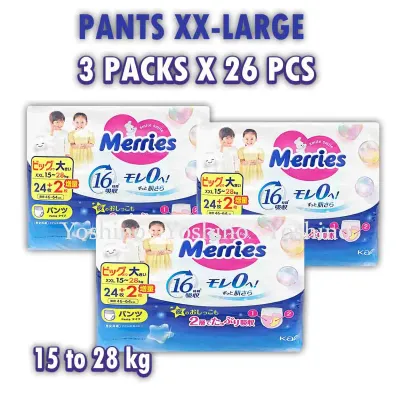

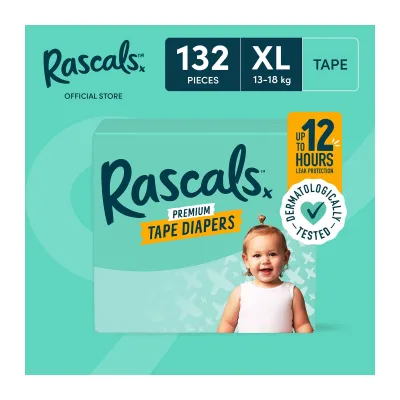
![[1 Carton] Huggies Dry Comfort Silver Pants X-Large 40 Pcs x 3 Packs (14-18 KG)](https://img.lazcdn.com/g/p/67428ec55ded7b30d9fb8e8ae5dcc292.jpg_400x400q80.jpg_.webp)
Prices are valid at publication and may change. Please refer to the product page for the latest price.
When evaluating options, always start by reading the manufacturer’s specifications on the packaging. Pay close attention to the recommended weight ranges, but remember that these are general guidelines. A baby’s body shape—such as having a rounder tummy or chubbier thighs—will heavily influence how a specific size fits. Checking the size charts and comparing them against your baby’s current growth stage is the first step toward finding a reliable match.
How to Assess Absorbency and Leak Protection
Evaluating a diaper’s absorbency requires looking closely at its internal structure and materials. Most modern disposable diapers rely on a blend of fluff pulp and Superabsorbent Polymers (SAP), which are tiny beads that turn into a gel when they contact liquid. To verify a diaper’s liquid retention capabilities, look for advanced core distribution channels. These channels are designed to distribute moisture evenly along the length of the diaper rather than letting it pool in one spot, which prevents the diaper from sagging and clumping between the baby’s legs.

Another critical structural feature is the presence of standing leak-guard barriers. These are the raised, elasticized ruffles that run along the inner leg cuffs. When properly flared outward during a diaper change, these barriers act as a physical dam to contain sudden, high-volume liquid before it can escape. Parents should also look for a wetness indicator—a colored line on the outside of the diaper that changes hue when wet—to help monitor moisture levels without needing to undo the diaper.
To check for potential leaks, perform regular visual and tactile inspections. A diaper that sags heavily or feels cold and damp on the outside is likely reaching its capacity limit. Compression leaks can also occur when a saturated diaper is subjected to pressure, such as when a baby sits down or rolls over. To prevent this, match the diaper’s absorbency capacity to your baby’s age and sleep patterns. Younger infants with frequent, low-volume outputs do well with standard daytime diapers, whereas older babies who sleep through the night require high-capacity overnight options designed to lock away moisture for up to twelve hours.
Evaluating Fit, Comfort, and Skin Health
A diaper’s fit directly impacts both leak prevention and skin health. To ensure a secure yet comfortable fit, examine the elasticity of the waistband and the stretchiness of the side tabs. A high-quality waistband should stretch easily to accommodate a baby’s expanding tummy after feeding, while still returning to its original shape to prevent gaping at the back. The leg cuffs should feature soft, multi-strand elastics that hug the thighs snugly without digging into the skin or leaving deep red marks.
In Singapore’s hot and humid climate, material breathability is paramount for maintaining skin integrity. Look for diapers with micro-porous outer covers that allow heat and moisture vapor to escape while keeping liquid locked inside. This continuous airflow helps keep the diaper area cool, significantly reducing the risk of heat rash and diaper dermatitis. Regularly monitor your baby’s skin during diaper changes; any signs of friction marks around the waist or thighs, localized redness, or persistent dampness indicate that the diaper’s fit or material is not compatible with your baby’s body shape or skin type.
Many brands advertise hypoallergenic, fragrance-free, or dermatologically tested properties. To verify these claims, carefully read the ingredient and material labels on the packaging. Look for diapers that are free from elemental chlorine bleaching, added fragrances, parabens, and natural rubber latex, which are common triggers for sensitive skin. If your baby develops a persistent rash, swelling, or skin irritation that does not improve with standard barrier creams, stop using the diaper brand immediately and consult a qualified pediatrician or dermatologist for professional guidance.
Calculating True Value and Cost Per Diaper
Calculating the true value of disposable diapers requires looking beyond the retail price of a single pack. The most accurate way to compare costs is to calculate the price per diaper. To do this, divide the total price of the pack in S$ by the exact number of diapers inside. For example, a pack costing S$24 containing 80 diapers results in a unit cost of S$0.30 per diaper. This simple calculation allows you to compare different brands and pack sizes on an equal footing.
Keep in mind that your overall monthly spend is heavily influenced by your baby’s age and the frequency of daily changes. Newborns typically require up to ten to twelve changes a day, making a lower unit cost highly desirable for daytime use. As babies grow, they require fewer changes, but they also transition to larger diaper sizes. Larger sizes contain fewer diapers per pack for the same retail price, which naturally increases the cost per diaper. Anticipating these transitions in your family budget helps prevent unexpected financial strain.
To optimize your spending, compare the value of purchasing bulk packs from official brand stores or major online marketplaces against buying standard retail packs from local supermarkets. Bulk buying often yields a significantly lower cost per diaper, especially when combined with subscription discounts or seasonal promotions. However, avoid purchasing massive quantities of a single size when your baby is close to the upper weight limit of that size, as they may quickly outgrow them, leaving you with unusable stock.
Decision Framework: Matching Diaper Profiles to Your Baby
Choosing the right diaper profile depends on your baby’s specific developmental stage, daily routine, and skin sensitivity. If your baby is sleeping for long stretches overnight or has a high urine output, prioritize high-capacity, thick-core diaper profiles. These designs are specifically engineered to handle large volumes of liquid over several hours, ensuring your baby stays dry and comfortable throughout the night without requiring disruptive diaper changes.
For highly active babies who are crawling, pulling themselves up, or learning to walk, transition to flexible, slim-fit diaper profiles or pant-style diapers. These options feature highly stretchable waistbands and streamlined cores that move with your baby’s body, reducing bulkiness and preventing the diaper from shifting out of place during active play. Pant-style diapers are also particularly useful during this stage as they can be easily pulled on and off, simplifying changes for wriggling toddlers.
A highly effective and budget-conscious strategy is to adopt a dual-brand approach. You can use budget-friendly, slim-profile diapers for frequent daytime changes when you are monitoring and changing your baby regularly. Then, switch to a premium, high-absorbency diaper profile specifically for overnight sleep or long outings. This approach maximizes both cost efficiency and leak protection where it matters most.
Before committing to large, non-returnable bulk purchases of any new diaper brand, always verify compatibility with your baby’s skin. Purchase a single small pack or request trial samples from the manufacturer first. Observe your baby’s skin closely over a few days of continuous use. If there are no signs of redness, irritation, or leakage, you can confidently proceed with bulk purchasing to secure the best possible value.
Frequently Asked Questions (FAQ)
How often should I change a highly absorbent diaper?
Even if a diaper is marketed as highly absorbent or capable of lasting up to twelve hours, standard pediatric hygiene guidelines recommend changing your baby’s diaper every two to three hours during the day, and immediately after any bowel movement. Prolonged exposure to wetness and stool can break down the skin’s natural barrier, leading to painful diaper rash, ammonia buildup, and bacterial growth. Do not rely solely on the dry feel of the diaper surface or the wetness indicator; regular changes are essential for maintaining optimal skin health.
Can I mix different diaper brands for day and night use?
Yes, mixing different diaper brands and profiles for day and night use is an excellent way to balance performance and cost. Using a budget-friendly, lightweight diaper during the day allows you to perform frequent, hygienic changes without overspending. For overnight sleep, transitioning to a premium, high-capacity diaper ensures your baby remains dry and undisturbed for longer stretches. When using this strategy, ensure the overnight diaper fits snugly around the waist and legs to accommodate movement during sleep without causing leaks.
Community discussion
Share your experience or ask a question. Comments are reviewed before publication.