
Choosing the right extra-large (XL) swimming diaper in Singapore depends on finding a snug, gap-free fit around your child’s legs and waist to prevent solid waste leaks in public pools. Because swimming diapers do not function like regular diapers—they are designed to let water pass through while containing solids—there is no single universal option. Instead, the ideal choice is the one that matches your toddler’s current weight, thigh circumference, and activity level.
In Singapore’s warm climate, year-round water play at public swimming complexes, condominium pools, and waterparks is a staple activity for families. However, a single containment failure can lead to pool closures and hygiene issues. Understanding how different XL options fit your child’s unique build is the most effective way to ensure uninterrupted, worry-free swim sessions while adhering to local pool hygiene standards.
Key Features to Compare in XL Swimming Diapers
Unlike standard disposable diapers that rely on superabsorbent polymers to lock in liquid, swimming diapers are engineered to be water-permeable. If a standard diaper is worn in a pool, the absorbent core quickly saturates with pool water, causing the diaper to swell, sag, and pull away from the child’s body. This swelling not only restricts movement but also breaks the protective seal around the legs, rendering the diaper useless for containment.
Products mentioned in this guide
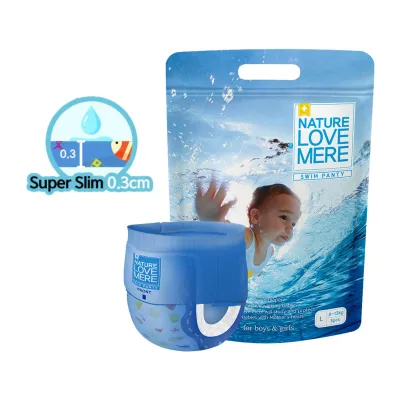
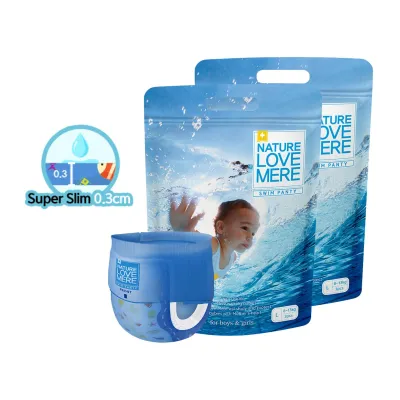
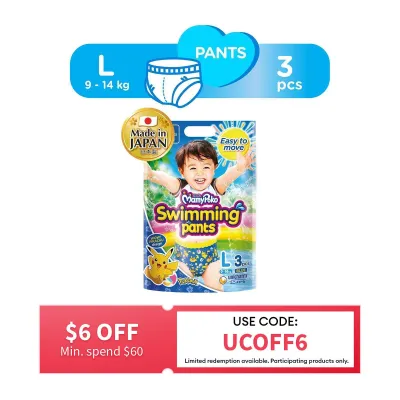
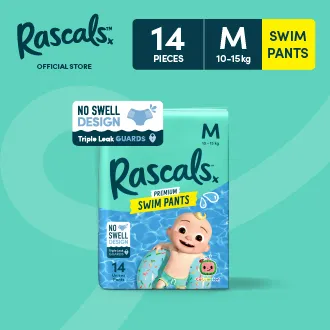
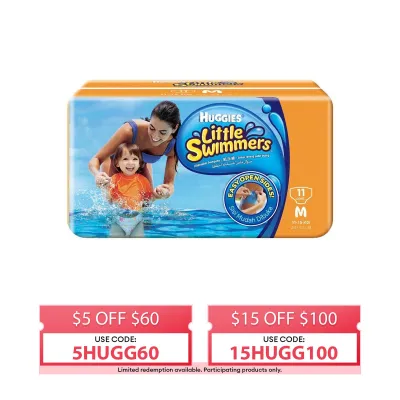
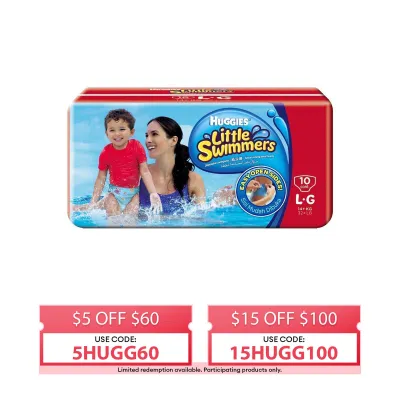
Prices are valid at publication and may change. Please refer to the product page for the latest price.
The primary defense mechanism of an XL swimming diaper is its physical containment barrier. This consists of dual elastic leg cuffs and a snug waistband. When evaluating different brands, parents should inspect the height and elasticity of these inner leg gathers. The cuffs must sit flat against the skin in the groin crease, creating a secure seal that holds solid waste inside without allowing pool water to wash it out.
Material behavior under water pressure is another critical comparison point. High-quality disposable swim diapers use a thin, non-swelling core material that retains its shape even when fully submerged. This prevents the diaper from becoming heavy and dragging down, which is especially important for active toddlers who are walking, climbing pool steps, or splashing in shallow play areas.
Sizing is notoriously inconsistent across different manufacturers, making the “XL” label highly relative. One brand’s XL might cater to children weighing 12 to 17 kilograms, while another might span 15 to 22 kilograms. Parents must consult the specific weight and age guidelines printed on each product’s packaging rather than assuming their child’s standard diaper size translates directly to a swim diaper.
Evaluating Fit and Comfort for Active Toddlers
Achieving the correct fit requires balancing containment with comfort. A swimming diaper must be snug enough to prevent gaps when the child bends, sits, or kicks, but not so tight that it restricts circulation or chafes the skin. After putting the diaper on, parents should perform a quick finger check: you should be able to slide one finger comfortably under the waistband and leg bands.

Children with thicker thighs often require special attention during fitting. If the leg elastic is too tight, it can leave deep, angry red marks after just a few minutes in the water. In such cases, looking for brands that offer highly elastic, ruffled leg bands can provide a gentler seal. Conversely, for children with leaner builds, a brand with a more structured, tighter elastic tension may be necessary to prevent gaping.
Mobility is paramount for toddlers who are constantly on the move. The diaper’s cut should allow a full range of motion at the hips. If the diaper is too bulky or the leg openings are cut too low, it can impede natural kicking and wading movements, leading to frustration and resistance from the child.
The choice between diaper designs also affects how easily parents can manage mid-swim checks and changes. Many disposable XL swim diapers feature tear-away sides, which allow for quick, mess-free removal when a change is needed. However, these cannot be easily resecured once torn. Other designs feature resealable tabs, similar to standard diapers, which offer adjustable waist sizing and allow parents to open, inspect, and re-fasten the diaper without discarding it.
Comparing Leading XL Swimming Diaper Options
To help narrow down the options available in Singapore, parents can evaluate swim diapers based on their structural design and functional categories. The table below outlines the typical characteristics, weight ranges, and estimated cost per piece for the main types of XL swimming diapers found in local retail stores and online marketplaces.
| Diaper Category | Typical XL Weight Range | Key Containment Features | Estimated Cost per Piece (S$) |
|---|---|---|---|
| High-Stretch Pull-On | 12 to 22 kg | Dual elastic leg cuffs, 360-degree elastic waistband | S$1.20 – S$1.80 |
| Adjustable Tab-Style | 13 to 20 kg | Resealable side tabs, structured leak guards | S$1.40 – S$2.00 |
| Reusable Swim Diaper | 11 to 18 kg | Adjustable snap buttons, thick elasticized borders | S$15.00 – S$30.00 (One-time) |
If your child has highly active leg movements or thicker thighs, a High-Stretch Pull-On style is often the most suitable choice. The continuous elastic waistband distributes pressure evenly, reducing the risk of localized chafing while maintaining a consistent seal during vigorous kicking.
If you prefer the ability to check for solid waste without destroying the diaper, or if your child has a very narrow waist relative to their thighs, an Adjustable Tab-Style diaper is highly recommended. The tabs allow you to customize the waist tension independently of the leg fit, and you can easily peel them back for a quick inspection.
If you swim frequently—such as weekly swimming lessons at a local complex—and want to minimize ongoing expenses and waste, an Eco-Friendly Reusable Swim Diaper is an excellent alternative. These feature adjustable snap buttons that allow the diaper to grow with your child, though they require thorough washing after any solid waste incidents.
Because every child’s body shape is unique, parents should avoid buying large bulk boxes initially. Start by purchasing single travel packs or small trial packs of different styles. This allows you to test the fit, observe how the material reacts to water, and ensure your child does not experience skin irritation before making a larger financial commitment.
Purchasing Tips and Pre-Swim Checks
When purchasing swimming diapers in Singapore, it is crucial to source them from official brand stores, authorized pharmacies, or reputable online marketplaces. Counterfeit or poorly manufactured diapers may use substandard elastics that fail in the water, or materials that cause skin irritation. Checking for clear manufacturing details, batch codes, and intact packaging helps ensure you are getting a genuine, safe product.
Before your child enters the water, always perform a quick pre-use inspection of the diaper. Gently stretch the leg cuffs and waistband to verify that the elastic has not degraded or lost its tension. Inspect the inner lining to ensure there are no tears or loose threads that could compromise containment or wrap around your child’s toes.
Additionally, parents must familiarize themselves with the specific rules of the swimming facility they are visiting. Many public pools managed by Sport Singapore, as well as private condominium pools and commercial waterparks, have strict hygiene policies. Some facilities mandate the use of a double-diapering system—which involves wearing a disposable swim diaper underneath a snug-fitting reusable swim cover—to provide an extra layer of protection against accidental leaks.
Frequently Asked Questions (FAQ)
Do XL swimming diapers absorb urine?
No, XL swimming diapers are not designed to absorb urine or other liquid waste. Their primary and sole function is to contain solid waste to prevent pool contamination. The materials used are highly porous to allow water and urine to pass through freely; if they absorbed liquids, the diaper would quickly become waterlogged, heavy, and unsafe for swimming. For this reason, parents should put the swimming diaper on just before entering the pool, rather than during the car ride or walk to the facility, to avoid accidents on dry land.
Should I size up to XL if my child is between sizes?
When a child’s weight falls on the border between Large and XL, the decision should be guided by the fit around the legs rather than the weight number alone. A swimming diaper must have a snug, gap-free seal around the thighs to function effectively. If you size up to XL prematurely, the leg openings may be too loose, creating gaps that allow solid waste to escape into the pool. If the current size is not leaving deep red marks and still provides complete coverage, it is usually safer to remain in that size until the child fully outgrows it. If you do transition to XL, perform a thorough physical check of the leg seals before letting your child enter the water.

Community discussion
Share your experience or ask a question. Comments are reviewed before publication.