
Pumping milk should be a comfortable, stress-free process, but many parents using a Spectra breast pump encounter unexpected pain or a sudden drop in their milk supply. If you are experiencing discomfort, pinching, or a feeling that your breasts are not fully empty after a session, the culprit is almost always an improperly fitted breast shield, commonly known as a flange. The flange is the funnel-shaped plastic piece that contacts your breast, and its sizing is critical to how the pump’s vacuum interacts with your delicate tissue.
When a flange does not fit your unique anatomy, the pump cannot create the precise vacuum seal required to stimulate your milk ducts and trigger a letdown. Instead of a gentle, productive pull, an incorrect fit causes friction, tissue compression, and swelling, which physically blocks the flow of milk. This not only makes pumping painful but also leads to incomplete breast drainage, which over time signals your body to produce less milk. Understanding the mechanics of flange fit and learning how to make simple adjustments can quickly restore both your comfort and your milk output.
Recognizing the Signs of a Poor Flange Fit
Visual cues during an active pumping session are your first line of defense against an ill-fitting flange. When you look through the clear plastic of your Spectra breast shield while the pump is running, your nipple should be centered and moving freely back and forth within the tunnel. If you observe the sides of your nipple rubbing or scraping against the hard plastic walls, the tunnel is too narrow, which restricts movement and causes painful friction. Conversely, if you see a significant portion of your dark areola tissue being drawn deep into the tunnel with every suction cycle, the flange is too wide, which can cause the tissue to swell and block the milk ducts.
Products mentioned in this guide
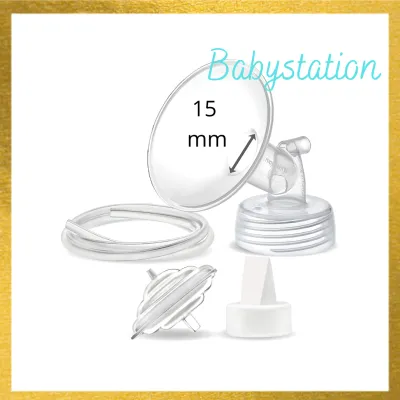
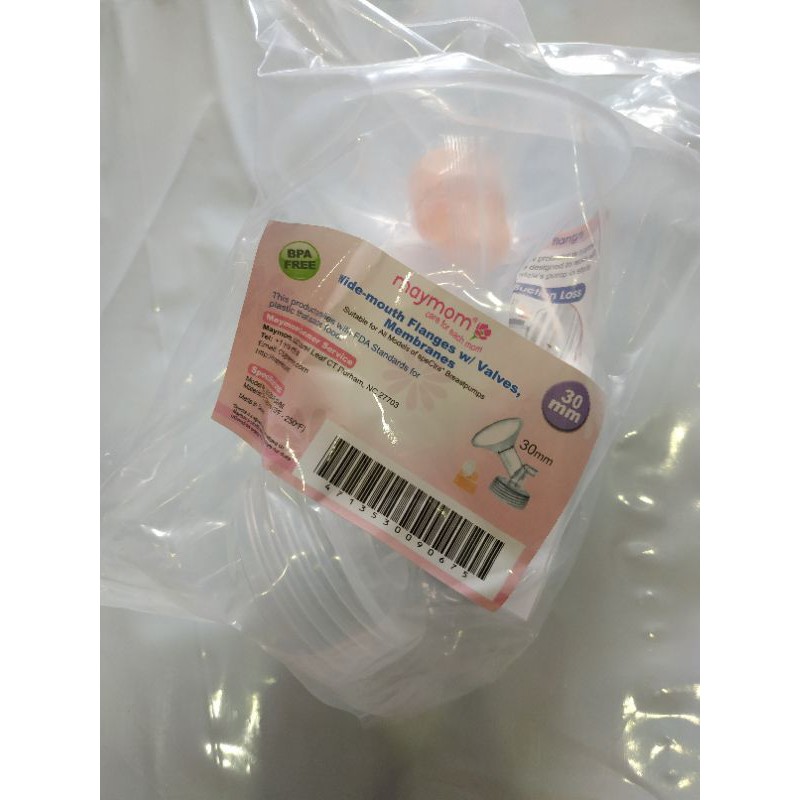
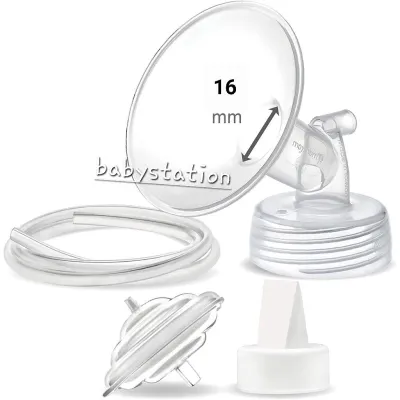
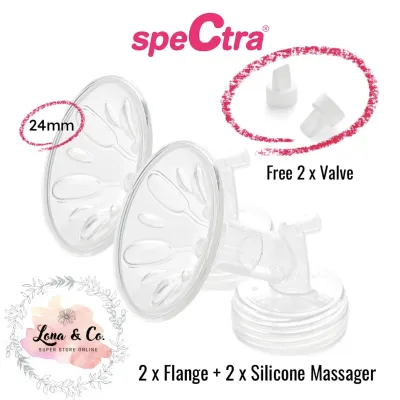
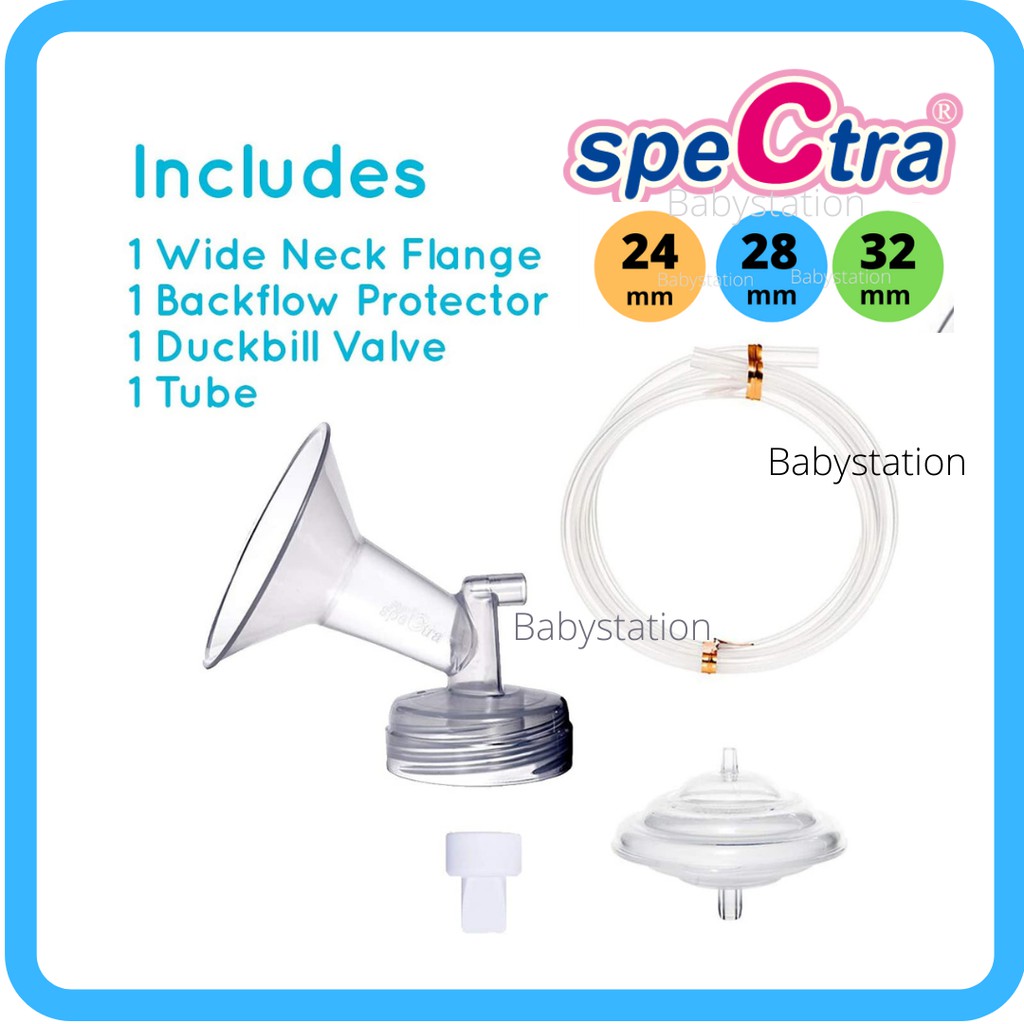
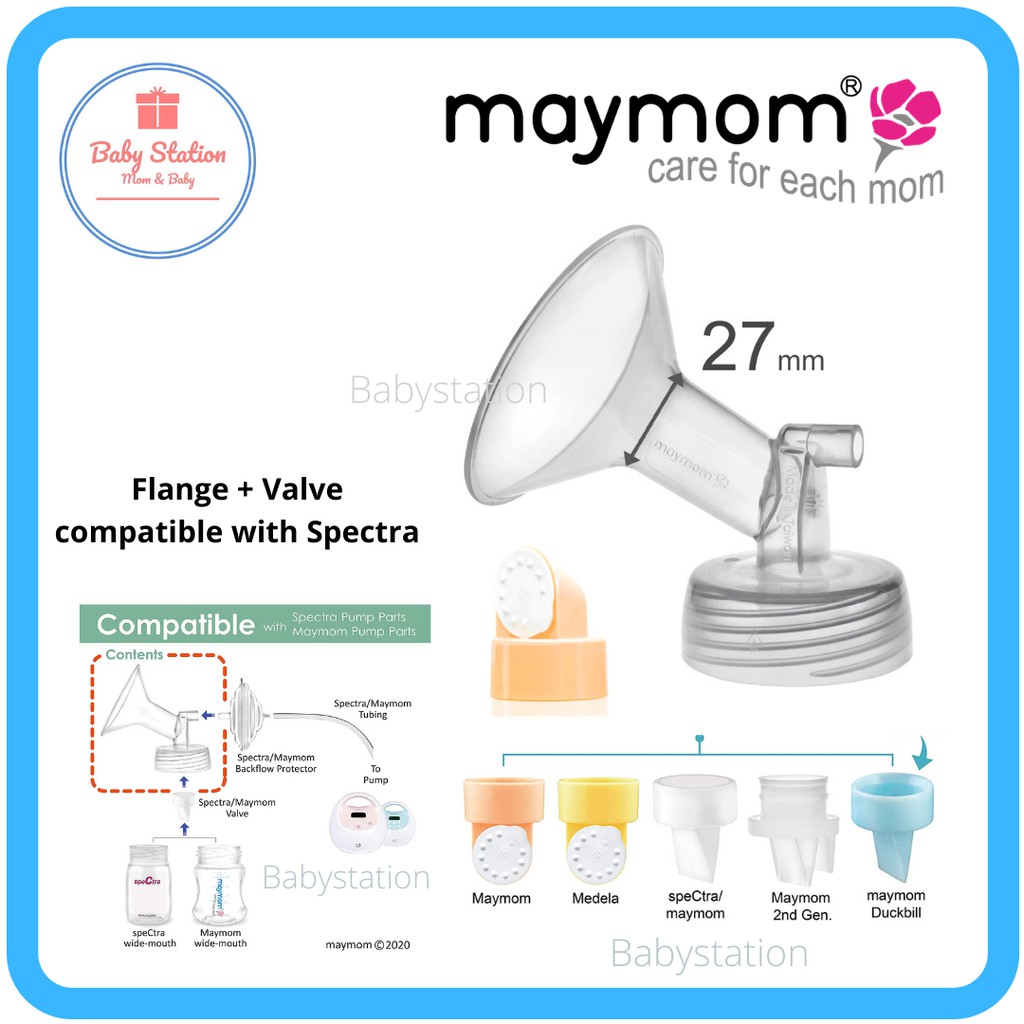
Prices are valid at publication and may change. Please refer to the product page for the latest price.
Physical sensations during and after your pumping sessions provide immediate, unmistakable feedback about the state of your breast tissue. Pumping should feel like a firm, rhythmic tugging sensation, but it should never cause sharp pain, pinching, or a burning feeling. If your nipples appear pale, flattened, or completely white—a condition known as blanching—immediately after you remove the breast shields, this indicates that the vacuum pressure or tunnel size is restricting blood flow to the area. Persistent soreness, skin sensitivity, or a bruised feeling that lasts long after your pump is turned off are clear indicators that your current setup is causing tissue trauma.
Your milk output patterns and the physical state of your breasts after pumping can also signal a poor fit. An incorrect flange size prevents the pump from stimulating your milk ducts evenly, which often results in incomplete breast emptying. You might notice that your breasts still feel heavy, firm, or lumpy in certain areas even after a full twenty-minute session. When your breasts are not thoroughly drained, your body naturally produces a feedback inhibitor of lactation, a protein that signals your milk glands to slow down production. This leads to a gradual decline in your daily yield, forcing you to pump for longer periods with increasingly disappointing results.
Common Causes of Flange-Related Pain and Low Output
The most common cause of pumping discomfort is an incorrect nipple tunnel diameter, and both oversized and undersized flanges present distinct challenges. When a tunnel is too tight, the constant mechanical rubbing scrapes away the protective outer layers of the skin, leading to painful abrasions, cracks, and localized swelling. This swelling further constricts the tunnel, making subsequent pumping sessions even more painful. On the other hand, a tunnel that is too loose allows the vacuum to pull the highly sensitive areola tissue into the shaft, where it becomes compressed, leading to fluid retention and blocked milk ducts that stop milk from flowing.

Many parents mistakenly attempt to compensate for a poor flange fit or low milk flow by turning up the suction level on their Spectra pump to its maximum setting. While it might seem intuitive that stronger suction would draw out more milk, this practice often backfires by causing severe tissue trauma without improving output. High vacuum pressure applied to poorly positioned or compressed tissue causes micro-tears in the skin and deep bruising of the underlying breast tissue. Furthermore, the intense pain caused by excessive suction triggers a stress response in your body, releasing adrenaline which actively blocks the release of oxytocin, the hormone responsible for the letdown reflex.
Individual breast tissue elasticity and nipple mobility also play a major role in how a flange fits and functions. Some individuals have highly elastic skin, which means their breast and nipple tissue stretches much further than average under the influence of a vacuum. For parents with elastic tissue, standard hard plastic flanges often pull an excessive amount of areola into the tunnel regardless of the diameter chosen, leading to friction and duct blockage. This unique physical characteristic means that standard sizing charts, which rely solely on static measurements, may not fully predict how your tissue will behave once the pump is turned on.
How to Measure and Find Your Correct Spectra Flange Size
Finding your optimal flange size requires accurate measurement, which must be timed carefully to account for natural physiological changes in your breast tissue. Your nipples naturally expand, stretch, and swell during and immediately after a pumping session or direct breastfeeding. To get an accurate baseline measurement, you should measure the diameter of your nipple base before you begin pumping, or wait at least one hour after a session has ended so that the tissue has fully returned to its resting state. Measuring swollen tissue can lead to purchasing a flange that is too large, which will only perpetuate your pumping difficulties.
To measure your nipple, use a dedicated sizing ruler, a circular template, or a standard measuring tape to find the width of the nipple base in millimeters, making sure to exclude the surrounding areola. Once you have this base measurement, you must apply a sizing allowance to ensure your nipple has room to expand and move freely inside the tunnel. Spectra generally recommends choosing a flange size that is 2 to 3 millimeters larger than your pre-pumping nipple diameter. For example, if your nipple base measures 17 millimeters, a 20-millimeter flange or insert is typically the recommended starting point, though you should always consult the manufacturer’s official sizing guide to verify their specific recommendations.
If your measurements fall between standard sizes, or if you continue to experience friction and discomfort with standard hard plastic flanges, you should evaluate the use of flexible silicone inserts or alternative flange materials. These soft inserts fit snugly inside a larger standard flange, reducing the tunnel diameter while providing a cushioned, high-friction grip that prevents the nipple from stretching excessively. This is an exceptionally helpful solution for parents with highly elastic tissue, as the silicone helps hold the areola back while allowing the nipple to glide smoothly, reducing the risk of tissue swelling and duct compression.
Step-by-Step Fixes for Immediate Relief and Better Output
To achieve immediate relief and improve your milk output during your very next pumping session, start by adjusting your Spectra pump settings to align with your body’s natural lactation cues. Always begin your session in the fast, light “Massage” mode, which is designed to mimic the rapid sucking of a hungry baby and trigger your initial milk letdown. Once you see milk dripping or spraying steadily into the bottle, switch the pump to the slower, deeper “Expression” mode. Gradually adjust the vacuum cycle and suction levels to find your personal comfort threshold; the suction should feel like a firm, comfortable tug, and you should never increase it to a level that causes pain or tension.
Applying a safe, food-grade lubricant to the interior of the flange tunnel can dramatically reduce friction and protect your sensitive skin from micro-tears. A tiny amount of pure, organic coconut oil, olive oil, or a specialized lanolin-based nipple cream applied directly to the inner walls of the tunnel allows your nipple to glide smoothly without sticking or rubbing. When selecting a lubricant, ensure it is completely safe for your baby to ingest, as trace amounts may transfer to the expressed milk, and avoid petroleum-based products that can degrade the silicone valves and membranes of your pump kit.
A sudden drop in milk output or a weak vacuum sensation can also be caused by minor assembly issues or worn-out pump components. Inspect your Spectra pump parts before every session, ensuring that the silicone backflow protector membranes are completely dry, free of moisture, and securely sealed within their plastic casings. Check that the duckbill valves are pushed firmly onto the breast shield connectors and are free of tiny tears, cracks, or stretched openings. Over time, these silicone parts naturally lose their elasticity and must be replaced regularly to maintain a consistent, airtight seal and ensure efficient breast drainage.
When to Stop Pumping and Seek Professional Help
While adjusting your flange size and pump settings can resolve most common pumping issues, you must be able to recognize when it is time to pause and seek professional medical or lactation support. If you observe severe tissue damage, such as deep cracks, bleeding, blistering, or peeling skin on your nipples, you should stop using the pump on that breast immediately. Continuing to apply vacuum pressure to open wounds is highly painful and can introduce harmful bacteria into the deeper breast tissue, significantly increasing your risk of developing a serious infection.
You should also be vigilant for signs of underlying clinical conditions that can mimic flange-related pain or be exacerbated by an incorrect fit. If you develop localized breast pain accompanied by a hard, warm, red lump, flu-like body aches, chills, or a fever, you may be experiencing mastitis, a breast infection that requires prompt medical evaluation and potentially antibiotics. Additionally, sharp, burning, or shooting pains that occur between pumping sessions, often accompanied by your nipples turning white and then blue or purple, may indicate vasospasms, a condition affecting blood flow that requires specialized clinical management.
If you have resized your flanges, applied safe lubricants, adjusted your pump settings, and verified your assembly, yet continue to experience persistent pain or low milk output, do not hesitate to consult an International Board Certified Lactation Consultant (IBCLC). In Singapore, there are numerous hospital-based lactation clinics, private practices, and home-visit consultants who can provide personalized, hands-on support. An IBCLC can evaluate your unique breast anatomy, observe a pumping session in real-time, and help you develop a customized plan to protect your physical well-being and support your breastfeeding goals.
Frequently Asked Questions (FAQ)
Can my nipple size change over time, requiring a new flange?
Yes, it is highly common for your nipple size to change significantly at different stages of your breastfeeding and pumping journey. In the early weeks postpartum, your body experiences significant hormonal shifts, fluid retention, and localized tissue swelling as your mature milk supply is established. As this initial postpartum swelling naturally subsides over the first month or two, your nipples may actually shrink, meaning the flange size you used in the hospital or immediately after birth may eventually become too large and cause areola pulling.
Additionally, your nipple size can change during different weaning stages, when your pumping frequency decreases, or as your body adapts to long-term lactation. To maintain optimal comfort and protect your milk supply, you should periodically monitor how your tissue behaves inside the flange tunnel. If you experience a sudden return of friction, pinching, or a noticeable drop in milk output, take a moment to remeasure your nipple diameter and adjust your flange size or inserts accordingly.
Should I use a hard plastic or silicone flexible flange?
The choice between a standard hard plastic flange and a flexible silicone flange depends on your individual comfort preferences, tissue elasticity, and how your skin responds to vacuum pressure. Hard plastic flanges are highly durable, easy to clean, and maintain a rigid, consistent shape that ensures a stable vacuum seal, which many parents find reliable and straightforward to use. However, they can feel cold and unforgiving against sensitive skin, and they offer no flexibility if your nipple size fluctuates slightly during a session.
Flexible silicone flanges or soft silicone inserts offer a cushioned, more natural feel that can reduce localized pressure and mimic the gentle grip of a baby’s mouth. They are particularly beneficial for parents with highly elastic tissue, as the high-friction surface of the silicone helps hold the areola back and prevents it from stretching too far into the tunnel. However, silicone components require more careful handling, must be inspected frequently for signs of wear or tearing, and generally need to be replaced more often than hard plastic breast shields to maintain their structural integrity and hygiene.

Community discussion
Share your experience or ask a question. Comments are reviewed before publication.