
Choosing the right Spectra breast pump depends on your daily routine, how often you plan to pump, and where you will be using the device. By evaluating whether you need a heavy-duty primary pump for exclusive use, a portable option for returning to work, or a compact secondary unit for occasional travel, you can select a model that fits your lifestyle and budget.
In Singapore, where many mothers transition back to demanding work schedules after maternity leave, finding a pump that balances efficiency with convenience is essential. The right choice ensures you can maintain your milk supply comfortably without adding unnecessary stress to your daily schedule.
Identify Your Pumping Needs and Routine
Before comparing specific machine specifications, it is crucial to assess your daily pumping requirements. Your routine is the most significant factor in determining which category of pump will serve you best over the long term.
Products mentioned in this guide
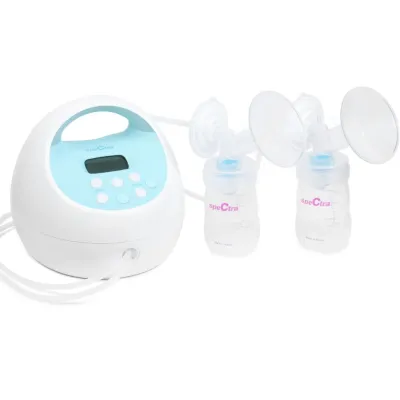
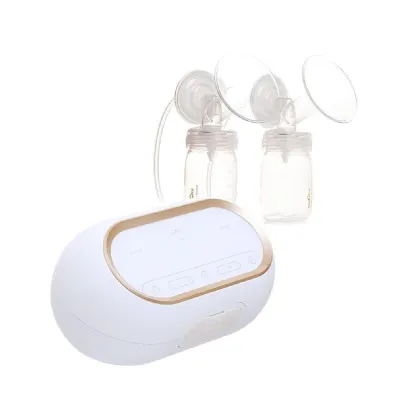
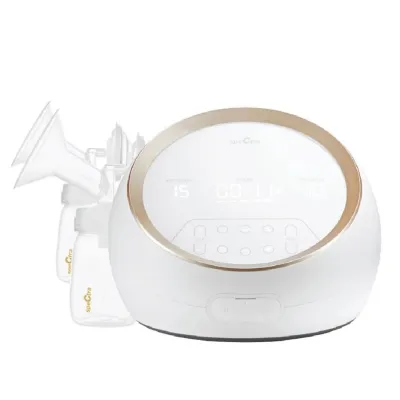
Prices are valid at publication and may change. Please refer to the product page for the latest price.
First, differentiate between exclusive pumping, mixed feeding, and occasional relief. If you are exclusively pumping, you will need a highly durable machine designed to withstand multiple daily sessions—typically eight or more. For mixed feeding or occasional relief, a lighter, less intensive pump may be perfectly adequate and more cost-effective.
Next, evaluate your daily mobility needs. If you are returning to an office environment, you must consider how you will transport the pump, whether your workplace has a dedicated nursing room with power outlets, and how much time you have for each session. Mothers working from home might prioritize a plug-in unit with more customizable settings, while those constantly on the move will require a lightweight, battery-operated option.
Finally, determine whether you need a single or double pumping setup. Double pumping is highly recommended for regular use as it stimulates milk production more effectively and cuts pumping time in half. Single pumping is often sufficient for occasional use or when nursing your baby on one side while pumping on the other.
Key Specifications to Compare Across Spectra Models
When looking at Spectra pumps, understanding the technical metrics on the packaging and manufacturer websites will help you make an informed decision.

Suction strength and cycle settings are critical for comfort and efficiency. Suction strength is measured in millimeters of mercury (mmHg). Look for models that offer adjustable vacuum levels so you can customize the strength to your comfort level. Additionally, check for adjustable cycle speeds, which dictate how many times the pump cycles per minute. A good pump should feature both a fast, light “massage” or “expression” mode to trigger your let-down reflex, and a slower, deeper mode for efficient milk extraction.
The power source is another vital specification. Some models rely solely on mains power, requiring you to sit near a wall outlet during every session. Others feature built-in rechargeable lithium-ion batteries. When evaluating battery-operated models, check the manufacturer’s stated battery life per charge and the charging time required, especially if you plan to pump during a long commute or in areas without easy access to electricity.
Portability and form factor directly impact your daily comfort. Check the physical dimensions and weight of the pump motor. A heavier, bulkier unit might be challenging to carry in a standard diaper bag, whereas a compact, palm-sized unit can easily fit into a handbag. Consider whether the pump has an integrated handle or a design that allows for hands-free operation.
Lastly, verify that the model features a closed-system design. This is indicated by the presence of a physical backflow protector between the breast shield and the tubing. A closed system prevents breast milk and moisture from entering the tubing and the pump motor, reducing the risk of mold and bacterial growth, and protecting the motor from damage.
Matching Spectra Pump Categories to Your Lifestyle
Spectra offers several categories of breast pumps designed to meet different user profiles. Matching your daily routine to these categories ensures you select a machine that aligns with your specific needs.
High-Power and Primary Pumps
High-power primary pumps are designed for maximum efficiency and durability, making them the standard choice for exclusive pumpers or mothers focused on building and maintaining an initial milk supply. These robust machines are engineered to handle frequent, heavy daily use without experiencing a drop in performance.
These models prioritize highly customizable settings, offering a wide range of suction strengths and cycle speeds. They excel at dual-pumping efficiency, ensuring that suction remains strong and consistent even when pumping both breasts simultaneously. Many of these primary units also feature integrated nightlights and timers, which are highly convenient for late-night or early-morning sessions.
However, the primary trade-off for this high performance is portability. These pumps tend to have a larger footprint and a heavier motor, making them less convenient to transport daily. While some models in this category include a rechargeable battery, they are still generally designed to be stationary units kept on a bedside table or desk.
Portable and On-the-Go Options
Portable options are tailored for working mothers, frequent travelers, or anyone who needs to pump discreetly outside the home. These models strike a balance between reliable suction power and physical mobility.
The defining feature of these pumps is their built-in rechargeable battery, allowing you to pump anywhere without being tethered to a wall outlet. They are designed with a more compact, lightweight frame that fits easily into a work tote or backpack. Additionally, the motors in these portable units are often engineered to operate more quietly, providing greater discretion in shared office spaces or public areas.
When choosing a portable model, it is important to verify the manufacturer’s stated battery lifespan per charge. Ensure that the battery can support the number of sessions you require during a typical workday before needing a recharge. While highly efficient, these models may offer slightly fewer customization levels than heavy-duty primary pumps.
Compact and Secondary Pumps
Compact secondary pumps are ideal for occasional pumping, travel, or keeping as a backup unit at the office or in the car. These models prioritize convenience and simplicity above all else.
These units are extremely lightweight and often small enough to fit in a pocket or palm. They typically feature simplified interfaces with fewer buttons and settings, making them easy to operate on the go. Many compact models can be powered via USB, allowing you to charge them using a power bank, laptop, or car charger, which adds a significant layer of convenience for travel.
The main trade-off with compact pumps is their overall power and customization. Because of their small motors, they may offer fewer suction and cycle adjustments. If you have a sensitive milk supply or require highly specific settings to express milk effectively, a compact model may not be suitable as your primary pump, but it remains an excellent secondary option.
Budget, Warranty, and Long-Term Accessory Costs
When choosing a breast pump, it is essential to look beyond the initial retail price in S$ and calculate the total cost of ownership over your entire breastfeeding journey.
Upfront retail prices can vary significantly depending on the model’s features and where you purchase it. To ensure you receive a genuine product, always buy from authorized local retailers or official online stores in Singapore. Avoid purchasing from unauthorized parallel importers; while the initial price in S$ might seem lower, these units often come with incompatible power plugs and lack valid local warranties.
Factor in the recurring cost of replacement parts and accessories. Breast pump components such as silicone valves, membranes, tubing, and flanges are consumables that wear out, stretch, or lose elasticity over time. When these parts degrade, the pump’s suction strength decreases, which can negatively impact your milk output. Before purchasing, check the local availability and pricing of these replacement parts to ensure they are easy to source and fit within your ongoing budget.
Finally, verify the local warranty terms before making your purchase. A standard manufacturer’s warranty typically covers the pump motor for a specific period, but it may not cover accessories or damage caused by improper use. Understand where the authorized service center is located in Singapore and what specific actions—such as using non-compatible third-party power adapters or experiencing liquid backflow—could void your warranty.
Final Decision Framework: Which Model Should You Choose?
To finalize your decision, match your primary lifestyle and pumping goals to the following conditional framework:
- Choose a high-power primary pump if you are exclusively pumping, working to establish your milk supply, or primarily pumping at home or at a dedicated desk with easy access to power outlets. These models offer the durability and customization needed for heavy, long-term use.
- Choose a portable option if you are returning to the office, commute frequently, or need the flexibility to move around your home while pumping. These models provide a reliable balance of suction power, rechargeable battery life, and compact design.
- Choose a compact secondary pump if you only pump occasionally, travel frequently, or need a lightweight backup unit to keep in your diaper bag or office drawer.
- Verify first if you have the correct flange size. Using an incorrectly sized breast shield can cause pain, tissue damage, and a reduction in milk yield. If you experience persistent discomfort, low milk output, or have specific medical concerns, always consult a qualified lactation consultant or healthcare professional before changing your pumping routine.
Frequently Asked Questions (FAQ)
Are all Spectra breast pumps closed-system?
Yes, Spectra breast pumps are designed as closed-system pumps. This means they utilize a physical backflow protector membrane that prevents breast milk, moisture, and humidity from entering the tubing and reaching the pump motor. This design maintains high hygiene standards by preventing mold and bacterial growth inside the machine. Always check the user manual or product packaging of your specific model to ensure all backflow prevention components are correctly assembled before use.
Can I use third-party flanges with Spectra pumps?
While some third-party flanges and adapters are physically compatible with Spectra tubing, manufacturers generally recommend using official brand accessories. Using non-compatible or third-party parts can lead to a loss of suction, poor fit, or potential damage to the pump connector ports, which may void your manufacturer’s warranty. Because correct flange sizing is critical for comfort and optimal milk expression, verify the manufacturer’s sizing guidelines or consult a lactation professional to find the correct fit within the official accessory range.
Community discussion
Share your experience or ask a question. Comments are reviewed before publication.