
Finding that your baby’s disposable diapers have developed a crumbly texture or are shedding tiny flakes can be highly concerning. This physical breakdown usually points to a compromise in the diaper’s structural integrity, specifically affecting the absorbent core, the non-woven fabric layers, or the adhesives holding them together. While a small amount of paper dust from the manufacturing process is occasionally normal, a diaper that is actively disintegrating, shedding powdery residue, or releasing gel-like beads requires immediate attention.
In most cases, a crumbly or flaky diaper is the result of improper storage conditions or natural material aging, though manufacturing defects in a specific production batch can also be the culprit. Understanding how to diagnose the root cause of this degradation is essential for protecting your baby’s sensitive skin and ensuring reliable leak protection. By examining the physical state of the diaper and reviewing your storage environment, you can quickly determine whether the pack is safe to use or if it needs to be discarded.
Identifying the Problem: What Does a Crumbly or Flaky Diaper Look Like?
To address this issue, you must first distinguish between minor, harmless cosmetic imperfections and actual structural failure. A normal, high-quality diaper should feel soft, flexible, and uniform throughout its layers. If you notice a gritty or sandy texture when pressing the absorbent core, or if the inner lining feels brittle and papery, the diaper is likely experiencing material degradation.
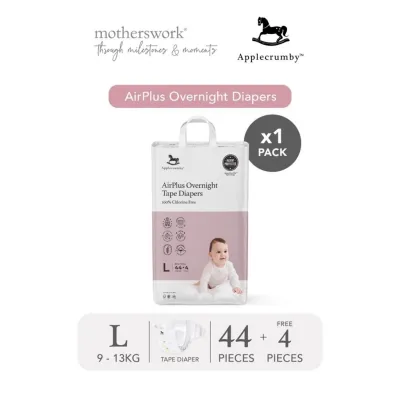
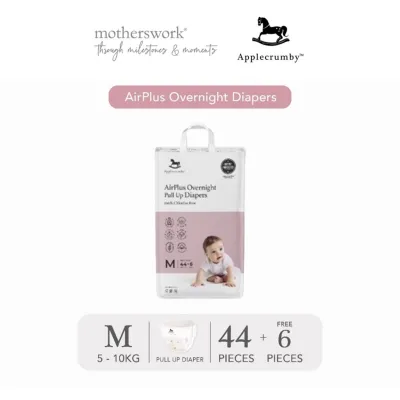
Products mentioned in this guide
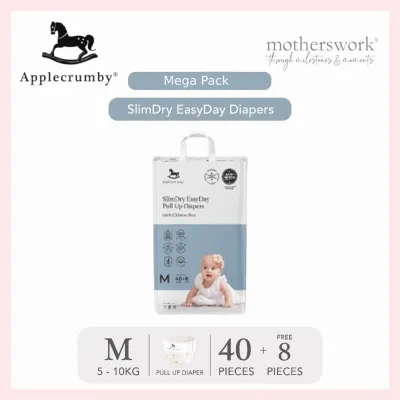
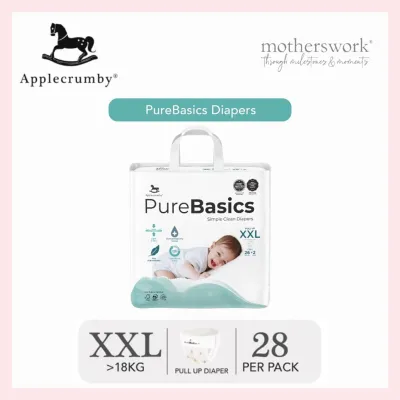
![[4 Packs Mega] Applecrumby® SlimDry⁺ Diapers](https://img.lazcdn.com/g/p/909966f1635a2a3877c76f75daa8d523.png_400x400q80.png_.webp)
![[4 Packs Mega] Applecrumby® AirPlus Diapers](https://img.lazcdn.com/g/p/d447d938d048a31015aaa8a8d0fad089.png_400x400q80.png_.webp)
![[5 Packs Mini] Applecrumby® AirPlus Diapers](https://img.lazcdn.com/g/p/2bff6e6dff19add370c822532a11aeef.png_400x400q80.png_.webp)
Prices are valid at publication and may change. Please refer to the product page for the latest price.
True flaking typically manifests as small, white or translucent particles shedding from the inner lining or the waistband. In severe cases, the superabsorbent polymer (SAP) inside the core may break down, leaking tiny, dry, bead-like crystals or a fine, powdery residue onto the diaper’s surface. This is different from harmless manufacturing dust, which is merely a light, superficial lint that easily brushes off and does not originate from within the diaper’s sealed layers.
The timing of when you notice these symptoms offers a major clue. If you open a brand-new, sealed sleeve of diapers and immediately find that multiple nappies are stiff, shedding, or falling apart, the issue is likely rooted in a production defect or poor transit conditions. Conversely, if the diapers were perfectly fine when first opened but began to crumble after sitting in a drawer or a diaper caddy for several weeks, environmental exposure is the primary suspect.
Potential Causes: Manufacturing Defects vs. Improper Storage
Determining why your diapers have degraded requires a systematic look at both your home environment and the product’s manufacturing history. Disposable diapers are highly engineered products made of delicate polymers, cellulose fibers, and heat-sensitive adhesives, all of which are vulnerable to external stressors.

Storage and Environmental Factors
The climate in which you store your baby products plays a massive role in their longevity. In warm, tropical environments like Singapore, high humidity and elevated temperatures can rapidly break down the hot-melt adhesives used to laminate the diaper’s layers. When these glues degrade, the layers separate, causing the inner materials to shift, clump, and flake. Furthermore, if diapers are exposed to direct sunlight or stored near heat sources, the plastic backsheets and non-woven topsheets can become brittle, leading to a dry, crumbly texture that disintegrates under pressure.
Manufacturing and Batch Defects
While modern quality control is generally rigorous, manufacturing anomalies do occur. A faulty production run might involve inconsistent adhesive application, where too little glue is applied, or the glue is applied at the wrong temperature, preventing the layers from bonding securely. In other instances, raw materials may have been exposed to moisture in the factory before assembly, causing the superabsorbent polymer to partially activate and dry out again, leaving behind a crumbly, clumpy core.
Material Aging
Disposable diapers do not last indefinitely. Over several years, the synthetic fibers and elastic components naturally lose their flexibility and strength. If you are using hand-me-down diapers or stock that has been stored in a closet for an extended period, the materials may have simply reached the end of their stable shelf life, resulting in a brittle product that flakes upon expansion.
Addressing Specific Brand Concerns
When searching for solutions, you might encounter specific queries like the “apple crumbly diaper” concern. If you suspect a widespread issue with a particular brand or product line, the most effective step is to locate the batch code printed directly on the diaper packaging or the individual nappies. Compare this code with official manufacturer announcements or recall databases to see if a specific batch has been flagged for quality issues. Checking trusted parenting forums or contacting the brand’s customer service department can help verify whether your experience is an isolated incident or part of a broader manufacturing defect.
Is It Safe to Use? Assessing Risks and When to Stop
When faced with a deteriorating diaper, your primary concern is your baby’s safety and comfort. While it can be tempting to use up the remaining pack to avoid waste, using compromised diapers carries distinct risks that generally outweigh the cost savings.
Skin Irritation Risks
The primary hazard of a flaky diaper is diaper dermatitis and severe skin irritation. When the inner lining of a diaper degrades, it can expose your baby’s delicate skin to the superabsorbent polymer crystals inside. While non-toxic, these dry crystals are highly hydrophilic, meaning they will rapidly draw moisture directly from the skin, leading to extreme dryness, friction, and painful red rashes. Additionally, brittle, flaking fibers lose their softness and can act like mild abrasives against the skin during movement.
Performance Failure
A structurally compromised diaper cannot perform its basic function. If the internal core has crumbled or clumped, the diaper will suffer from uneven wetness distribution, leading to immediate leaks, sagging, and frequent blowouts. The loss of adhesive integrity also means the fastening tabs or elastic leg cuffs may snap or tear during use, leaving your baby unprotected.
Stop Conditions
You should immediately stop using and discard the diapers if you observe any of the following conditions:
- Visible mold, mildew, or dark spots on any part of the diaper or packaging.
- A strong, unusual chemical odor or a musty smell upon opening the pack.
- Excessive powdering or loose gel beads leaking onto your hands or the baby's skin.
- Severe discoloration, yellowing, or brittleness of the outer or inner sheets.
If you suspect the issue is a genuine manufacturing defect rather than storage damage, set aside the affected diapers and the packaging. Contact the manufacturer or the retailer where you purchased the item to report the batch code; many reputable brands will offer a replacement or a refund for verified quality failures.
Best Practices for Storing Disposable Diapers to Prevent Degradation
To protect your investment and ensure your baby always has safe, comfortable diapers, implementing proper storage habits is essential. Preventing exposure to moisture and heat will significantly extend the usable life of your disposable nappies.
First, always store diapers in a cool, dry, and well-ventilated area. Avoid keeping large stocks of diapers in high-humidity zones such as bathrooms, laundry rooms, or uninsulated storage closets. If you live in a humid climate, consider storing opened diapers in airtight plastic bins or resealable storage bags rather than leaving them exposed in open baskets or caddies for long periods.
Second, keep diapers in their original sealed plastic packaging for as long as possible. The manufacturer’s packaging is designed to provide a basic barrier against dust and ambient moisture. Only open a new sleeve when you are ready to use it, and fold the opened end down tightly to minimize air exposure. Keep all diaper storage away from direct sunlight, radiators, and air conditioning vents, as rapid temperature fluctuations can compromise the adhesives.
Finally, practice a first-in, first-out (FIFO) inventory system. Arrange your diaper stock so that the oldest packs are used first, preventing any single box from sitting at the back of the closet for years. When buying in bulk during sales on online marketplaces, check the manufacturing dates on the boxes to ensure you are not purchasing stock that has already spent significant time in a warehouse.
Frequently Asked Questions (FAQ)
Can I still use a diaper if only the outer packaging is flaking?
If the flaking is strictly confined to the exterior plastic packaging—such as printed ink peeling off or the outer plastic wrap degrading due to sunlight—the diapers inside may still be perfectly safe. However, you must carefully inspect the individual diapers. If the inner lining, core, and adhesives of the nappies themselves show no signs of stiffness, powdering, or flaking, they are safe to use. If any external debris has migrated onto the diapers, brush them off thoroughly before putting them on your baby.
Do disposable diapers have an expiration date?
Most manufacturers do not print an explicit expiration date on diaper packaging, but disposable diapers generally have a recommended shelf life of two to three years from the date of manufacture. You can usually find the production date encoded within the batch number on the bottom or side of the pack. Over time, even under ideal storage conditions, the elastic bands may lose their stretch, and the adhesives may weaken, so it is best to use them within this multi-year window.
What should I do if my baby gets a rash from a crumbly diaper?
If your baby develops a rash after wearing a degraded diaper, immediately stop using that batch of diapers. Gently clean the affected area with lukewarm water and a soft cloth, avoiding harsh alcohol-based wipes that can further irritate compromised skin. Apply a thick layer of a barrier cream containing zinc oxide to protect the skin, and allow the area to air-dry as much as possible. If the rash does not improve within a few days, or if you notice signs of infection such as blisters, oozing, or a fever, consult a qualified pediatrician immediately.

Community discussion
Share your experience or ask a question. Comments are reviewed before publication.