
Starting your baby on solid foods is a major milestone that requires careful observation of their physical development. Matching your baby’s weaning journey with the right food textures and nutritional profiles ensures a safe, positive transition to family meals. While commercial options like Wunderfood offer convenient solutions, selecting the right product range depends heavily on identifying your baby’s current developmental stage rather than relying solely on age guidelines. By learning how to read product labels, evaluate textures, and monitor your child’s readiness cues, you can confidently navigate each phase of weaning from initial smooth purees to textured toddler meals.
Understanding Your Baby's Weaning Stages
Every infant develops at their own pace, making physical milestones a far more reliable indicator for introducing solids than the chronological age printed on food packaging. Before introducing any solid foods, look for key signs of physical readiness. Your baby should be able to sit upright with minimal support and maintain steady head control to ensure safe swallowing. Another crucial indicator is the disappearance of the tongue-thrust reflex, which naturally prevents infants from choking by pushing solid objects out of their mouths. When your baby can look at food, reach for it, and swallow a small spoon of thin puree without immediately pushing it back out, they are likely ready to begin their weaning journey.
As your baby progresses, their oral motor skills will transition from simple sucking to active chewing and swallowing. You will notice progression markers such as emerging chewing motions, where the jaw moves up and down even before teeth have fully erupted. The development of the pincer grasp—the ability to pick up small objects between the thumb and index finger—is another clear sign that your baby is ready to explore self-feeding and more complex textures. Observing these physical cues allows you to adjust the texture of their food gradually, moving from smooth liquids to thicker, mashed consistencies.
Products mentioned in this guide




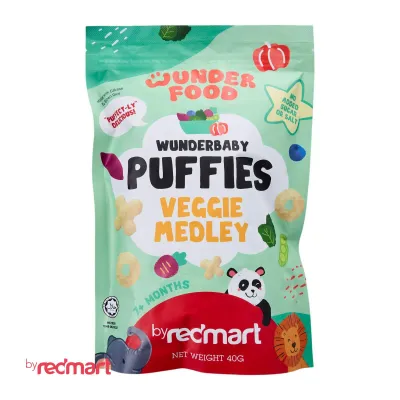
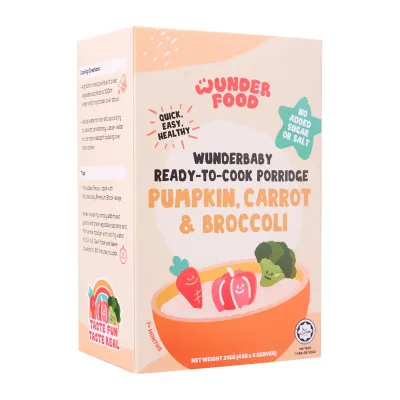


Prices are valid at publication and may change. Please refer to the product page for the latest price.
Relying strictly on age brackets on commercial baby food packaging can sometimes lead to premature introduction of complex textures or, conversely, delayed exposure to necessary chewing practice. Age labels on products are general estimates and do not account for individual developmental variations. If a baby is introduced to textured foods before they have developed the coordination to move food to the back of their mouth, it increases the risk of gagging or choking. Conversely, keeping a baby on smooth purees for too long can delay their acceptance of lumpy textures later on. Observing your baby’s daily physical capabilities remains the safest and most effective way to guide their dietary progression.
Matching Wunderfood Ranges to Early Weaning
When your baby displays all the initial signs of readiness, the first step is introducing very smooth, single-ingredient purees. During this early weaning phase, the primary goal is to introduce the sensation of eating from a spoon rather than providing substantial caloric intake. When browsing Wunderfood options in local specialty stores or online marketplaces, look specifically for products labeled as smooth purees or single-ingredient blends. These products are formulated to have a completely uniform, liquid-like consistency that mimics the ease of swallowing breast milk or formula, minimizing the risk of gagging during the first few attempts.

Evaluating the ingredient list on the back of the packaging is essential during this introductory stage. For early weaning, choose products that list only one vegetable or fruit alongside water, avoiding any added salt, sugar, or artificial preservatives. Introducing single ingredients one at a time, with a gap of several days between new foods, allows you to monitor your baby for any adverse reactions or food sensitivities. If you are introducing potential allergens, such as products containing dairy, soy, or gluten, consult your pediatrician first to establish a safe introduction plan based on current pediatric guidelines.
Before serving any early-stage Wunderfood product, always check the manufacturer-recommended age minimums and specific serving instructions printed on the label. Even if your baby shows physical readiness, these age minimums serve as a helpful baseline for safety and nutritional design. Ensure the packaging is completely intact, with no signs of bloating or damage, and follow the instructions for preparing and warming the food. Starting with just a teaspoon or two of the puree during an active, happy time of day helps create a positive association with solid foods without overwhelming your baby’s delicate digestive system.
Transitioning to Mid-Stage Weaning with Wunderfood
As your baby becomes adept at swallowing smooth purees, they will begin to show signs of readiness for more textured options. This mid-stage weaning phase typically involves transitioning to mashed consistencies, soft fork-mashed blends, and small, soft lumps that encourage active chewing. When selecting Wunderfood products for this stage, look for packaging indicators that specify textured, mashed, or stage-two formulations. These products are designed to help your baby practice moving food around their mouth using their tongue and gums, which is a critical step in speech and jaw development.
During this phase of rapid growth, your baby’s natural iron stores begin to deplete, making nutrient density a primary focus. When examining Wunderfood labels, pay close attention to the ingredient combinations and nutritional panels. Look for blends that incorporate iron-rich ingredients, such as pureed meats, poultry, lentils, or fortified grains, combined with vegetables high in vitamin C to enhance iron absorption. Evaluating these labels ensures that the increased volume of food your baby consumes provides the essential micronutrients required for their physical and cognitive development.
Adjusting portion sizes and meal frequency becomes more dynamic during mid-stage weaning as your baby’s appetite grows. Rather than strictly adhering to a set volume, observe your baby’s appetite cues, such as reaching for the spoon or turning their head away when full. Compare these cues with the manufacturer’s serving suggestions on the Wunderfood packaging to ensure you are offering an appropriate amount. Gradually increase the frequency of solid meals from once a day to two or three times a day, always balancing these feeds with their regular milk intake to maintain proper hydration and overall nutrition.
Wunderfood Options for Older Babies and Toddlers
Older infants and toddlers who have mastered chewing soft lumps are ready to transition to advanced-stage foods that promote self-feeding and independence. At this stage, look for Wunderfood products designed specifically for older babies and toddlers, which often include soft finger foods, chunkier meals, and toddler-specific ranges. These options feature larger, soft pieces of vegetables, grains, and proteins that your child can easily pick up, helping them refine their pincer grasp and build confidence in feeding themselves.
As children transition to toddlerhood, monitoring their intake of sodium and added sugars becomes increasingly important for long-term health. When selecting toddler meals or snacks from the Wunderfood range, carefully review the nutrition information panel on the packaging. Choose products that contain no added sugars and have minimal sodium levels, aligning with standard pediatric dietary guidelines. Avoiding highly sweetened or overly salted commercial foods at this stage helps shape your child’s palate toward appreciating natural flavors and supports healthy dietary habits as they grow.
These advanced toddler products are excellent for complementing family meals, allowing your child to eat alongside the rest of the household. When serving these meals, ensure that the texture and size of the food pieces remain safe and manageable for your toddler’s current chewing ability. Even as they become more independent, always supervise your child during meals to prevent choking hazards. If a commercial meal contains pieces that appear too large or firm, take the time to cut or mash them further to match your child’s comfort level before serving.
How to Verify Suitability and Safety Before Serving
Ensuring the safety of any commercial baby food requires a systematic approach to reading and verifying product labels before every feed. Make it a habit to thoroughly inspect the packaging for manufacturer warnings, allergen declarations, and specific storage instructions. In Singapore’s warm and humid climate, proper storage is particularly critical to prevent bacterial growth. Always check the allergen bolding or warning statements on the back of the Wunderfood packaging to identify potential cross-contamination risks, especially if your family has a history of food allergies.
Cross-referencing the ingredient list with your baby’s known dietary needs is a vital step in preventing adverse reactions. If your baby has been diagnosed with a specific food intolerance or allergy, do not rely solely on front-of-pack marketing claims; always read the full ingredient list on the back. If you are unsure about any ingredient or chemical name listed on the packaging, contact the manufacturer directly or consult a healthcare professional before offering the food to your child.
While weaning is a natural process, there are times when you should stop using commercial products and seek professional guidance. If your baby experiences persistent vomiting, skin rashes, diarrhea, or breathing difficulties after consuming a specific food, stop serving it immediately and consult a pediatrician. Additionally, if your baby consistently struggles to swallow, frequently gags severely, or shows signs of developmental delays in their feeding skills, a qualified healthcare professional can provide personalized advice and ensure your baby’s weaning journey remains safe and healthy.
Frequently Asked Questions (FAQ)
Can I mix Wunderfood products with homemade meals?
Yes, combining commercial baby food with homemade meals is a practical way to expand your baby’s palate and adjust textures. When mixing, ensure that the overall texture remains safe and appropriate for your baby’s current developmental stage. Be mindful of the nutritional balance; for instance, mixing a commercial vegetable puree with homemade iron-rich pureed meat can create a well-rounded meal. Always check the ingredients of both the commercial product and your homemade food to avoid duplicating potential allergens or overexposing your baby to specific ingredients in a single serving.
How should I store opened Wunderfood pouches or jars?
Once a Wunderfood pouch or jar is opened, it must be handled with care to prevent spoilage, especially in warm climates. Always refer to the manufacturer’s specific storage instructions on the label, which typically require immediate refrigeration of any unused portion and consumption within 24 to 48 hours. Never feed your baby directly from the pouch or jar if you plan to save leftovers, as saliva can introduce bacteria that cause rapid spoilage. Before serving any stored leftovers, inspect the food visually for discoloration and check for any unusual sour odors to ensure it is safe for consumption.
What if my baby rejects a specific Wunderfood stage or texture?
It is entirely normal for babies to reject new textures or flavors during their weaning journey, as learning to eat is a complex sensory experience. If your baby rejects a specific Wunderfood product, avoid forcing them to eat, which can create mealtime anxiety. Instead, try offering a small amount of the new texture alongside a familiar, well-accepted food to make the transition less intimidating. If the rejection continues, step back to the previous texture stage for a week or two before trying again. If your baby consistently refuses multiple textures or shows signs of distress during feeding, consult a pediatrician or a pediatric dietitian for professional guidance.

Community discussion
Share your experience or ask a question. Comments are reviewed before publication.