
Selecting the right baby food brands in Singapore involves matching a product’s texture, ingredients, and nutritional profile to your child’s specific developmental milestones. As your baby grows from six months to toddlerhood, their dietary needs shift from simple, single-ingredient purees to textured blends and eventually to balanced, low-sodium family meals. While convenience is a major factor for busy parents, verifying labels for hidden sugars, sodium levels, and age-appropriate textures is essential for supporting safe and healthy growth. By understanding what to look for at each stage, you can confidently navigate the supermarket aisles and online marketplaces to find options that nourish your baby.
Understanding Your Baby's Nutritional Needs at Each Stage
Around the six-month mark, a baby’s natural iron and zinc stores, which accumulated during gestation, begin to deplete. Breastmilk and standard infant formula alone can no longer fully meet their daily requirements for these essential minerals. Introducing nutrient-dense solid foods at this stage is crucial to support rapid brain development and healthy blood cell production.
The physical progression of eating is also a key developmental process. Babies start with a strong extrusion reflex, which naturally diminishes around six months, allowing them to swallow smooth purees safely. Over the next few months, they transition from managing thin liquids to swallowing thicker purees, then moving to soft lumps, and eventually chewing solid pieces as their oral motor skills mature.
Products mentioned in this guide
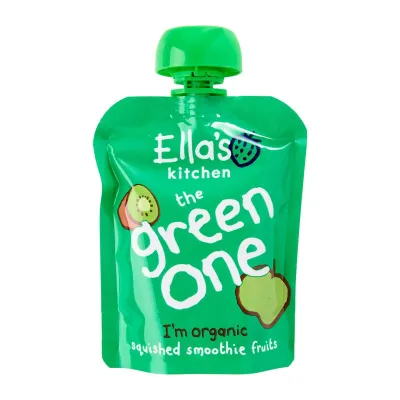
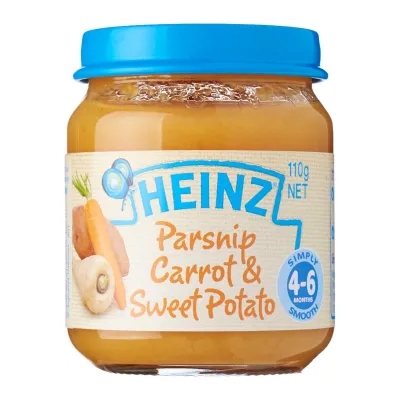
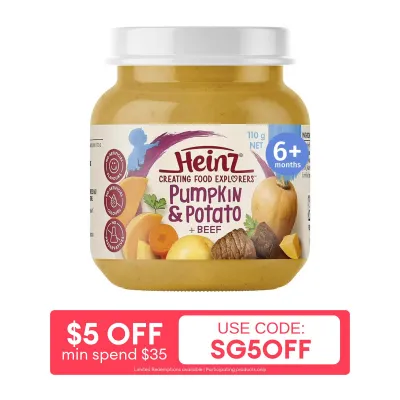
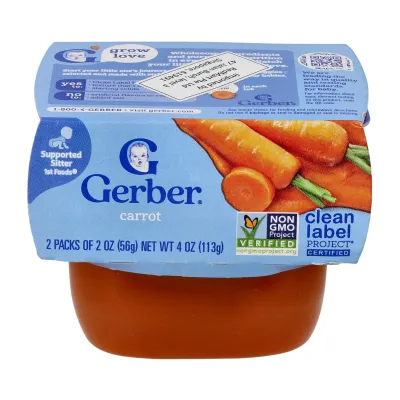
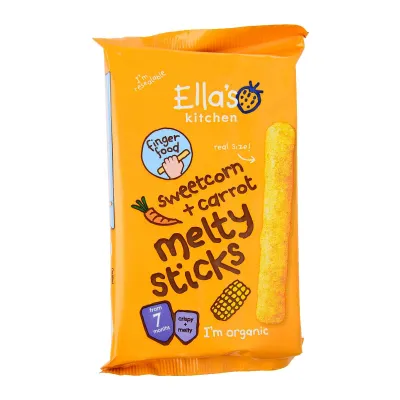
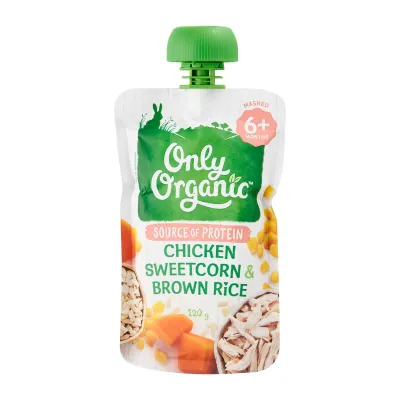
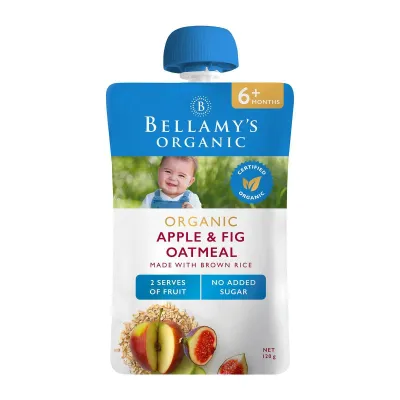
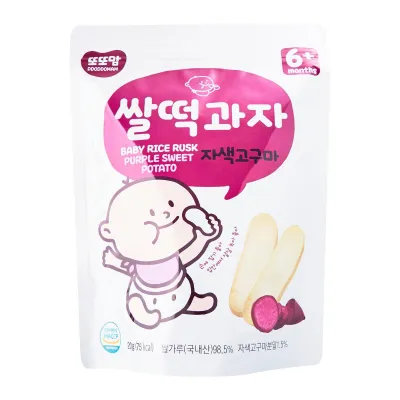
Prices are valid at publication and may change. Please refer to the product page for the latest price.
As physical mobility increases—from rolling over and sitting up to crawling, cruising, and walking—your baby’s energy expenditure rises significantly. This shift requires a gradual increase in caloric intake and a balanced distribution of macronutrients. Healthy fats are vital for brain development, proteins support muscle growth, and complex carbohydrates provide sustained energy for daily exploration.
How to Evaluate Baby Food Brands and Read Labels
When shopping for commercial baby food, the ingredient list is your most reliable tool. Ingredients are listed in descending order of weight, meaning the first few items make up the bulk of the product. Look for brands that list whole foods, such as vegetables, fruits, or meats, as the primary ingredients rather than water, thickeners, or starches.

Hidden sugars and sodium are common concerns in processed baby foods. Many commercial purees rely heavily on sweet fruit concentrates to improve taste, which can accustom a baby’s palate to excessively sweet flavors early on. Check the nutrition information panel for total sugar content and ensure there is no added cane sugar, corn syrup, or salt.
Texture claims on packaging must align with your baby’s oral motor skills. Brands often use terms like “smooth,” “textured,” “chunky,” or “mashed” to indicate the consistency. Always verify these claims visually if possible, or start with a very small portion to assess how easily your baby can manage the thickness without gagging.
Allergen transparency is critical for safety. Reputable baby food brands clearly highlight common allergens such as wheat, dairy, soy, eggs, fish, peanuts, and tree nuts on their packaging. If your family has a history of food allergies, look for brands that manufacture in dedicated allergen-free facilities or clearly state their cross-contamination prevention protocols.
Finally, check for clear manufacturing standards, batch numbers, and expiration dates. High-quality brands provide transparent information about their sourcing and processing methods, such as high-pressure processing or gentle steam cooking, which help preserve natural nutrients and flavors without the need for chemical preservatives.
Selecting Brands for Stage 1: Around 6 Months (First Tastes)
At approximately six months of age, most babies are ready to experience their first tastes of solid food. During this initial stage, the primary goal is to introduce the concept of eating from a spoon and to test for food tolerances. Brands that offer single-ingredient vegetable or fruit purees, such as pumpkin, sweet potato, peas, apples, or pears, are ideal for this phase.
Single-ingredient products make it straightforward to monitor your baby for any adverse reactions, such as skin rashes, digestive upset, or respiratory changes. Pediatricians generally recommend introducing one new food at a time and waiting three to five days before introducing another, a practice that is much easier to maintain when using simple, single-ingredient commercial options.
Iron-fortified single-grain infant cereals, such as brown rice, oatmeal, or quinoa cereal, are also excellent choices for Stage 1. These cereals can be easily mixed with breastmilk, formula, or warm water to create a familiar taste and a very smooth, runny consistency that is easy for a beginner to swallow while providing essential iron.
When evaluating packaging formats, you will find glass jars and squeeze pouches widely available in Singapore. Glass jars are excellent for home use as they are highly stable, easy to portion out, and fully recyclable. Squeeze pouches offer unmatched convenience for outings, but it is best to squeeze the puree onto a clean spoon rather than allowing your baby to suck directly from the nozzle, which can hinder proper spoon-feeding habits.
Selecting Brands for Stage 2: Around 8 Months (Textures and Flavors)
Around eight months, babies typically begin to develop stronger oral motor skills, including the ability to move food from side to side with their tongue and perform early chewing motions. This is the perfect time to transition to Stage 2 baby foods, which feature thicker consistencies, mashed textures, and small, soft lumps.
Look for brands that offer multi-ingredient blends that combine different food groups, such as vegetables with grains or proteins. Examples include beef and sweet potato mash, chicken and brown rice blends, or lentil and vegetable purees. These combinations help introduce your baby to more complex, savory flavor profiles, which is essential for expanding their palate and encouraging an acceptance of diverse foods.
This stage is also when you can look for brands that offer safe, age-appropriate finger foods and self-feeding snacks. Puffed grain snacks, baked organic wafers, and freeze-dried fruit or yogurt drops are popular options. When choosing these snacks, verify that they are designed to dissolve rapidly in the mouth when in contact with saliva to minimize any potential choking hazards.
Avoid snacks that contain added cane sugar, artificial sweeteners, or excessive salt. The primary purpose of these snacks should be to help your baby practice their pincer grasp—picking up small objects between the thumb and index finger—and coordinate hand-to-mouth movements, rather than serving as a major source of daily calories.
Selecting Brands for Stage 3: 12 Months and Beyond (Toddler Meals)
By the time your child reaches 12 months, they are transitioning into toddlerhood and are ready to eat meals that closely resemble family foods. Stage 3 commercial options are designed to support this transition by offering chunkier textures, larger soft pieces of meat or vegetables, and more complex recipes that encourage self-feeding with a spoon or fork.
When selecting toddler meals, prioritize brands that offer balanced nutrition, combining high-quality proteins, complex carbohydrates, and a colorful variety of vegetables. Look for meals that feature ingredients like minced chicken, salmon, pasta, quinoa, carrots, and peas, which provide the necessary energy and nutrients for highly active toddlers.
A key factor to monitor in commercial toddler meals is the sodium content. Unlike infant foods, which rarely contain added salt, some pre-packaged toddler meals and savory snacks may have added sodium to enhance flavor and shelf life. Carefully read the nutrition labels and choose brands that keep sodium levels as low as possible, ideally avoiding any added salt entirely.
Parents in Singapore can choose between shelf-stable toddler meals found in supermarkets and fresh-delivery baby food subscription services. Shelf-stable meals are highly convenient for travel, dining out, or keeping in the pantry as a backup option. On the other hand, local fresh-delivery services prepare fresh, chilled, or frozen toddler meals using whole ingredients and deliver them weekly, offering a taste and texture profile that is very close to home-cooked meals.
Where to Buy and What to Verify Before Purchasing
Sourcing baby food safely in Singapore is relatively straightforward, but you should remain vigilant about where you purchase these products. Major supermarket chains, reputable pharmacies, and specialized mother-and-baby boutiques are reliable physical retail channels. If you prefer shopping online, purchase directly from official brand stores or authorized distributors on online marketplaces to ensure the products have been imported and stored under proper temperature-controlled conditions.
Before buying or feeding any commercial baby food, perform a quick physical inspection of the packaging. For glass jars, ensure the safety button on the metal lid is depressed and does not pop up when pressed; a popped lid indicates that the vacuum seal has been compromised. For squeeze pouches, check for any signs of bloating, leaks, or punctures, and discard any damaged packaging immediately.
Proper storage at home is essential to prevent spoilage and foodborne illness, especially given Singapore’s warm and humid tropical climate. Unopened jars, pouches, and cereals should be stored in a cool, dry pantry away from direct sunlight. Once a jar or pouch is opened, any portion that has not come into contact with your baby’s saliva should be capped tightly, refrigerated immediately, and consumed within the manufacturer’s recommended timeframe—typically 24 to 48 hours. Any food left over in a bowl after feeding should be discarded, as bacteria from your baby’s saliva can multiply rapidly.
Frequently Asked Questions (FAQ)
Are organic baby food brands always nutritionally better?
Organic certification indicates that the ingredients were grown and processed without synthetic pesticides, chemical fertilizers, or genetically modified organisms. While this is a desirable choice for many parents seeking to minimize pesticide exposure, an organic label does not automatically mean the product has a superior nutritional profile. An organic fruit puree can still be very high in natural sugars, and an organic snack can still lack essential iron or protein. It is always best to read the nutrition information panel and ingredient list to evaluate the actual nutrient density of the food, rather than relying solely on organic branding.
Can I mix commercial baby food with homemade purees?
Yes, mixing commercial baby food with homemade purees is a highly practical and safe approach for many families. For example, you can stir a commercial iron-fortified infant cereal into a homemade vegetable puree, or mix a store-bought meat puree with freshly mashed home-cooked sweet potato. This allows you to customize textures, introduce new flavors gradually, and boost the nutritional value of the meal. Just ensure that both the homemade and commercial components are prepared and handled with clean hands and utensils, and store any leftovers according to the safest guidelines.
How do I know if my baby is allergic to a specific brand's ingredients?
Food allergies can manifest in several ways, ranging from mild skin reactions to severe digestive or respiratory symptoms. Common signs of an allergic reaction include hives, red patches or rashes on the skin, swelling of the lips, tongue, or face, vomiting, diarrhea, or sudden wheezing and difficulty breathing. To safely identify potential allergies, introduce only one new commercial product at a time, preferably in the morning so you can monitor your baby throughout the day. If you notice any mild symptoms, stop feeding that product and contact your pediatrician; for severe symptoms like breathing difficulties or facial swelling, seek emergency medical attention immediately.
Community discussion
Share your experience or ask a question. Comments are reviewed before publication.