
Selecting the right potty training tool is a pivotal step in helping your child transition away from diapers. For many parents, introducing a child-sized urinal can make the process more engaging and less intimidating, especially when teaching young boys to stand. However, because children develop at different rates, the most suitable urinal type depends entirely on your child’s current physical coordination, confidence levels, and developmental stage. By matching the design of the urinal to your child’s specific progress, you can minimize frustration, reduce cleanup time, and build a positive bathroom routine.
Assessing Your Child's Potty Training Stage
Before purchasing any potty training equipment, it is essential to observe your child’s physical and behavioral readiness. Children typically show they are ready for training when they can stay dry for several hours at a time, follow simple instructions, and express a clear interest in bathroom habits. If your child begins pulling at wet diapers or verbally communicating the urge to go, they are likely ready to begin the transition. Forcing the process before these signs appear can lead to resistance and prolong the training period.
Physical coordination is another critical factor when deciding between different urinal styles. Using a stand-up urinal requires a child to stand steadily on both feet without support, maintain balance while aiming, and coordinate their clothing. If your toddler is still developing their balance or tends to wobble when standing, a sit-down model provides the physical stability they need to feel secure. Assessing their motor skills ensures you do not introduce a tool that causes anxiety or physical strain.
Products mentioned in this guide

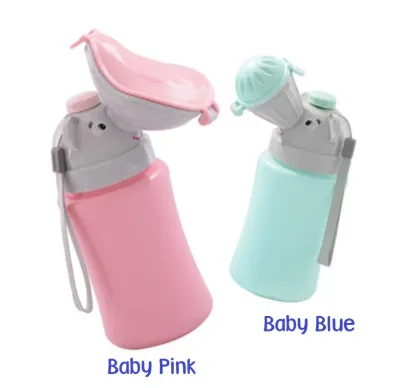
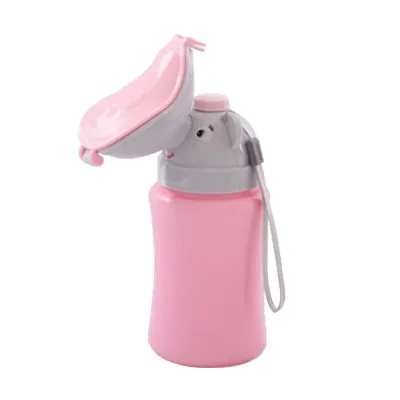
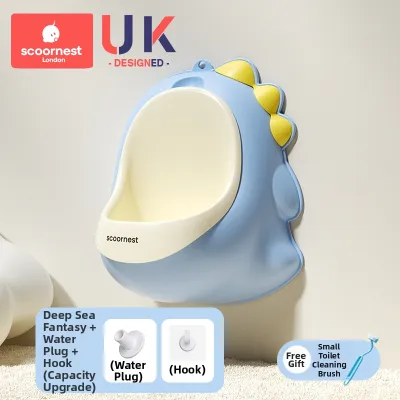

Prices are valid at publication and may change. Please refer to the product page for the latest price.
Anatomical differences and gender-specific preferences also play a role in your selection. While sit-down potties are universal and help all toddlers learn bowel and bladder control simultaneously, stand-up urinals are specifically designed to help young boys transition to standing urination. If your son frequently watches older family members use the restroom, he may show a strong preference for standing. Observing these cues allows you to choose a setup that aligns with his natural curiosity and physical capabilities.
Matching Urinal Designs to Training Progress
Sit-down urinals and low-profile potty chairs are highly suitable for the early stages of training. These designs are ideal for younger toddlers who are just transitioning from diapers, as they offer maximum stability and allow the child’s feet to rest firmly on the floor. Sitting down helps relax the pelvic floor muscles, making it easier for beginners to empty their bladder completely. This style also accommodates both bowel movements and urination, preventing the confusion of switching positions during the initial learning phase.

Stand-up urinals are excellent transitional tools for older toddlers and boys who have mastered basic balance and are ready to practice their aim. Many of these models attach directly to the bathroom wall or the side of a standard toilet using suction cups or adhesive hooks, allowing you to adjust the height as your child grows. Some designs feature a small spinning target inside the bowl, which encourages focus and helps minimize accidental spills. This style is particularly useful for preparing children to use standard public restrooms, where standing is often the norm.
Portable and travel urinals are indispensable for families who are frequently on the go or navigating busy urban environments. These compact, lightweight designs often feature secure, leak-proof seals and ergonomic funnels that allow children to relieve themselves discreetly in public spaces or during long car rides. They are also highly beneficial for children who experience restroom anxiety in unfamiliar public toilets, providing a familiar and hygienic alternative. However, they should be viewed as supportive tools rather than a permanent replacement for a stable home setup.
Funnel-type attachments and toilet trainers offer a direct bridge to the household’s primary toilet. These tools typically rest on or attach to the rim of the adult toilet bowl, directing the flow of urine safely downward without requiring a separate, freestanding unit. They are highly effective for older children who want to feel grown-up but are still intimidated by the height and size of a standard toilet. Using an attachment helps demystify the adult toilet while keeping cleanup simple for caregivers.
Essential Safety and Usability Checks
When evaluating any toddler urinal, stability and slip-resistance must be your top priorities. If you choose a freestanding sit-down model, look for a wide, heavy base equipped with non-slip rubber grips to prevent the unit from sliding or tipping over when your child sits down or stands up. For wall-mounted stand-up urinals, verify that the suction cups or mounting brackets are secure and can withstand accidental tugs. A falling urinal can startle a child and cause a significant setback in their training progress.
Splash guards and ergonomic sizing are equally important for keeping your bathroom clean and comfortable. The urinal’s bowl should be deep enough to contain splashes, and the front guard should be high enough to accommodate your child’s physical proportions. Before purchasing, check the manufacturer’s dimensions and weight recommendations to ensure the product matches your child’s current size. A poorly fitted urinal can lead to frequent spills, increasing your cleaning workload and potentially discouraging your child.
Hygiene and ease of cleaning should guide your choice of materials and construction. Look for urinals with smooth, non-porous surfaces and removable inner bowls that can be easily emptied, rinsed, and sanitized. Avoid designs with deep crevices, complex mechanisms, or hard-to-reach corners where moisture and bacteria can accumulate. Always refer to the manufacturer’s care instructions to identify compatible, child-safe cleaning agents that will not degrade the plastic or irritate your child’s sensitive skin.
Finally, it is vital to recognize when to pause or adjust your approach. If your child shows signs of physical discomfort, extreme frustration, or sudden regression, it may mean the current urinal type is not matching their developmental stage. Forcing a child to use a stand-up urinal before they are physically steady can lead to anxiety and accidents. If training challenges persist or if you suspect an underlying physical issue, pause the training and consult a pediatrician or qualified healthcare professional for personalized guidance.
Frequently Asked Questions (FAQ)
At what age should I introduce a urinal for potty training?
There is no universal chronological age to introduce a urinal, as developmental readiness is far more important than a specific milestone. Most children begin showing interest in potty training between 18 months and three years of age. Rather than focusing on age, look for physical and cognitive indicators, such as the ability to follow simple instructions, stay dry for two hours, and express a desire to use the bathroom. Always follow your child’s individual pace and consult pediatric guidelines if you are unsure about their readiness.
How do I clean and maintain a toddler urinal safely?
To maintain proper hygiene, empty and rinse the urinal bowl immediately after each use. Wash the removable parts daily with warm water and a mild, child-safe soap, ensuring all surfaces are completely dry before reassembling the unit. Avoid using harsh chemical bleach or abrasive scrubbers that can scratch the plastic and create breeding grounds for bacteria. Always check the product label and manufacturer instructions to verify which cleaning agents are safe for the specific materials.
Can a portable urinal replace a regular potty at home?
While portable urinals offer excellent convenience for travel, outdoor excursions, and emergency situations, they are not designed to replace a regular home potty. Travel models often lack the physical stability, comfortable seating, and larger capacity required for consistent daily training. Relying solely on a portable unit at home can make it difficult for your child to establish a stable, long-term bathroom routine. For daily home use, a dedicated sit-down potty or a secure wall-mounted urinal is highly recommended.

Community discussion
Share your experience or ask a question. Comments are reviewed before publication.