
Potty training is a major developmental milestone that represents a transition from infancy to early childhood. While the process requires patience, consistency, and a structured approach, understanding your child’s developmental readiness and establishing a predictable routine can make the transition smooth and positive. By focusing on gradual steps—from introducing the equipment to establishing hygiene habits—caregivers can support their toddlers in gaining independence and confidence in the bathroom.
How to Tell If Your Toddler Is Ready for Potty Training
Many parents wonder when is the right time to transition away from diapers. Age alone is not a reliable indicator, as children develop at different rates. Instead, readiness is determined by physical, cognitive, and behavioral milestones that show your child is physically capable and emotionally prepared to learn.
Physical indicators are often the easiest to observe. A key sign is when your toddler can stay dry for longer periods, such as two hours or more during the day, or wakes up dry after a nap. This indicates that their bladder capacity is increasing and they are developing sphincter control. Additionally, having predictable, regular bowel movements suggests that their digestive system is maturing in a way that supports a structured potty routine.
Products mentioned in this guide
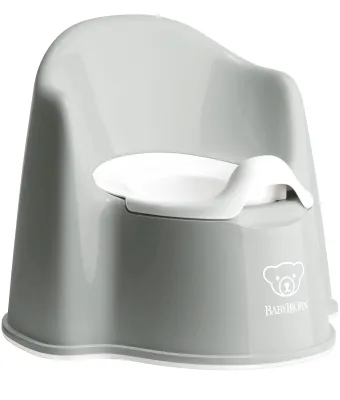
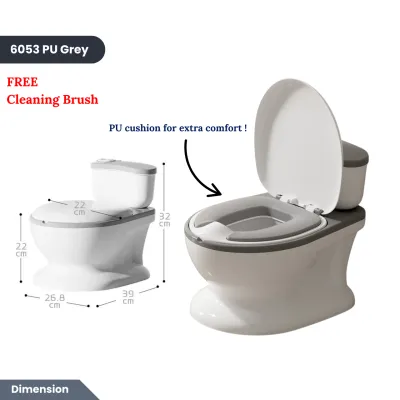
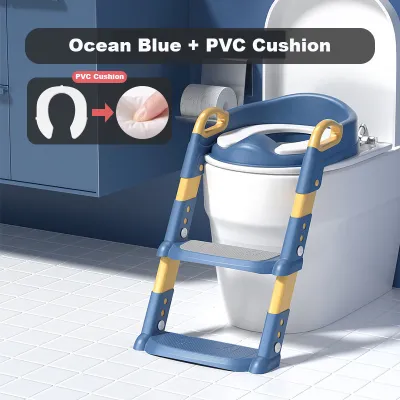
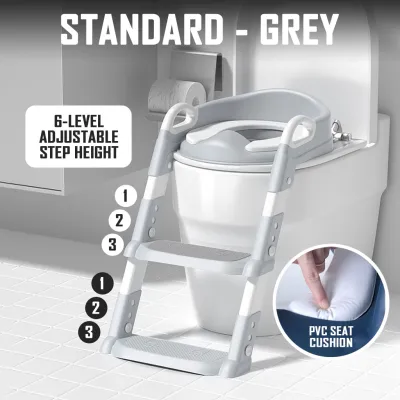
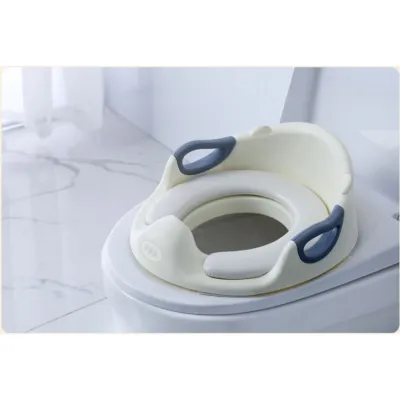
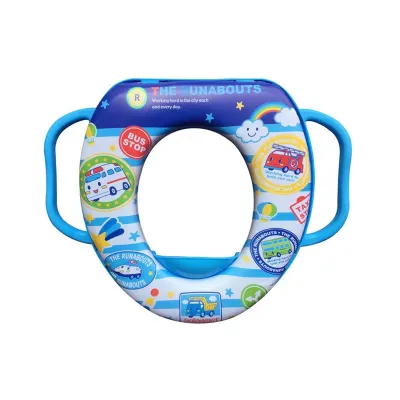


Prices are valid at publication and may change. Please refer to the product page for the latest price.
Cognitive and communication signs are equally critical. Your child needs to understand basic instructions, such as “sit down,” to follow the steps of using the toilet. They should also be able to express their physical needs, either verbally or through clear gestures, before they actually go. If your toddler can tell you that their diaper is wet or dirty, or if they use words like “pee” or “poop” to describe what they are doing, they are demonstrating the necessary cognitive awareness.
Behavioral cues show that your toddler is emotionally ready to engage with the process. You might notice them showing a keen interest in the bathroom, watching family members use the toilet, or trying to imitate adult behaviors. Another common sign is an expressed discomfort with soiled diapers; a child who actively pulls at a wet diaper or asks to be changed immediately is highly motivated to transition to a cleaner alternative.
Setting Up for Success: Gear and Mindset Preparation
Before introducing your child to the potty, it is essential to prepare both your home environment and your own mindset. Having the right equipment on hand and maintaining a calm, patient attitude will prevent unnecessary stress and set a positive tone for the entire journey.

When selecting gear, caregivers generally choose between a standalone potty chair and a toilet seat reducer. A standalone potty chair is low to the ground, making it highly accessible and less intimidating for small children. It allows their feet to rest flat on the floor, which is the optimal physiological position for bowel movements. Alternatively, a toilet seat reducer fits directly onto your existing toilet seat, making it a space-saving option that prepares the child for using standard toilets. If you choose a seat reducer, always pair it with a sturdy step stool so your child can climb up independently and support their feet while sitting. When purchasing any potty training equipment, always verify the recommended age, weight range, and safety warnings in the manufacturer’s documentation to ensure it is suitable for your child’s developmental stage.
The choice of clothing also plays a significant role in the transition. Many families use training pants, pull-ups, or regular cotton underwear. In warm climates, lightweight cotton underwear or breathable training pants are highly practical, as they allow the child to feel the sensation of wetness immediately while being easy to wash and quick to dry. Pull-ups offer convenience and minimize cleanup, but their highly absorbent design can sometimes delay a child’s awareness of accidents because they mimic the dry feel of a standard diaper.
Equally important is preparing your own mindset. Potty training is not a linear process, and accidents are a natural, expected part of learning. Caregivers must approach the transition with immense patience, consistency, and a commitment to avoiding pressure or punishment. Before you begin, ensure that your schedule allows for a consistent routine, and coordinate with other caregivers, such as grandparents or infant care teachers, to ensure everyone uses the same language and approach.
The Core Steps: From First Introduction to Independent Use
Transitioning from diapers to independent toilet use is best achieved through a phased, step-by-step approach. Rather than expecting immediate success, breaking the process down into manageable stages allows your toddler to build confidence gradually. By maintaining a consistent daily routine and offering positive reinforcement, you can help your child master each skill before moving on to the next.
Step 1: Introducing the Potty and Demonstrating Use
The first step is to familiarize your toddler with the potty in a low-pressure environment. Place the potty chair in a visible, easily accessible area, such as the living room or the bathroom. Allow your child to explore it fully clothed, sit on it while reading a book, or decorate it with stickers to build a sense of ownership and comfort.
To help them understand the purpose of the potty, use simple demonstrations. You can use a favorite doll or stuffed animal to show how the potty works, explaining each step in clear, simple language. If you feel comfortable, allowing your child to observe a parent or older sibling using the toilet is one of the most effective ways to model the behavior, as toddlers learn rapidly through imitation.
Step 2: Establishing a Regular Sitting Schedule
Once your child is comfortable with the potty, begin incorporating regular sits into their daily routine. Prompt your toddler to sit on the potty at predictable times when they are naturally more likely to need to go. Excellent times include immediately upon waking, about twenty to thirty minutes after meals, and right before bath time or leaving the house.
Keep these sitting sessions brief, typically lasting no more than three to five minutes. Avoid forcing your child to sit if they resist, as this can create negative associations and power struggles. Focus entirely on the routine of sitting rather than demanding immediate results; if they do not go, simply praise them for trying and let them go back to playing.
Step 3: Transitioning Away from Diapers
When your child is successfully using the potty during scheduled sits, it is time to transition away from daytime diapers. Switch to training pants or regular cotton underwear during their waking hours. This change is crucial because, unlike diapers, underwear does not lock moisture away, allowing the child to feel the immediate physical sensation of wetness when an accident occurs.
During this transition, dress your toddler in easy-to-remove clothing. Avoid complex outfits with buttons, snaps, belts, or overalls, which can cause frustration and lead to accidents when your child is rushing to the bathroom. Elastic-waist shorts or pants are ideal, as they allow your toddler to pull their clothes down independently and quickly.
Step 4: Teaching Hygiene and Cleanup Habits
Potty training is not complete without teaching the essential hygiene habits that accompany toilet use. From the very beginning, integrate proper wiping and handwashing into the routine so they become automatic behaviors.
For girls, it is vital to teach front-to-back wiping to prevent the spread of bacteria and reduce the risk of urinary tract infections. Show your child how to use a manageable amount of toilet paper and fold it properly. Additionally, establish a strict handwashing routine after every single bathroom visit. Teach your child to wet their hands, apply soap, rub their hands together for at least twenty seconds, rinse thoroughly, and dry their hands with a clean towel.
Navigating Accidents and Overcoming Setbacks
Accidents are an inevitable part of the potty training process and should be treated as learning opportunities rather than failures. How you respond to these moments will significantly influence your child’s confidence and willingness to keep trying.
When an accident happens, respond neutrally and calmly. Avoid showing frustration, sighing, or scolding, as this can cause anxiety and lead to withholding behaviors. Instead, use a matter-of-fact tone and say something like, “You had an accident, and that is okay. Next time, let’s try to get the pee in the potty.” Involve your child in the cleanup process in a gentle, non-punitive way, such as having them help carry their wet clothes to the laundry basket or helping wipe the floor. This teaches them the natural consequences of an accident without making them feel ashamed.
Regressions are also common and can occur after weeks of successful potty use. These setbacks are often triggered by external changes or stressors, such as starting a new preschool, the arrival of a new sibling, travel, illness, or changes in the household routine. If a regression occurs, temporarily increase your prompts and return to a more structured sitting schedule.
If your child shows severe resistance, distress, or begins withholding bowel movements, it is usually a sign that they are not quite ready or are feeling too much pressure. In such cases, it is best to pause the training entirely, put them back in diapers or pull-ups, and try again in a few weeks. Forcing the issue can lead to chronic constipation or deep-seated fears of the toilet, which are much harder to resolve. If you notice signs of physical discomfort or severe withholding, consult a qualified healthcare professional.
Moving from Daytime Success to Nighttime Dryness
Achieving daytime potty training does not mean your child will automatically stay dry overnight. It is crucial to understand that nighttime bladder control is a separate physiological milestone that depends on physical development rather than behavioral training.
During sleep, a child’s body must produce enough of an antidiuretic hormone to slow down urine production, and their brain must be mature enough to wake them up when their bladder is full. This developmental process is highly individual and can take months, or even several years, after daytime success is fully established. Because of this, it is completely normal for children to continue wearing pull-ups or overnight diapers to bed long after they are daytime trained.
Signs that your child may be ready for nighttime training include consistently waking up with a dry diaper for several weeks in a row, or waking up during the night to ask to use the toilet. When you decide to make the transition, protect your mattress with a high-quality waterproof mattress protector and keep a spare set of sheets and pajamas nearby for quick middle-of-the-night changes.
To support nighttime dryness, manage your child’s fluid intake in the evening. Ensure they stay well-hydrated throughout the day, but limit large drinks in the hour before bedtime. Always make a pre-bedtime toilet visit a non-negotiable part of their evening routine. If accidents persist, do not hesitate to return to overnight diapers to ensure everyone gets a good night’s sleep, and discuss any ongoing concerns with your pediatrician.
Frequently Asked Questions (FAQ)
How long does it typically take to potty train a toddler?
There is no universal timeline for potty training, as every child is unique. Some toddlers may grasp the concept and become daytime trained in a few weeks, while others may take several months to achieve consistent independence. The duration depends on factors such as your child’s developmental readiness, their temperament, and the consistency of the routine across all caregivers. Patience and a steady, pressure-free approach are key to a successful transition.
What should I do if my toddler refuses to use the potty?
If your toddler refuses to use the potty, avoid entering into a power struggle, as forcing them will only increase their resistance and anxiety. Take a step back and pause the training for a few weeks to let the tension dissipate. When you try again, focus on positive reinforcement, make the bathroom environment fun, and ensure they are not experiencing physical discomfort such as constipation, which can make bowel movements painful and cause toilet avoidance.
Should I use rewards during potty training?
Reward systems, such as sticker charts or small treats, can be effective short-term motivators for some children, but they should be used mindfully. The primary focus should always be on verbal praise, encouragement, and celebrating the natural consequence of feeling clean and independent. If you choose to use tangible rewards, keep them small and immediate, and plan to gradually phase them out as using the potty becomes a natural, everyday habit.
Community discussion
Share your experience or ask a question. Comments are reviewed before publication.