
Selecting the right commercial baby food is a milestone that marks your infant’s transition from an exclusive milk diet to a world of diverse flavors and textures. To choose the most suitable Toppingskids products, you must align your baby’s physical development and nutritional requirements with the specific age recommendations, ingredient profiles, and texture indicators printed on the packaging. Because every infant grows at an individual pace, age labels on baby food should serve as a general guide rather than an absolute rule. Parents must verify that the texture matches their child’s current chewing ability and that the ingredients support their immediate nutritional needs, such as the crucial introduction of iron and zinc around the six-month mark.
Navigating this transition requires a balanced approach that prioritizes safety, nutritional density, and developmental readiness. While commercial options offer convenience and variety, the selection process should always be guided by direct observation of your baby’s feeding skills and consultation with your pediatrician. By understanding how to interpret packaging labels, recognize developmental milestones, and safely introduce new ingredients, you can confidently curate a feeding plan that supports your baby’s growth throughout their first year.
Understanding Your Baby's Feeding Milestones and Nutritional Needs
Before introducing any commercial baby food into your infant’s diet, it is essential to recognize the physical signs that indicate they are developmentally ready for solids. Most pediatric authorities recommend waiting until around six months of age, but physical milestones are far more reliable indicators than the calendar alone. A baby who is ready to transition to solid foods should be able to sit upright with minimal support and maintain good head and neck control. This physical stability is crucial for safe swallowing and reducing the risk of choking.
Products mentioned in this guide
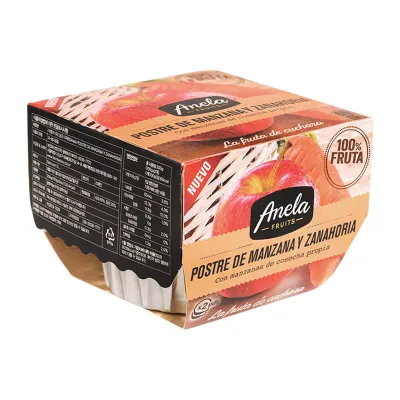
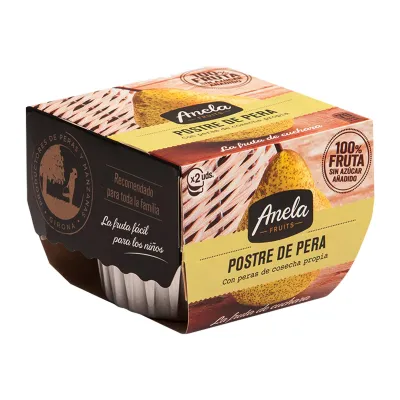
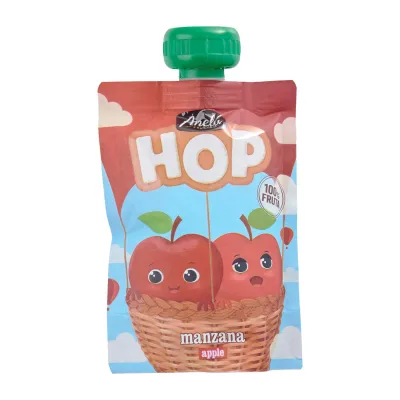
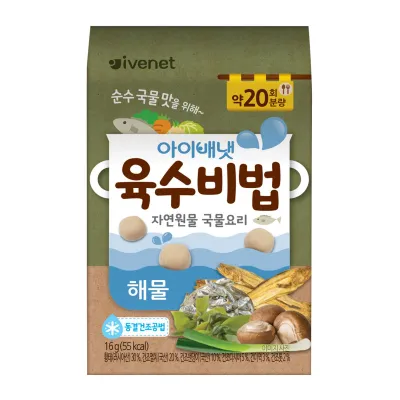
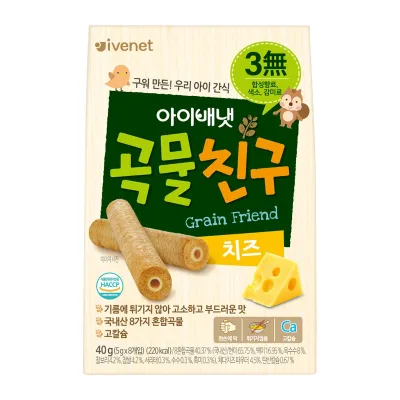
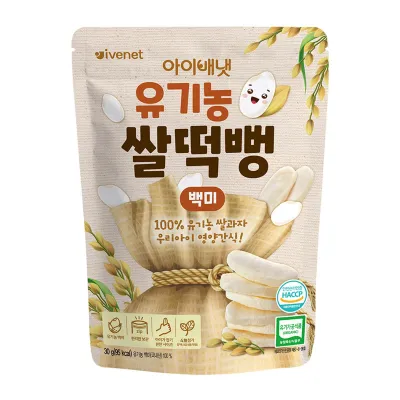
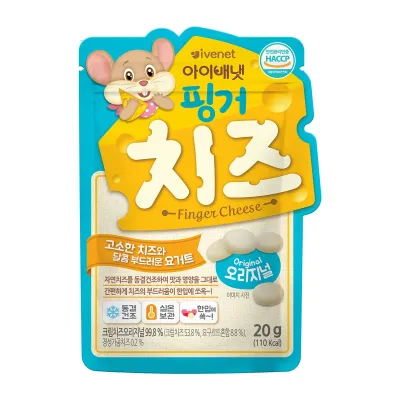
Prices are valid at publication and may change. Please refer to the product page for the latest price.
Another critical developmental milestone is the gradual disappearance of the tongue-thrust reflex. This reflex, which causes young infants to automatically push solid objects out of their mouths with their tongues, naturally protects them from choking during the exclusive milk-feeding stage. When this reflex diminishes, your baby will be able to hold a small amount of puree in their mouth and swallow it safely. Additionally, you may notice your baby showing active interest in your meals, reaching for food, or mimicking chewing motions when watching others eat. Observing these behaviors provides a clear signal that your baby’s digestive system and motor skills are preparing for a more complex diet.
As your baby transitions to solids, their nutritional priorities undergo a significant shift, particularly around the six-month mark. During gestation, babies accumulate natural stores of essential minerals, especially iron and zinc, which support their rapid brain development and immune function. However, by approximately six months of age, these maternal stores begin to deplete, and breast milk or infant formula alone can no longer fully meet their daily requirements. Consequently, the first solid foods introduced should be rich in easily absorbable iron and zinc to prevent deficiencies and support healthy growth.
While general guidelines offer an excellent starting point, every baby’s developmental timeline is unique. This individuality makes regular consultations with your pediatrician or a pediatric dietitian indispensable. Professional guidance is particularly vital for premature infants, who may follow an adjusted developmental timeline, or babies with underlying health conditions, digestive sensitivities, or a family history of severe food allergies. A healthcare professional can help you tailor a feeding schedule that addresses your baby’s specific growth curve and nutritional demands, ensuring that your choice of commercial baby food complements their overall health strategy.
How to Read Toppingskids Labels for Age and Ingredient Safety
When browsing Toppingskids products on online marketplaces or specialized baby boutiques, learning to read and interpret the packaging labels is your primary line of defense for safety and nutrition. Manufacturers design their packaging to communicate essential information, starting with recommended age or stage indicators. These indicators are typically displayed prominently on the front or side of the package, categorizing the food into developmental phases such as “6 months plus” or “Stage 1.” However, parents must remember that these age recommendations are based on average developmental timelines and should always be cross-referenced with their own baby’s demonstrated abilities.

Beyond the age marketing on the front of the package, the ingredient list on the back is the most critical section to inspect. For infants under twelve months, the diet should contain minimal to no added sugars, sodium, or artificial preservatives. Excess sodium can strain an infant’s developing kidneys, while added sugars can contribute to unhealthy weight gain and establish a preference for overly sweet foods early in life. When reviewing Toppingskids labels, look for clean, recognizable ingredient lists where the primary ingredients—such as whole grains, fruits, or vegetables—are listed first, indicating they make up the majority of the product.
Texture is another vital safety dimension that is clearly detailed on high-quality baby food labels. Packaging descriptions will often specify whether a product is a “silky smooth puree,” a “textured mash,” or a “soft solid.” Matching these descriptions to your baby’s current oral motor skills is essential for preventing choking and encouraging proper jaw development. If a label indicates a product contains small, soft chunks, ensure your baby has already mastered swallowing smooth purees and is actively practicing chewing motions before offering it to them.
Because product formulations, manufacturing facilities, and sourcing can change over time, parents should make it a habit to inspect the physical label of every individual package before purchase and consumption. Do not rely solely on online product descriptions or past experiences with the same brand. Checking the physical packaging ensures you have the most up-to-date information regarding ingredients, allergen warnings, and preparation instructions, allowing you to make safe and informed decisions for your baby’s daily meals.
Matching Toppingskids Food Categories to Your Baby's Age Stage
To help parents navigate the product selection process, commercial baby foods can be organized into general categories that align with specific developmental stages. By understanding these stages, you can systematically choose products that match your baby’s growing capabilities.
Stage 1 (Around 6 Months)
At the beginning of the solid food journey, the primary goal is to introduce your baby to the concept of swallowing non-liquid foods and to test their digestive tolerance. For this stage, select single-ingredient products or very simple blends that feature a completely smooth, runny puree texture. Single-ingredient options, such as pureed single grains or individual vegetables, make it much easier to identify the source of any potential digestive upset or allergic reaction. Iron-fortified single-grain cereals or finely strained vegetable purees are excellent starting points, as they provide essential nutrients while remaining gentle on a sensitive, developing stomach.
Stage 2 (Around 7–9 Months)
Once your baby has successfully accepted smooth purees and demonstrated consistent swallowing skills, they are ready to transition to slightly thicker textures and more diverse flavor profiles. During this intermediate stage, look for products that offer a thicker, mashed consistency or contain very fine, soft particles. Introducing blends of multiple fruits, vegetables, and grains helps expand your baby’s palate and encourages them to accept a wider variety of tastes. This stage is also an ideal time to introduce natural, savory flavors and mild herbs, helping to prevent picky eating habits from forming later on.
Stage 3 (Around 10–12 Months)
As your baby approaches their first birthday, their oral motor skills will have advanced significantly, and they will likely begin showing an interest in self-feeding. For this stage, choose products that feature chunkier textures, soft finger foods, or complex meals that require active chewing. These textures are crucial for stimulating jaw muscle development and preparing your baby for family meals. Look for options that contain small, easily mashable pieces of vegetables, fruits, or grains that your baby can safely grasp between their thumb and forefinger, promoting fine motor skill development alongside nutrition.
Regardless of which stage your baby is currently transitioning through, always cross-reference these general guidelines with the specific age labels, preparation instructions, and safety warnings printed on the Toppingskids packaging. If a product requires specific preparation, such as mixing with warm liquid or serving immediately after opening, follow these instructions precisely to ensure the food remains safe and easy for your baby to consume.
Navigating Allergens and Dietary Restrictions Safely
Introducing potential food allergens is one of the most anxiety-inducing aspects of starting solids for many parents. Modern pediatric guidelines suggest that introducing common allergens early in the weaning process, around six months of age, may help reduce the risk of developing food allergies. However, this introduction must be done systematically and safely. The standard protocol involves introducing only one potential allergen at a time, in very small quantities, while keeping all other elements of your baby’s diet constant.
When introducing a new allergen, monitor your baby closely for several days before introducing any other new food. This “wait-and-see” period allows you to clearly identify the culprit if an adverse reaction occurs. When using commercial baby foods, carefully read the allergen statements on the packaging. Look for bolded ingredients in the ingredient list, which typically highlight common allergens such as wheat, soy, dairy, eggs, peanuts, or tree nuts. Additionally, pay close attention to “may contain” or “manufactured in a facility that processes” warnings, which indicate a potential risk of cross-contamination during production.
If you suspect your baby is experiencing an allergic reaction or food intolerance, it is vital to know how to respond. Mild symptoms may include a localized rash, hives around the mouth, or mild tummy discomfort. More severe reactions can include swelling of the face, lips, or tongue, vomiting, wheezing, or difficulty breathing. If you observe any mild symptoms, pause feeding the suspected food immediately and consult your pediatrician for guidance. In the event of severe symptoms, seek emergency medical care immediately. Never attempt to reintroduce a suspected allergen without professional medical supervision.
Frequently Asked Questions (FAQ)
Can I mix Toppingskids products with breast milk or formula?
Yes, mixing commercial baby food powders or purees with breast milk or infant formula is a highly effective way to adjust the food’s consistency and make it more familiar to your baby. For younger infants who are just starting solids, thinning a thick puree or grain powder with breast milk or formula can make swallowing much easier and reduce the risk of gagging. Always check the specific preparation instructions on the Toppingskids packaging to ensure the product is compatible with liquid mixing, and never use leftover mixed portions for a subsequent feeding, as bacteria from your baby’s saliva can multiply quickly.
How should I store opened Toppingskids baby food?
Once a package of commercial baby food has been opened, proper storage is essential to prevent bacterial growth and maintain nutritional quality. Most opened purees or prepared foods should be covered tightly, stored in the refrigerator, and consumed within twenty-four to forty-eight hours, depending on the manufacturer’s specific instructions. To maintain strict hygiene, never feed your baby directly from the storage container if you plan to save a portion for later; double-dipping a used spoon introduces saliva and bacteria into the food, causing it to spoil rapidly. Instead, spoon a small portion into a separate clean bowl and refrigerate the remaining untouched food immediately.
Are Toppingskids products suitable for babies with specific food intolerances?
To determine if a specific Toppingskids product is suitable for a baby with known food intolerances, parents must carefully read the complete ingredient list and allergen warnings on the physical packaging of every item before purchase. Because formulations can vary between product lines, do not assume that all products from the same brand are free from specific ingredients like gluten, dairy, or soy. If your baby has a diagnosed food intolerance or a complex dietary restriction, always consult a pediatric dietitian or pediatrician to develop a safe, structured feeding plan and to verify which commercial products align with their medical needs.

Community discussion
Share your experience or ask a question. Comments are reviewed before publication.