
Choosing the right Tommee Tippee straw cup depends on matching your child’s physical coordination, grip strength, and weaning progress with the specific design features of each cup model. Instead of relying solely on age labels, parents should evaluate whether their baby is a beginner learning the mechanics of straw drinking or an active toddler who requires a larger, insulated container for on-the-go hydration. By observing how your child handles cups and verifying the manufacturer’s guidelines on the packaging, you can select a model that supports their developmental milestones while minimizing spills.
Identify Your Baby's Current Drinking Milestones
Transitioning from breast or bottle feeding to a straw cup is a significant developmental step that requires complex physical coordination. Before selecting a cup, observe how your baby interacts with objects during mealtime. A baby who is ready to start learning how to use a straw typically shows interest in your cups, can sit upright independently, and has developed the motor skills to grasp and bring objects to their mouth.
For babies who are just beginning this transition, the mechanics of sucking through a straw can be challenging. Unlike a bottle or breast, where a baby uses a natural suckling reflex, a straw requires them to seal their lips around the silicone and draw liquid upward using active suction. If your child is still mastering this oral motor skill, they will benefit from a cup designed specifically for beginners, which often features a shorter straw and a highly responsive valve.
Products mentioned in this guide
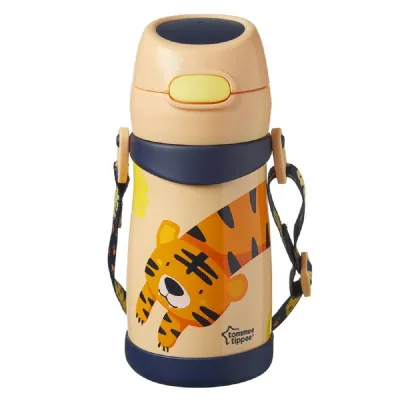
Prices are valid at publication and may change. Please refer to the product page for the latest price.
Physical grip strength and hand-eye coordination also play a critical role in cup selection. Younger babies who are around six months old are still developing their fine motor skills and often rely on two hands to stabilize a cup. If your baby struggles to hold heavier objects or frequently drops their toys, they will need a lightweight cup with prominent, easy-to-grip handles.
As toddlers grow, their drinking habits become more confident and efficient. A child who has mastered the straw will drink quickly and may become frustrated by slow-flowing valves. You can recognize this transition when your toddler easily lifts heavier items with one hand, drinks without spilling, and actively demands larger volumes of water or milk during meals and outdoor play in our warm tropical climate.
Caregivers should also monitor how well a child manages the flow of liquid. If a baby frequently coughs or lets liquid dribble out of their mouth while drinking, the flow rate may be too fast for their current swallowing coordination. Observing these subtle physical cues helps you determine whether to continue with a highly controlled beginner cup or transition to a free-flow model.
Compare Key Design Features Across Straw Cup Models
Understanding the structural differences between various straw cup designs allows you to choose a model that aligns with your daily routine and your child’s current abilities. The primary functional difference lies in the straw mechanism itself. Many beginner models utilize a specialized bite-valve design, which requires the child to apply slight pressure with their lips or teeth to open the pathway for liquid. This mechanism is highly effective at preventing accidental spills when the cup is dropped or turned upside down, making it ideal for early learning stages.

In contrast, free-flow straws do not require any biting action to activate. Liquid flows immediately when suction is applied, which provides a faster and more natural drinking experience for older toddlers. While free-flow designs are excellent for encouraging rapid hydration, they do carry a higher risk of leaking if the cup is left lying on its side or shaken vigorously by an energetic child.
The material and capacity of the cup body are also key variables to evaluate. Standard single-wall plastic cups are lightweight and easy for small hands to lift, but they do not offer temperature control. Insulated double-wall models are designed to keep liquids cool for extended periods, which is particularly beneficial during outdoor trips to local parks or playgrounds. These insulated options are typically heavier and have larger capacities, making them better suited for older toddlers who require more fluids throughout the day.
Ergonomic features vary significantly across the product range to support different stages of physical development. Some models incorporate removable, easy-grip handles that allow young babies to hold the cup securely with both hands. Other designs feature contoured, textured bodies that fit comfortably into a toddler’s single-handed grip once the handles are no longer necessary. Additionally, weighted straw bases are common in beginner cups, ensuring the bottom of the straw remains submerged in liquid even when the cup is tilted at an angle.
Lid designs also play a role in maintaining hygiene and preventing leaks during travel. Many models feature a flip-top or twist-to-close lid that tucks the silicone straw away when the cup is not in use. This mechanism not only protects the drinking surface from dirt and germs but also pinches the straw to create an extra barrier against leaks when packed inside a diaper bag.
Match Cup Features to Your Child's Developmental Stage
To make an informed decision, you can use a conditional framework that matches specific cup features to your child’s current weaning stage. If your baby is a beginner who is just transitioning from bottles or breastfeeds, prioritize a model that features a bite-valve straw and integrated handles. The handles provide the physical support needed for weak grips, while the bite valve prevents frustrating spills during the inevitable drops and tosses that occur during early learning.
As your child transitions into a confident drinker, their needs shift toward efficiency and volume. For a toddler who has mastered the basic mechanics of straw drinking and no longer drops their cup constantly, look for a larger-capacity model with a free-flow straw. Removing the restriction of a bite valve allows the child to drink larger quantities of water quickly, supporting their growing hydration needs during active play.
For active toddlers who spend a significant amount of time outdoors, an insulated, highly leak-proof design is the most practical choice. These cups help maintain a cool temperature for water or milk during warm days, encouraging your child to stay hydrated. Look for models that feature a click-lock or flip-top lid that seals the straw away when not in use, protecting the drinking surface from dirt and preventing leaks inside your diaper bag.
While developmental milestones are the most reliable guide, you must always verify the manufacturer’s specific age and weight recommendations printed on the product packaging before making a final purchase. These guidelines are established based on safety testing and material standards. If your child’s physical abilities do not align with the age range printed on the box, prioritize their actual developmental readiness and safety over the chronological age suggestion.
Caregivers should also consider the environment where the cup will be used most frequently. A cup intended primarily for supervised use at the highchair can prioritize ease of flow and simple cleaning over heavy-duty insulation. Conversely, a cup meant for car travel or stroller rides requires robust spill-proofing and a secure lid closure to prevent messy cleanups on the go.
Verify Safety, Care, and Manufacturer Guidelines
Ensuring the safety and hygiene of your child’s straw cup requires regular inspection and proper maintenance. Before every use, perform a thorough visual and tactile check of all silicone components, including the straw, bite valve, and internal seals. Look closely for any signs of wear, tears, stretching, or deep bite marks caused by teething toddlers. Damaged silicone parts can pose a choking hazard or lead to persistent leaks, and they should be replaced immediately.
Cleaning straw cups thoroughly is essential to prevent the buildup of mold and bacteria in hard-to-reach areas. Always disassemble the cup completely, separating the lid, straw, valve, and collar before washing. Follow the manufacturer’s specific instructions regarding sterilization, as some materials may not be compatible with high-temperature steam sterilizers or boiling water. Use a dedicated, slim straw brush to clean the interior of the straw tube, and allow all parts to dry completely in a well-ventilated area before reassembling.
Be mindful of the types of liquids you place in the straw cup. Warm liquids, carbonated beverages, or formula can create pressure inside the sealed cup body, causing liquid to spray or leak out of the straw unexpectedly. If you observe any persistent leaking, structural warping of the plastic, or if the silicone parts show signs of stickiness or discoloration that cannot be cleaned, discontinue use of the cup or the affected parts immediately and consult the manufacturer’s customer service for guidance.
Supervision is a critical component of safe cup use, especially during the early stages of weaning. Never allow your child to walk or run while holding a straw cup, as accidental falls can cause oral injuries. Ensure that you are always present to monitor their drinking habits and to verify that they are using the cup as intended by the manufacturer.
Frequently Asked Questions (FAQ)
Can I remove the valve to make the straw free-flow?
Whether you can remove the valve depends entirely on the specific model of your Tommee Tippee straw cup. You must check the manufacturer’s instructions for your exact model, as some valves are permanently integrated into the silicone straw assembly, while others are separate components. If the model does allow for valve removal, keep in mind that doing so will significantly increase the risk of spills and leaks when the cup is tipped, shaken, or dropped by your child.
How often should I replace the straw or valve?
It is recommended to perform regular visual and tactile checks on all wearable silicone parts rather than relying solely on a fixed timeline. If your child is teething and frequently bites the straw, these components will wear out much faster. As a general guideline, inspect the parts weekly and discard them immediately if you notice any tearing, thinning, or persistent discoloration. Always use official replacement parts designed specifically for your cup model to ensure a proper fit and maintain leak-proof performance.

Community discussion
Share your experience or ask a question. Comments are reviewed before publication.