
Choosing the right kids cup is not just about matching a product to your child’s age; it is about aligning the cup’s design with their rapidly developing motor skills and oral anatomy. Moving away from a bottle or breast requires a completely different muscle coordination pattern. While traditional spouts were once the default transition step, modern pediatric dental and speech development research highlights several cup styles—including straw, 360-degree, and open cups—that support healthier oral resting postures and jaw strength. Identifying your child’s developmental milestones will help you select the most supportive cup for their feeding journey.
Observable Signs Your Child Is Ready for a Training Cup
Before introducing any training cup, look for specific physical milestones that indicate your child can safely manage liquids from a new source. The most critical prerequisite is the ability to sit up unassisted with stable trunk control. Core stability directly influences swallowing safety; a child who cannot support their own torso will struggle to coordinate the complex reflex of tilting their head and swallowing liquid safely without choking.
Fine motor development and hand-eye coordination provide the next set of clues. Watch to see if your child can reach for objects with purpose, grasp toys with both hands, and bring their hands accurately to their mouth. If your baby consistently reaches for your glass during family meals or tries to mimic your drinking movements, they are showing the cognitive interest and physical coordination necessary to begin training.
Products mentioned in this guide
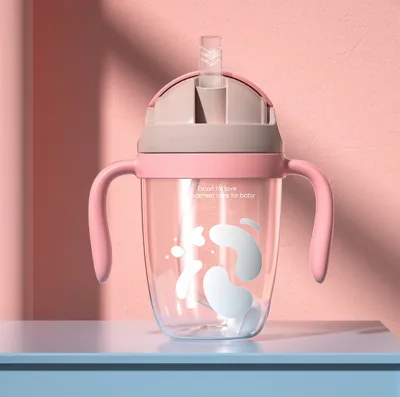
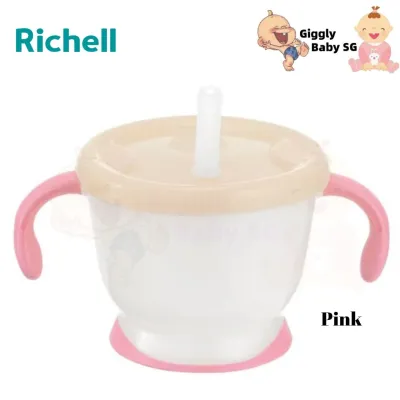

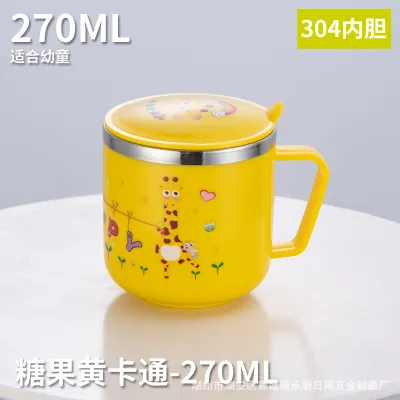
![[SG] Kids milk cup with straw&Water cup with straw&scale cup with straw](https://img.lazcdn.com/g/ff/kf/Scaa745f9ad6b4729a05ed79130017d58q.jpg_400x400q80.jpg_.webp)
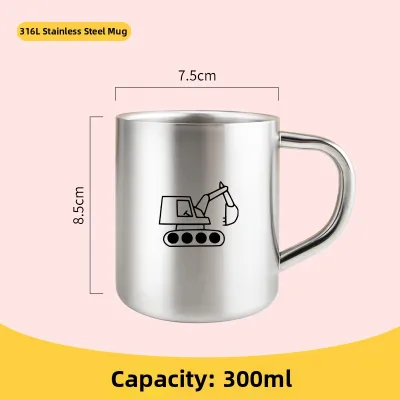
Prices are valid at publication and may change. Please refer to the product page for the latest price.
Teething also plays a significant role in how a child interacts with new feeding tools. The emergence of primary teeth changes the sensory landscape of a child’s mouth, often making them eager to bite down on different textures. Some teething babies find comfort in chewing on soft silicone spouts or straws, while others may temporarily reject firm rims due to gum sensitivity. Observing how your child responds to different textures during play can guide your initial cup selection.
Finally, pay attention to behavioral cues during regular milk feeds. If your child begins showing a decreased interest in bottle feeds, pushes the bottle away before finishing, or simply bites and plays with the silicone nipple rather than sucking, they may be ready for a change. These behaviors suggest that the sucking reflex is naturally maturing, making it the perfect window to introduce a training cup.
Matching Kids Cup Types to Motor Skills and Milestones
Transitioning from a bottle to a kids cup involves moving from an infantile suckling reflex—where the tongue moves forward and backward—to a mature swallow, which requires the tongue tip to elevate to the roof of the mouth. Introducing a cup that demands too much coordination too early can lead to frustration and cup rejection, while waiting too long can delay oral motor development. By matching the physical design of the cup to your child’s current motor skills, you can make this transition a positive, natural progression.

Sippy Cups (Spout)
Sippy cups featuring a raised spout require basic manual grasping and wrist stability. To drink from a traditional spout, a child must be able to hold the cup with one or both hands, lift it to their mouth, and tilt their wrist and head backward to make the liquid flow. This tilting action is a key motor milestone that prepares infants for more advanced drinking styles.
This cup type is often introduced around six months of age, coinciding with the start of solid foods, though motor readiness should always take precedence over age guidelines. The spout design helps beginners by restricting the flow of liquid, which prevents them from being overwhelmed by a sudden rush of water or milk. Many models feature handles to help tiny hands secure a firm grip.
Despite their popularity, pediatric dentists and speech-language pathologists generally advise using spouted cups only as a temporary stepping stone. Because the spout rests on the tongue, it forces the tongue to remain low and forward in the mouth, maintaining the same immature sucking pattern used with bottles. Prolonged use can delay the development of mature swallowing mechanics and potentially affect palate shape, so it is best to transition to other cup styles relatively quickly.
Straw Cups
Drinking from a straw requires a child to form a tight lip seal around the straw, activate their cheek muscles, and generate negative pressure to pull liquid upward. This action must be closely coordinated with swallowing and breathing, requiring a higher level of motor planning than a simple spout cup. The child must also learn to sip without biting down completely on the silicone.
Straw cups offer exceptional benefits for oral motor development. The act of sucking liquid through a straw strengthens the jaw, promotes tongue retraction (pulling the tongue back into the mouth), and builds lip strength. These muscle groups are directly involved in speech development, helping children produce clear speech sounds as they grow.
For active toddlers, straw cups with spill-prevention features are incredibly practical. Many designs incorporate weighted straws that bend and follow the liquid, allowing your child to drink successfully even if they tilt the cup. Secure flip-top lids protect the straw from dirt and prevent leaks, making these cups excellent companions for family outings.
Most children are developmentally ready to try a straw cup between 9 and 12 months of age. At this stage, their oral coordination is advanced enough to manage the suction required, especially if they have already practiced sipping small amounts of purees or water during early weaning.
360-Degree Training Cups
A 360-degree training cup features a round rim with a central silicone valve that seals the liquid inside. To drink, the child must place their lips on the outer edge and apply gentle pressure with their upper lip or tongue while tilting the cup. This biting and pressing action releases the liquid, allowing it to flow over the rim just like a standard open cup.
This design is highly recommended by dental professionals because it supports optimal oral health. Because there is no spout or straw protruding into the mouth, the tongue can rest in its natural, healthy position against the roof of the mouth. This helps prevent the dental alignment issues and palate narrowing sometimes associated with prolonged bottle or spout use.
Learning to use a 360-degree valve can take some time, as the coordination of lip pressure, tilting, and sucking is unique. Parents can support this learning process by gently pressing the valve with a finger to show the child that water comes out, or by demonstrating the lip-pressing motion. Once the child understands the mechanism, it builds excellent lip strength and control.
Positioned as a bridge cup, the 360-degree design is ideal for toddlers around 12 months and older. It allows them to practice the exact physical motion of rim-drinking without the inevitable spills and messes that come with a completely open container.
Open Cups
Drinking from an open cup is the ultimate milestone in independent feeding. It requires highly advanced motor control, including a steady two-handed grip, precise visual-spatial judgment to tilt the cup without dumping the contents, and the ability to control the flow of liquid using only lip pressure and jaw stability.
To make this challenging transition easier, start by placing very small amounts of liquid—no more than 30 to 60 milliliters—into a small, lightweight cup designed for tiny hands. A smaller cup is much easier for a toddler to balance and lift, and limiting the liquid keeps the inevitable spills manageable.
Caregiver supervision and active modeling are essential when introducing an open cup. Sit with your child during meals and let them watch you drink from your own glass, exaggerating your slow movements so they can see how you place the rim against your lower lip before tilting. Offer gentle physical guidance by placing your hand over theirs to help them guide the cup to their mouth and back down to the table.
Mastering an open cup is a gradual process that typically begins around 12 months and continues well past 24 months. Expect plenty of spills along the way; treating open-cup practice as a fun, low-pressure skill-building activity will help your child build confidence over time.
Strategies for a Smooth Transition Between Cup Types
To make the transition between cup types as low-stress as possible, introduce new cups filled only with water first. Offering a new cup during relaxed, non-mealtime moments—such as outdoor play or bath time—takes the pressure off nutrition and turns learning into a game. If water spills on the grass or in the tub, there is no sticky mess to clean up, allowing both you and your child to stay relaxed.
Children learn rapidly through imitation, so modeling is one of your most powerful tools. Use a duplicate cup to show your child how to drink, making sure they can see your mouth and lips clearly. You can make exaggerated swallowing sounds or smile after taking a sip to show them that using the new cup is a positive, rewarding experience.
If your child resists a new cup, simple troubleshooting techniques can bridge the gap. For a child struggling to understand a straw, try the “pipette method”: dip a reusable straw into water, place your finger over the top to hold the liquid inside, place the bottom of the straw in your child’s mouth, and release your finger so they get an immediate taste. For a 360-degree cup, try removing the silicone valve temporarily so they can see and taste the water inside, then reattach it once they understand where the liquid comes from.
It is entirely normal for children to experience temporary regression, especially during times of teething, illness, or major routine changes. If your toddler suddenly refuses their new cup and demands a bottle or an older cup style, step back temporarily and try again in a week or two. Forcing a transition can lead to power struggles and oral aversion, so prioritize patience and let your child’s natural curiosity guide the timeline.
Essential Safety, Cleaning, and Maintenance Checks
Maintaining strict hygiene is vital when caring for kids cups. Always completely disassemble the cup after every use, removing all silicone valves, straws, gaskets, and plastic collars. In Singapore’s warm and humid tropical climate, moisture trapped inside tiny crevices can lead to rapid mold and bacterial growth, which can pose health risks to your child. Scrub all individual parts thoroughly using warm, soapy water and specialized, narrow straw brushes.
Regularly perform a visual and tactile inspection of all cup components. Check silicone spouts, straws, and valves for deep bite marks, tears, or stretching. Toddlers often chew on these parts, and damaged silicone can easily tear off during use, creating a serious choking hazard. If you notice any structural damage, discard and replace the affected part immediately.
Before purchasing or using a cup, verify the material safety labels printed directly on the product packaging. Ensure the cup is certified BPA-free and made from food-grade silicone or high-quality, impact-resistant plastics. Always follow the manufacturer’s care instructions regarding dishwasher safety and sterilization temperatures, as exposing certain plastics to excessive heat can cause them to warp or degrade.
If your child consistently struggles with cup transitions—such as coughing frequently while drinking, showing signs of oral aversion, or exhibiting delayed swallowing mechanics—stop using the cup and consult your pediatrician, pediatric dentist, or a qualified speech-language pathologist. These professionals can evaluate your child’s oral motor development and provide tailored guidance to ensure safe, comfortable feeding.
Frequently Asked Questions (FAQ)
Can I skip the sippy cup and go straight to a straw or 360 cup?
Yes, you can absolutely skip the traditional spouted sippy cup. Many pediatric dentists and speech-language pathologists actively recommend bypassing spout cups entirely to promote healthier oral motor habits. Transitioning directly from a bottle or breast to a straw cup or a 360-degree cup encourages proper tongue retraction and active lip sealing from the start. You can make this direct transition as soon as your child displays stable sitting posture and shows interest in self-feeding.
How do I effectively clean straw and valve mechanisms to prevent mold?
To prevent mold growth in hard-to-reach areas, use narrow pipe cleaners or specialized micro-brushes to scrub the entire length of straws and the inside of valve slits. Wash all parts in warm, soapy water, ensuring you flush water directly through the valves. Refer to the manufacturer’s instructions to see if the parts are compatible with steam sterilizers or top-rack dishwashing. Always allow every component to air-dry completely on a clean, well-ventilated rack before reassembling the cup.
When should my child completely stop using a sippy cup?
Pediatric and dental professionals generally recommend phasing out traditional hard-spout sippy cups by 12 to 15 months of age. Prolonged use of these spouts can reinforce immature swallowing patterns, potentially impacting dental alignment and palate development. If your child is still using a spouted cup past their first birthday, begin introducing 360-degree cups or open cups during meals to gradually replace the spout cup.
Community discussion
Share your experience or ask a question. Comments are reviewed before publication.