
Choosing the right toilet seat cover—often called a potty training seat or reducer—is a pivotal step in helping your child transition from diapers to the family toilet. The best option depends on your child’s physical development, confidence level, and your bathroom’s layout. While some toddlers thrive with a highly stable step-stool combo seat that allows them to climb up independently, others do better with a padded reducer seat that features secure handles for extra reassurance. By matching the seat’s design to your child’s specific needs and verifying the manufacturer’s safety specifications, you can create a secure, comfortable environment that encourages independent bathroom habits.
Identifying Your Child's Readiness and Bathroom Setup
Before purchasing a potty training seat cover, assess whether your child is physically ready to use one. Look for observable signs of physical readiness, such as the ability to walk steadily, climb stairs with minimal assistance, and maintain balance while sitting upright. Good core strength and motor skills are necessary because sitting on an elevated toilet seat requires more balance than using a low-profile, standalone potty chair. If your child can easily sit down and stand up from a low chair independently, they likely have the physical coordination required to transition to a toilet seat reducer.
Your bathroom’s physical layout and dimensions also play a critical role in determining the most suitable seat type. In many Singapore apartments and homes, bathroom floor space can be compact, making it necessary to measure the available area around the toilet bowl. Measure the height of your toilet bowl from the floor to the rim to ensure any step-stool attachment or separate step stool will align correctly. Additionally, check the shape of your toilet bowl—whether it is round, oval, or elongated—as this directly affects how securely a reducer seat will fit. A poorly matched seat can wobble, which may startle your child and set back their training progress.
Products mentioned in this guide
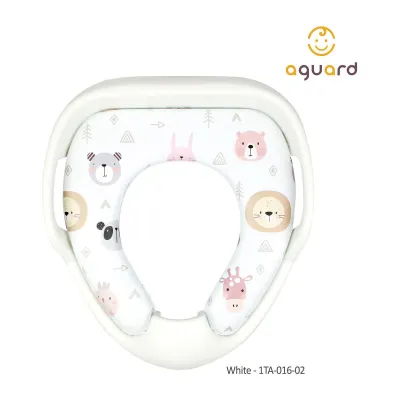
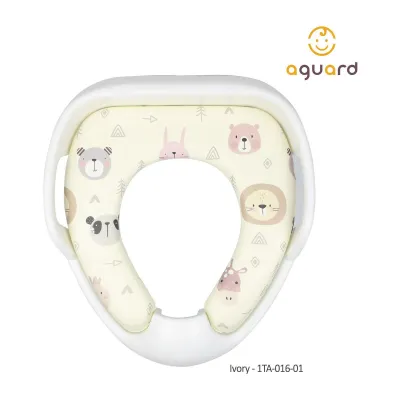
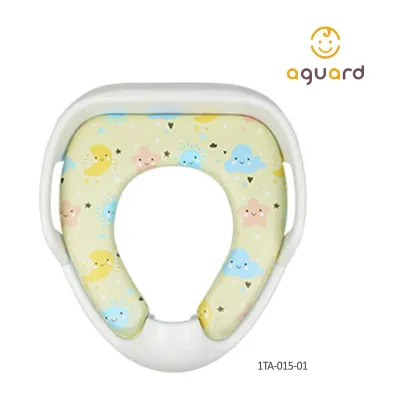
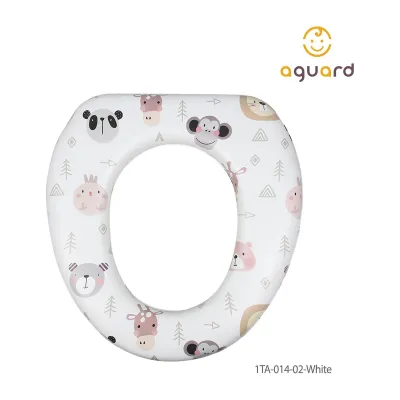
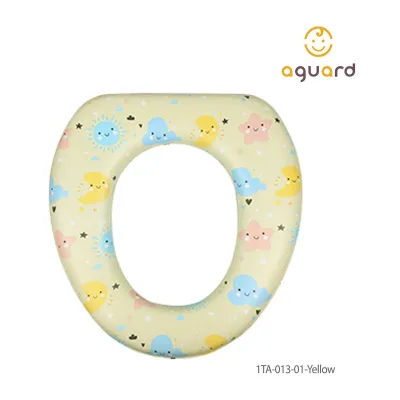
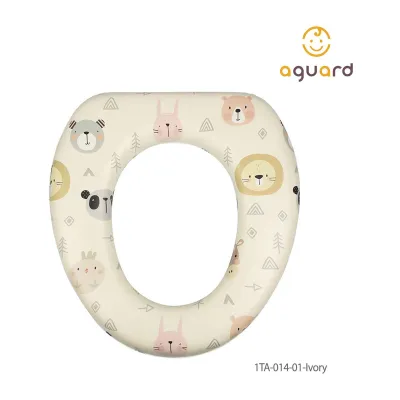
![Nature Love Mere [Nature Love Mere] Full Silicone Portable Potty Cover - Grey](https://img.lazcdn.com/g/p/dbad6ddff399288a3332c9183df337c7.jpg_400x400q80.jpg_.webp)
Prices are valid at publication and may change. Please refer to the product page for the latest price.
Finally, consider your child’s current level of independence and emotional readiness. Some children are eager to do everything themselves and will benefit from a setup that allows them to climb up and turn around without constant physical assistance. Other children may feel anxious about the height of the adult toilet or the sound of flushing water. For these children, a seat that offers maximum physical support, such as high backrests and sturdy hand grips, can provide the emotional security they need to feel safe. Matching the equipment to both your physical space and your child’s temperament ensures a smoother, less stressful transition.
Comparing the Main Types of Potty Training Seat Covers
Potty training seat covers generally fall into three primary categories, each designed to address different stages of development, bathroom configurations, and family routines. Understanding the distinct design features, benefits, and limitations of each type allows you to select a model that fits seamlessly into your home.

Padded Reducer Seats with Handles
Padded reducer seats with handles sit directly on top of your existing adult toilet seat, reducing the size of the opening so your child does not feel like they might slip through. These seats typically feature a rigid plastic frame covered by a soft, foam-filled cushion wrapped in a waterproof vinyl layer. A key design feature of these seats is the inclusion of built-in handles on either side, which give toddlers a secure place to grip while balancing. Many models also incorporate an integrated splash guard at the front, which is particularly useful for keeping urine directed downward into the bowl.
This type of seat is highly beneficial during the early stages of potty training when children are still developing their balance and may feel intimidated by the large opening of an adult toilet. The handles provide physical reassurance, allowing the child to stabilize themselves during bowel movements. However, parents must consider the storage and cleaning requirements of these multi-material seats. Because they consist of both rigid plastic and soft padded elements, urine can sometimes seep into the seams between the cushion and the frame. Regular disassembly and thorough cleaning are required to maintain hygiene, and you must have a designated hook or storage spot near the toilet to keep the seat off the floor when adult family members need to use the restroom.
Foam or Soft Cushion Insert Covers
Foam or soft cushion insert covers are lightweight, single-piece seats made from dense, flexible foam materials like polyurethane or ethylene-vinyl acetate (EVA). Unlike padded seats that have separate plastic frames, these inserts are molded as a single continuous piece, which eliminates seams where dirt and moisture can accumulate. This seamless construction makes them exceptionally easy to clean, as they can be wiped down or rinsed under a tap in seconds. Their lightweight nature also makes them highly portable, allowing families to pack them easily for travel or visits to relatives’ homes.
When choosing a foam insert, perform fit and stability checks on your specific toilet bowl shape. Because these seats lack a rigid plastic base, they rely entirely on the friction and contour of your existing toilet seat to stay in place. On some elongated or unusually shaped toilet seats, a soft foam insert may slide or shift when the child shifts their weight. Furthermore, these inserts offer limited structural support compared to rigid plastic models. If your child tends to lean heavily to one side or requires significant physical support to sit upright, a soft foam insert may compress unevenly, potentially causing the child to lose their balance.
Step-Stool Combo Seats
Step-stool combo seats are integrated units that combine a toddler-sized reducer seat with an attached ladder and step platform. This design allows children to climb up to the toilet, turn around, and sit down completely independently, mimicking the way adults use the restroom. Many of these combo units feature a folding mechanism, allowing the entire structure to be collapsed and leaned against the wall when not in use. This is a highly practical feature for shared family bathrooms, though parents should verify that they have enough floor space in front of the toilet to accommodate the ladder when it is fully extended.
Before purchasing a step-stool combo, always check the product label for weight limits and anti-slip base specifications. The feet of the ladder must grip the bathroom floor securely to prevent the unit from sliding backward as the child climbs. Look for models with wide, textured steps and robust handrails that your child can easily grasp. As your child grows and their legs become long enough to reach the floor or a standard step stool, you can transition away from the bulky combo unit to a simple reducer seat or a standard adult toilet seat, freeing up valuable bathroom space.
Essential Safety and Comfort Features to Verify
When shopping for a potty training seat cover, safety and stability should be your primary concerns. Always check the manufacturer’s product label and specifications to verify that the seat includes robust non-slip pads or rubberized grips on the underside. These grips prevent the reducer from sliding across the smooth porcelain or plastic surface of the adult toilet seat. If you are opting for a model with adjustable locking mechanisms or clips, ensure they can be tightened securely to match the thickness of your toilet seat. Never rely on a seat that wobbles or slides, as even a minor slip can frighten a child and cause them to refuse to use the toilet.
Hygiene maintenance is another critical factor to evaluate before making a decision. Examine the seat’s construction for seamless joints, smooth surfaces, and removable parts. Seats with complex crevices, deep grooves, or non-removable fabric elements can trap moisture and bacteria, leading to unpleasant odors and hygiene issues over time. If you choose a padded seat, verify that the cushion can be easily detached from the plastic frame for deep cleaning. For step-stool combos, check if the steps and handrails can be wiped down quickly with standard household disinfectants without degrading the material.
Finally, carefully inspect the dimensions of the seat opening. The opening must be small enough to support your child’s hips comfortably, preventing them from slipping through or feeling unstable, yet large enough to allow waste to fall freely into the bowl. Check that the edges of the opening are smooth and rounded to prevent pinching your child’s delicate skin. If the seat features a splash guard, ensure it is made of a flexible or rounded material that does not pose an injury risk if the child slides forward while mounting or dismounting the seat.
Setting Up and Using the Seat Safely
Proper installation and pre-use checks are vital to ensuring your child’s safety during potty training. Before every use, perform a quick stability check by pressing down on the reducer seat to confirm it is seated flat and securely on the toilet bowl. If you are using a step-stool combo, ensure the ladder legs are fully extended and resting flat on a dry floor. Wet bathroom tiles can significantly reduce the effectiveness of anti-slip rubber feet, so always wipe the floor dry before positioning the equipment.
Active adult supervision is absolutely necessary during every stage of the potty training process. Never leave your child unattended on a toilet seat cover, even for a brief moment. Toddlers can easily lose their balance if they reach for toilet paper, lean over to look into the bowl, or attempt to climb down without assistance. Keep all bathroom hazards, such as cleaning chemicals, medicines, and electrical appliances, completely out of reach to ensure the environment remains safe while your attention is focused on your child.
It is also important to recognize when to adjust your approach or stop using a specific piece of equipment. If your child exhibits extreme resistance, fear, or physical discomfort while using a particular toilet seat cover, do not force them to sit on it. Forcing the issue can create negative associations with bathroom habits and prolong the training process. In such cases, it may be best to revert to a low-profile standalone potty chair temporarily, or consult a pediatrician or family physician to rule out any underlying physical discomfort, such as constipation, before attempting to use the elevated toilet seat again.
Frequently Asked Questions (FAQ)
Can I use a regular toilet seat cover for a toddler?
Using a standard adult toilet seat cover without a toddler-sized reducer is not recommended for young children. Standard toilet seats have a large opening designed for adult dimensions, which lacks the necessary structural support for a toddler’s smaller frame. Without a proper reducer, a toddler is at risk of slipping into the toilet bowl, losing their balance, or pinching their thighs. This lack of physical security can cause anxiety and fear, significantly hindering their potty training progress. A dedicated toddler seat cover reduces the opening size to provide a secure, stable surface that matches their physical proportions.
How do I clean and maintain a padded potty seat?
To clean and maintain a padded potty seat, always start by checking the manufacturer’s care label for specific instructions. Many padded seats allow you to detach the soft cushion from the rigid plastic frame, which is essential for removing any liquid that may have seeped into the connecting joints. Wipe the surfaces down using mild soap and warm water, or a gentle disinfectant wipe. Avoid using harsh chemical cleaners, bleach, or abrasive scrubbing pads, as these can degrade the waterproof vinyl coating, crack the foam cushion, or damage the anti-slip rubber pads on the underside of the seat. Allow all parts to air dry completely before reassembling the seat.
When should I transition my child from a potty seat to the regular toilet?
You can begin transitioning your child to a regular adult toilet seat when they demonstrate consistent physical balance, coordination, and confidence. Key indicators include the ability to climb onto the toilet seat and sit down without holding onto handles, and having legs long enough to rest flat on a step stool or the floor while seated. This transition typically occurs gradually. You can start by encouraging your child to use the adult seat during quick, daytime bathroom visits while continuing to use the reducer for longer sessions. Always ensure a sturdy step stool remains available so they can maintain proper posture and stability without the reducer.

Community discussion
Share your experience or ask a question. Comments are reviewed before publication.