
Transitioning from a breast or bottle to a toddler cup is a significant milestone that depends more on developmental readiness than a strict calendar. While age guidelines on packaging offer a general starting point, your child’s physical coordination tells the true story.
Look for specific physical signs that indicate your child is ready to begin. These include the ability to sit upright in a highchair without support, showing curiosity about your own drinking cup, and reaching out to grasp objects with a mature grip.
Observing daily feeding behaviors is far more reliable than relying solely on age labels. If your child can hold their head steady, bring hands to their mouth consistently, and swallow purees or soft foods without pushing them back out with their tongue, they likely have the foundational motor control needed for a cup.
Products mentioned in this guide
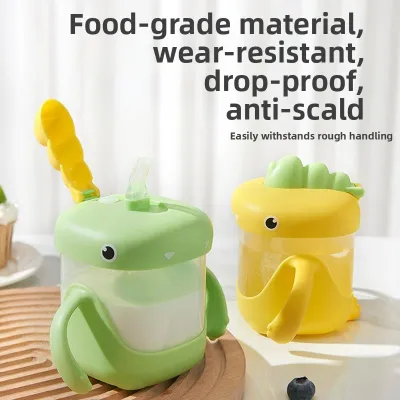
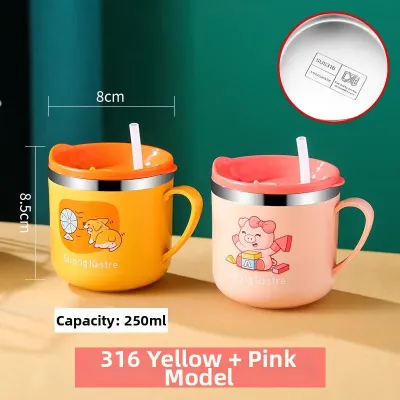
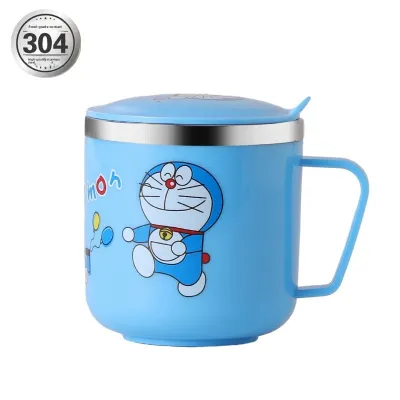
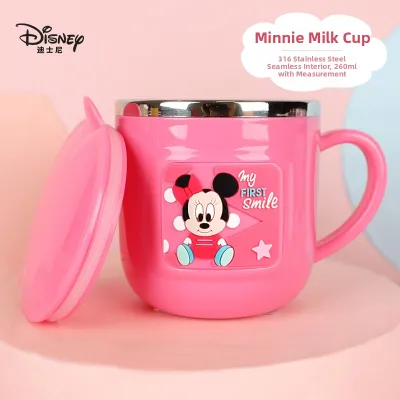
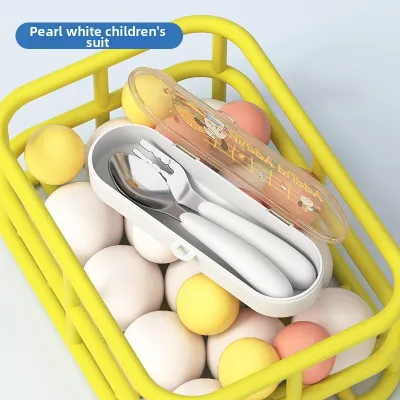
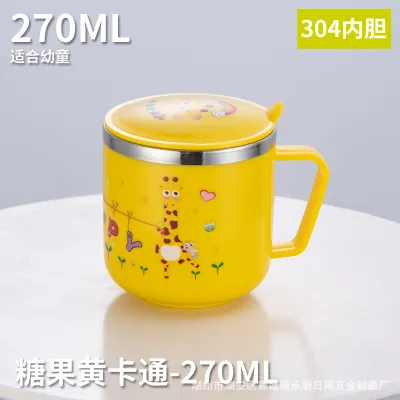
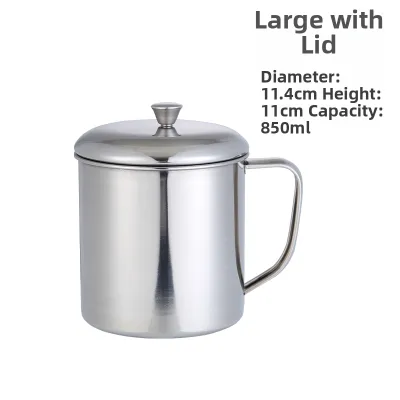

Prices are valid at publication and may change. Please refer to the product page for the latest price.
Because every child develops at their own pace, there is no single correct timeline. If you have concerns about your child’s oral motor skills, swallowing coordination, or when to begin weaning, consult your pediatrician or a pediatric dentist for personalized guidance.
Matching Cup Types to Your Toddler's Developmental Stage
Choosing the right toddler cup involves understanding how different designs support or challenge your child’s developing mouth. The journey usually progresses through four primary options—spout cups, straw cups, 360-degree cups, and open cups—with the ultimate goal of achieving independent open-cup drinking. Always read the manufacturer’s age guidelines and developmental warnings on the product packaging before introducing any new cup.
Spout Cups: The Early Transition Phase
Spout cups are often the first step parents take when moving away from bottles. Soft spout cups, typically made from pliable silicone, are designed to feel familiar to a baby, helping them transition from the strong sucking reflex used for bottles to the early stages of sipping.
However, hard spout cups and traditional sippy cups come with developmental trade-offs. Prolonged use of hard spouts can keep the tongue resting forward in the mouth, which may eventually affect palate shape, tooth alignment, and speech development.
To minimize these risks, introduce soft spouts primarily during the initial weaning phase as a short-term bridge. Plan to transition your child away from spout cups as soon as they show the coordination to use straws or open cups, typically within a few months of introduction.
Straw Cups: Building Oral Motor Skills
Drinking from a straw cup is highly recommended by pediatric speech-language therapists because it promotes advanced oral motor development. It requires your child to actively seal their lips around the straw, retract their tongue, and stabilize their jaw, which strengthens the muscles used for chewing and speech.
Your child is usually ready for a straw cup when they demonstrate good trunk control while sitting and can swallow liquids without coughing or sputtering. You can look for these signs during regular meal times.
Teaching a toddler to use a straw can take patience. A helpful method is the pipette technique: dip a straw into a cup of water, place your finger over the top to trap a small amount of liquid, and let your child sip it from the bottom of the straw. Alternatively, you can use a specialized training straw cup that allows you to gently squeeze liquid up the straw to help them understand the concept.
360-Degree Cups: Spill-Proof Practice
A 360-degree cup features a unique circular rim with a silicone valve that releases liquid only when the child applies lip pressure to the edge. This clever design allows your child to drink from any side, closely mimicking the physical action of sipping from a regular open cup.
For caregivers, these cups offer excellent spill resistance, making them ideal for active toddlers and car rides. Developmentally, they encourage a mature swallowing pattern because the tongue stays behind the teeth, rather than being pushed down as it is with a traditional spout.
The main challenge is that some toddlers find the suction required to break the silicone seal difficult at first. You can help your toddler by demonstrating how to press their lip against the rim, or by temporarily loosening the valve slightly (if the manufacturer’s design allows) so they understand that liquid comes from the edge.
Open Cups: The Goal for Independent Drinking
Pediatric dentists and speech-language pathologists widely view the open cup as the gold standard for long-term oral health. Drinking from an open cup teaches your child to coordinate their breathing, swallowing, and lip movements perfectly, promoting optimal facial muscle and jaw development.
To introduce an open cup safely, start with a small, lightweight, and shatterproof cup designed specifically for tiny hands. Pour only a tiny amount of water—just a sip or two—into the cup at a time to minimize the impact of inevitable spills.
Managing the mess is a natural part of the learning process. Keep practice sessions limited to scheduled meal times when your child is securely seated in their highchair and fully supervised, allowing them to practice in a controlled, easy-to-clean environment.
Signs It Is Time to Move to the Next Cup Type
Recognizing when your child has outgrown their current cup is key to keeping their development on track. Watch for clear behavioral cues: if your toddler is constantly chewing or biting down hard on a silicone spout, causing the cup to leak, or if they show frustration and refuse to drink from their usual cup, they may be ready for a design that allows a faster, more natural flow.

Relying on a single cup type for too long carries subtle developmental risks. Prolonged use of hard-spout sippy cups can alter the natural shape of the developing palate and lead to misaligned teeth; checking in with a pediatric dentist during routine visits can help you monitor these changes.
If your toddler resists transitioning to a new cup, introduce it gradually. Try offering the new cup alongside their familiar one during low-stress times, or place a preferred drink (like breast milk, formula, or water) in the new cup while keeping only plain water in the old one. You can also model the behavior by drinking from a similar cup yourself.
Frustration and minor regressions are entirely normal during this transition. If your child becomes highly distressed or refuses fluids altogether, pause the transition, return to their comfortable cup for a few days to ensure they stay hydrated, and try introducing the new cup again when they are calm.
Safety, Cleaning, and Maintenance for Toddler Cups
In warm and humid climates, maintaining hygiene is a top priority to prevent mold and bacterial growth inside toddler cups. You must fully disassemble every part of the cup—including removable valves, straws, slide lids, and silicone seals—before washing, as trapped moisture in these tight spaces quickly becomes a breeding ground for germs.
Regularly inspect all cup components for signs of wear and tear. Look closely for cracks in plastic bodies, degraded or sticky silicone parts, and deep bite marks on straws or spouts; these damaged areas can harbor bacteria or break off entirely, posing a serious choking hazard.
Never put hot liquids into a sealed toddler cup. The heat causes pressure to build up inside the sealed chamber, which can force hot liquid to spray out unexpectedly through the straw or spout, leading to painful burns.
To ensure material safety, check product labels to verify that the cup is made from non-toxic, BPA-free materials. Always consult the manufacturer’s specific care instructions to confirm whether the cup is safe for steam sterilization, boiling water, or the top rack of a dishwasher, as high heat can warp certain plastics and ruin leak-proof seals.
Frequently Asked Questions (FAQ)
When should I completely stop using a spout or sippy cup?
While individual timelines vary, many pediatric dentists recommend transitioning away from hard-spouted cups and traditional sippy cups by age two. Moving to straw or open cups before this milestone helps protect your child’s developing palate and ensures proper tooth alignment. For personalized advice tailored to your child’s oral health, consult your pediatric dentist.
Can I skip the spout cup and go straight to a straw cup?
Yes, you can absolutely skip the spout cup stage entirely. Many feeding specialists and speech therapists recommend introducing a straw cup or a small open cup directly around six months of age, bypassing spouts altogether. The primary focus should always be on your child’s safety, their ability to swallow without choking, and supporting their natural oral motor progression.

Community discussion
Share your experience or ask a question. Comments are reviewed before publication.