
Which Cup Style Is Best for Your Weaning Toddler?
Weaning is a significant milestone in your toddler’s development, marking a shift toward dietary independence. As you transition your child away from breast or bottle feeding, choosing the right vessel for hydration can feel overwhelming. Singapore’s retail shelves and online marketplaces are filled with various options, each claiming to be the ideal choice for your little one.
There is no single “best” cup for every weaning toddler. The right choice depends on your child’s current weaning stage, their oral motor coordination, and your practical daily priorities. A conditional framework can help guide your decision:
- Choose a straw cup if your child has the coordination to draw liquid up and you want to support mature oral motor development.
- Choose a 360-degree cup if you want to mimic open-cup drinking with minimal mess, helping them learn mature swallowing patterns.
- Avoid prolonged use of hard spouts, as they can reinforce immature sucking habits and potentially affect dental alignment.
Transitioning between different cup styles is a normal, fluid part of weaning. Many toddlers use a combination of cups depending on the setting—such as a highly spill-resistant straw cup for outdoor stroller trips and a 360-degree cup during family meals.
Products mentioned in this guide
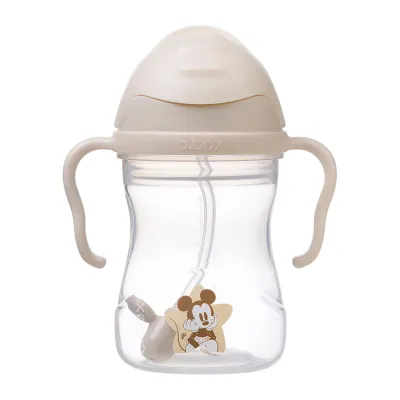
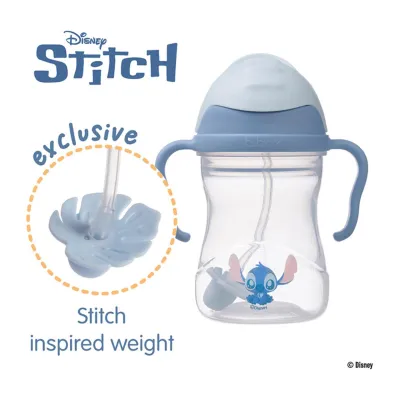
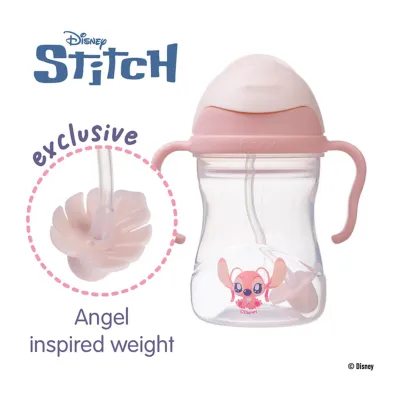
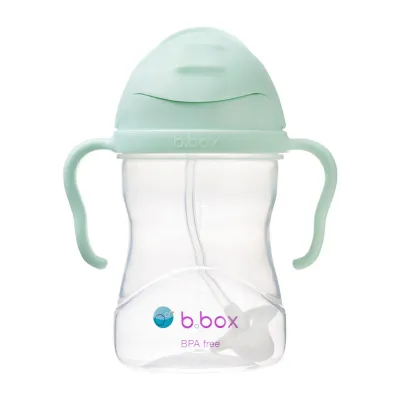
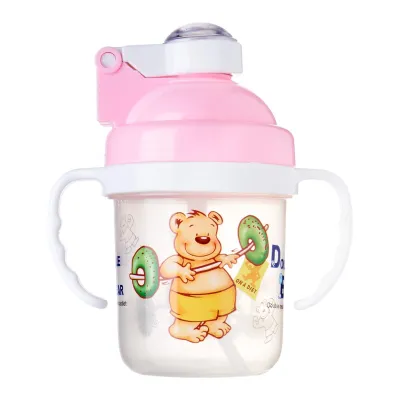
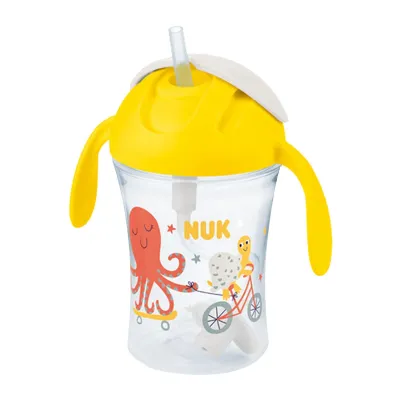
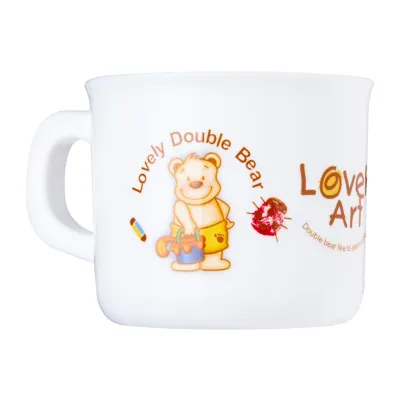
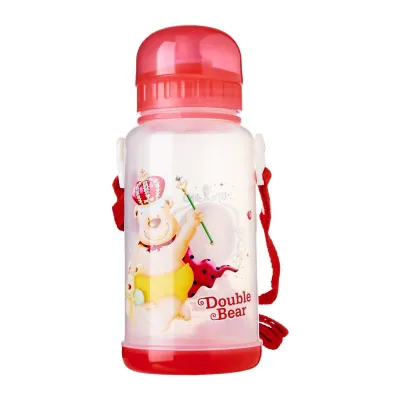
Prices are valid at publication and may change. Please refer to the product page for the latest price.
Understanding the Three Main Toddler Cup Styles
To make an informed decision, it is essential to understand how each cup style operates, along with its specific developmental advantages and practical trade-offs.

Straw Cups: Mechanics and Developmental Benefits
Straw cups require a toddler to use a sucking mechanism that draws liquid vertically against gravity. Many modern toddler bottles feature weighted straws, which slide to the lowest point of the bottle so the child can drink even when tilting the cup.
Speech-language pathologists and occupational therapists frequently recommend straw cups for oral motor development. Drinking from a straw requires the toddler to retract their tongue, seal their lips tightly around the straw, and coordinate their breathing and swallowing.
This active muscle engagement strengthens the lips, cheeks, and jaw, which supports speech clarity as they grow. However, this style requires a higher level of physical coordination, and some toddlers may need time to learn how to draw liquid up safely without sputtering.
Spout Cups (Sippy Cups): Transitioning from the Bottle
Spout cups, commonly known as sippy cups, utilize a tilt-and-suck mechanism. The child must tip the cup upward to allow liquid to flow toward the spout, mimicking the physical motion of drinking from a baby bottle.
Because the mechanics are highly familiar, spout cups are often the easiest transition style for babies who are just moving away from bottles or breastfeeding. They require minimal coordination and are highly intuitive.
However, prolonged use of hard plastic spouts is discouraged by dental and speech professionals. Hard spouts prevent the tongue from elevating naturally during a swallow, instead reinforcing an immature tongue-thrust or “suckle” pattern. This can potentially lead to speech delays or dental issues if used as a primary drinking style over several years.
360-Degree Cups: Mimicking an Open Cup
A 360-degree cup features a unique circular rim covered by a flexible silicone valve. When a toddler places their lips anywhere on the rim and applies gentle pressure while sucking, the valve opens to release a controlled flow of liquid. Once they stop drinking, the valve seals automatically.
This design is specifically engineered to mimic the lip placement and swallowing mechanics of a standard open cup. It encourages normal oral development by requiring the tongue to retract and elevate, promoting a mature swallowing pattern without the inevitable spills associated with an open glass.
While highly beneficial, some toddlers may find the valve mechanism frustrating or difficult to activate at first, as it requires specific lip compression and suction to release the water.
Key Comparison Dimensions for Weaning Progress
Evaluating these cup styles side-by-side across key daily dimensions helps you select the right tool for your family’s routine.
Oral Motor Development and Speech Readiness
The physiological impact of a drinking vessel on a child’s developing mouth is a primary concern for parents. Straw cups and 360-degree cups are the clear winners in promoting speech readiness and healthy jaw alignment. Both styles encourage the tongue to rest in a mature position at the roof of the mouth, which is critical for producing clear speech sounds.
In contrast, traditional hard spouts keep the tongue low and flat, which can delay the transition to a mature swallow. If you choose to use a spout cup, consider it a temporary stepping stone rather than a long-term solution. For specific developmental milestones or concerns regarding your child’s speech and swallowing, consult pediatric or speech-language guidelines rather than relying on product marketing claims.
Spill Resistance and Toddler Independence
Practical usability is essential, especially when navigating Singapore’s active, outdoor lifestyle. Whether you are strolling through a park or traveling on public transport, a leaky cup in your diaper bag is a major inconvenience.
Weighted straw cups with integrated flip-top lids generally offer the most reliable spill resistance on the go. They are designed to remain sealed even when dropped or shaken.
360-degree cups are highly effective at preventing spills during normal use, but a hard drop onto a concrete floor can momentarily break the silicone seal, resulting in minor splattering. Spout cups with silicone valves are also highly leak-proof, but their bulkier shapes can sometimes be harder for tiny hands to grasp. Look for lightweight designs with ergonomic handles to foster your toddler’s independence and self-feeding confidence.
Cleaning, Hygiene, and Maintenance
Hygiene is a critical factor, particularly in Singapore’s warm and humid tropical climate, which can accelerate the growth of mold in damp, enclosed spaces.
Straw cups are the most demanding to clean, as they contain narrow tubes and weighted bases that require specialized, ultra-thin wire brushes. 360-degree cups also have complex multi-part designs, where mold can easily grow in the hidden crevices between the silicone valve and the plastic collar if not washed thoroughly.
Spout cups are generally the easiest to clean due to having fewer, wider parts, though models with complex anti-colic or leak-proof valves still require careful attention. Always check the manufacturer’s disassembly and cleaning instructions before purchasing to ensure you can easily sterilize and dry all parts.
Transitioning Between Cup Styles: A Step-by-Step Guide
Weaning is not a rigid, one-size-fits-all process. A flexible, step-by-step progression can help your toddler transition smoothly from a bottle to independent drinking.
- Step 1: The Soft Spout Introduction (Around 6 to 8 Months): Introduce a soft silicone spout cup alongside solid foods. A soft spout feels familiar to a baby accustomed to a bottle nipple, helping them learn the basic concept of lifting a cup to drink. Keep these sessions brief and relaxed.
- Step 2: The Straw or 360-Degree Transition (Around 9 to 12 Months): As your child develops better sitting balance and hand-eye coordination, introduce a weighted straw cup or a 360-degree cup. Offer water during meals to allow them to practice the new drinking mechanics. You can alternate between these styles to see which one your child adapts to more easily.
- Step 3: Supervised Open Cup Practice (12 Months and Beyond): Once your toddler is comfortable with a straw or 360 cup, begin introducing a small, open cup during supervised mealtimes. Use only a tiny amount of water to minimize spills. This helps build the ultimate motor skills required for adult drinking while maintaining a straw or 360 cup for independent hydration throughout the day.
Observable Readiness Signals
- Your child can sit upright independently with good head control.
- They show interest in your drinks and reach for adult cups.
- They can swallow liquids from a spoon or cup without coughing or excessive spilling.
Safety Boundaries Always supervise your toddler when they are drinking. Never allow them to run, walk, or play while holding a cup, as falls can cause serious oral injuries. If your child shows extreme frustration, choking, or persistent refusal, temporarily pause the transition and return to a familiar cup style. If weaning stalls past 18 months, or if you have concerns about your child’s physical swallowing mechanics, consult your pediatrician or a pediatric speech-language pathologist.
What to Look for When Buying a Toddler Water Bottle
When shopping for a toddler water bottle, look past colorful designs and evaluate the product based on safety, durability, and practical design.
- Material Safety and Compliance: Verify that the cup is explicitly labeled as BPA-free, BPS-free, and made from non-toxic, food-grade materials. Look for durable options like Tritan plastic, food-grade silicone, or double-walled stainless steel. Stainless steel is highly durable and keeps water cool during warm outdoor outings, though it is heavier than plastic. Always check for local safety compliance marks on the packaging.
- Complete Disassembly: Avoid cups with permanently fused straws, valves, or decorative elements. Ensure every component can be fully detached for thorough cleaning and drying to prevent mold accumulation.
- Ergonomics and Grip: Choose a bottle with removable, easy-to-grip handles for younger toddlers. For older toddlers, a contoured shape or a textured silicone sleeve helps them hold the bottle securely with one or two hands.
- Availability of Replacement Parts: Toddlers frequently chew on silicone straws and valves, which can quickly wear them out or damage the leak-proof seal. Check if the manufacturer sells replacement straws, valves, and lids separately so you do not have to purchase an entirely new bottle.
- Manufacturer Recommendations: Always verify the recommended age, weight, or developmental stage on the product packaging rather than relying on generic category labels. Flow rates and bottle sizes must match your child's current abilities to ensure safe swallowing.
Frequently Asked Questions (FAQ)
When should I introduce a straw cup to my baby?
Most babies are developmentally ready to try a straw cup between 6 and 9 months of age, though individual readiness varies. Look for physical signs such as stable head control, the ability to sit upright independently, and an interest in family mealtimes. Rather than adhering to a strict age limit, observe your child’s coordination and consult your pediatrician during regular check-ups to ensure they are meeting their motor milestones.
Are 360-degree cups bad for speech development?
No, 360-degree cups are generally considered beneficial for speech and oral development. Because they require the same lip sealing and tongue elevation mechanics as a standard open cup, they help strengthen the muscles needed for clear speech. However, while 360-degree cups are an excellent, low-mess tool, they should not completely replace supervised practice with a real, open cup as your toddler grows and refines their motor skills.
How do I clean the valves in a toddler water bottle?
To clean silicone valves thoroughly, fully disassemble the cup and soak all components in warm, soapy water. Use a small, soft-bristled brush designed for baby bottles to gently clean the openings. Avoid using sharp objects, toothpicks, or harsh abrasive pads, as these can easily puncture, tear, or stretch the delicate silicone. If a valve becomes damaged or stretched, replace it immediately to maintain the cup’s hygienic and leak-proof performance.
Community discussion
Share your experience or ask a question. Comments are reviewed before publication.