
Quick Verdict: Which Socket Cover Type Offers the Best Protection?
A full box enclosure, often referred to as a socket cover case, provides the highest level of physical protection for crawling babies. It shields both the socket and any plugged-in power cords, preventing babies from pulling out active plugs. However, the absolute safest option is situational. Unused sockets hidden behind heavy furniture can be managed differently than highly accessible, active outlets in the center of a living room.
Regardless of the design chosen, no physical barrier replaces active adult supervision. Parents must also evaluate any removable components for potential choking hazards as their child’s motor skills develop.
Why Crawling Babies Need More Than Basic Plug Caps
Between 6 and 12 months of age, infants undergo rapid developmental shifts. They transition from stationary play to crawling, scooting, and pulling themselves up on furniture. This physical mobility is accompanied by the development of the pincer grasp—the ability to hold small objects between the thumb and index finger—and a natural instinct to explore the world by placing items in their mouths. At this stage, a baby’s curiosity is paired with surprising physical strength. They can easily grasp and pull on low-lying objects, including cords and wall fixtures.
Products mentioned in this guide
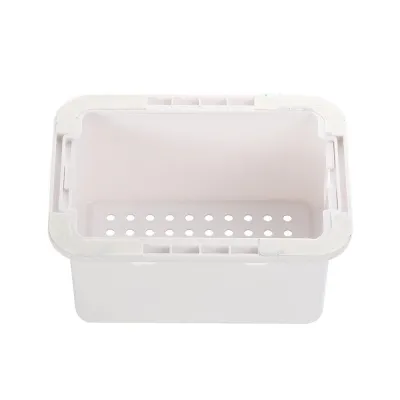
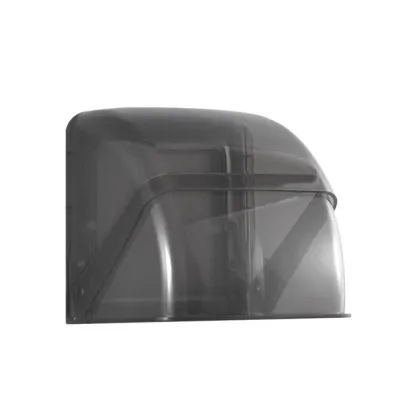
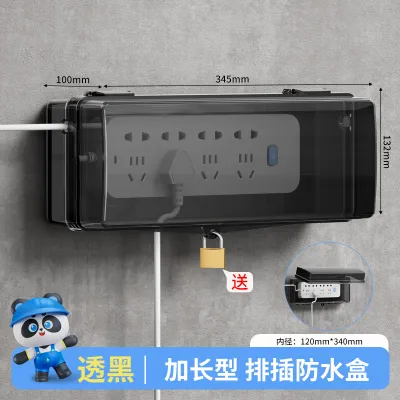
![[SG 🚚] Waterproof Outlet Cover for 86 Type Switches Protect from Water Splashes](https://img.lazcdn.com/g/p/ab0a434df7be3841feaed892fac5cb74.jpg_400x400q80.jpg_.webp)

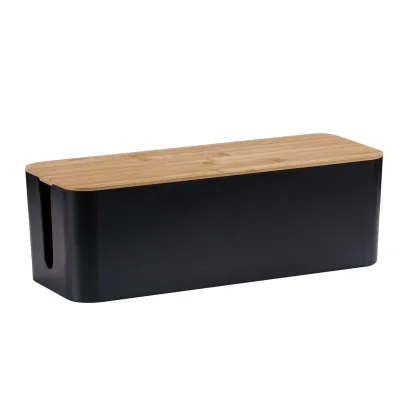
Prices are valid at publication and may change. Please refer to the product page for the latest price.

Traditional, cheap plastic plug-in caps are designed to block individual socket openings. However, they can quickly become a severe safety hazard. Once an infant develops the finger dexterity to pry these caps loose, the small plastic pieces instantly turn into critical choking hazards. Because these caps are sized to fit directly into socket pins, their dimensions often match the exact diameter of an infant’s airway.
Furthermore, simply blocking the socket holes does not address the danger of active cords. A baby pulling on a lamp or fan cord can easily expose live metal prongs or pull a heavy appliance down. To make an informed decision, caregivers must evaluate socket protection across three core dimensions:
- Removal difficulty for infants: The physical force and complexity required to bypass the barrier.
- Choking hazard risk: Whether the device itself contains small, detachable parts that fit inside a choke-testing cylinder.
- Ease of daily use for adults: How easily a parent can access the outlet for vacuuming, charging devices, or plugging in temporary appliances.
Comparing the 3 Main Socket Cover Types for Infant Safety
Plug-In Caps: The Traditional Barrier
Plug-in caps are simple, three-pronged plastic inserts that push directly into the openings of an unused electrical outlet. They are designed to sit flush against the faceplate, preventing children from inserting foreign objects like keys or hairpins into the live terminals.
Pros: These caps are highly economical, widely available, and require zero installation tools. They are highly effective for securing unused outlets that are completely concealed behind heavy wardrobes, sideboards, or television consoles where a baby cannot easily reach or see them.
Cons: The primary drawback is the significant choking hazard they present if left in plain sight. A determined baby with a developed pincer grasp can often wiggle and pry these caps out of the socket. Once removed, the cap is small enough to be swallowed. Additionally, standard plug-in caps leave the entire socket faceplate exposed. This can encourage crawling babies to play with the individual on/off switches commonly found on Singaporean Type G wall sockets, potentially turning devices on or off unexpectedly.
Sliding Socket Covers: The Seamless Upgrade
Sliding socket covers replace the existing wall outlet faceplate or attach securely over it. They feature a spring-loaded shutter mechanism. When you want to plug in a device, you insert the plug prongs, slide the cover to the side to align with the internal contacts, and push the plug in. When the plug is withdrawn, the cover automatically slides back into the closed position, sealing off the live terminals.
Pros: This design completely eliminates loose, small parts, offering a zero-choking-hazard solution. Because the mechanism is integrated directly into the faceplate, it provides a clean, unobtrusive look that does not draw a baby’s attention. It is incredibly difficult for an infant to defeat because sliding the mechanism requires lateral force and precise coordination that young children do not possess.
Cons: Installation is more involved and typically requires a screwdriver to mount the plate. Caregivers must verify compatibility with Singapore’s standard Type G (UK-style 3-pin, 13A) sockets, as many generic sliding covers sold online are designed for US or European configurations. Furthermore, if you are renting an HDB flat or a condominium, tenancy agreements often prohibit changing or modifying permanent electrical fixtures. They may also interfere with specialized smart home switches or bulky decorative faceplates.
Full Box Enclosures: The Maximum Physical Barrier
A full box enclosure, or a dedicated socket cover case, is a protective plastic dome that mounts over the entire wall outlet. It features a hinged lid that snaps shut, completely enclosing both the socket faceplate and any inserted plugs. A small, narrow channel at the bottom of the box allows cords to exit safely while keeping the plugs themselves entirely inaccessible to tiny hands.
Pros: This is the only solution that protects active outlets. If you have a nursery monitor, an air purifier, or a fan plugged in at baby-height, a box enclosure prevents the infant from pulling the plug out of the wall. It eliminates the risk of exposed live prongs during a partial unplugging and keeps the entire hazard zone out of sight. Because the box is a single, large unit, it poses no choking hazards.
Cons: These enclosures are bulky and protrude significantly from the wall, which can sometimes interfere with furniture placement. They are only practical for outlets that are actively in use; using them on empty sockets is unnecessarily cumbersome. Additionally, some larger, non-standard power adapters, multi-plug adapters, or smart plugs may not fit inside the standard dimensions of the box, preventing the lid from closing securely.
Crucial Safety Specifications to Verify Before Buying
When shopping for a socket cover case or alternative safety barriers, caregivers should look past generic marketing claims and carefully verify physical specifications on the product packaging.
- Choking Hazard Labels: Always check the manufacturer's packaging for explicit small parts warnings. If you are purchasing plug-in caps, look for designs that feature a keyed removal tool or an extra-wide, flat face that cannot be easily gripped by baby fingers.
- Material Safety: Crawling babies are in a highly oral phase of development and will mouth almost any object they manage to detach. Verify that the plastic used in the socket cover case is labeled non-toxic and BPA-free. Additionally, look for flame-retardant ratings (such as UL 94 V-0 or equivalent local classifications) to ensure the plastic will not easily ignite or support a flame if an electrical fault occurs within the outlet.
- Local Compatibility: In Singapore, the standard wall outlet is the Type G (SS 145) 13-amp socket. Many budget baby-proofing kits sold on international e-commerce platforms are designed for two-pin US or European sockets. These will not fit Singaporean outlets. Ensure the product description explicitly states compatibility with Type G or UK-style 3-pin sockets to avoid loose fits that leave dangerous electrical gaps.
- Locking Mechanisms: For box enclosures, inspect the latching system. The best designs utilize dual-action locks—such as requiring the user to squeeze two side buttons simultaneously while lifting the lid—which require adult-level hand span, dexterity, and strength to open.
Decision Framework: Which Type Fits Your Home Setup?
To help you select the most effective safety setup, use the following scenario-based decision framework:
- Choose Full Box Enclosures if: The wall socket is in active, daily use (such as for a living room television, nursery air purifier, or fan) and is located within a crawling baby’s reach. This setup keeps active plugs secure and prevents dangerous cord-pulling incidents.
- Choose Sliding Covers if: You own your home, want a permanent and highly aesthetic solution that carries zero choking risks, and your existing wall outlets are standard sizes compatible with sliding faceplates. This is ideal for frequently accessed but temporarily used outlets, such as where you plug in a vacuum cleaner or phone charger.
- Choose Plug-In Caps if: The socket is completely unused and is permanently blocked behind heavy, immovable furniture like a wardrobe or a heavy media console. In these hidden areas, the risk of a baby reaching the outlet is minimal, making a simple plug-in cap a cost-effective dust and contact barrier. They are also useful as a temporary, supervised solution when traveling.
- Verify First if: You are renting an HDB flat or condominium, as you must obtain landlord permission before replacing faceplates with sliding covers. You must also check whether your home utilizes specialized smart switches or integrated USB outlets, as these non-standard designs may prevent box enclosures from snapping shut or sliding plates from aligning correctly.
Safe Installation and Daily Maintenance Rules
Implementing physical safety barriers must not introduce new electrical risks into your home. Follow these practical installation and maintenance guidelines:
- Electrical Safety First: Before installing any sliding socket covers or replacing existing faceplates, always turn off the main power supply at your home's distribution board (DB box). Use a voltage tester to verify the outlet is completely dead before removing any screws. If you are unsure or uncomfortable with basic electrical work, consult a licensed electrical worker in Singapore.
- Heat Management: Avoid using full box enclosures over high-draw power adapters or chargers that generate noticeable heat during use. Enclosing these adapters can trap heat, leading to premature degradation of the plastic cover or, in extreme cases, posing a fire hazard. Ensure there is adequate ventilation around warm-running plugs.
- Routine Inspection: Regularly inspect all installed socket covers. Look for signs of plastic degradation, cracks, or loose fits. Over time, the tension in sliding covers can weaken, and plug-in caps can stretch the socket contacts or become loose. Discard and replace any compromised safety devices immediately.
- Behavioral Boundaries: Always remember that physical baby-proofing tools are secondary lines of defense. They are designed to buy you valuable reaction time, not to replace active adult supervision. Consistently teach crawling babies a strict "no touch" rule around all electrical outlets, cords, and appliances from an early age.

Community discussion
Share your experience or ask a question. Comments are reviewed before publication.