
The safest socket cover for your crawling baby depends entirely on whether the electrical outlet is actively in use or left empty. There is no single “one-size-fits-all” solution that works perfectly for every wall socket in your home. Instead, effective baby-proofing requires matching the cover type to the specific function of the outlet.
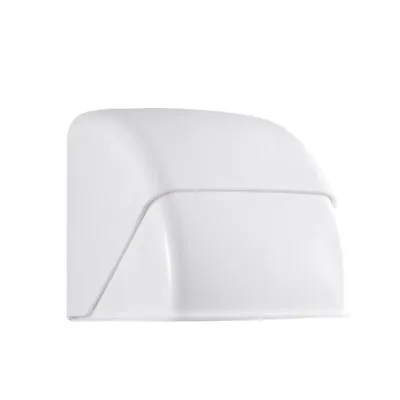
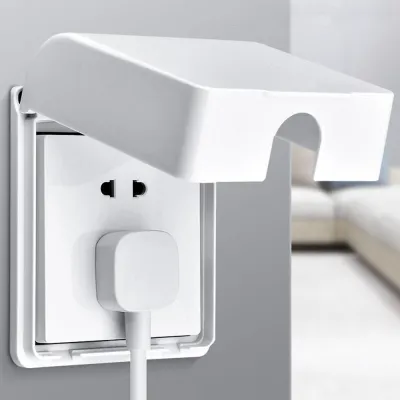
For active sockets that are currently in use, box covers are the safest choice. These bulky, plastic enclosures completely surround both the wall socket and the inserted plug, preventing your child from pulling on the cord or touching live prongs.
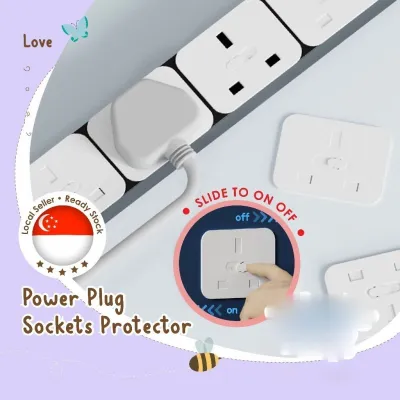
For unused, empty sockets, sliding socket covers (also known as sliding faceplates) offer the highest level of safety and convenience. Because they are screwed directly into the wall, they cannot be pulled out, completely eliminating the risk of a loose cover becoming a dangerous choking hazard.
Products mentioned in this guide

Prices are valid at publication and may change. Please refer to the product page for the latest price.
In contrast, traditional plug-in caps are best reserved as a temporary or budget-friendly backup. They rely solely on friction to stay in place, meaning a determined baby with a developing pincer grasp can eventually pry them loose, turning the protective cap itself into a severe choking hazard.
How Plug-In, Sliding, and Box Socket Covers Work
To make an informed decision for your home, it is essential to understand how these three distinct baby-proofing solutions function mechanically. Each type approaches the problem of electrical safety from a different engineering perspective, offering varying levels of physical resistance, installation complexity, and durability.
Plug-In Caps (Insert Caps)
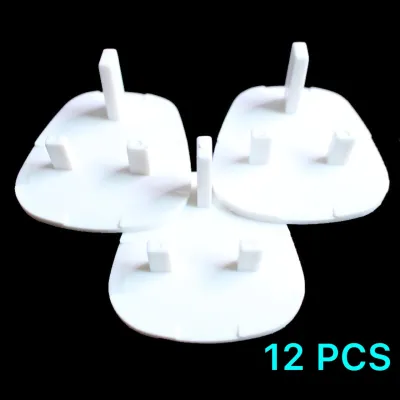
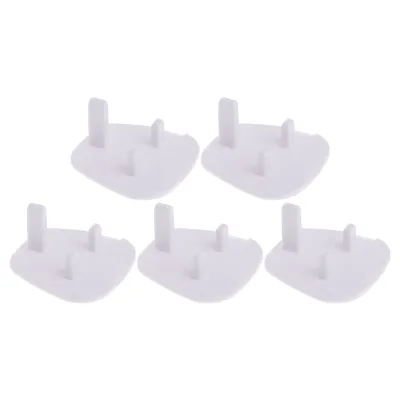
Plug-in caps, often referred to as outlet inserts, are the most common form of socket protection. These are simple plastic discs equipped with three prongs designed to mimic the shape of a standard Type G plug used in Singapore. You install them by pushing the prongs directly into the live, neutral, and earth apertures of an empty socket.
The mechanism is entirely passive, relying solely on friction to stay in place. While they require no tools and can be inserted in seconds, this friction fit can degrade over time. Repeated use can wear down the plastic prongs or loosen the internal socket contacts, making the caps easier to pull out. Furthermore, because they are completely detached from the wall once removed, they are easily misplaced and can be picked up by a child if left lying around.
Sliding Socket Covers (Replacement Plates)
Sliding socket covers represent a more permanent, integrated approach to electrical safety. Instead of inserting a temporary barrier into the socket holes, you replace the entire existing outer faceplate of your wall outlet with a specially engineered safety plate. These plates feature a spring-loaded sliding panel over each individual outlet.
Under normal conditions, the internal spring keeps the panel closed, blocking the contact points. To plug in a device, you must align the plug prongs with the cover slots, apply firm pressure, and slide the panel to insert the plug. The moment you pull the plug out, the spring automatically snaps the cover back into its closed position. This mechanism requires physical coordination and strength beyond a toddler’s capability. Because the sliding plate is screwed securely into the wall, it becomes a permanent, tamper-resistant part of your home’s infrastructure.
Box Covers (Outlet Box Covers)
Box covers, or outlet enclosures, are robust, three-dimensional protective shields designed to address the unique hazards of active electrical outlets. Unlike plug-in caps and sliding covers, which only protect empty sockets, a box cover is designed to enclose both the outlet and the physical plugs of devices that are currently turned on and running.
These devices typically consist of a mounting base that fits around your existing outlet plate and a deep, hinged plastic dome that snaps securely over the top. The dome features a small, guarded opening or channel at the bottom, allowing the power cords to exit the enclosure while keeping the plug itself completely inaccessible. To open the box, an adult must press a hidden release latch or squeeze specific pressure points that require hand strength beyond a child’s capability.
This design is particularly crucial for appliances that remain constantly connected to power, such as baby monitors, air purifiers, refrigerators, or television consoles. By placing a physical barrier around the plug, the box cover prevents your baby from pulling the plug out of the wall, which would otherwise expose live metal prongs and interrupt the power supply to essential devices.
Evaluating Safety and Daily Usability for Parents
When baby-proofing your home, you must balance absolute safety with the practical realities of daily life. A safety device that is incredibly secure but highly frustrating to use may lead to parental fatigue, resulting in bypassed safety measures. Evaluating how each cover performs against real-world toddler behavior and adult daily routines is key to choosing the right system.

Choking Hazards and Pull-Out Resistance
Between six and twelve months, infants develop the pincer grasp—the ability to hold small objects between the thumb and index finger. This milestone allows them to grip, pull, and manipulate small items with surprising strength.
Traditional plug-in caps are highly vulnerable to this stage. If a cap is not perfectly snug, a persistent toddler can use their fingernails or toys to pry it out. Once removed, this loose piece of plastic becomes a severe choking hazard. Because babies explore their environment by putting objects in their mouths, a pried-out socket cap instantly transforms from a safety device into a severe hazard.
Sliding and box covers completely eliminate this hazard. Sliding covers are integrated into the screwed-on wall plate, leaving no loose parts to detach, while box covers are bolted or firmly latched to the outlet assembly. This structural security provides a level of passive safety that plug-in caps cannot match.
Protection for Active Sockets and Cords
A common oversight in home baby-proofing is focusing solely on empty electrical outlets while ignoring the ones currently in use. However, a plugged-in cord is often far more appealing to a crawling baby than an empty wall socket. Cords resemble ropes, inviting babies to grab, tug, and pull themselves up, which poses multiple severe hazards.
Plug-in caps and sliding covers are completely useless when a socket is active. When an appliance is plugged in, the electrical connection is entirely exposed. If your baby pulls on the power cord of a standing fan, a heavy table lamp, or an air purifier, they can easily yank the plug partially or fully out of the socket. This action can expose live metal prongs while they are still carrying 230 volts of electricity, or cause the heavy appliance itself to tumble down onto the child, leading to blunt-force injuries.
Box covers are the only baby-proofing solution designed to mitigate this dual risk. By fully enclosing the plug and locking it within a protective dome, the box cover prevents the baby from making physical contact with the plug or pulling it out of the wall. The cord exit channel is designed to redirect any pulling force away from the electrical connection, ensuring that even if a baby tugs on the cord, the plug remains securely and safely seated inside the outlet.
Daily Convenience for Adults
While child safety is the paramount concern, the daily usability of your electrical outlets dictates how consistently your safety measures will be maintained. If a socket cover is excessively difficult to manage, parents may find themselves leaving it off “just for a few minutes,” creating window-of-opportunity hazards for a curious child.
Sliding covers offer the absolute highest level of daily convenience for parents. Because the mechanism is entirely automatic, you do not have to perform any extra steps to secure the outlet when you unplug a device. When you unplug the vacuum cleaner, the cover snaps shut instantly. This eliminates the risk of human error, ensuring your home remains baby-proofed without requiring constant vigilance or manual resetting.
Plug-in caps, on the other hand, introduce significant daily friction. Every time you want to use an outlet, you must pry the cap out, find a safe place to store it out of your baby’s reach, plug in your device, and then remember to find and reinsert the cap once you are finished. This process is highly prone to failure, as caps are easily lost, misplaced, or forgotten on the floor. Box covers, while incredibly secure, are bulky and can be difficult to open, making them ideal for permanent setups but highly inconvenient for outlets that require frequent access.
At-a-Glance Comparison: Plug-In vs. Sliding vs. Box
To help you visualize the key differences and trade-offs between these three socket covers, we have summarized their performance across critical safety and usability dimensions. Use this comparison to identify which cover style fits the specific needs of each area in your home.
| Feature | Plug-In Caps | Sliding Covers | Box Covers |
|---|---|---|---|
| Best Used For | Temporary travel or hidden outlets | Frequently used, empty wall sockets | Active sockets with plugged-in devices |
| Choking Hazard Risk | High (can be pried out and swallowed) | None (permanently attached to wall) | None (securely locked or screwed) |
| Cord/Plug Protection | None (cannot protect active plugs) | None (cannot protect active plugs) | Excellent (encloses plug and cord exit) |
| Installation Effort | Extremely low (push-in by hand) | Moderate (requires screwdriver) | Moderate to high (screws or adhesive) |
| Adult Convenience | Low (must remove and replace manually) | High (closes automatically on removal) | Low (bulky, difficult to open frequently) |
How to Choose the Right Socket Cover for Your Home
Baby-proofing is not about using a single product uniformly. Instead, a safe home utilizes a strategic, room-by-room approach, deploying the right socket cover based on the function and location of each outlet to balance security with adult convenience.
Choose Sliding Covers If…
You want a clean, permanent solution for empty wall sockets in high-traffic areas like the living room, playroom, and hallways. These are areas where sockets are frequently accessed for temporary tasks like vacuuming or charging electronics.
Because sliding covers replace the faceplate and screw directly into the wall, they eliminate the risk of loose parts becoming a choking hazard, making them the gold standard for visible, low-lying outlets.
Additionally, their flush appearance prevents them from drawing unnecessary visual attention from curious toddlers. If you are comfortable with basic faceplate replacement, sliding covers represent the best long-term investment in safety and convenience.
Choose Box Covers If…
You have low-lying wall sockets that must remain active to power essential household appliances. In a typical home, this includes outlets powering air purifiers, standing fans, television consoles, gaming systems, humidifiers, or the baby monitor in the nursery.
These are sockets where cords are permanently or semi-permanently plugged in, making them a prime target for a crawling baby who loves to pull on cables. By installing a box cover, you create an impenetrable barrier that keeps the physical plug and the live electrical contacts completely out of your baby’s sight and reach.
This is a non-negotiable safety measure for any outlet where a pulled cord could result in a heavy appliance being pulled off a table or shelf, causing physical injury. While box covers are bulky and can be visually obtrusive, their ability to secure both the plug and the cord makes them an indispensable tool for active electrical connections.
Choose Plug-In Caps If…
You are currently renting your home and your tenancy agreement strictly prohibits making any permanent or semi-permanent modifications to the electrical fixtures, such as replacing wall faceplates. In this scenario, plug-in caps provide a non-invasive way to add a layer of safety without risking your security deposit.
They are also an excellent, lightweight solution for travel. When staying in hotels, holiday rentals, or visiting relatives who do not have children, a pack of plug-in caps allows you to quickly secure low-lying outlets in temporary living spaces.
Within your own permanent home, plug-in caps should be restricted to low-risk, inaccessible areas. This includes sockets that are completely blocked and hidden behind heavy, immovable furniture—such as a solid wood wardrobe, a heavy bookshelf, or a large sideboard—where a crawling baby physically cannot reach the wall to touch or pry the cap out.
Safe Installation and Ongoing Maintenance Checks
Your safety and the safety of your family must always come first when dealing with home electricity. Before you attempt to install sliding covers, replace any wall faceplates, or mount box covers that require screwing into the outlet assembly, you must turn off the main electrical power at your home’s distribution board (DB box). Never rely solely on the individual socket switch. Always verify that the power is completely disconnected by plugging in a working appliance, such as a lamp, or using a reliable voltage tester on the specific socket before touching any screws or wires. If you are at all unsure, uncomfortable, or inexperienced with electrical work, do not take risks—consult a licensed electrical worker or a professional handyman to perform the installation safely.
It is crucial to verify that any sliding plates or box covers you purchase are fully compatible with local 3-pin electrical sockets. In Singapore, household electrical outlets follow the Type G standard, which features three rectangular prongs and is often larger and shaped differently than the outlets used in other regions. Standard covers designed for foreign markets (such as Type A or B sockets used in the United States) will not fit Singaporean outlets. Measure your faceplates carefully and check for any nearby obstructions, such as floor skirting boards, kitchen tiles, or decorative wall trim, which could prevent the safety cover from sitting completely flush against the wall. A cover that does not fit flush can leave small gaps, allowing curious fingers or thin objects to slip behind it, defeating the safety mechanism entirely.
Baby-proofing is not a “set-and-forget” task; it requires ongoing vigilance and regular maintenance. Make it a habit to perform a monthly sweep of your home to inspect the physical condition of every socket cover. Examine plastic components for hairline cracks, discoloration, or signs of brittle degradation, which can occur over time due to UV exposure or heat from nearby appliances. Test the spring mechanisms on all sliding covers to ensure they snap back instantly and completely block the socket holes when a plug is removed. Tighten any loose mounting screws on sliding plates or box covers to prevent them from wobbling. If you discover any damaged, cracked, or malfunctioning safety products, remove them and replace them immediately. A compromised safety cover provides a false sense of security and can fail when your child interacts with it, putting them at risk.
Frequently Asked Questions (FAQ)
Are sliding socket covers safe for toddlers who have developed a pincer grasp?
Yes, high-quality sliding socket covers are exceptionally safe for toddlers, even after they have fully developed their pincer grasp and fine motor skills. The internal spring-loaded mechanism is specifically engineered to resist the physical capabilities of young children. To open the sliding panel, a user must apply a coordinated combination of firm inward pressure and a precise sliding motion simultaneously across multiple points, or insert all three prongs of a standard plug at once. Because toddlers lack the physical strength, hand span, and mechanical coordination required to execute these movements simultaneously, they cannot open the mechanism with their fingers or small toys, making sliding covers an incredibly secure and reliable safety barrier.
Do I still need socket covers if my home has built-in safety shutters?
While modern Type G electrical sockets in Singapore are equipped with built-in safety shutters designed to block single-pin insertion (requiring the earth pin to be inserted first to open the live and neutral shutters), external socket covers are still highly recommended as a secondary layer of protection. A highly determined or curious toddler can still attempt to force objects, such as keys, hairpins, or toys, into the socket openings, potentially finding a way to bypass the internal shutters. Furthermore, empty electrical sockets on a clean wall act as natural visual targets that attract a child’s curiosity. Installing external socket covers—especially sliding covers that blend into the wall—keeps the outlet entirely out of sight and out of mind, removing the visual temptation and significantly reducing the likelihood of your child playing with electrical fixtures.
Community discussion
Share your experience or ask a question. Comments are reviewed before publication.