
Selecting the right cotton ball for your newborn’s daily skincare routine is a decision that directly impacts their comfort and skin health. While Pigeon offers several cotton ball variants designed for delicate baby care, the best choice depends on your baby’s specific developmental stage, skin sensitivity, and the cleaning tasks you perform daily. By understanding how to evaluate material purity, structural integrity, and packaging hygiene, you can confidently select a variant that protects your baby’s delicate skin barrier.
Understanding Newborn Skin Needs and Cotton Requirements
A newborn baby’s skin is remarkably delicate, possessing a skin barrier that is significantly thinner and more fragile than that of an adult. During the first few months of life, this barrier is still developing, making it highly susceptible to environmental irritants, friction, and chemical residues. Standard wipes or rough materials can easily cause micro-tears, redness, or localized irritation, which can compromise the skin’s natural defense system.
Daily grooming routines require frequent contact with highly sensitive areas, including the eyes, face, the healing umbilical cord stump, and the diaper area. Each of these zones presents unique hygiene challenges. For instance, cleaning the eyes requires a material that will not shed loose fibers, while diaper changes demand high absorbency and structural strength to clean effectively without causing friction-induced diaper rash.
Products mentioned in this guide
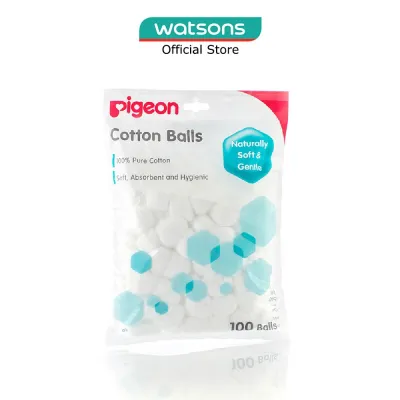
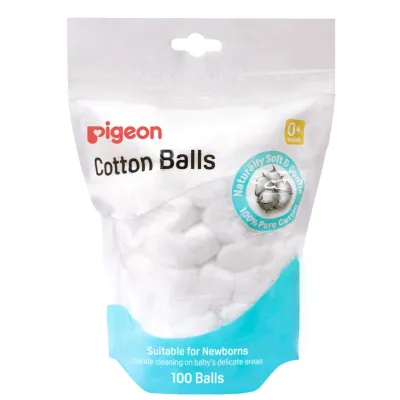
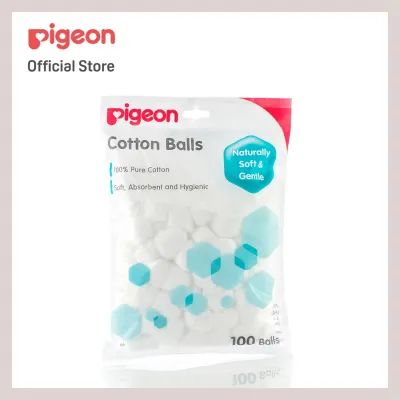
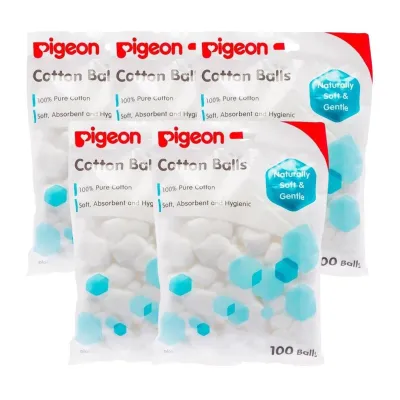
![[Bundle Of 8] Pigeon Cotton Ball 100pcs](https://img.lazcdn.com/g/p/0d5ff7641b3385425c743bc38cd54968.png_400x400q80.png_.webp)
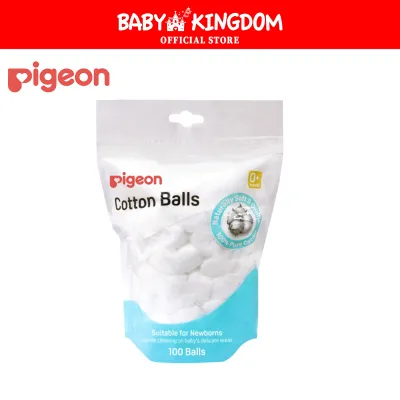
Prices are valid at publication and may change. Please refer to the product page for the latest price.
Using high-quality cotton balls provides a gentle, controlled method for applying water or saline solution to these sensitive areas. The ideal cotton ball must offer a balance of softness, purity, and structural integrity. By selecting a variant that minimizes friction and avoids chemical additives, you support the natural development of your baby’s skin barrier while maintaining optimal hygiene.
Key Dimensions for Comparing Pigeon Cotton Ball Variants
To choose the most suitable Pigeon cotton ball variant, caregivers should evaluate products across three primary dimensions: material purity, physical performance, and packaging design. Rather than relying solely on brand names, examining these specific characteristics allows you to match the product to your nursery’s daily needs.

Material Purity and Sourcing Standards
When evaluating cotton balls, the raw material’s origin and processing history are critical factors for skin safety. Caregivers should look for packaging labels that specify the use of 100% pure cotton, which naturally offers superior softness and absorbency compared to synthetic fiber blends. Some variants may feature certified organic cotton, indicating that the fiber was grown without synthetic pesticides or fertilizers, providing an extra layer of reassurance for highly reactive skin.
The processing and bleaching methods used during manufacturing also warrant close inspection. Traditional bleaching processes can sometimes leave trace chemical residues or optical brighteners that may irritate sensitive newborn skin. To prevent this, look for labels indicating that the cotton is unbleached, chlorine-free, or processed using hydrogen peroxide rather than harsh chlorine compounds. Unbleached cotton often retains a natural, slightly off-white tint and may contain tiny, harmless dark specks of cotton hull, which are visual indicators of minimal processing.
Additionally, check the packaging for dermatological testing claims or hypoallergenic certifications. While these labels indicate that the product has undergone evaluation to minimize allergic reactions, caregivers should still verify the ingredient list to ensure the absence of added fragrances, lotions, or preservatives. Pure, additive-free cotton remains the safest choice for minimizing the risk of contact dermatitis in newborns.
Size, Thickness, and Lint-Free Performance
The physical dimensions and structural density of a cotton ball determine its suitability for different cleaning tasks. Standard-sized cotton balls are highly effective for precise, localized cleaning, such as wiping away discharge from the inner corners of the eyes or cleaning around the delicate folds of the ears and nose. However, for larger areas like the diaper zone or during full-body sponge baths, jumbo or extra-large cotton balls are more practical as they hold more liquid and cover more surface area per wipe.
Thickness and density are equally important for maintaining structural integrity when wet. A high-quality cotton ball should absorb water or saline solution efficiently without collapsing, tearing, or turning into a mushy clump. When a cotton ball disintegrates during use, it becomes difficult to manage and increases the likelihood of rubbing the baby’s skin too harshly.
Lint-free performance is another critical factor, particularly when cleaning healing wounds like the umbilical cord stump or sensitive areas like the eyes. Loose cotton fibers left behind on the skin can trap moisture, harbor bacteria, or cause physical irritation and itching. Caregivers should inspect product descriptions for lint-free or low-lint guarantees and observe the cotton ball during use to ensure it does not leave fibers behind.
Packaging and Hygiene Features
The way cotton balls are packaged plays a vital role in maintaining their hygiene and sterility from the factory to your nursery. In humid climates, such as Singapore, open packaging can easily expose cotton to airborne dust, moisture, and mold spores. Therefore, selecting packaging that can be securely sealed after each use is essential for protecting your baby from potential contaminants.
Resealable plastic bags with zip-lock closures are highly practical for daily use, offering a reliable barrier against humidity and dust while remaining easy to open with one hand during diaper changes. Some variants may come in hard plastic tubs or dispensers, which provide excellent physical protection against crushing but may require more storage space.
For families who are frequently on the go, compact, travel-friendly packaging is a key consideration. Smaller, resealable pouches fit easily into diaper bags without taking up excessive space or risking exposure to other items in the bag. Ensuring that the packaging remains intact and easy to seal helps maintain the cleanliness of the cotton balls wherever you are.
Matching the Variant to Your Baby's Age and Skin Sensitivity
During the first few weeks of life, a newborn’s skincare needs are highly specialized, particularly during the umbilical cord care stage. The healing umbilical stump requires meticulous hygiene to prevent infection, demanding a cotton ball that is exceptionally pure, soft, and lint-free. For this stage, caregivers should prioritize small, high-purity cotton balls that allow for precise application of sterile saline or boiled water without leaving fibers behind or causing unnecessary friction on the surrounding skin.
If your baby has eczema-prone, dry, or highly reactive skin, your choice of cotton should focus heavily on minimizing chemical exposure and physical friction. For these infants, unbleached or certified organic cotton variants are highly recommended, as they undergo minimal processing and are free from optical brighteners or chlorine residues. The natural softness of these fibers helps prevent micro-abrasions that can trigger or worsen eczema flare-ups.
As your baby grows and their skin barrier becomes more resilient, their daily cleaning needs will also shift. Older infants require more robust cleaning during diaper changes and after meal times, making larger, highly absorbent cotton balls or cotton pads more practical. These larger variants allow you to clean larger surface areas quickly and efficiently, reducing the number of wipes needed and minimizing overall skin contact.
Safe Usage and Skincare Routine Tips for Newborns
To ensure the safety and comfort of your newborn, establishing a hygienic skincare routine is just as important as choosing the right product. One of the most critical rules of newborn hygiene is the “one wipe, one discard” principle. When cleaning sensitive areas like the eyes, mouth, or umbilical stump, always use a fresh cotton ball for each wipe, moving from the cleanest area outward. This practice prevents the transfer of bacteria or discharge from one eye to the other or from the diaper area to other parts of the body.
Proper wetting techniques are also essential for preventing skin irritation. Before use, saturate the cotton ball with boiled and cooled water or prescribed sterile saline solution. Gently squeeze out the excess liquid so that the cotton ball is damp but not dripping wet. Using excessively wet cotton can leave pooling water on the baby’s skin, which can trap moisture in skin folds and lead to maceration or yeast infections.
While cotton balls are generally safe, caregivers must remain vigilant for any signs of skin irritation or adverse reactions. If you observe redness, swelling, unusual discharge, or signs of discomfort during or after cleaning, discontinue use immediately. These symptoms may indicate an underlying skin condition or sensitivity, and you should consult a qualified pediatrician or healthcare professional for a proper diagnosis and tailored treatment plan.
What to Check Before Buying Online or In-Store
Before purchasing Pigeon cotton balls, whether from an online marketplace or a physical retail store, performing a few quick quality checks can ensure you receive a safe, authentic product. First, inspect the physical packaging or digital listing for the manufacturer’s production date, expiration date, or batch code. While pure cotton does not spoil quickly, older stock that has been stored improperly can accumulate moisture or dust over time.
Next, verify that the safety seals and outer packaging are completely intact upon delivery or purchase. Damaged wrappers, torn seals, or punctured bags can compromise the hygiene of the cotton balls, exposing them to environmental contaminants before they even reach your nursery. If you notice any signs of tampering or damage, return the product or contact the seller for a replacement.
Finally, ensure you are purchasing from an authorized retailer, official brand store, or a reputable pharmacy. E-commerce platforms often feature multiple third-party sellers, making it crucial to verify the seller’s credentials to avoid counterfeit or poorly stored baby care products. Purchasing from trusted sources guarantees that the products have been stored in temperature-controlled, hygienic environments, preserving their quality and safety for your newborn.
Frequently Asked Questions (FAQ)
Can I use regular adult cotton balls for my newborn?
It is highly recommended to avoid using standard adult cosmetic cotton balls for newborns. Adult cotton balls are often processed with synthetic fiber blends, chemical bleaches, or optical brighteners that can irritate delicate baby skin. They also tend to shed more lint, which can leave fibers in your baby’s eyes, wounds, or skin folds, increasing the risk of irritation.
Should I wet the cotton ball with tap water or boiled water?
For the first few months of life, or when cleaning sensitive areas like the eyes and the healing umbilical stump, always use boiled and cooled water or sterile saline. This minimizes the risk of introducing harmful bacteria to vulnerable areas. Once your pediatrician confirms your baby’s skin barrier is mature, you can transition to clean, filtered tap water for general body cleaning.
How do I store cotton balls to prevent mold in a humid environment?
In humid climates like Singapore, store cotton balls in their original resealable packaging or transfer them to an airtight, dry container. Keep the container in a cool, dry place away from direct sunlight and bathroom moisture. Never leave the package open, as airborne moisture and dust can quickly encourage bacterial or fungal growth on the cotton.

Community discussion
Share your experience or ask a question. Comments are reviewed before publication.