
Quick Answer: Are Cotton Balls Safe for Your Baby?
Are cotton balls safe for your little one? The short answer is yes, but only when used on the correct parts of your baby’s face and outer ears. They are highly effective for wiping away surface dirt, milk residue, and sleep crust from the eyes.
However, cotton balls are strictly unsafe for insertion into your baby’s ear canal or nostrils. Doing so risks pushing blockages deeper or causing physical injury to delicate internal tissues.
For safe grooming, you must choose high-quality, 100% pure cotton balls that are free from synthetic fibres, fragrances, and chemical residues. Understanding the proper wiping techniques and knowing when to transition to safer alternatives will help you protect your baby’s highly sensitive skin and developing sensory organs.
Products mentioned in this guide
![[Ready Stock] Baebear Cotton Balls (100pcs/Bag) | Pigeon | Cubble | Disposable degreasing and cleaning baby cotton ball](https://img.lazcdn.com/g/p/f4bb2a72a4ca1032f0fa83e727ae3209.jpg_400x400q80.jpg_.webp)
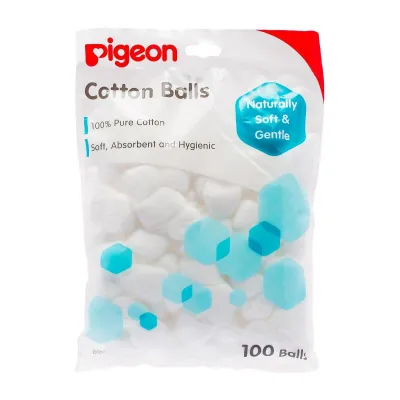
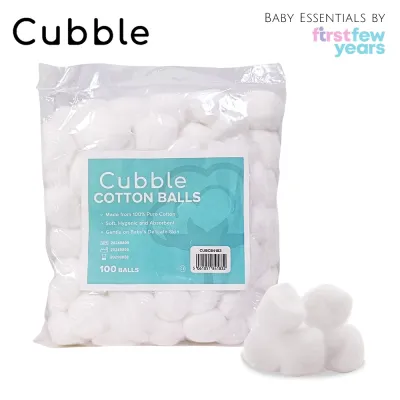
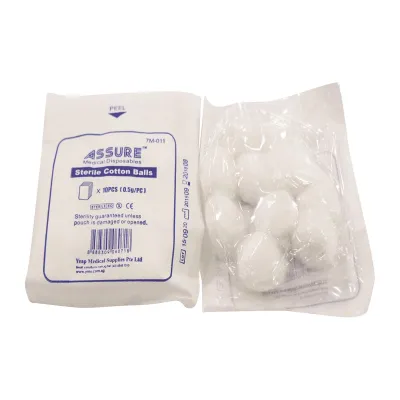
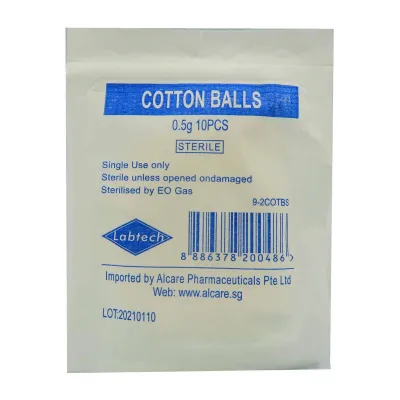
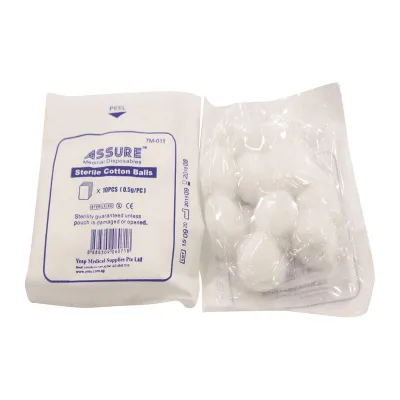
Prices are valid at publication and may change. Please refer to the product page for the latest price.
Facial Cleaning: How to Use Cotton Balls Safely on Skin and Eyes
A newborn’s skin is incredibly thin and vulnerable to external irritants. When cleaning your baby’s face, using the correct technique is just as important as choosing the right material. Cotton balls can be an excellent tool for daily hygiene, provided they are saturated correctly and used with extreme gentleness.

Best Practices for Wiping Eyes and Face
To clean your baby’s eyes safely, always follow the “one wipe, one discard” rule. Using a single cotton ball for both eyes, or wiping the same eye multiple times with the same surface, can easily spread bacteria and lead to infections like conjunctivitis. Always use a fresh, clean cotton ball for each individual wipe.
The direction of your wipe is also critical for protecting delicate tear ducts. Gently sweep the damp cotton ball from the inner corner of the eye, near the nose, outward toward the temple. This motion prevents debris and bacteria from being pushed back into the tear duct, where they could cause blockages or irritation.
When preparing the cotton balls, always moisten them with warm, sterile water or a paediatrician-approved saline solution. Avoid using standard tap water directly from the tap if your baby is a newborn, and never use harsh soaps or adult facial cleansers on these delicate areas. The water should be comfortably warm to the touch, ensuring it does not startle or scald the baby.
Always use gentle patting or light sweeping motions rather than rubbing or scrubbing. A baby’s outer skin layer, the stratum corneum, is still developing and can easily tear under physical friction. Let the moisture of the damp cotton ball loosen any dried crust naturally before wiping it away.
Risks to Monitor: Lint, Friction, and Allergies
One of the primary physical risks of using standard cotton balls is the shedding of loose cotton fibres, commonly known as lint. These tiny fibres can easily detach, especially when the cotton ball is dry or only partially wet, and find their way into your baby’s eyes or stick to damp facial skin. Once trapped, lint can cause persistent scratching, redness, and irritation that prompts the baby to rub their eyes.
Repetitive friction from dry or low-quality cotton balls can quickly disrupt your baby’s fragile skin barrier. This barrier acts as a shield against environmental pathogens and moisture loss. When subjected to rough textures or dry wiping, the skin can develop micro-tears, redness, and localized dry patches that are highly uncomfortable for your infant.
There is also a risk of contact dermatitis from hidden chemical residues left behind during the manufacturing process. Many commercial cotton products undergo chlorine bleaching or contain synthetic polyester blends that do not absorb water well and feel much rougher on the skin. Fragrances and chemical binders used to hold the cotton ball’s shape can also trigger allergic reactions on sensitive baby skin.
Caregivers must actively monitor their baby’s skin during and after grooming. If you notice persistent redness, localized swelling, or if your baby frequently rubs their eyes and face after cleaning, stop using the cotton balls immediately. These signs indicate that the material or the technique is causing irritation, and you should switch to a gentler alternative.
Ear Cleaning: The Critical Difference Between Outer Ear and Ear Canal
When it comes to cleaning a baby’s ears, safety is defined by a clear physical boundary. The rule is simple: you should only clean what you can see on the outside. Understanding this boundary is vital to avoiding accidental injuries that could affect your baby’s hearing.
Safe Techniques for the Outer Ear
The “outer ear” consists of the visible external cartilage, known as the pinna, and the skin directly behind the ear. This is the only safe zone for using cotton balls. Milk residue, sweat, and dead skin cells frequently accumulate in these folds, making regular cleaning necessary to prevent odours and skin irritation.
To clean this area, dampen a high-quality cotton ball with warm water and squeeze out any excess liquid. Gently trace the curves of the pinna, wiping away any visible buildup from the outer folds. Be careful not to let water drip into the ear canal, as trapped moisture can create a breeding ground for bacteria.
After wiping, always take a dry cotton pad or a soft cloth to thoroughly dry the area behind the ears. In Singapore’s warm and highly humid climate, trapped moisture in these tight skin folds can quickly lead to skin breakdown, chafing, or fungal infections like intertrigo. Ensuring these areas are completely dry after bath time is an essential step in your baby’s daily care routine.
The Danger of Inserting Cotton Balls into the Ear Canal
A baby’s ear canal is a highly delicate, self-cleaning system that does not require any manual intervention. Earwax, or cerumen, is naturally produced to protect, lubricate, and clean the ear canal by trapping dust and foreign particles. As your baby chews, sucks, and moves, this wax gradually migrates outward to the entrance of the ear canal, where it can be safely wiped away.
Inserting a cotton ball, cotton bud, or any other object into the ear canal is highly dangerous. Instead of removing wax, insertion almost always pushes the wax deeper into the canal, leading to impaction. This buildup can block sound waves, temporarily affect hearing, and create a painful pressure inside the ear.
Furthermore, the skin lining the ear canal is incredibly thin and easily scratched. A minor scratch from an object can easily become infected, leading to painful external otitis (swimmer’s ear). There is also a severe risk of pushing the object too far and puncturing the delicate eardrum, which can cause permanent hearing damage and intense pain.
Even if a cotton ball feels soft and harmless, its shape is too large for a baby’s tiny ear canal, and any sudden movement from your baby during grooming can cause immediate injury. Internal ear cleaning should never be attempted at home. If you suspect your baby has a wax buildup, an ear infection, or an obstruction, always consult a qualified healthcare professional who has the specialized tools to safely examine and treat the ear canal.
What to Look for When Buying Cotton Balls for Baby Grooming
Not all cotton products are created equal. When shopping for your baby’s grooming kit in Singapore, it is important to look past clever marketing and focus on verifiable label details to ensure the products you buy are safe for newborn skin.
Checking Purity, Bleaching, and Fragrance
The first detail to verify on the packaging is the material composition. Look for labels that explicitly state “100% pure cotton” or “organic cotton.” Avoid products that list synthetic blends, such as polyester or rayon, as these materials are less absorbent, can feel scratchy, and may contain chemical residues from synthetic manufacturing.
It is also highly beneficial to choose unbleached cotton products. Standard cotton balls are often bleached with chlorine to achieve a bright white appearance, which can leave behind trace amounts of dioxins and other chemical irritants. Unbleached cotton, which typically has an off-white or cream colour and may contain tiny dark specks of natural cotton seed, is processed without these harsh chemicals, making it much safer for sensitive skin.
Always prioritize products that are clearly labeled “fragrance-free” and “hypoallergenic.” Be cautious of products labeled “unscented,” as these may still contain masking fragrances designed to neutralize chemical smells without adding a noticeable scent. True fragrance-free products contain no added perfume chemicals, reducing the risk of allergic contact dermatitis.
Finally, look for verifiable dermatological testing claims on the packaging, such as “clinically tested for sensitive skin” or certifications from recognized organic textile standards. These labels indicate that the product has undergone independent evaluation to confirm its safety and compatibility with delicate skin barriers.
Evaluating Texture and Lint-Free Claims
The physical structure of the cotton ball is just as important as its chemical purity. When selecting cotton balls, look for options that feature high density and tight weaving. Loose, poorly made cotton balls will quickly fall apart, shred, and lose their shape the moment they come into contact with water, leaving behind a mess of wet fibres on your baby’s face.
Look for products that explicitly claim to be “lint-free” or “low-lint.” In practical terms, this means the cotton fibres have been processed or bound in a way that minimizes shedding during use. This is particularly crucial for eye cleaning, where stray fibres can cause immediate physical discomfort and corneal irritation.
You can perform a simple at-home verification test before using a new brand of cotton balls on your baby. Take a dry cotton ball and gently pull it apart; if it releases a cloud of loose fibres or tears apart with almost no resistance, it is highly likely to shed lint when wet. A high-quality cotton ball should hold its shape and offer some physical resistance when pulled.
For tasks that require absolute structural integrity, such as wiping the eyes, you may find that multi-layered cotton pads or rounds are a better choice than traditional spherical cotton balls. These pads are designed with sealed edges and pressed layers, which drastically reduces the risk of fibre shedding while providing a flatter, more controllable surface for cleaning.
Gentle Alternatives to Add to Your Baby's Grooming Kit
While cotton balls have their place, several modern alternatives offer superior safety, convenience, and structural integrity for daily baby grooming. Expanding your baby’s grooming kit with these options can make daily cleaning tasks much easier and safer.
- Cotton Pads and Rounds: These flat, disc-shaped pads are an excellent upgrade from traditional cotton balls. They feature tightly pressed layers and sealed edges that virtually eliminate the risk of lint shedding. Their flat surface area gives you much better control when wiping around the eyes and face, and they do not roll or fall apart when saturated with water.
- Dry Cotton Wipes (Cotton Tissues): These are highly durable, single-use sheets made from 100% pure cotton. They can be used dry for wiping spills or moistened with warm water to create a fresh, chemical-free wet wipe. Because they are spun-lace and tightly woven, they are completely lint-free and do not tear during use, making them one of the most hygienic and versatile options available.
- Soft Muslin or Bamboo Washcloths: For general face washing and bath time, reusable cloths made from ultra-soft muslin or bamboo fibres are highly recommended. These materials are incredibly gentle on the skin and can be washed and reused hundreds of times. However, to maintain hygiene, you must launder them at high temperatures (at least 60 degrees Celsius) and dry them thoroughly to prevent the growth of bacteria and mould.
- Pre-moistened Baby Wipes: For quick cleanups on the go, pre-moistened wipes offer unmatched convenience. However, when using them on a newborn's face, you must check the ingredient list carefully. Choose wipes that are water-based (containing 99% water), completely fragrance-free, and formulated with minimal ingredients to avoid disrupting the delicate skin barrier.
Warning Signs: When to Stop and Consult a Paediatrician
Even with the gentlest grooming routine, skin irritation, infections, or underlying health issues can still occur. Caregivers must be able to recognize the early warning signs that indicate a need to stop home grooming and seek professional medical advice.
On your baby’s face and eyes, watch closely for persistent redness, localized swelling of the eyelids, or the presence of unusual discharge, such as yellow or green crusts that glue the eyelashes shut. Excessive tearing, watery eyes, or behavioral signs like your baby constantly rubbing their eyes or showing sensitivity to light are also clear indicators of irritation or infection.
For the ears, warning signs include any foul odour coming from the ear canal, fluid drainage (which may be clear, yellow, or blood-stained), or redness and swelling around the outer ear. Behavioral clues are especially important in infants; watch for frequent pulling or tugging at the ear, unusual fussiness, difficulty sleeping, or crying when the ear area is touched, which can point to a painful middle or outer ear infection.
If you observe any of these warning signs, do not attempt to treat the issue at home with over-the-counter creams, ear drops, or home remedies, as these can worsen the condition or mask important symptoms. Stop using your current grooming tools immediately and schedule an appointment with a paediatrician or visit a child health clinic in Singapore for a proper diagnosis and safe treatment plan.
Frequently Asked Questions (FAQ)
Is it safe to use cotton balls to clean a baby's nose?
No, it is not safe to insert cotton balls, or to twist them into small points to insert into your baby’s nostrils. The nasal lining in infants is extremely delicate and highly vascularized; inserting foreign objects can easily cause scratches, bleeding, or push dried mucus further up the nasal passage, causing a blockage. If your baby has nasal congestion, the safest method is to use a few drops of sterile saline nasal spray to loosen the mucus, followed by a dedicated baby nasal aspirator or a clean bulb syringe to gently suction it out. For external cleaning, simply use a damp, soft cotton pad or cloth to wipe away any visible mucus from the outside of the nostrils.
How often should I clean my baby's ears and face?
Your baby’s face should be gently wiped at least once a day, and additionally after feedings to remove milk residue, drool, or food particles that can cause skin irritation. Pay close attention to the neck folds and behind the ears, where moisture and residue tend to collect. In contrast, the outer ears do not need daily cleaning; wiping them with a damp cloth or cotton pad during their regular baths—typically two to three times a week—is more than sufficient. The ear canal itself requires absolutely zero routine cleaning, as earwax naturally migrates outward and serves as a protective barrier that keeps the ear clean and healthy.
Community discussion
Share your experience or ask a question. Comments are reviewed before publication.