
Selecting the correct baby bottle cleanser refill is a fundamental step in maintaining your infant’s feeding hygiene and preserving the lifespan of your bottles. Because baby bottles are manufactured from a variety of materials—including traditional glass, polypropylene (PP), polyphenylsulfone (PPSU), and flexible silicone—they interact differently with cleaning agents and physical scrubbing tools. Choosing a compatible Pigeon cleanser refill requires a systematic approach to identifying your bottle materials, reading product labels carefully, and establishing a safe washing routine.
To make an informed purchase, you must first verify the exact material of your bottles and nipples, as some formulations are optimized for specific surfaces. While plant-based liquid cleansers are generally designed to be gentle, certain plastics and silicones are highly prone to absorbing odors or developing micro-scratches if paired with the wrong cleaning tools or harsh chemical agents. By matching the cleanser’s properties to your bottle type, you can ensure thorough removal of stubborn milk fats while preventing premature wear, cloudiness, or chemical residue.
Step 1: Identify Your Baby Bottle Material
Before purchasing a cleanser refill, you must accurately determine what material your baby bottles are made of, as each type has distinct physical properties and care requirements. Baby bottles generally fall into four primary material categories: glass, polypropylene (PP), polyphenylsulfone (PPSU), and silicone. Misidentifying these materials can lead to improper cleaning choices that may degrade the bottle over time.
Products mentioned in this guide
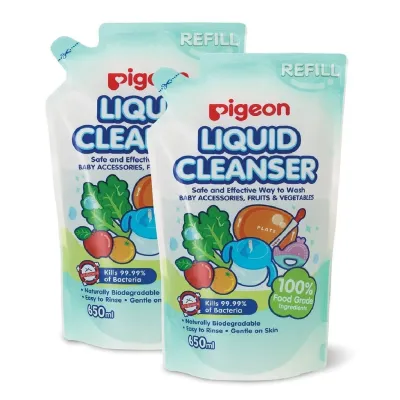
![[6-Pk] Pigeon Liquid Cleanser Refill 650ml [Exp:2028]](https://img.lazcdn.com/g/p/9b388095b25ffc97428971ef201d38c9.png_400x400q80.png_.webp)
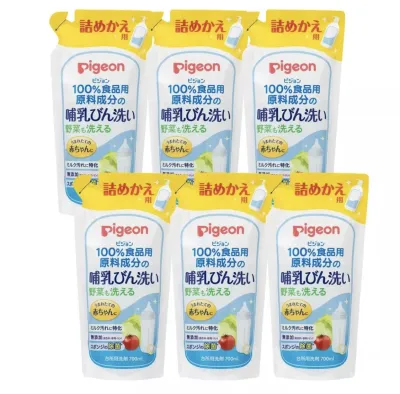
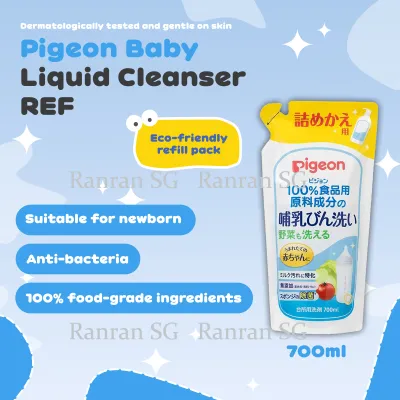
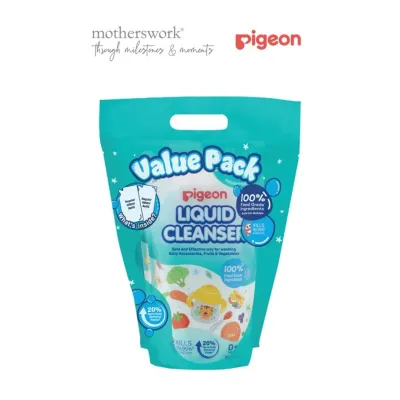
Prices are valid at publication and may change. Please refer to the product page for the latest price.
Glass bottles are the easiest to identify due to their weight, rigidity, and complete transparency. They feel cool to the touch and do not bend or flex under pressure. While glass is highly durable and resistant to chemical interactions, it is fragile and requires careful handling during washing to avoid chips or breakage.
Polypropylene (PP) is a lightweight, semi-translucent plastic that often has a slightly milky or cloudy appearance. It is somewhat flexible when squeezed firmly and is highly common in budget-friendly bottle options. However, PP is more susceptible to heat degradation and scratching compared to other materials, meaning it requires a gentle touch and highly compatible liquid cleansers.
Polyphenylsulfone (PPSU) is a medical-grade plastic known for its high durability and distinct honey-colored or amber tint. It is lightweight and rigid, offering excellent heat resistance. Because PPSU is an investment, using the correct non-abrasive cleanser is vital to maintain its clarity and prevent the surface from becoming cloudy or yellowed prematurely.
Silicone is used primarily for bottle nipples, valves, and some modern flexible bottle bodies. It has a soft, rubbery, and highly pliable texture. Silicone is extremely porous compared to glass or rigid plastics, which means it easily absorbs food odors, oils, and chemical fragrances if washed with incompatible or heavily scented detergents.
To verify your bottle’s material, inspect the base of the bottle, the collar, or the original packaging for embossed markings or recycling codes. Polypropylene bottles typically feature the recycling number “5” or the letters “PP” molded into the plastic. PPSU bottles are usually marked with “PPSU” or may fall under the broader recycling category “7.” If no markings are visible, consult the manufacturer’s website or the product manual before introducing a new cleaning agent. Accurate material identification is the mandatory first step in preventing chemical degradation, surface cloudiness, and the buildup of stubborn residues.
Step 2: How to Verify Pigeon Cleanser Refill Compatibility
Once you have identified your bottle materials, the next step is to carefully read the labels and official specifications of the Pigeon cleanser refill options available in your market. Liquid cleansers are formulated with different active ingredients, and verifying their compatibility ensures they will perform effectively without damaging your specific feeding equipment.

When examining a cleanser refill package, look closely at the ingredient list and product claims. Key indicators to look for include terms like “food-grade ingredients,” “plant-based surfactants,” or “vegetable-derived formulation.” These terms indicate that the active cleaning agents are derived from natural sources, such as coconut or palm, which are typically designed to break down milk proteins and fats while rinsing away cleanly without leaving synthetic chemical residues.
Additionally, check the label for pH disclosures. A neutral or slightly balanced pH is generally preferred for baby bottle cleansers, as highly acidic or alkaline solutions can accelerate the degradation of plastic and silicone components. Look for explicit statements on the packaging indicating that the formula is safe for washing baby bottles, nipples, pacifiers, and breast pump accessories.
Cross-referencing the physical refill packaging with official manufacturer websites or authorized local distributor descriptions is highly recommended. Formulations can sometimes vary by region to comply with local regulatory standards, so ensuring your refill matches the official specifications for your market is a safe practice. If you are purchasing from an online marketplace or ecommerce platform, verify that the product listing matches the details on the physical packaging.
If the refill label does not explicitly state compatibility with your specific bottle material—such as PPSU or silicone—do not make assumptions. In such cases, the safest course of action is to contact the manufacturer’s customer support directly to confirm compatibility. Alternatively, consult a qualified pediatric professional or feeding specialist for guidance on safe cleaning alternatives.
Step 3: Matching Cleanser Formulations to Bottle Types
To choose the right refill, it helps to understand how different cleanser formulations interact with specific bottle materials. While most high-quality baby bottle cleansers utilize gentle, plant-based surfactants, the physical characteristics of your bottles dictate how these formulas should be applied.
Plant-based and vegetable-derived cleansers are formulated to target milk fat and protein residues, which are notoriously difficult to remove with water alone. These cleansers work by emulsifying the fats, allowing them to be easily rinsed away. Because they lack harsh synthetic detergents, they are highly suitable for daily, frequent washing of sensitive baby gear.
However, porous and heat-sensitive materials like silicone and PP require extra consideration. Silicone nipples and flexible bottles can easily trap chemical fragrances and oils within their porous structure. If a cleanser contains strong artificial perfumes or essential oils, these scents can linger, potentially causing your baby to reject the bottle due to an altered taste. For silicone, look for fragrance-free or extremely mild vegetable-derived refills that rinse away completely.
For PP and PPSU plastics, the primary concern is surface scratching and chemical clouding. PP is relatively soft and can develop micro-scratches easily. When micro-scratches form, milk fats and bacteria can settle into the grooves, making the bottle difficult to sanitize. PPSU, while highly durable, can still suffer from surface wear if exposed to harsh chemical agents over extended periods.
To guide your selection, use this conditional framework for matching cleanser traits to your bottle materials:
- Glass Bottles: Highly compatible with standard plant-based liquid cleansers. Because glass is non-porous and highly chemical-resistant, it can tolerate a wider range of washing formulations, though thorough rinsing remains essential to prevent a soapy film.
- PPSU Bottles: Best paired with gentle, non-abrasive, vegetable-based cleansers. Ensure the refill label explicitly confirms safety for high-grade plastics to preserve the amber clarity of the material over hundreds of wash cycles.
- PP Bottles: Require mild, fragrance-free or low-fragrance plant-based cleansers. Avoid any formulas with harsh chemical solvents that could accelerate plastic degradation under warm, humid conditions.
- Silicone Components: Must be washed with highly rinsable, fragrance-free, food-grade cleansers. The formula should leave absolutely zero residue to prevent odor retention and maintain the flexibility of the silicone.
Always prioritize the instructions on the physical product label over general category assumptions. Manufacturers frequently update their formulations, so a quick check of the back label before each purchase is the best way to ensure ongoing compatibility.
Step 4: Safe Cleaning Practices for Different Materials
Selecting the correct cleanser refill is only half the battle; establishing a safe, material-specific washing routine is equally important to maintain bottle integrity and ensure infant safety. Improper washing techniques can damage bottles even if you are using a compatible cleanser.
The choice of cleaning tools must match the hardness of your bottle material. For glass bottles, soft nylon bristle brushes or sponge brushes are highly effective at removing stubborn residue. However, for PP, PPSU, and silicone bottles, you should strictly avoid stiff nylon bristle brushes. These bristles can create microscopic scratches on plastic and silicone surfaces. Instead, opt for soft sponge brushes or dedicated silicone cleaning brushes, which glide smoothly over the surfaces without causing abrasive wear.
Thorough rinsing is critical to ensure no cleanser residue remains on the feeding equipment. After scrubbing with the diluted cleanser, rinse every component under clean, running water. Pay close attention to silicone nipples and valves; gently massage the silicone under the stream of water to flush out any soapy film that may have accumulated in the crevices or feeding holes.
In warm, humid tropical environments, proper drying is essential to prevent the growth of mold and bacteria. After rinsing, place all bottle parts on a clean, elevated drying rack in a well-ventilated area. Avoid leaving wet bottle parts in enclosed spaces or damp sinks where moisture can linger.
Regularly inspect your baby bottles for observable signs of material degradation. If you notice persistent cloudiness that does not clear after washing, a sticky or tacky texture on plastic or silicone surfaces, or a strong, lingering sour milk or chemical odor, these are clear warning signs. Such changes indicate that the material may be breaking down or harboring deep-seated residues. If these signs appear, stop using the affected bottle or nipple immediately and replace it.
Frequently Asked Questions (FAQ)
Can I use the same Pigeon cleanser refill for both bottles and breast pump parts?
Yes, you can generally use the same cleanser refill for both baby bottles and breast pump parts, provided the pump components are made of compatible materials like PP, silicone, or liquid silicone rubber. Always check the breast pump manufacturer’s instruction manual to verify that liquid baby bottle cleansers are approved for their specific parts. Ensure you rinse all pump valves and membranes thoroughly, as any soap residue can affect the vacuum suction and degrade the flexible parts over time.
How can I tell if my Pigeon cleanser refill has expired or degraded?
To determine if a cleanser refill is still safe to use, start by checking the packaging for a printed expiration date or manufacturing batch code. You should also perform a physical inspection of the liquid. If you notice a distinct separation of ingredients, unusual cloudiness in a normally clear formula, a significant change in thickness, or an off-putting or sour odor, the product has likely degraded. In these cases, discard the refill and purchase a fresh pack to ensure effective cleaning.
Is it necessary to sterilize bottles after using a Pigeon cleanser?
Yes, sterilization remains a necessary step for infant feeding safety, especially for newborns and infants with developing immune systems. Liquid cleansers are designed to perform chemical cleaning, which removes physical residues like milk fats, proteins, and sugars that bacteria feed on. However, cleaning does not eliminate all microscopic pathogens. After thoroughly washing and rinsing your bottles with a compatible cleanser, you must follow up with thermal sterilization (such as steam or boiling water) or UV sterilization according to the bottle manufacturer’s guidelines to ensure the equipment is completely sanitary.

Community discussion
Share your experience or ask a question. Comments are reviewed before publication.