
Choosing the right breast pump is a highly personal decision that depends on your daily routine, how often you plan to express milk, and your budget. Pigeon offers three main categories of breast pumps—manual, single electric, and double electric—each designed to support different breastfeeding journeys. To find the model that fits your lifestyle, you need to balance factors like portability, time efficiency, and ease of use. By understanding how each type operates and aligning its features with your specific needs, you can make an informed choice that ensures a comfortable and successful feeding experience for both you and your baby.
Understanding Your Pumping Frequency and Lifestyle
Your daily routine and breastfeeding goals are the most critical factors when selecting a breast pump. Mothers who plan to nurse directly most of the time and only need to express milk occasionally have very different requirements from those who are returning to full-time work or exclusively pumping. Assessing your lifestyle helps you determine whether you need a highly portable, lightweight option or a heavy-duty, time-saving machine.
Pigeon categorizes its breast pumps into manual, single electric, and double electric models to address these varying needs. Manual pumps rely entirely on hand coordination and physical effort, making them highly portable and independent of power sources. Single electric pumps introduce motorized suction to automate the process for one breast at a time, offering a middle ground of convenience. Double electric pumps allow simultaneous expression from both breasts, maximizing efficiency and milk stimulation.
Products mentioned in this guide
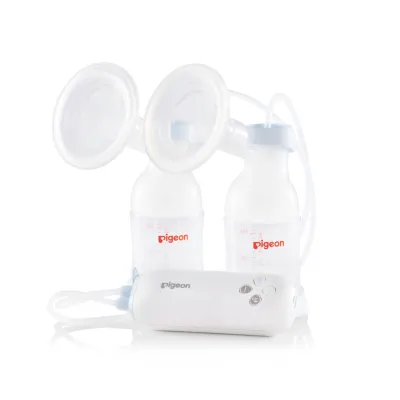
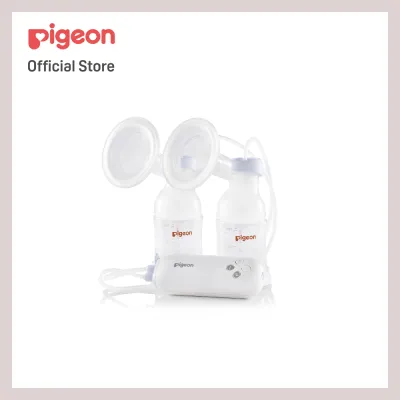
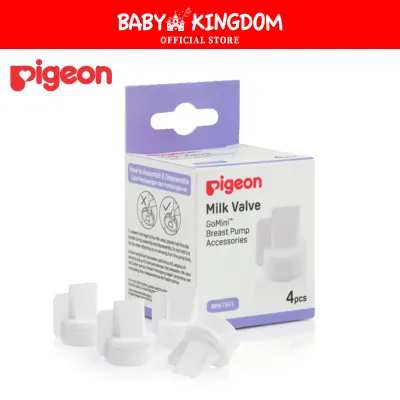
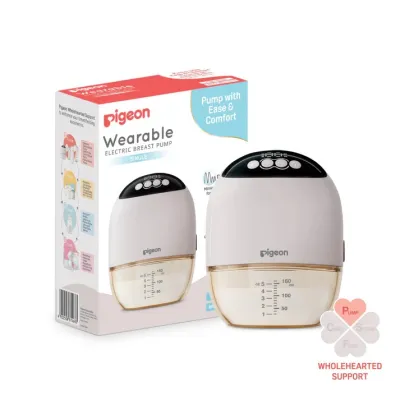
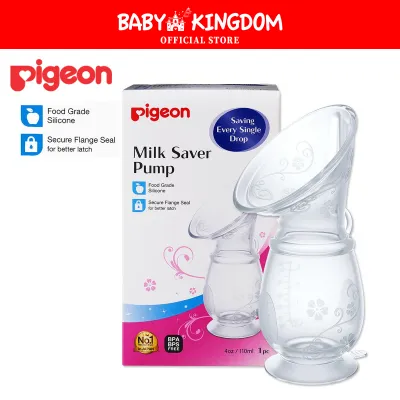
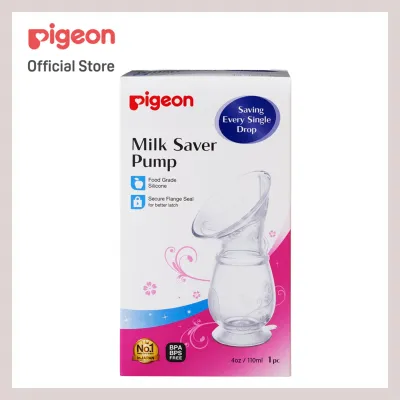
Prices are valid at publication and may change. Please refer to the product page for the latest price.
When evaluating these options, consider your pumping frequency first. If you only express milk once or twice a week to let a partner handle a night feeding, a manual pump is often sufficient. If you pump multiple times a day while managing a busy schedule, an electric model becomes almost essential.
Portability and noise tolerance are also key considerations, especially for mothers in Singapore who commute or pump in shared office spaces. A quiet, compact pump allows for discreet expression, while a bulkier unit might be better suited for stationary use at home. Budget is another practical factor, as prices vary significantly between simple manual designs and advanced double electric systems.
Additionally, you should think about your long-term breastfeeding plans. If you intend to breastfeed for several years, investing in a durable electric pump early on can offer better long-term value. Conversely, if you are unsure about your pumping journey or only need a pump for a few weeks, a manual or single electric model represents a lower financial risk.
Pigeon Manual Breast Pumps: Features and Ideal Use Cases
Pigeon manual breast pumps are designed for simplicity, portability, and complete user control. These devices operate via a hand-activated lever, allowing you to manually control the suction strength and rhythm. Because they do not require batteries, charging cables, or electrical outlets, they are exceptionally lightweight and can be used anywhere at any time.

Many Pigeon manual pumps feature a dual-phase design, which includes a stimulation mode and an expression mode. The stimulation mode uses short, shallow strokes to mimic a baby’s initial rapid sucking, which helps trigger the milk let-down reflex. Once milk begins to flow, you switch to the expression mode, using longer, deeper strokes to draw out the milk efficiently.
The mechanical design of a manual pump makes it virtually silent during operation. This quietness is highly beneficial for late-night pumping sessions next to a sleeping baby or when you need to express milk discreetly in public spaces. Additionally, manual pumps have fewer parts to clean and assemble, which simplifies your daily maintenance routine.
However, manual pumping requires continuous physical effort, which can lead to hand fatigue during longer sessions. Expressing milk from both breasts also takes twice as long compared to using a double electric pump, as you can only work on one side at a time. This makes manual models less practical for mothers who need to express large volumes of milk quickly or frequently.
The ideal user for a Pigeon manual breast pump is a mother who primarily breastfeeds directly and only needs to pump occasionally. It is also an excellent option for part-time working mothers, those who travel frequently and need a lightweight backup device, or anyone looking for a budget-friendly entry into milk expression.
Pigeon Single Electric Breast Pumps: Features and Ideal Use Cases
Pigeon single electric breast pumps offer a balance of motorized convenience and affordability. These models automate the suction process, removing the physical strain associated with manual pumps. They typically feature adjustable suction levels and speed settings, allowing you to customize the pumping experience to mimic your baby’s natural sucking pattern.
Most single electric models incorporate automated two-phase technology, transitioning smoothly from a rapid stimulation phase to a slower, deeper expression phase. This automation helps optimize milk flow without requiring manual adjustments to the pumping rhythm. The user interface is usually straightforward, featuring simple button controls or LED displays to monitor your session.
Many single electric models are designed with portability in mind, featuring compact motor units that can run on batteries or USB power sources. This flexibility makes them highly suitable for mothers transitioning back to work who have access to a private space but may not want to carry a heavy double pump. When paired with a compatible pumping bra, a single electric pump can also allow for semi-hands-free operation on one side.
The primary limitation of a single electric pump is that it only expresses milk from one breast at a time. This means a full pumping session will still take longer than it would with a double electric model. Additionally, because these units rely on a motor, they generate some operational noise and require access to a reliable power source or charged batteries to function.
This type of pump is ideal for moderate pumpers who express milk once or twice a day. It is well-suited for mothers who are building a modest milk stash before returning to work, or those who want the ease of an electric pump without the higher financial investment of a double electric system.
Pigeon Double Electric Breast Pumps: Features and Ideal Use Cases
Pigeon double electric breast pumps are engineered for maximum efficiency, speed, and milk output. By allowing you to pump from both breasts simultaneously, these models can cut your pumping time in half. This simultaneous stimulation is also known to help trigger a stronger let-down reflex, which can assist in maintaining or increasing your overall milk supply over time.
These advanced models feature robust motors with highly customizable settings, including distinct stimulation and expression phases. The ability to adjust both suction strength and cycle speed independently ensures that you can find a comfortable setting that maximizes milk flow. For busy mothers, the time saved during each session can make a significant difference in managing daily routines.
Another important feature of modern double electric pumps is the closed system design. A closed system uses a physical barrier, such as a diaphragm, to prevent breast milk from entering the tubing or the motor unit. This design is highly hygienic, as it prevents mold and bacteria growth within the pump’s internal components, making it easier to maintain and safer for your baby.
On the downside, double electric pumps are generally more expensive than manual or single electric options. They also have a larger physical footprint, requiring you to carry a heavier motor unit, double tubing, and multiple breast shields and bottles. The increased number of parts also means more components to wash, sterilize, and assemble before and after each use.
A double electric pump is the ideal choice for exclusive pumpers who rely entirely on expressed milk to feed their babies. It is also highly recommended for working mothers with limited break windows, mothers of multiples, or anyone who prioritizes speed, efficiency, and maximizing their milk yield.
Comparing Key Specifications Across Pigeon Models
To help you visualize the structural differences between these three categories, the table below compares their key operational dimensions. This comparison highlights how each pump type aligns with different lifestyle priorities.
| Feature | Manual Breast Pump | Single Electric Breast Pump | Double Electric Breast Pump |
|---|---|---|---|
| Power Source | None (Manual operation) | AC Adapter, USB, or Batteries | AC Adapter, USB, or Rechargeable Battery |
| Portability | Extremely high (Lightweight, pocket-sized) | Moderate to high (Compact motor unit) | Moderate (Larger motor unit, more parts) |
| Pumping Speed | Slow (One breast at a time, manual pace) | Moderate (One breast at a time, motorized) | Fast (Simultaneous double pumping) |
| Relative Cost | Budget-friendly | Mid-range | Premium |
| Noise Level | Silent | Low to moderate motor hum | Moderate motor hum |
| Cleaning Effort | Low (Minimal parts, no tubing) | Moderate (Includes valve, diaphragm, bottle) | Higher (Double parts, tubing maintenance) |
| System Type | Open system (No tubing) | Typically closed system | Typically closed system |
When shopping for a specific model, it is important to verify the exact specifications, flange compatibility, and current S$ pricing on official brand websites or authorized online retailers in Singapore. Features can vary between specific product generations, so checking the manufacturer’s latest product documentation ensures you get the most accurate details before purchasing.
Final Decision Framework: Which Pigeon Pump Should You Choose?
To make your final decision, evaluate your daily schedule and feeding goals against the following condition-based recommendations.
Choose a Pigeon Manual Pump if:
- You plan to breastfeed directly almost exclusively and only need to express milk occasionally for outings or partner feedings.
- You require a completely silent, lightweight pump that fits easily into a handbag without worrying about power outlets or batteries.
- You are looking for a highly affordable option or a reliable backup pump to keep in your diaper bag or office drawer.
Choose a Pigeon Single Electric Pump if:
- You pump once or twice a day and want a motorized solution that prevents hand fatigue without the cost of a double pump.
- You have a moderate budget and want a balance of portability and automated convenience.
- You want a compact electric unit that is easy to transport between home and work.
Choose a Pigeon Double Electric Pump if:
- You are an exclusive pumper or need to express milk multiple times a day to maintain your supply.
- You are returning to work full-time and have limited break times, making speed and efficiency your top priorities.
- You want to maximize your milk output and stimulate a stronger let-down reflex through simultaneous double pumping.
Verify First Before Purchasing
Before finalizing your purchase, always verify your flange size to ensure a comfortable and pain-free fit, as using the wrong size can reduce milk expression and cause nipple discomfort. If you experience persistent pain or difficulty expressing milk, consult a qualified lactation professional or healthcare provider for personalized guidance. Additionally, ensure you purchase your pump from authorized retailers in Singapore to secure a valid local warranty, which protects your investment against any manufacturing defects.

Community discussion
Share your experience or ask a question. Comments are reviewed before publication.