
Choosing the right breast pump in Singapore comes down to matching the device to your daily schedule, feeding goals, and return-to-work timeline. Because every mother’s breastfeeding journey is unique, the ideal pump is one that fits seamlessly into your lifestyle—whether you are working in a central business district office, managing a hybrid schedule, or staying home with your baby. By evaluating how often you plan to express milk and where you will be doing it, you can select a pump that supports your milk supply without adding unnecessary stress to your routine.
Assess Your Pumping Routine and Lifestyle Needs
Identifying your primary pumping requirements starts with looking at your daily schedule and feeding goals. Occasional pumping, such as for a weekly date night or letting a partner feed the baby, requires a very different setup than exclusive pumping or mixed feeding. If you plan to feed your baby directly from the breast most of the time, a simple backup pump is often sufficient.
For mothers returning to full-time work, time efficiency becomes the primary driver. Consider your typical workday schedule. Will you have dedicated breaks in a designated nursing room, or will you need to pump discreetly at your desk?
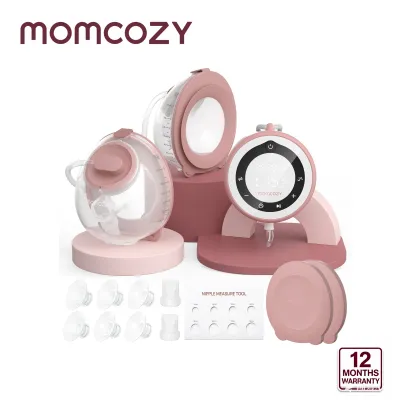
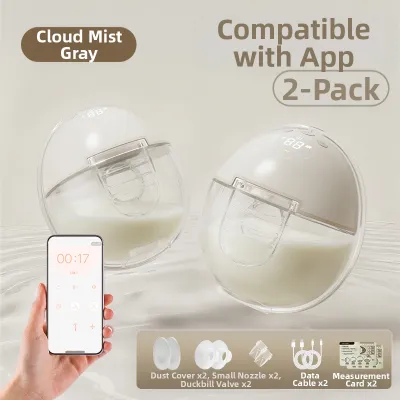
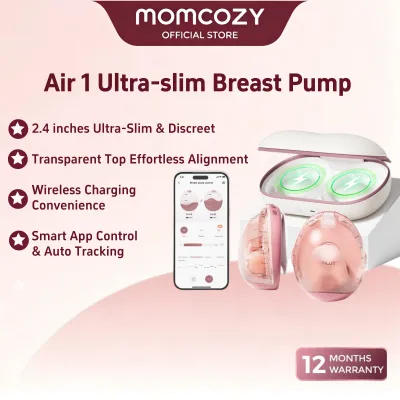
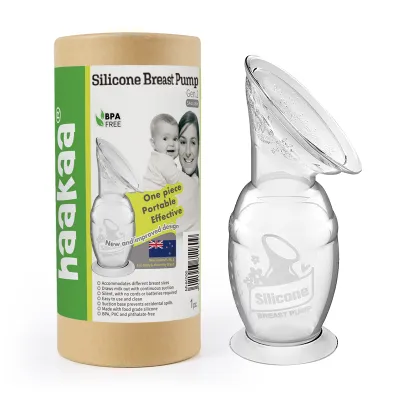
Products mentioned in this guide
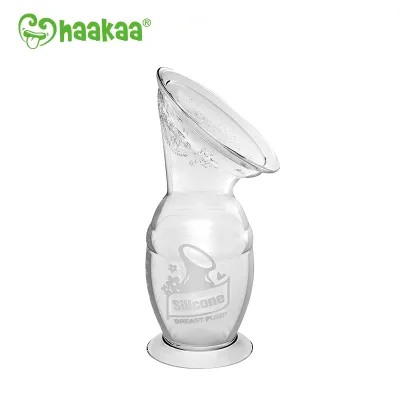
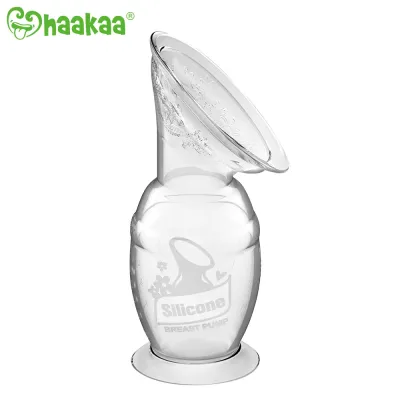
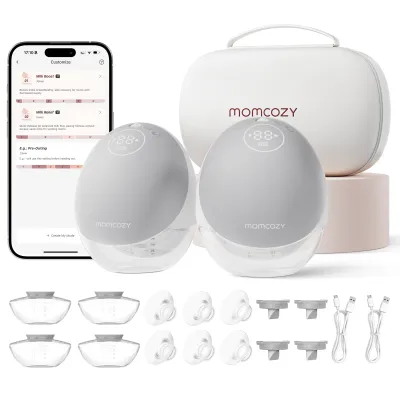
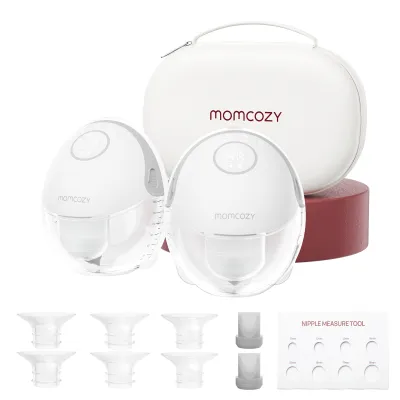
Prices are valid at publication and may change. Please refer to the product page for the latest price.
In Singapore, office environments vary widely. Some workplaces offer fully equipped lactation rooms with power outlets and refrigerators, while others may require you to be more self-sufficient. If your commute involves public transport like the MRT, carrying a heavy, bulky motor unit every day can quickly become tiring.
Mobility and discretion are also key if you travel frequently or need to pump during errands. Look at your typical environments: do you have reliable access to wall outlets, or do you need a battery-operated unit that can charge via USB in a car or from a portable power bank?
Match Your Needs to the Right Breast Pump Type
Once you have mapped out your daily routine, you can match your needs to one of the three main categories of breast pumps available on the market.

Manual Breast Pumps
Manual breast pumps are operated by hand, using a lever or handle to create suction. These are highly portable, completely silent, and require no electricity or batteries, making them excellent for occasional use or travel.
Many mothers find a manual pump useful for relieving engorgement during the early weeks of breastfeeding or for expressing milk when away from home for just a few hours. Because they have very few parts, they are easy to clean and slip into a small handbag.
However, manual pumping requires continuous physical effort. Expressing milk from both sides can take a significant amount of time and may cause hand or wrist fatigue during longer sessions. When evaluating manual options, check the handle ergonomics and the simplicity of the assembly on the product packaging.
Single Electric Breast Pumps
Single electric breast pumps offer a middle ground for mothers who pump moderately, such as a few times a week or once or twice a day. These units use an electric motor to automate the suction, reducing physical effort compared to manual models.
Because they pump one breast at a time, a full session will naturally take longer than using a double pump. This makes them ideal if you have a bit more flexibility in your schedule or are practicing mixed feeding.
When choosing a single electric pump, verify the motor’s noise level and weight. If you plan to use it outside the home, check whether it features a built-in rechargeable battery or if it must remain plugged into a wall outlet during operation.
Double Electric Breast Pumps
Double electric breast pumps are designed for high-frequency use, making them the standard choice for full-time working mothers and exclusive pumpers. By expressing milk from both breasts simultaneously, these pumps can cut your pumping time in half.
Simultaneous pumping is also known to stimulate prolactin levels, which can help maintain or increase your milk supply over time. This efficiency is crucial when you need to fit pumping sessions into structured office breaks.
Since double pumping occupies both hands, many mothers pair these units with a hands-free pumping bra. When comparing models, look for clear battery life indicators, adjustable suction cycles, and compatibility with wearable accessories to maximize your multitasking ability.
Essential Features to Verify on the Product Label
Before purchasing any breast pump, it is essential to read the product specifications and packaging details carefully to ensure the device matches your physical needs and lifestyle.
Flange sizing is one of the most critical factors for comfort and efficiency. The flange is the funnel-shaped plastic shield that fits over your nipple. Using an incorrect size can lead to friction, pain, and reduced milk output. Review the manufacturer’s guidelines on the packaging or official website to learn how to measure your nipple diameter and select the correct flange size.
Suction settings should offer flexibility. Look for pumps that feature adjustable modes, typically divided into a rapid stimulation phase (to mimic a baby’s initial quick sucks) and a slower expression phase. Avoid models with fixed, single-speed operation, as they do not allow you to customize the intensity to your comfort level.
Power options dictate where you can use the pump. Verify whether the unit uses a proprietary power adapter, standard AA batteries, or a rechargeable lithium-ion battery. USB-compatible charging is highly convenient for charging via laptops or power banks while commuting.
Cleaning requirements can impact your daily routine significantly. Check the product manual or packaging to see how many small parts—such as valves, membranes, and connectors—require daily disassembly, washing, and sterilization. A pump with fewer, dishwasher-safe parts can save valuable time.
When to Pause and Seek Lactation Support
While a breast pump is a valuable tool, it is not a replacement for professional lactation guidance. Pumping should never be painful. If you experience persistent pain, nipple damage, bruising, or poor milk transfer despite adjusting the settings, stop using the pump immediately.
These symptoms often indicate an incorrect flange fit, excessive suction, or an underlying latch issue that requires evaluation. Consult a certified lactation consultant or a healthcare professional to address these challenges safely.
Specialized guidance is particularly important if you are caring for a premature infant or a baby with specific oral anatomy needs, such as a tongue-tie. In these situations, a professional can help you design a customized pumping schedule and select medical-grade equipment if necessary.
Remember that a breast pump cannot diagnose lactation issues. Always prioritize your physical comfort and seek professional medical advice if you have concerns about your milk supply or physical well-being.
Frequently Asked Questions (FAQ)
Can I use a manual pump if I return to work full-time?
While it is physically possible, using a manual pump as your primary device when returning to work full-time can be highly challenging. Pumping both sides manually during a standard 15-to-30-minute office break requires significant physical effort and may not leave you with enough time to relax, which is essential for the let-down reflex. If your workplace breaks are short, a double electric pump is generally much more efficient for maintaining your milk supply and saving time.
Do I need to buy a breast pump before my baby is born?
It is generally not necessary to purchase a breast pump before your baby arrives, though having one ready can provide peace of mind. Your feeding goals may change postpartum, and your nipple size can shift once your milk supply fully establishes. Waiting until a few days or weeks after birth allows you to assess your actual milk production, measure your flange size accurately, and choose a pump that fits your real-world routine rather than an estimated one.
Community discussion
Share your experience or ask a question. Comments are reviewed before publication.