
Choosing the right breast pad is essential for staying dry, comfortable, and confident throughout your breastfeeding journey. Pigeon offers three distinct options—Disposable, Reusable, and Sensation—each designed to address different milk leakage volumes, skin sensitivities, and daily routines. To find your ideal match, you must balance your daily milk flow with your lifestyle preferences, such as how much time you have for laundry and whether you prioritize maximum convenience or environmental sustainability. By matching these factors to the specific design features of each variant, you can ensure reliable protection and optimal skin health.
Assess Your Breastfeeding Needs and Lifestyle
Every breastfeeding journey is unique, and your milk supply will likely fluctuate during the first few weeks postpartum compared to later months. To make an informed choice, start by tracking your leakage patterns throughout the day and night. Some mothers experience heavy let-downs that require highly absorbent barriers, while others only experience light, occasional spotting. Understanding these patterns helps you avoid under-protecting against heavy leaks or over-purchasing high-capacity pads when a lighter option would suffice.
Skin sensitivity is another critical factor to evaluate before buying. The breast and nipple areas can become highly sensitive, sore, or chafed, especially during the early stages of breastfeeding. Constant exposure to trapped moisture can exacerbate skin irritation or lead to issues like thrush. If you have sensitive skin, you will want to look for materials that offer high breathability and minimal friction.
Products mentioned in this guide
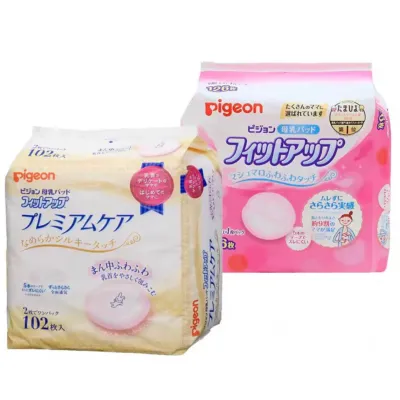
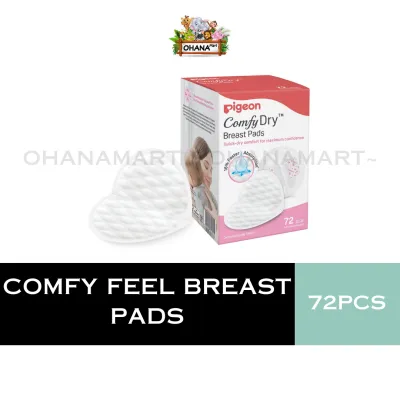
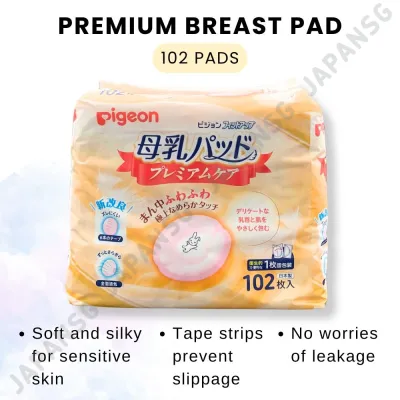
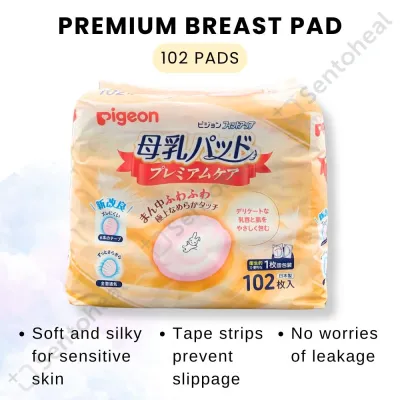
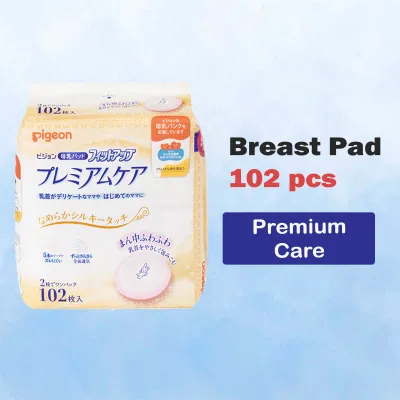
Prices are valid at publication and may change. Please refer to the product page for the latest price.
Finally, consider how your daily routine dictates your choice. If you are frequently on the go, traveling, or returning to work, the convenience of a single-use option might outweigh other factors. Conversely, if you prefer a zero-waste lifestyle and do not mind adding a small, delicate load to your regular laundry routine, washable pads may fit your household better. Balancing these practicalities ensures your choice remains sustainable for your daily schedule.
Pigeon Disposable Breast Pads: Best for Convenience and Heavy Leaks
For mothers dealing with heavy milk leakage or looking for reliable overnight protection, Pigeon Disposable Breast Pads offer a highly practical solution. These pads are engineered with an absorbent core designed to draw moisture away from the skin quickly, locking it inside to keep you dry for longer periods. This high-capacity design makes them particularly useful during the early weeks of breastfeeding when milk supply is still regulating and let-downs can be unpredictable.

The primary advantage of the disposable variant is its unmatched convenience. There is no need to worry about washing, drying, or maintaining a rotation of clean pads; you simply use them and discard them. This makes them an excellent choice for busy days, travel, or keeping in your diaper bag for quick changes on the go. However, users should weigh this immediate convenience against the ongoing cost of purchasing replacement boxes and the environmental impact of single-use products.
To ensure the pad stays securely in place, check the product packaging for details on its adhesive backing. Pigeon disposable pads typically feature double adhesive tapes that secure the pad to the inside of your nursing bra. This prevents the pad from shifting or bunching up during active movement, which is crucial for maintaining full coverage and preventing accidental leaks onto your clothing.
Pigeon Reusable Breast Pads: Best for Eco-Conscious and Light Leaks
If you prefer a sustainable approach to baby care, Pigeon Reusable Breast Pads provide an eco-friendly alternative that reduces daily waste. These pads are crafted from soft, breathable fabrics designed to feel gentle against your skin while providing a reliable barrier for light to moderate leaks. Because they can be washed and reused multiple times, they significantly lower your long-term expenses compared to buying disposable options continuously.
Maintaining proper hygiene is essential when using reusable pads to protect your skin from bacterial growth. You will need to follow the manufacturer’s washing instructions carefully, which typically involve gentle machine washing or hand washing with mild detergent. Ensuring the pads are completely dry before wearing them again is vital, as damp fabrics can harbor bacteria and cause skin irritation or infections.
While the initial investment for a set of reusable pads is higher than a single box of disposables, the long-term cost savings are substantial over months of breastfeeding. However, you must factor in the time and effort required for regular laundering. To make this option practical, it is wise to purchase enough pairs so you always have clean, dry pads available while others are in the wash.
Pigeon Sensation Breast Pads: Best for Sensitive Skin and Discretion
For mothers who prioritize a discreet look under fitted clothing and extra care for delicate skin, the Pigeon Sensation variant is designed to meet these specific needs. These pads feature an ultra-thin profile that contours naturally to your breast shape, making them virtually invisible under your favorite outfits. This makes them an excellent choice for returning to work, social outings, or any occasion where you want maximum discretion.
Beyond their sleek design, Sensation pads are crafted with materials that emphasize breathability and skin protection. The soft lining is engineered to minimize friction against sore or sensitive nipples, reducing the risk of chafing and irritation. By allowing air to circulate more freely, these pads help maintain a dry and comfortable environment, which is essential for skin recovery during active breastfeeding.
It is important to recognize that the ultra-thin design of the Sensation variant comes with certain absorbency limits. While they are highly effective at managing light to moderate leaks, they may not provide sufficient protection for very heavy let-downs or extended overnight use. Understanding this trade-off allows you to use them strategically when discretion and skin comfort are your primary goals.
Comparing Pigeon Breast Pads: Which Variant Fits Your Daily Routine?
To help you finalize your decision, it is helpful to compare the key characteristics of each Pigeon breast pad variant side by side. Keep in mind that you do not have to restrict yourself to just one type; many mothers find that a mixed approach works best. For example, you might use reusable pads during the day while at home, switch to the ultra-thin Sensation pads when heading out, and rely on high-absorbency disposables for overnight protection. Always verify the specific claims, materials, and usage instructions on the product packaging before purchasing to ensure they align with your needs.
| Variant | Ideal Leakage Level | Key Benefit | Maintenance Required |
|---|---|---|---|
| Pigeon Disposable | Heavy / Overnight | Maximum convenience and high absorbency | None (Single-use) |
| Pigeon Reusable | Light to Moderate | Eco-friendly and long-term cost savings | Regular washing and thorough drying |
| Pigeon Sensation | Light to Moderate | Ultra-thin discretion and sensitive skin comfort | None (Single-use) |
Frequently Asked Questions (FAQ)
How often should I change my breast pads to prevent skin irritation?
You should change your breast pads as soon as they feel damp, heavy, or uncomfortable. Leaving wet pads against your skin for extended periods creates a warm, moist environment that can lead to bacterial growth, nipple soreness, or thrush. Always check the manufacturer’s guidelines on the packaging for any recommended maximum wear times. If you experience persistent redness, itching, or severe soreness, stop using the pads and consult a lactation consultant or healthcare professional for guidance.
Can I use reusable breast pads overnight?
Whether you can use reusable breast pads overnight depends largely on your milk flow and the pad’s specific absorbency capacity. If you experience heavy overnight let-downs, a reusable pad might saturate quickly, leading to leaks on your bedding. Check the product label to see if the manufacturer recommends them for overnight use. If you choose to use them at night, ensure you have a sufficient supply of clean pairs so you can change them immediately if you wake up feeling damp.

Community discussion
Share your experience or ask a question. Comments are reviewed before publication.