
As you prepare for the arrival of your baby or navigate the early weeks of motherhood, you will encounter a wide array of newborn essentials. Among these items, breast pads—sometimes called nursing pads—frequently appear on shopping lists. However, not every mother experiences the same volume of milk leakage, leaving many to wonder if these absorbent inserts are truly necessary before making a purchase.
The short answer is that while breast pads are highly beneficial for many breastfeeding mothers, they are not a mandatory purchase for everyone. Your need for them depends on how your body regulates milk production, your daily routine, and your personal comfort preferences. Taking the time to assess your specific situation can help you avoid unnecessary purchases while ensuring you have the right support if you do need it.
Understanding Breast Milk Leakage: Why It Happens
To determine whether you need breast pads, it helps to understand why breast milk leakage occurs in the first place. During the early postpartum weeks, your body works to establish a balance between milk supply and your baby’s demand. Before this regulation occurs, your breasts may produce more milk than your baby requires, leading to spontaneous leaking as your body adjusts.
Products mentioned in this guide
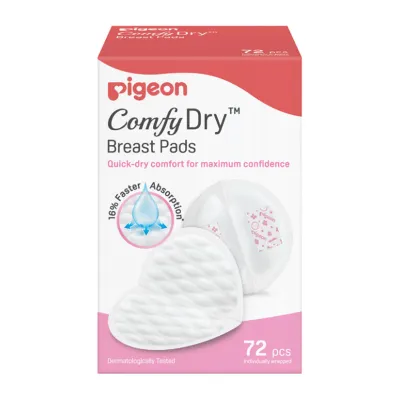
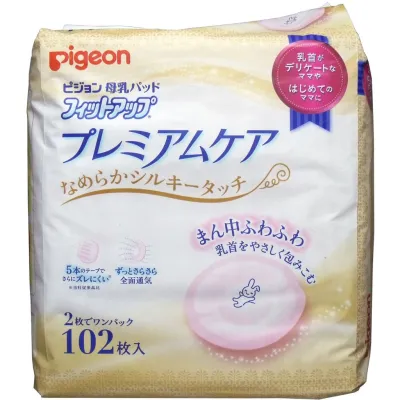
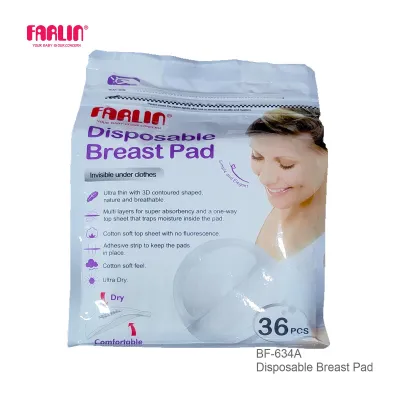
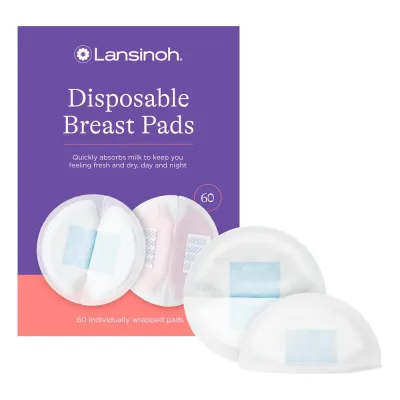
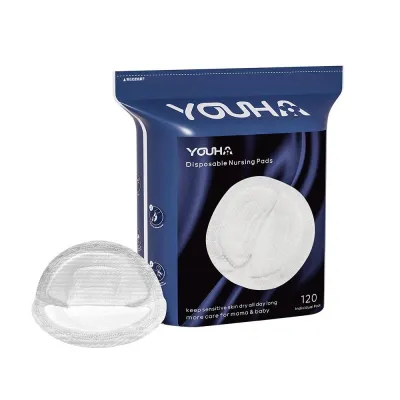
Prices are valid at publication and may change. Please refer to the product page for the latest price.
This process is heavily influenced by the let-down reflex, which is governed by the hormone oxytocin. This hormone causes the tiny muscles around your milk ducts to contract, pushing milk forward. Because oxytocin is closely tied to your emotions and senses, the let-down reflex can be triggered by unexpected stimuli. Hearing a baby cry, smelling your infant’s clothing, or simply thinking about your baby can cause your breasts to release milk unexpectedly.
Additionally, nursing or pumping on one breast frequently triggers a simultaneous let-down in the opposite breast. This bilateral reflex is entirely normal and is a clear sign that your body’s hormonal pathways are functioning correctly. It does not indicate a medical issue or necessarily mean you have an oversupply of milk.
The frequency and volume of milk leakage vary significantly from person to person. Some mothers experience heavy leaking that requires frequent changes of clothing, while others experience only a few drops or no leakage at all. Both experiences are completely normal variations of the postpartum journey, meaning there is no single standard for how your body will behave.
Self-Assessment: Signs You Might Need Breast Pads
Evaluating your daily physical comfort and routine can help you decide if breast pads are a practical addition to your wardrobe. The most obvious indicator is the physical volume of leakage you experience. If you regularly notice damp patches on your nursing bra or outer clothing, breast pads can provide a reliable barrier to prevent visible wet spots and protect your garments from milk stains.

Another critical factor is skin comfort and nipple health. When milk leaks onto fabric, the damp material rests directly against sensitive or healing nipple tissue. Continuous exposure to moisture can cause skin maceration, where the skin becomes soft, pale, and highly susceptible to chafing or breakdown. If you feel discomfort or irritation from wet fabric rubbing against your skin, keeping the area dry with absorbent pads can support healing.
Your daily environment and lifestyle also play a major role in this decision. In Singapore’s warm and highly humid climate, trapped moisture can quickly become uncomfortable. If you are returning to the workplace, commuting, or spending time in public spaces, the combination of perspiration and milk leakage can compromise your comfort. Breast pads offer a sense of security and discretion under your clothing during these active hours.
Nighttime leakage is another common scenario where extra protection is highly practical. Many mothers find that they leak more during the night, especially as the baby begins to sleep for longer stretches and the breasts become full. Using highly absorbent pads before going to sleep can protect your sleepwear and bedding, saving you from frequent, exhausting middle-of-the-night laundry changes.
When You Might Not Need Breast Pads
While breast pads are a staple for many, there are several situations where you might comfortably skip them. As your breastfeeding journey progresses, your milk supply naturally regulates to match your baby’s exact intake. This regulation typically occurs between six to twelve weeks postpartum, after which many mothers find that spontaneous leakage decreases significantly or stops altogether.
If you spend the majority of your time at home during the early weeks, you may find that you do not mind occasional minor dampness. Wearing comfortable, easily washable cotton clothing allows you to manage small leaks without the need for an extra product. This approach can be particularly liberating if you prefer to minimize the number of layers you wear in warm indoor settings.
There are also simple, cost-effective alternatives that can handle light leakage without requiring dedicated breast pads. Clean cotton muslin cloths, folded soft handkerchiefs, or nursing bras designed with built-in, washable foam padding can easily absorb minor moisture. These household items are highly versatile and can be laundered alongside your regular baby items.
Ultimately, choosing not to use breast pads is a perfectly normal and valid personal choice. If your skin remains healthy, your clothing is unaffected, and you feel comfortable throughout the day, there is no physiological reason to wear them. Avoiding unnecessary purchases allows you to focus your budget on items that directly improve your daily comfort.
Disposable vs. Reusable Breast Pads: Which Suits Your Lifestyle?
If you conclude that breast pads are necessary for your routine, the next step is choosing between disposable and reusable options. Disposable breast pads are designed for single use and feature an adhesive strip to secure them inside your bra. They are highly convenient for travel, long outings, or busy workdays because you can simply discard a wet pad and replace it with a fresh one without needing to carry damp items home.
Reusable, or washable, breast pads are typically made from fabric layers such as bamboo, organic cotton, or microfiber. They offer a highly cost-effective long-term solution, as a single purchase of several pairs can last throughout your entire breastfeeding journey. Many mothers prefer reusables for their superior breathability and softer texture against sensitive skin, as well as their lower environmental footprint.
When selecting breast pads, it is essential to check the product labels for material composition. Look for options that are free from harsh chemical finishes, dyes, or rough seams that could irritate sensitive skin. If you are considering reusable pads, verify the manufacturer’s care instructions to ensure they can be washed easily with your regular laundry without losing their shape or absorbency.
Your choice should ultimately align with your personal lifestyle, laundry capacity, and budget. Disposable pads typically range from S$10 to S$25 for a standard box of 60 to 100 pads, making them a low-cost initial trial. Reusable pad sets generally cost between S$15 and S$40 for a pack of six to eight pads, which quickly pays for itself if you plan to use them daily over several months. Many mothers find that a combination of both types works best for different scenarios.
Best Practices for Using Breast Pads Safely
Using breast pads correctly is essential for maintaining optimal skin health and preventing discomfort. The most critical practice is changing your pads frequently throughout the day, especially as soon as they feel damp. Trapped moisture combined with body heat creates a warm, dark environment that is highly conducive to bacterial and fungal growth, which can lead to painful conditions like thrush.
After removing a wet pad, try to allow your nipples to air-dry for a few minutes before putting on a fresh pad and your bra. This simple step helps maintain the integrity of the skin barrier and reduces the risk of chafing. If you are using reusable pads, ensure they are completely dry after laundering before you wear them, as storing or wearing damp fabric can introduce unwanted microbes.
When laundering reusable pads, always follow the manufacturer’s instructions carefully. It is generally recommended to wash them in a mesh laundry bag using a mild, fragrance-free detergent to prevent chemical residues from irritating your skin or transferring to your baby during feeding. Avoid fabric softeners, as they can leave a coating on the fibers that significantly reduces the pad’s absorbency over time.
Safety Warning: Your comfort and health are paramount during your breastfeeding journey. If you experience persistent nipple pain, deep breast pain, cracking, bleeding, or visible signs of skin infection such as redness or warmth, stop using breast pads immediately. These symptoms require professional evaluation; consult a lactation consultant or a qualified healthcare professional promptly to receive personalized guidance and support.
Frequently Asked Questions (FAQ)
How many breast pads should I pack in my hospital bag?
For your hospital stay, packing a moderate amount of disposable pads—typically around 10 to 12 individual pads—is usually sufficient. Your milk supply will transition from colostrum to mature milk over the first few days postpartum, meaning heavy leakage is less common immediately after birth. Additionally, it is wise to check the maternity kit checklist provided by your chosen Singapore hospital, as some facilities include starter nursing supplies in their admission packages.
Can I use regular cotton pads or tissues instead of breast pads?
Using standard facial tissues, paper towels, or cosmetic cotton makeup pads is generally not recommended as a substitute for breast pads. These materials are not designed to handle the volume or consistency of breast milk and can quickly disintegrate when wet, leaving behind paper lint or fibers on your nipple that can be difficult to clean and may irritate sensitive skin. Furthermore, they lack the specialized moisture-wicking and waterproof backing layers found in dedicated breast pads, which can lead to rapid wet-through onto your clothing.
Do breast pads affect milk supply?
No, wearing breast pads has no physiological effect on your milk supply. Your body regulates milk production based on the biological principle of supply and demand, which is driven entirely by how frequently and effectively milk is removed from the breasts through direct nursing or pumping. The external placement of absorbent breast pads does not alter this internal hormonal loop, meaning you can use them as needed for comfort and hygiene without worrying about your milk volume.
Community discussion
Share your experience or ask a question. Comments are reviewed before publication.