
Choosing the right straw cup is a significant milestone in your baby’s weaning journey, but finding the right fit requires looking closely at their developmental stage. Rather than choosing a single cup to last throughout toddlerhood, parents should match the cup’s design, capacity, and straw mechanism to their child’s age, oral motor skills, and physical strength. In Singapore’s warm, humid climate, keeping your little one hydrated during outings to the park or playgroup is essential, making a reliable straw cup a daily necessity. By understanding how different features support your baby’s growing independence, you can make an informed choice that minimizes frustration and supports healthy oral development.
Selecting the ideal cup involves evaluating how your baby handles objects and swallows liquids. Philips Avent offers a range of straw cups designed with specific age recommendations, but these labels serve as a general guide rather than an absolute rule. Your baby’s unique physical milestones, such as their ability to sit upright and grip handles, should ultimately dictate when you introduce a new cup. Taking a structured approach to this transition ensures that your child builds confidence while learning a completely new way of drinking.
Recognizing Readiness for a Straw Cup
Before purchasing a straw cup, it is important to observe whether your baby has reached the necessary physical milestones. A primary indicator of readiness is the ability to sit upright unassisted in a high chair or on the floor. Sitting securely allows your baby to stabilize their neck and trunk, which is crucial for safe swallowing and helps prevent choking when they transition away from the reclined position used during bottle or breast feeds.
Products mentioned in this guide
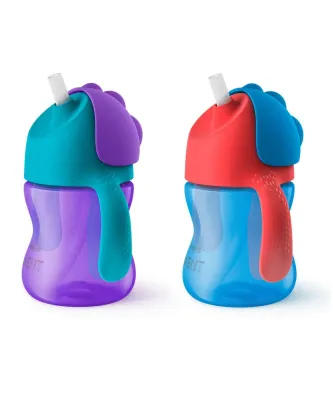
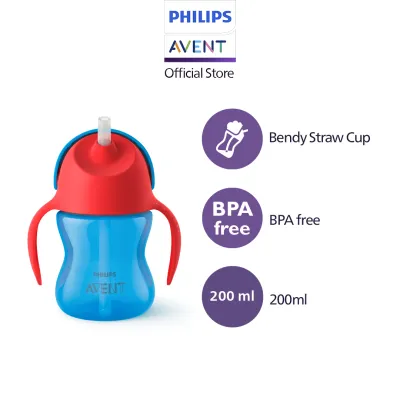
Prices are valid at publication and may change. Please refer to the product page for the latest price.
Hand-eye coordination is another vital physical skill to monitor. Your baby should be able to reach for objects, grasp them with both hands, and bring them accurately to their mouth. If your baby can already hold a small toy or a teething ring and guide it to their mouth without dropping it, they likely possess the motor control required to lift and tilt a starter cup.
The oral motor skills required for drinking through a straw differ significantly from those used when sucking on a bottle teat or breast. Bottle feeding relies on a rhythmic sucking and swallowing pattern where the tongue moves forward and backward. In contrast, straw drinking requires the baby to seal their lips around the straw, create suction by drawing the tongue backward, and coordinate breathing with swallowing. You can look for signs of oral readiness, such as your baby successfully swallowing purees without pushing them out with their tongue, which indicates the tongue-thrust reflex is diminishing.
Behavioral cues often provide the clearest sign that your baby is ready to try a straw cup. During family mealtimes, observe whether your baby watches you drink from a glass or cup with intense curiosity. If they reach out to grab your cup, mimic drinking motions with their mouth, or try to snatch your water bottle, they are demonstrating a cognitive readiness to learn independent drinking. Introducing a cup during these moments of high interest can make the learning process much smoother.
Decoding Philips Avent Straw Cup Features and Labels
When browsing the feeding aisle or shopping online, understanding how to read product packaging is essential for selecting a safe and age-appropriate cup. The manufacturer’s recommended age grading is typically printed clearly on the front or side of the Philips Avent box, often indicated by labels such as “9m+” or “12m+”. While these age indicators are helpful benchmarks, they are based on average developmental timelines, so you should always cross-reference them with your baby’s actual physical abilities.

Capacity is a key specification to compare when evaluating different models. Starter cups designed for younger babies usually hold smaller volumes, typically around 200ml to 210ml, which keeps the cup lightweight and easy for tiny hands to lift. For older, more active toddlers who require more fluids throughout the day, larger capacities of around 300ml or more are common. Matching the cup’s capacity to your baby’s typical fluid intake prevents you from carrying unnecessary weight while ensuring they have enough water during outdoor excursions.
The design of the straw mechanism itself varies across different stages and should be selected carefully. Some models feature a bendy straw, which is specifically designed to curve forward. This allows the baby to drink comfortably even when the cup is tilted, making it an excellent option for early learners who have not yet mastered the concept of keeping a cup upright. Older toddlers, who have developed better control, can transition to straight, free-flowing straws that require them to hold the cup vertically.
Handle ergonomics and overall weight play a significant role in how easily your baby can use the cup independently. Early-stage cups often feature integrated, ergonomic handles that are textured or contoured to fit small hands comfortably. These handles help babies stabilize the cup as they lift it to their mouth. As your child grows and their grip strengthens, you can look for handle-free designs with contoured shapes that encourage a mature, two-handed grip directly on the cup body.
Selecting the Right Variant for Each Weaning Stage
For the early transition phase, which typically begins around nine months of age, the primary goal is to encourage learning without causing frustration. At this stage, look for cups that feature built-in spill-proof valves. These valves prevent liquid from escaping when the cup is dropped, shaken, or turned upside down—common actions for a baby exploring a new object. Additionally, choosing a cup with a soft, flexible silicone straw is gentler on sensitive, teething gums and helps prevent accidental injury if the baby bumps the cup against their face.
As your baby transitions into the active toddler phase, usually around twelve months and beyond, their hydration needs and physical activities change. For this stage, prioritize cups with larger capacities to keep up with their increased energy levels, especially during warm afternoons in Singapore. Look for durable, impact-resistant plastics that can withstand being dropped onto hard tiled floors or playground pavement. A secure, twist-to-close or flip-top lid is also essential for this phase, as it keeps the straw clean and hygienic when packed inside a diaper bag or stroller basket.
While general recommendations can guide your initial search, the most critical step is to verify the exact age, weight, and usage guidelines printed on the specific product label before making a purchase. Avoid relying solely on peer recommendations or online parenting forums, as every child develops at a different pace, and product specifications can change. Checking the manufacturer’s official packaging ensures that the materials, safety certifications, and design features align perfectly with your child’s current developmental needs.
Essential Cleaning, Safety, and Maintenance Checks
Maintaining strict hygiene is vital when using straw cups, as moisture trapped in small components can quickly lead to mold growth. To clean the cup thoroughly, you must fully disassemble all parts, including the lid, the silicone straw, and any internal valves or seals. Many parents overlook the small crevices where the straw connects to the lid, so using a specialized, slim straw brush is highly recommended to scrub these hard-to-reach areas with warm, soapy water.
Regular safety inspections are equally important for protecting your baby from potential hazards. Before each use, inspect the silicone straw and plastic components for signs of wear, such as bite marks, tears, thinning, or discoloration. Toddlers who are teething can easily damage soft silicone straws with their sharp new teeth, creating small, loose pieces that could pose a choking hazard. If you notice any damage or material degradation, replace the straw or the entire cup immediately.
Always verify the manufacturer’s specific instructions regarding sterilization and dishwasher safety to prevent damaging the cup. While many modern plastics and silicone parts are top-rack dishwasher safe, high temperatures in some dishwashers or steam sterilizers can cause certain components to warp, compromising the spill-proof seal. Check the product manual to confirm the maximum temperature limits and approved sterilization methods, whether using boiling water, a microwave sterilizer, or a cold-water sterilizing solution.
Frequently Asked Questions (FAQ)
How do I teach my baby to drink from a straw?
Teaching a baby to use a straw can be simplified by using a simple technique often called the straw trick. Dip a clean, removable silicone straw into a cup of water or breast milk, place your clean finger over the top opening to trap a small amount of liquid inside, and bring the bottom of the straw to your baby’s lips. When they open their mouth to touch the straw, release your finger slightly so they get a small taste of the liquid, helping them associate the straw with drinking.
Timing is also key to a successful learning experience. Offer the straw cup when your baby is slightly thirsty, such as during a mid-day snack, but avoid trying it when they are overly hungry or tired, as this can lead to frustration. You can also model the behavior by drinking from a similar straw cup yourself, as babies learn rapidly by imitating the actions of their caregivers.
When should I stop using a spill-proof valve?
You can consider transitioning away from a spill-proof valve once your baby has clearly mastered the basic mechanics of straw drinking. Signs of mastery include the ability to draw liquid effortlessly without coughing, sputtering, or letting water dribble out of the corners of their mouth. If your toddler is consistently drinking from the cup without dropping it or turning it upside down, they may be ready for a free-flowing straw.
Free-flowing straws, which do not require the baby to bite or squeeze a valve to release liquid, are highly beneficial for advanced oral development. They encourage a more natural swallowing pattern and help train the tongue to rest in the correct position against the roof of the mouth. Before removing any parts, check your specific Philips Avent model’s instruction manual to see if the valve is designed to be removed, or if you need to transition to a different cup model designed for free-flowing drinking.

Community discussion
Share your experience or ask a question. Comments are reviewed before publication.