
Selecting the right potty for your toddler is a foundational step in their toilet training journey. The ideal choice depends on your child’s physical development, your home’s layout, and your family’s daily routine. While some families prefer a standalone floor potty that sits low to the ground, others find that a toilet seat reducer or a portable travel potty fits their lifestyle much better. By evaluating how your child interacts with their environment and understanding the design differences of each model, you can select a potty that minimizes stress and encourages independence.
In Singapore, where residential layouts often feature compact bathrooms in HDB flats and condominiums, space efficiency is just as important as the child’s comfort. A bulky floor potty might crowd a small bathroom, whereas a sleek seat reducer can be hung on a wall hook when not in use. Conversely, families who spend their weekends exploring outdoor parks, visiting shopping malls, or traveling will benefit from a highly portable option that ensures consistency. Understanding the distinct categories of OXO potty products allows you to match the right design to your specific household needs.
Understanding Your OXO Potty Options
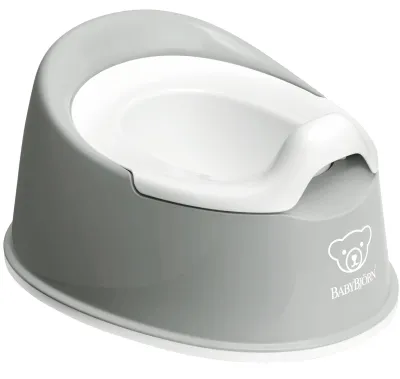
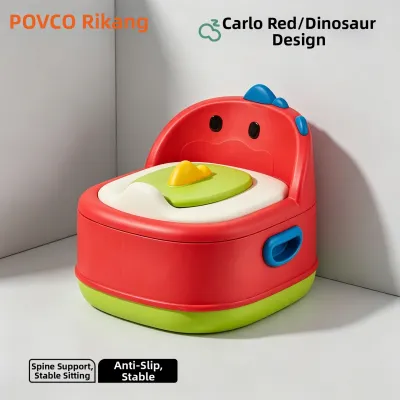
Standalone floor potties are designed specifically for the earliest stages of toilet training. These models sit directly on the floor, offering a low seat height that allows toddlers to sit down and stand up completely independently. Because their feet can rest flat on the ground, children feel physically secure, which helps relax their pelvic floor muscles during use. This category is highly recommended for younger toddlers who may feel intimidated by the height and noise of a standard adult toilet.
Products mentioned in this guide
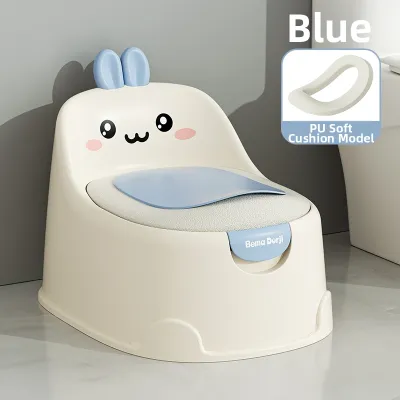
Prices are valid at publication and may change. Please refer to the product page for the latest price.
Portable or 2-in-1 travel potties offer a versatile solution for families who are frequently on the move. These models typically feature legs that fold flat for compact storage in a diaper bag or stroller basket. When opened, they can function as a standalone potty using disposable, absorbent bags, or the legs can extend outward to rest securely on top of an adult toilet seat. This dual functionality makes them excellent for public restrooms, outdoor playgrounds, or road trips where clean, child-sized facilities are unavailable.
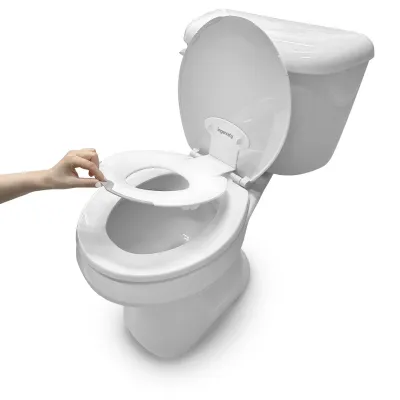
Potty seats or toilet reducers are specialized rings that fit directly over your existing adult toilet seat. They reduce the size of the opening so that a toddler can sit comfortably without the fear of slipping into the bowl. This option is ideal for older toddlers who want to mimic adult behavior and transition directly to the family toilet. Because they do not require manual emptying into the main toilet, seat reducers are highly hygienic and save valuable floor space in smaller bathrooms.
Each of these options serves a distinct purpose in the training process, and many families find that using a combination of models works best. For instance, you might keep a standalone potty in the main living area during the first few weeks of training, use a seat reducer in the bathroom for daily routines, and keep a portable model in your car or stroller for outings. Assessing your child’s current comfort level and your daily habits will help you decide which model to prioritize first.
Matching the Right Model to Your Toddler and Home
Assessing your toddler’s physical readiness is the first step in choosing between a floor potty and a seat reducer. To use a seat reducer safely, a child must have the balance and core strength to sit upright on an elevated surface, as well as the coordination to climb up using a step stool. If your toddler is still developing these motor skills or is particularly small for their age, a standalone floor potty is generally the more supportive and less intimidating option.

Your home’s bathroom layout and available space play a significant role in this decision. In compact bathrooms, a standalone floor potty can quickly become an obstacle, especially in high-traffic households. A seat reducer, which can be stored on a nearby hook or tucked beside the toilet, keeps the floor clear and maintains the bathroom’s organization. However, if you have a spacious bathroom or a dedicated guest toilet, a floor potty can remain in a permanent corner without causing inconvenience.
Your family’s lifestyle and weekend routines should also guide your purchase. If your family frequently visits outdoor parks, dines out, or travels long distances, relying solely on a home-based seat reducer can disrupt your child’s training consistency. A portable travel potty ensures that your toddler always has access to a familiar, clean seat, regardless of where you are. This consistency is crucial for maintaining progress and preventing regressions when away from home.
Finally, consider the psychological comfort of your child. Some toddlers experience anxiety around the loud flushing sounds and deep water of adult toilets. For these children, a low-profile floor potty provides a sense of control and safety that helps them focus on the task at hand. Observing how your child reacts to the bathroom environment will give you valuable clues about which setup will make them feel most secure.
Essential Features to Verify Before Purchasing
When evaluating different potty models, the design of the splash guard and the ease of cleaning should be your top priorities. A well-designed splash guard is high enough to prevent accidental spills, particularly for young boys, but rounded enough to allow the child to sit down comfortably without scraping their legs. Look for models with a completely smooth, removable inner bowl that can be lifted out easily from the top, allowing you to empty and clean it without moving the entire potty structure.
Stability is another critical safety feature to verify on the product packaging or official specifications. Floor potties should feature a wide, low-profile base with non-slip rubber grips along the bottom edge. This prevents the potty from sliding around on slippery bathroom tiles when your toddler is trying to sit down or stand up. For portable models, check that the folding legs lock securely into place so they do not collapse under your child’s weight during use.
Practical storage and handling features can significantly improve your daily routine. Some standalone potties include integrated handles on the sides or back, making them easy to carry from room to room. For travel models, verify if the product includes a dedicated storage bag to keep the seat hygienic when packed inside a diaper bag. Additionally, check if the travel potty is compatible with standard, biodegradable liners or if it requires proprietary bags, as this will affect your long-term operating costs.
Before making a final decision, inspect the materials used in the potty’s construction. The plastic should be thick, durable, and free from sharp seams or rough edges that could irritate your child’s sensitive skin. Smooth, non-porous surfaces are essential because they resist staining and do not absorb odors over time. Taking a moment to verify these physical details ensures that the potty remains hygienic, safe, and easy to maintain throughout your training journey.
Planning the Transition to the Adult Toilet
Transitioning from a standalone floor potty to the adult toilet is a major milestone that requires careful preparation. You can identify your child’s readiness for this step by watching for specific behavioral cues, such as showing curiosity about how family members use the toilet, expressing a desire to flush, or requesting to use the “big potty” instead of their floor model. Physical readiness is also key; your child should be tall enough to sit comfortably on the seat reducer with their feet supported.
A sturdy step stool is an indispensable tool during this transitional phase. Without a stool, a toddler’s legs will dangle from the adult toilet, which can cause instability and make it difficult for them to push effectively during bowel movements. Choose a step stool with a non-slip surface and rubberized feet to ensure it remains stable on wet bathroom floors. The height of the stool should allow your child to climb onto the toilet independently and rest their feet flat while seated.
When purchasing a seat reducer, always verify the manufacturer’s installation guidelines and weight limits to ensure a secure fit. Standard seat reducers are designed to fit most round and elongated adult toilets, but variations in toilet seat shapes can sometimes cause the reducer to wobble. Look for models with adjustable locking mechanisms or non-slip rims that grip the adult seat firmly. Ensuring a stable, wiggle-free fit is essential for building your child’s confidence as they adapt to the adult toilet.
Frequently Asked Questions (FAQ)
Can I use a standalone potty outside the bathroom?
Yes, placing a standalone potty in a highly visible and accessible location, such as the living room or play area, is a common strategy during the first few days of training. This proximity helps toddlers recognize their body’s signals and reach the potty quickly before an accident occurs. However, to maintain high hygiene standards, ensure the potty is placed on an easy-to-clean surface like tile or a protective mat, and empty and sanitize the bowl immediately after every use. As your child becomes more confident, gradually move the potty closer to the bathroom over several days to establish a permanent bathroom routine.
How do I clean and maintain the potty bowl?
To clean a removable potty bowl, empty the contents directly into your adult toilet, rinse the bowl with warm water, and wash it thoroughly using a mild, child-safe soap or disinfectant. Avoid using abrasive scrubbing pads or harsh chemical cleaners, as these can scratch the plastic surface and create tiny crevices where bacteria can accumulate. Always check the manufacturer’s product label to verify if any specific components are dishwasher-safe, though hand washing is generally recommended for longevity. Ensure the bowl is completely dry before reassembling it to prevent the growth of mold or unpleasant odors.
Is a portable potty necessary for travel?
A portable potty is highly beneficial if your family frequently travels, spends time outdoors, or navigates public spaces where clean restrooms are difficult to find. It provides a consistent, hygienic, and familiar seating option that helps prevent training setbacks caused by unfamiliar or intimidating public toilets. If you rarely travel or primarily visit locations with clean, accessible family restrooms, a compact folding seat reducer that fits over public toilets may be sufficient. Consider your typical weekly routines and your child’s sensitivity to new environments when deciding whether to invest in a dedicated travel model.

Community discussion
Share your experience or ask a question. Comments are reviewed before publication.