
Selecting the right potty seat is a crucial step in your child’s potty training journey. A suitable first seat must balance physical stability, ergonomic comfort, and effortless cleaning to help your toddler transition away from diapers with confidence. Because every child develops at their own pace and every home layout is unique, the most appropriate choice depends on matching specific design features to your toddler’s temperament and your daily household routine.
By focusing on observable safety elements, such as robust non-slip bases and secure mounting mechanisms, you can prevent slips and build a sense of security. Additionally, prioritizing simple, crevice-free designs ensures that daily maintenance remains manageable for busy caregivers. Evaluating these key features beforehand will help you establish a positive, stress-free environment for this major developmental milestone.
Choosing Between a Standalone Potty and a Toilet Seat Reducer
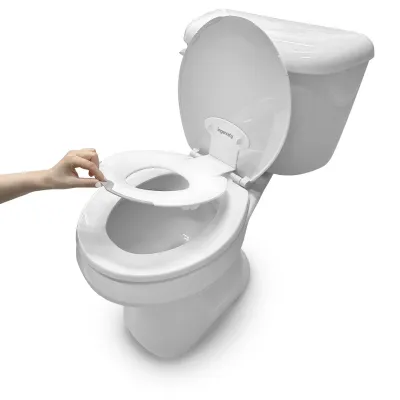
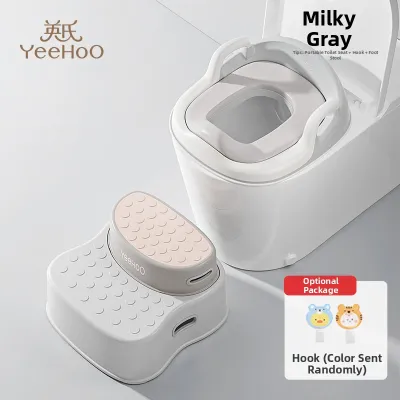
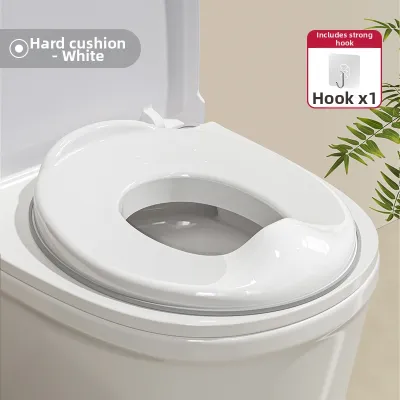
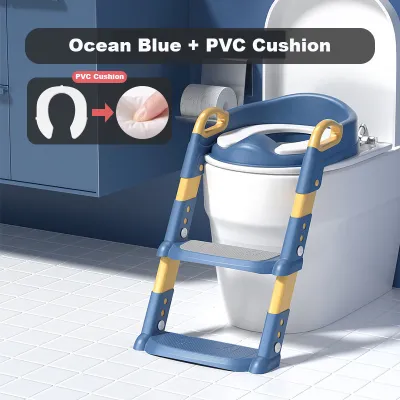
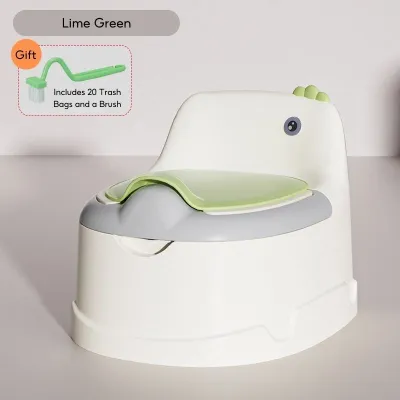
The first major decision is choosing between a standalone floor potty and a toilet seat reducer that fits directly onto your existing toilet. A standalone potty is a self-contained, low-to-the-ground unit that sits directly on the floor, allowing your toddler to sit down independently with their feet flat. A toilet seat reducer is an insert that scales down the opening of an adult toilet bowl, usually requiring a separate step stool so your child can climb up and support their feet.
Products mentioned in this guide
Prices are valid at publication and may change. Please refer to the product page for the latest price.
Your toddler’s personality and physical milestones play a significant role in which style works best. Some toddlers experience a fear of heights or feel intimidated by the loud flushing sound of an adult toilet, making a low-profile standalone potty the more comforting option. Conversely, other children are highly motivated by imitation and want to use the exact same toilet as their parents, in which case a seat reducer paired with a sturdy step stool is very effective.
Your home’s physical layout and bathroom space constraints are equally critical. In compact urban apartments, such as typical flats in Singapore, bathroom floor space is limited, and the floor itself may frequently be wet from showers. A toilet seat reducer is highly space-efficient because it can be hung on a wall hook or tucked beside the toilet when not in use. If you choose a standalone potty, you will need a dry, accessible spot, and some families find it helpful to keep this unit in a bedroom or common play area during the initial days of training.
Verifying Essential Safety and Stability Features
Safety is the foundation of successful potty training, as a single slip or tipping incident can cause anxiety and set back your child’s progress. When evaluating standalone potties or step stools, look closely at the base of the unit to verify the presence of wide, rubberized non-slip grips. These rubber feet prevent the potty from sliding across smooth bathroom tiles when your toddler is sitting down or standing up in a hurry.

For toilet seat reducers, stability depends entirely on how securely the insert attaches to your specific toilet bowl shape. Before purchasing, check the manufacturer’s specifications regarding compatibility with round, oval, or elongated toilet seats. Look for models that feature adjustable tension brackets, robust anti-slip silicone pads on the underside, or integrated locking mechanisms that prevent the seat from shifting laterally when your child moves.
Another essential safety and hygiene feature is the splash guard, which is designed to deflect urine downward into the bowl. For highly active toddlers and young boys, a splash guard that is too low or flimsy can lead to frequent spills and cleanup. Verify that the splash guard is integrated seamlessly into the seat design, has a smooth contour, and stands high enough to block stray sprays without creating an obstacle that makes it difficult for your child to sit down or get off the seat safely.
Evaluating Comfort and Ergonomics for Early Learners
A comfortable child is a relaxed child, and physical relaxation is anatomically necessary for successful elimination. The seat of the potty should feature gentle contouring and a wide, supportive surface that distributes your toddler’s weight evenly. Avoid seats with sharp plastic edges or overly narrow rims, as these can cause uncomfortable pressure points during longer sitting sessions and discourage your child from using the potty again.
Supportive backrests and integrated handles are practical ergonomic additions that help early learners maintain their balance. A high backrest on a standalone potty provides physical support, allowing your toddler to lean back comfortably and feel secure. Side handles, whether built into a standalone unit or a seat reducer, give your child a dedicated place to grip, which stabilizes their core muscles and helps them feel grounded while their feet are suspended or resting on a stool.
If you opt for a toilet seat reducer paired with a step stool, the dimensions of the stool require careful evaluation. The step depth must be wide enough to accommodate your toddler’s entire foot, and the height should allow their knees to sit slightly higher than their hips when seated. This squatting posture is the anatomically optimal position for bowel movements, so verifying that the step stool height matches your toilet’s elevation is key to promoting healthy bathroom habits.
Checking Practical Features for Easy Cleaning
For caregivers, the ease of cleaning a potty seat directly impacts how smooth the training process feels day-to-day. When looking at standalone potties, prioritize models that feature a removable inner bowl with a dedicated handle. This design allows you to lift out only the soiled container to empty and rinse it in the toilet, rather than having to carry and wash the entire bulky outer structure after every single use.
Examine the surfaces of any potty seat or reducer for seams, deep crevices, or decorative joints where liquids and bacteria can easily accumulate. A seamless, single-piece plastic construction or a highly integrated design with minimal parts is much easier to wipe down and sanitize. Smooth, non-porous materials resist staining and odor retention, ensuring that the equipment remains hygienic and fresh over months of continuous use.
For toilet seat reducers and step stools, consider how easily the materials can withstand frequent washing and sanitizing sprays. If the step stool features textured treads for slip resistance, ensure that the texture is easy to scrub clean and does not trap dirt. Additionally, if the seat reducer has a padded cushion for comfort, verify that the cushion is completely sealed and can be easily detached for thorough cleaning underneath, as trapped moisture can quickly lead to mold growth in humid bathroom environments.
Finalizing Your Potty Seat Shortlist for Your Home
To finalize your purchase decision, start by mapping out your family’s daily routines, bathroom traffic, and flooring conditions. If your bathroom floor is frequently wet due to shared shower spaces, a wall-hung seat reducer and a plastic step stool with high-grip rubber feet are highly practical for maintaining safety and hygiene. If you have multiple floors or a spacious layout, you might consider a hybrid approach, placing a standalone potty in the main living area for quick access and a reducer in the primary bathroom.
When planning your budget, expect to find reliable options ranging from S$15 for basic standalone models to S$60 for multi-functional training systems that convert from a standalone potty to a seat reducer and step stool. While it can be tempting to choose the most budget-friendly option, ensure that you do not compromise on core safety features like non-slip rubber bases and sturdy plastic construction. Investing in a stable, well-designed seat upfront prevents the need to buy a replacement later due to stability issues or child refusal.
Finally, consider your long-term transition strategy as your child grows and gains confidence. Many families find success by starting with a standalone potty to introduce the concept of toileting in a low-pressure, highly accessible way. As the toddler develops better motor control and expresses interest in using the adult toilet, you can transition them to a seat reducer. Choosing a convertible system or planning this progression in advance ensures a seamless, familiar experience for your child at every stage of their development.
Frequently Asked Questions (FAQ)
When is the right time to introduce a potty seat to my toddler?
Rather than relying strictly on age, look for physical and behavioral readiness cues in your toddler. Signs of readiness include staying dry for two or more hours at a time, showing interest when family members use the restroom, and being able to follow simple, two-step instructions. Your child should also possess the basic motor skills required to walk to the potty, sit down, and stand up with minimal assistance. If your toddler shows intense resistance, fear, or anxiety when introduced to the seat, it is advisable to pause the process, put the potty away for a few weeks, and try again when they are more comfortable.
Do I need to buy a separate potty seat for travel?
Whether you need a travel potty depends largely on your family’s lifestyle, mobility, and how often you visit places without child-friendly restroom facilities. If you frequently travel, take long road trips, or spend hours at parks, a portable option can provide valuable consistency for a training toddler. Foldable travel seat reducers are compact, lightweight, and fit easily into a diaper bag to make public toilets less intimidating. Alternatively, portable standalone travel potties that use disposable, absorbent liners are highly convenient for outdoor settings or emergencies when a clean public restroom is not nearby.
Community discussion
Share your experience or ask a question. Comments are reviewed before publication.