
Choosing the right nursing cover is a highly personal decision that depends on where you plan to feed, how much coverage you prefer, and how your baby reacts to being covered. There is no single style that works perfectly for every parent, but matching the design to your daily routine can make breastfeeding in public or pumping at work a seamless, stress-free experience. In Singapore’s warm and humid climate, your choice will often come down to finding a balance between reliable privacy and adequate ventilation so that your baby remains comfortable and safe.
To make an informed choice, you should evaluate how each style performs across key areas like airflow, ease of use, and visibility. By understanding the structural differences between aprons, ponchos, scarves, and canopies, you can select a cover that supports your breastfeeding journey while keeping your baby secure.
Understanding the Main Nursing Cover Styles
To find the ideal option, it helps to understand the four primary designs available on the market. Each style offers a distinct structure, level of coverage, and method of attachment.
Products mentioned in this guide
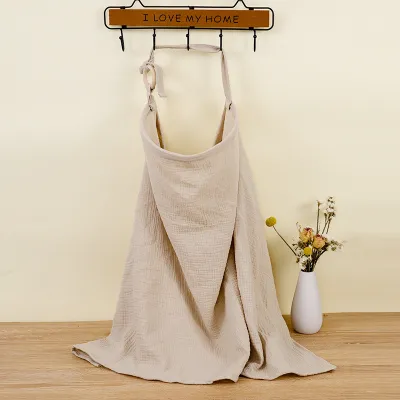
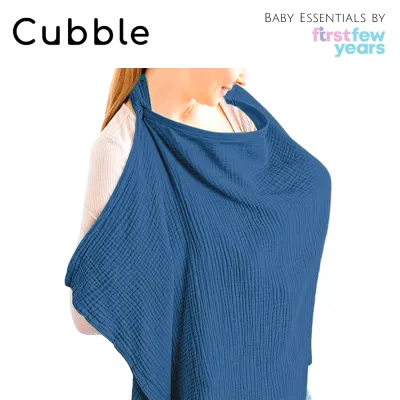
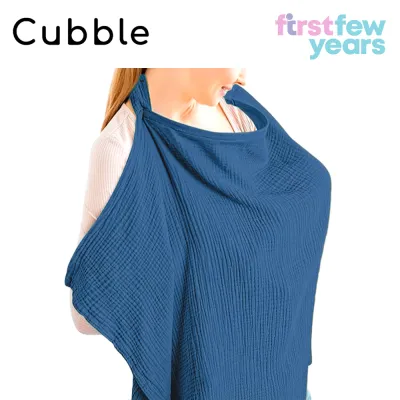
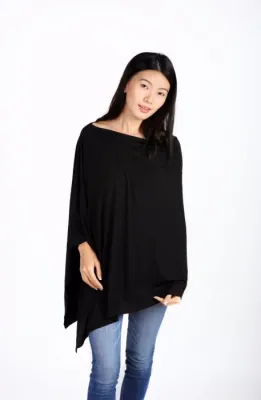
Prices are valid at publication and may change. Please refer to the product page for the latest price.
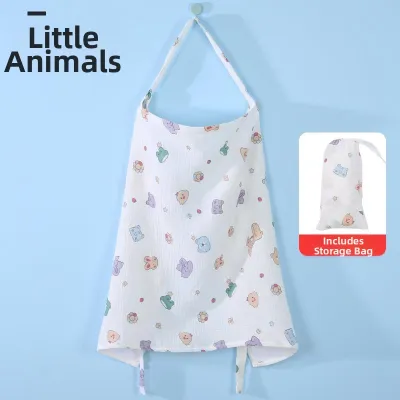
The apron-style nursing cover is one of the most traditional and widely recognized designs. It features a flat fabric panel that hangs over your chest, secured by an adjustable strap around your neck and sometimes an additional strap around your back. Many apron covers incorporate a rigid, curved neckline. This structured element bows outward, creating a small viewing window that allows you to maintain direct eye contact with your baby while keeping the fabric off their face.
The scarf or wrap style, often designed as an infinity loop or a wide rectangular shawl, offers a highly fashionable and discreet alternative. You can wear it as a regular accessory around your neck when not feeding, and then unfurl it over your shoulder and baby when it is time to nurse. Because it looks like everyday clothing, it blends in seamlessly with your outfit, though it typically lacks the structured neckline of an apron.
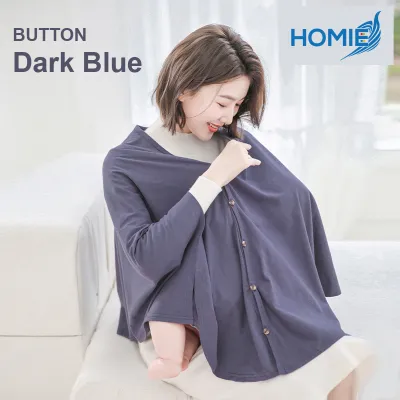
The poncho or 360-degree style provides complete, all-around coverage. It slips over your head like a wide-necked shirt or poncho, draping over your shoulders, back, and torso. This design ensures that your sides and back remain fully covered, which is particularly useful if you are wearing a top that needs to be pulled up from the waist. Ponchos are generally strapless and rely on the natural drape of the fabric to stay in place.
The canopy or car seat cover style is a multi-functional option designed primarily to fit over infant car seats or strollers, but many are designed to double as a personal nursing cover. These are often made from highly stretchable fabrics that can be pulled over your torso or draped over a carrier to create an enclosed, quiet environment for a sleeping or feeding baby.
Comparing Coverage, Comfort, and Visibility
When deciding between these styles, you must weigh three critical factors: privacy, thermal comfort, and your ability to see and interact with your infant.

Privacy preferences vary greatly among breastfeeding mothers. If you feel anxious about accidental exposure from the sides or back, a 360-degree poncho or a wrap-around scarf style offers the highest level of reassurance. These styles ensure that even if your baby kicks or pulls at the fabric, your midriff and back remain completely concealed. Conversely, if you only require front coverage and prefer a quick, open setup, the apron style provides excellent front-facing privacy while leaving your back open and cool.
In Singapore, where high humidity and warm temperatures are constant, breathability is a paramount safety and comfort consideration. Enclosing a baby under heavy, non-breathable fabric can quickly lead to overheating and fussiness. Apron-style covers excel in hot environments because their open-back design allows air to circulate freely around both you and your baby. If you choose a full-coverage poncho or scarf, it is vital to select lightweight, open-weave fabrics such as muslin, bamboo rayon, or lightweight cotton blends, and to check the manufacturer’s guidelines regarding airflow.
Visibility is another key factor, especially during the early weeks of breastfeeding when establishing a proper latch requires careful coordination. The rigid neckline of an apron cover is highly advantageous here, as it holds the fabric away from your baby’s face, allowing you to look down and guide them easily. Scarf and poncho styles require you to manually hold the fabric away with one hand or peer down through the neck opening, which can be challenging if you are still getting accustomed to positioning your baby.
Adjustability plays a major role in how secure you feel while nursing. Apron covers typically feature D-ring buckles or sliding straps that let you adjust how high or low the cover sits on your chest. Ponchos and infinity scarves rely on their elastic drape, meaning you must ensure the initial size you purchase fits your body type comfortably without being too tight or so loose that it slips off your shoulders.
Matching Nursing Covers to Your Daily Routine
Your daily habits, commuting patterns, and lifestyle will heavily influence which nursing cover style feels most practical.
For public and on-the-go feeding in busy urban environments, such as bustling shopping malls, cafes, or public transport, speed and security are essential. An apron cover can be slipped on and buckled in seconds, and its structured neckline allows you to quickly check on your baby without adjusting the entire drape. Ponchos are also excellent for busy public spaces because they stay securely in place even in windy outdoor areas or crowded train stations, preventing any risk of the cover being blown or pulled aside.
If your routine involves a mix of relaxed home environments, casual neighborhood walks, and occasional visits to quiet cafes, a multi-use scarf or wrap style might be your best companion. When you are not nursing, it functions as a stylish accessory, saving precious space in your diaper bag. At home, these soft, unstructured fabrics can easily double as a light blanket to shield your baby from air-conditioning drafts or serve as an emergency burp cloth.
For parents who travel frequently or rely on strollers and infant car seats for transit, a canopy-style cover offers outstanding utility. These covers can be stretched over the car seat handle to block out bright sunlight and distractions while your baby sleeps, and then quickly transitioned into a personal poncho cover when it is time to feed. However, when using any cover over a car seat or stroller, you must closely monitor the internal temperature and ensure there is adequate ventilation, as enclosed spaces can trap heat rapidly.
If you are returning to work and need to pump in shared office spaces or designated lactation rooms, a structured apron cover or a full-coverage poncho can provide the discretion you need. An apron cover allows you to look down to align your breast pump shields correctly while keeping your hands free to operate the pump controls. A poncho style offers complete coverage around your sides and back, which can make pumping at an office desk or in a shared cubicle feel much more comfortable and private.
Key Features to Check Before You Buy
Before purchasing a nursing cover, it is important to verify specific product details and manufacturer specifications to ensure safety, durability, and comfort.
First, carefully inspect the fabric composition and care instructions on the manufacturer’s label. Look for machine-washable materials that can withstand frequent washing, as nursing covers are highly susceptible to milk spills, spit-up, and sweat. Natural fibers like organic cotton, bamboo-derived fabrics, and linen are generally preferred for their softness against sensitive baby skin and their natural breathability. Avoid heavy synthetic fabrics that trap heat and moisture.
Next, evaluate the adjustability of the straps and neckline. If you are choosing an apron style, ensure the neck strap is wide enough to distribute weight comfortably without digging into your skin, and check that the buckle holds securely under tension. For covers with a rigid neckline, verify that the insert is made of a flexible, shatterproof material that can be safely packed into a diaper bag without losing its shape or snapping.
Consider the overall dimensions and drape of the cover. A cover that is too small may fail to provide adequate coverage as your baby grows and becomes more active, while an excessively large cover can drape heavily over your baby or drag on the ground. Check the product specifications for measurements and compare them to your torso length and preferred feeding positions.
Finally, if a product is marketed as multi-functional—such as a combination nursing cover, stroller shade, and shopping cart cover—always verify the manufacturer’s safety guidelines for each specific use. For instance, when using a cover as a stroller shade, ensure it does not block essential airflow, and never leave your baby unattended. Always check for any product recalls or safety warnings issued by local consumer protection authorities before making your final selection.
Frequently Asked Questions (FAQ)
Can I use a regular scarf or blanket instead of a dedicated nursing cover?
While you can use a regular scarf or a lightweight receiving blanket in a pinch, dedicated nursing covers offer distinct structural and safety advantages. Dedicated covers feature secure straps, buckles, or tailored drapes that prevent the fabric from slipping off your shoulders or sliding over your baby’s face, which is a potential suffocation hazard. Additionally, regular blankets lack the rigid neckline found in apron-style covers, making it much harder to maintain eye contact and monitor your baby’s latch and breathing. If you prefer a non-dedicated option, a lightweight, breathable infinity scarf worn securely around your neck is a safer compromise, provided you maintain constant supervision.
How do I wash and maintain my nursing cover to keep it hygienic?
To maintain proper hygiene and preserve the integrity of the fabric, always refer to the specific care label provided by the manufacturer. Generally, it is best to wash nursing covers in cold or warm water using a gentle, fragrance-free baby detergent to avoid irritating your infant’s sensitive skin. If your cover has a rigid neckline insert, check whether it is machine-washable or requires hand washing to prevent the insert from warping or breaking. In Singapore’s humid climate, ensure the cover is completely dry before folding and storing it in your diaper bag, as lingering moisture can quickly lead to mold, mildew, and unpleasant odors.
Is it safe to use a 360-degree poncho cover in hot weather?
Using a 360-degree poncho cover in hot weather requires careful attention to fabric selection and active monitoring. Because poncho designs enclose both you and your baby, they can trap body heat and warm air, especially when outdoors or in non-air-conditioned spaces. Always check the product label to ensure the fabric is exceptionally lightweight, breathable, and moisture-wicking. While feeding, frequently peek under the cover to check your baby for signs of overheating, such as flushed cheeks, sweating, or rapid breathing. If the environment is too warm, it is safer to seek an air-conditioned nursing room or switch to a more open, apron-style cover that allows for maximum airflow.

Community discussion
Share your experience or ask a question. Comments are reviewed before publication.