
Selecting the right kids urinal depends on matching the equipment to your child’s physical development, coordination, and current potty training phase. For early beginners and families frequently on the move, portable or foldable models provide immediate access and consistency. As young boys transition to standing, wall-mounted or height-adjustable standing urinals help them practice aiming and build independence. For advanced learners consolidating their skills at home, a dedicated freestanding or fixed urinal offers a stable, long-term setup before they transition fully to the household toilet.
Assess Your Child's Potty Training Readiness
Before introducing a kids urinal, observing your child’s behavioral and physical cues will help you determine if they are ready to begin. Look for signs of interest in bathroom routines, such as following family members into the toilet, imitating adult behaviors, or expressing verbal curiosity about how the toilet works. Physical readiness involves key milestones, including the ability to walk steadily, balance without support, and pull down their own training pants or trousers. These coordination skills are essential because standing to use a urinal requires more core stability than sitting on a standard potty chair.
Anatomical and behavioral differences also play a role in how children approach early training. While girls typically begin training on a seated potty chair or a toilet seat reducer, boys often start seated before learning to stand. Introducing a standing urinal too early can cause confusion if a toddler has not yet mastered basic bladder control or the physical coordination required to aim.
Products mentioned in this guide
Prices are valid at publication and may change. Please refer to the product page for the latest price.
Evaluate how comfortable your child is with your home’s standard toilet setup. Many toddlers find the height, loud flushing sound, and large opening of an adult toilet intimidating. A smaller, approachable kids urinal can bridge this gap, offering a non-threatening, child-sized alternative that builds confidence.
Match Urinal Types to Specific Training Stages
Choosing the right urinal involves aligning the product’s physical design with your child’s developmental progress and your family’s daily routines.

Portable and Foldable Urinals for Early Stages and Travel
For toddlers in the initial phases of potty training, consistency is vital to preventing accidents, especially when away from home. Portable and foldable urinals are lightweight, compact options designed to provide a familiar setup during park outings, car rides, or visits to relatives. When selecting a portable model, carefully check the stability and base width of the unit to ensure it will not tip over on uneven outdoor ground or tiled bathroom floors.
Hygiene is a primary consideration for mobile units, so you should verify how easily the inner basin can be removed, emptied, and cleaned without spilling. Look for secure, leak-proof seals and splash guards that prevent messes during transport. If you choose a foldable model, inspect the folding joints and locking mechanisms to ensure they lock securely into place during use and do not present pinching hazards for small fingers.
Standing and Wall-Mounted Urinals for Boys Transitioning to Stand
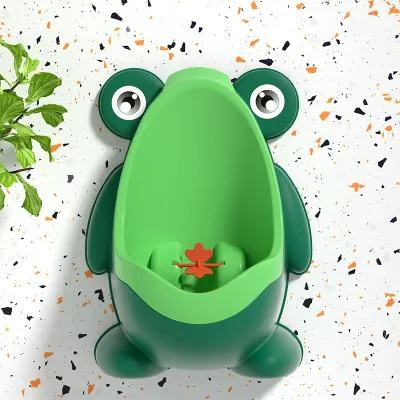
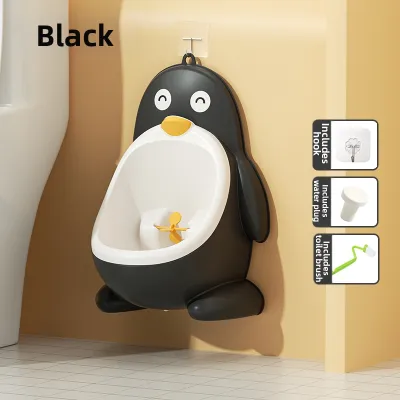
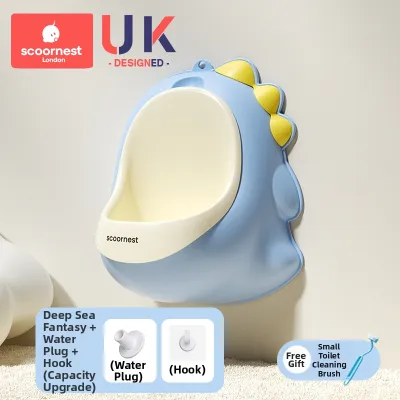
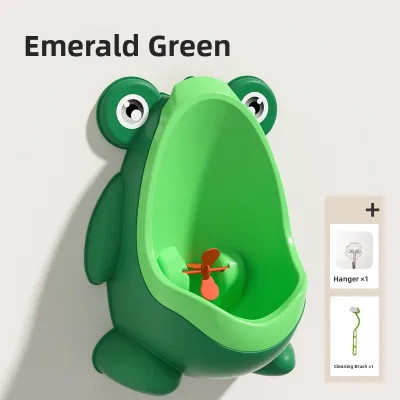
As boys progress in their training, a standing or wall-mounted urinal helps them transition from sitting to standing. These models often feature playful targets, such as spinning windmills, to encourage aiming and make the process engaging. When shopping for a wall-mounted model, prioritize units with adjustable height features or versatile mounting options so you can raise the urinal as your child grows.
Because bathroom walls vary, check the manufacturer’s specifications for the mounting hardware or suction cups. Ensure the suction cups are rated for your specific wall surface, whether you have smooth ceramic tiles, textured stone, or glass, to prevent the unit from sliding or falling. Additionally, evaluate the depth of the bowl and the design of the splash guard; a deeper bowl with a curved upper lip helps contain splashes, which is especially helpful during the early, uncoordinated stages of learning to aim.
Fixed and Freestanding Urinals for Advanced Consolidation
For children who have mastered the basics and require a dedicated, permanent setup at home, fixed or heavy-duty freestanding urinals offer excellent stability. These units are designed to remain in one spot in your bathroom, providing a consistent routine that mimics an adult restroom setup. Before purchasing, measure your bathroom’s floor layout to ensure the unit’s footprint fits comfortably without blocking walkways or creating tripping hazards in tight spaces.
Consider how the urinal manages waste disposal. Some advanced freestanding models feature manual drainage tubes or removable collection tanks, while others require manual lifting to empty. Choose a mechanism that aligns with your daily cleaning capacity and hygiene preferences. To ensure safety during active use, verify that the unit has a heavy, slip-resistant base or structural weight that prevents it from sliding or tipping if a child leans against it.
Key Physical Features and Safety Labels to Verify
When finalizing your purchase from an online marketplace or local retailer, a thorough safety check of the product’s physical specifications is essential. Start by inspecting the material labels on the packaging or product description. Verify that the plastic is free from potentially harmful substances, and check for recognized safety certifications or material standards printed on the packaging.
Run your hands along the edges of the urinal to ensure there are no sharp plastic seams, rough corners, or manufacturing defects that could scratch sensitive skin. Examine the construction for small, detachable parts, such as loose target wheels or decorative caps, which could pose a choking hazard for younger siblings.
A secure placement is critical in wet bathroom environments. Check that the product features a robust non-slip rubber base or comes with clear, reliable mounting instructions to prevent slips on wet tiles. Finally, always review the manufacturer’s stated weight and height limits; choosing a model with a generous limit ensures the urinal remains safe and functional throughout your child’s entire potty training journey.
When to Transition Away from the Kids Urinal
A kids urinal is a temporary training aid, and recognizing when to transition to a standard household toilet is key to long-term independence. Monitor your child’s physical growth closely. If they begin to outgrow the height limits of the urinal, or if you notice that the splash guard is no longer effective at containing urine, it is time to move to the next stage.
Behavioral changes are also strong indicators of readiness. Your child may express a desire to use the standard toilet like older family members, or they might show boredom or disinterest in their training urinal. When these signs appear, introduce a sturdy step stool with non-slip feet alongside a child-sized toilet seat reducer to make the transition to the standard toilet feel safe and manageable.
Every child develops at their own pace, so it is important to remain patient. If your child shows persistent resistance, fear, or regression when using either the urinal or the standard toilet, temporarily pause the transition rather than forcing the issue. If you experience prolonged difficulties or suspect developmental delays, consult a qualified pediatrician or healthcare professional for personalized guidance.
Frequently Asked Questions (FAQ)
Can girls use a standing kids urinal during potty training?
While standing kids urinals are anatomically designed to accommodate the standing posture typically used by boys, they are generally not practical or effective for girls. Female anatomy requires a seated position to comfortably and hygienically direct urine flow. For girls, alternative training equipment such as a classic floor-based potty chair or a secure toilet seat reducer paired with a step stool provides the necessary support, comfort, and proper alignment for successful potty training.
How do I safely clean and maintain a wall-mounted urinal?
To maintain hygiene and prevent odors, empty and rinse the removable catch basin daily with warm water. For thorough cleaning, use mild, child-safe dish soap or a gentle vinegar-and-water solution, avoiding harsh chemical bleach or abrasive scrubs that can degrade the plastic or weaken suction cups over time. Periodically remove the entire unit from the wall to clean the surface behind it, and inspect the suction cups or mounting hardware to ensure they remain securely attached and free from soap scum buildup.

Community discussion
Share your experience or ask a question. Comments are reviewed before publication.