
Selecting the right kids toilet seat cover is a pivotal step in your child’s potty training journey. The ideal choice depends on your child’s physical coordination, emotional confidence, and where they currently stand in their training progress. Rather than relying on a one-size-fits-all solution, matching the seat style—whether it is a soft foam ring, a secure clip-on reducer, an independent step-stool combo, or a compact travel cover—to your child’s developmental stage ensures a smoother, safer, and more encouraging transition to the adult toilet.
Every child progresses at their own pace, and their comfort on the toilet bowl directly impacts their willingness to use it. A seat that feels unstable or too large can trigger anxiety, leading to training setbacks. By understanding your child’s unique physical and emotional needs, you can select a toilet seat cover that provides the exact level of support they require to build lasting bathroom confidence.
Assess Your Child's Potty Training Stage and Physical Readiness
Before browsing different styles of kids toilet seat covers, take a few days to observe your child’s physical abilities and daily habits. Physical readiness involves more than just age; it requires the motor skills and core strength needed to navigate the bathroom safely. Note whether your child can climb onto the toilet independently or if they still rely on you to lift them. If they lack the balance to climb or sit unsupported, they will require a seat cover that offers maximum stability and physical containment.
Products mentioned in this guide
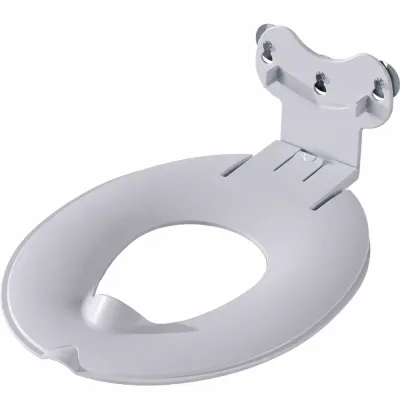
Prices are valid at publication and may change. Please refer to the product page for the latest price.
Emotional comfort is equally critical during this transitional phase. Many toddlers experience a genuine fear of the large adult toilet bowl, often worried about falling in or being startled by the loud sound of flushing water. If your child clings to you or hesitates to approach the toilet, they will benefit from a highly secure, cozy seat insert that minimizes the open space of the bowl. Conversely, a child who is eager to mimic adults and shows high confidence may prefer a streamlined seat that makes them feel like a “big kid.”
Finally, evaluate your family’s daily routine and bathroom layout. If you live in a home with a compact bathroom, a bulky, permanent fixture might obstruct the space for other family members. Families who travel frequently or split time between households will need a portable, lightweight option that maintains consistency across different environments. Assessing these lifestyle factors beforehand prevents you from purchasing a seat that is impractical for your daily routine.
Match the Best Kids Toilet Seat Cover Style to Their Progress
Once you have evaluated your child’s readiness, you can match their specific stage of potty training to the most suitable style of kids toilet seat cover.

For the early stage of training, when building comfort and reducing anxiety are the primary goals, foam rings or cushioned inserts are highly effective. These seats feature a soft, padded surface that feels warm to the touch, preventing the sudden shock of cold plastic that often deters toddlers. The cushioned design molds slightly to the child’s body, offering a snug, secure sensation that helps ease fears of falling into the bowl. Because foam can be delicate, always supervise your child during use and check the manufacturer’s guidelines regarding weight limits and care.
As your child enters the transitional stage, they begin gaining independence but still require a secure, proportioned fit. Clip-on or fixed reducer seats are excellent for this phase. These plastic inserts fit directly over or underneath the existing adult toilet seat, reducing the opening to a safe, manageable size. Many models feature integrated splash guards to contain messes, which is particularly helpful for young boys. When selecting a reducer, ensure the splash guard is high enough to be effective but designed safely so it does not scrape your child when they mount or dismount the seat.
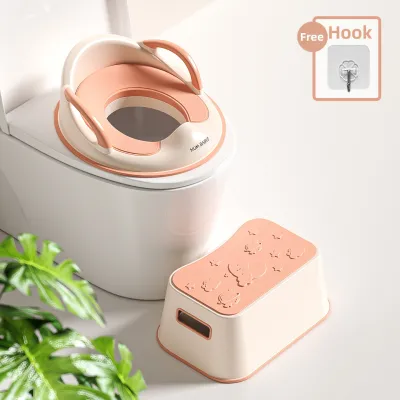
For the advanced stage, active children who crave full autonomy often thrive with step-stool combos. These units integrate a child-sized reducer seat with an attached ladder and handrails, allowing your child to climb up, turn around, and sit down entirely on their own. This style eliminates the need for a separate step stool and provides built-in hand grips for extra security. However, because these units stand on the bathroom floor, caregivers must verify that the base sits completely flat and stable on their specific floor tiles to prevent tipping.
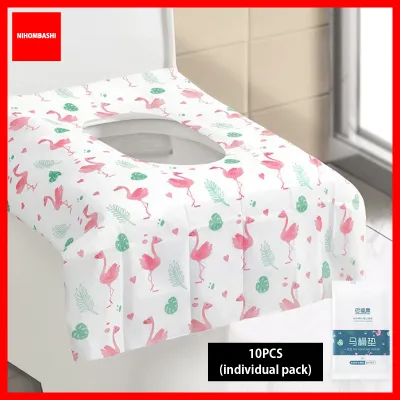
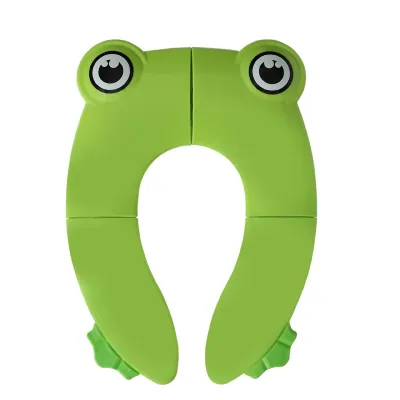
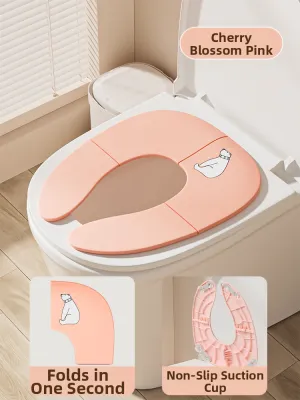
Do not overlook the on-the-go stage of potty training. Navigating public restrooms can be highly stressful for a toddler due to unfamiliar layouts, loud automatic flushes, and oversized toilet seats. Foldable or travel-friendly seat covers fold down into a compact size that easily fits inside a diaper bag or backpack. These portable covers provide a clean, familiar surface for your child, ensuring that training consistency is maintained whether you are visiting relatives, running errands, or traveling.
Verify Safety, Stability, and Toilet Compatibility
A kids toilet seat cover can only do its job if it fits your bathroom fixtures perfectly and remains completely stable during use. Before making a purchase, verify your toilet bowl’s shape and dimensions. Standard toilets generally come in two shapes: round and elongated. Many seat covers are designed specifically for one shape, while others claim universal compatibility. Measure the length and width of your adult toilet seat and compare these measurements against the product specifications to ensure a tight, gap-free fit.
Stability is the most critical safety factor to inspect. A seat cover that slides, shifts, or wobbles when your child sits down can startle them, potentially causing a regression in their training progress. Look for models equipped with robust non-slip rubberized pads, adjustable bottom brackets, or secure locking mechanisms that hold the insert firmly in place. If you choose a step-stool combo, inspect the feet of the ladder to ensure they have reliable, anti-slip grips that adhere well to wet or smooth bathroom floor surfaces.
Hygiene and maintenance should also guide your decision. The bathroom environment requires frequent cleaning, so the seat cover must be easy to sanitize. Smooth, high-quality plastic models without deep crevices are the easiest to wipe down quickly. If you opt for a cushioned foam seat, inspect the seams carefully; any tears or openings in the outer plastic layer can allow moisture to seep into the inner foam, creating a breeding ground for bacteria. Always follow the manufacturer’s instructions regarding approved cleaning agents to avoid degrading the materials.
Recognize When to Transition or Retire the Seat Cover
Potty training is a dynamic process, and your child will eventually outgrow their training seat. Recognizing the physical signs of outgrowing a seat cover is essential for maintaining safety. If your child’s knees are bent at an uncomfortable, sharp angle, or if their thighs appear pinched by the sides of the reducer, they have likely outgrown the seat’s dimensions. Additionally, regularly check the manufacturer’s stated weight limits, especially for step-stool combos, to ensure the structure can still safely support your growing child.
Behavioral shifts also indicate when it is time to transition to a simpler setup. If your child begins bypassing the step-stool ladder to climb directly onto the adult seat, or if they express frustration at having to place the insert on the toilet every time, they are showing signs of readiness for the next stage. At this point, you can transition them to using a simple, independent step stool placed in front of the toilet, allowing them to step up and sit directly on the adult seat.
Ultimately, the goal is to retire all inserts and transition your child to using the regular adult toilet seat. This milestone is typically reached when the child is physically large enough that their hips do not slip through the adult opening, and they possess the balance to sit comfortably without holding onto side grips. Moving away from inserts not only frees up bathroom space but also marks the successful completion of their potty training journey, leaving them fully confident in any restroom environment.
Frequently Asked Questions (FAQ)
Can I use a regular adult toilet seat for a toddler?
Using a regular adult toilet seat for a toddler is generally not recommended during the early and transitional stages of potty training. The large opening of an adult seat poses a physical risk of the child slipping or falling into the bowl, which can cause injury or severe fright. Furthermore, sitting on a seat that is too large forces the child to tense their muscles to stay balanced, making it physically difficult for them to relax and have a successful bowel movement. A dedicated kids toilet seat cover provides the proper proportions and physical support necessary for safe, comfortable training.
How do I clean a foam toilet seat ring effectively?
To clean a foam toilet seat ring effectively and hygienically, use a soft cloth dampened with warm water and a mild, child-safe soap. Gently wipe down all surfaces, paying close attention to the seams where the vinyl cover meets the plastic base. Avoid submerging the foam ring in water or using harsh chemical bleach, as liquid can seep through microscopic tears in the seams and ruin the inner foam. After cleaning, always allow the seat to air dry completely in a well-ventilated area before the next use to prevent moisture buildup and mold growth.
Are step-stool toilet seats safe to leave out overnight?
Leaving a step-stool toilet seat attached to the toilet overnight is generally not recommended if your child is still young or prone to waking up disoriented in the dark. Unsupervised climbing on a ladder in a dimly lit bathroom increases the risk of slips, trips, and falls. If your child needs to use the bathroom during the night, it is safer to fold and store the step-stool combo away before bedtime, relying instead on a low-profile, non-slip floor step stool and a nightlight to guide them safely to the toilet. Always prioritize active caregiver supervision until your child has mastered the climbing process.

Community discussion
Share your experience or ask a question. Comments are reviewed before publication.