
Transitioning from a small, floor-based potty to the adult toilet is a major milestone for both toddlers and parents. This shift represents a leap in physical coordination and emotional confidence. However, the standard adult toilet seat can feel intimidatingly large, cold, and high off the ground for a small child. Finding the right kids toilet seat cover is essential to bridge this gap, ensuring your child feels secure and comfortable during their potty training journey.
The ideal choice depends heavily on your child’s physical independence, emotional confidence, and current training phase. This guide will help you diagnose your child’s specific developmental needs and match them to the most suitable seat style for your home. By choosing the right support tool, you can reduce potty anxiety and foster a positive, stress-free training environment.
Assess Your Child's Potty Training Readiness and Needs
Before browsing different products, take a close look at how your child interacts with the bathroom environment. Physical independence is the first major factor to observe. Can your child climb onto the toilet unassisted, or do they still rely on you to lift them up? If they struggle with height, a solution that incorporates steps or a stable platform will be necessary to help them climb safely.
Products mentioned in this guide
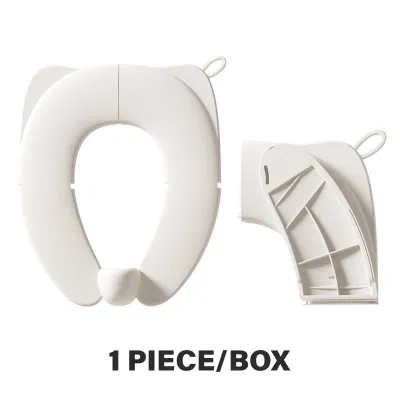
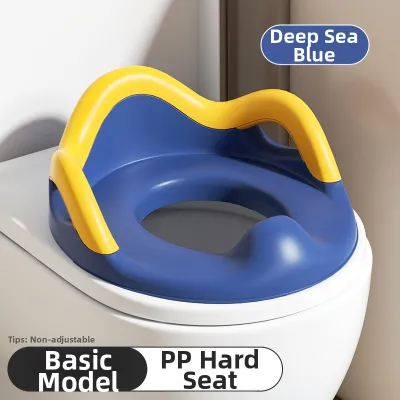
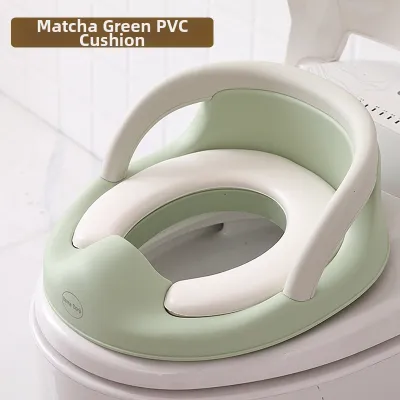
![[SG STOCK] Potty Training Toilet Easy to Clean Cute Duck Baby Potty Training Seat with Splash Guard Toddler Toilet Seat](https://img.lazcdn.com/g/p/43b322c9eeaf92e9ebff6db15b96d8af.jpg_400x400q80.jpg_.webp)
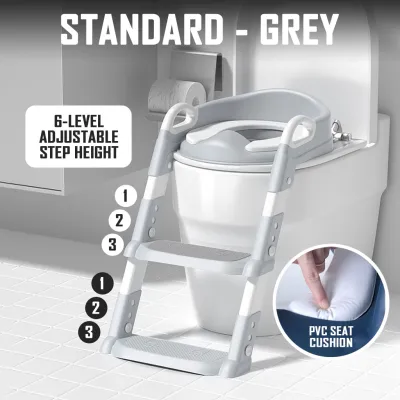
![[SG Seller] 2 in 1 Adult Child Toilet Seat Cover with Potty Training Seat PP Material Double Family Toilet Lid](https://img.lazcdn.com/g/p/054cadc0f2b755dc500d4208ae8e3732.jpg_400x400q80.jpg_.webp)
Prices are valid at publication and may change. Please refer to the product page for the latest price.
Emotional confidence is equally critical. Many toddlers experience a genuine fear of falling into the toilet bowl or slipping off the seat. If your child clings to you, hesitates to sit down, or expresses anxiety about the “big toilet,” they will benefit from features that offer physical security, such as sturdy handles or a highly stable, non-slip ring.
Sensory sensitivities also play a significant role in potty training readiness. The sudden shock of cold porcelain or hard plastic can startle a sensitive child, causing them to resist using the toilet altogether. Similarly, the loud sound of a flushing toilet can trigger anxiety. Identifying these sensory triggers early allows you to select a seat cover that minimizes discomfort, such as a padded option that provides warmth and a more inviting texture.
Finally, identify your child’s current training phase. A child who is just transitioning from a standalone floor potty needs a very different setup compared to a child who is already comfortable at home but struggles with consistency when using public restrooms during family outings. Understanding these nuances prevents you from buying a seat that your child might reject or quickly outgrow, saving you time and effort.
Match Seat Cover Styles to Training Milestones
Selecting the right toilet seat cover kids style is about aligning the product’s design with your child’s developmental milestones. Different designs target specific hurdles, from physical height limitations to sensory sensitivities and travel anxiety. By matching the seat style to your child’s current stage, you can make the transition smoother and build their self-reliance.

Step Stool Combos for Early Independence
For toddlers who are transitioning directly from a floor potty to the adult toilet, a step stool combo is often the most empowering option. These integrated units feature a child-sized seat ring attached to an adjustable ladder or step system. They are ideal for children who want to do everything “by myself” but lack the height to reach the toilet bowl safely.
When choosing a step stool combo, look for models with adjustable step heights to accommodate your growing child. It is also important to consider your bathroom’s layout. In compact bathrooms, such as those in typical HDB flats, space is at a premium. Opt for a lightweight, foldable design that can be easily collapsed and stored flat against the wall or next to the toilet when adults need to use the space.
Additionally, keep maintenance in mind. Because step stool combos have more parts and joints, they require regular cleaning to prevent grime from building up in the crevices. In warm, humid climates, moisture can easily trap in these areas, making a quick-drying, easy-to-wipe material essential for daily hygiene.
Padded Rings and Handle-Equipped Seats for Confidence
If your child is physically tall enough to reach the toilet but expresses anxiety about sitting on it, padded rings and handle-equipped seats are excellent tools for building confidence. A cold, hard plastic seat can startle a toddler, creating a negative sensory association with potty time. Padded rings offer a softer, warmer, and more inviting surface that reduces this sensory shock.
However, parents should weigh the comfort of padded rings against the cleaning requirements. Padded seats often feature vinyl seams that can trap moisture and bacteria if not cleaned thoroughly. If you choose a padded ring, look for seamless designs or commit to a regular sanitizing routine to maintain a hygienic environment.
Handle-equipped seats provide a crucial sense of physical security. Having built-in handles to grip gives children a stabilizing point, helping them feel anchored and reducing the fear of falling backward or slipping into the bowl. When evaluating these seats, ensure the handles are ergonomically designed for small hands and securely integrated into the seat frame rather than being flimsy attachments.
Foldable Travel Seats for On-the-Go Consistency
Maintaining potty training consistency outside the home is a common challenge for parents. Public restrooms can be loud, unfamiliar, and intimidating, which often leads to training setbacks during outings. Foldable travel toilet seat covers are designed specifically to address this issue by providing a familiar, hygienic, and child-sized surface wherever you go.
These portable options typically fold down into a compact size that fits easily into a diaper bag or backpack. When shopping for a travel seat, look for models that feature secure silicone grips or locking mechanisms on the underside. These features prevent the seat from shifting on various public toilet shapes, ensuring your child feels just as secure in a shopping mall or restaurant restroom as they do at home.
For added convenience, consider carrying a dedicated wet bag or travel pouch to store the folded seat after use. This keeps the rest of your diaper bag clean and makes it easy to transport the seat back home for a thorough wash and sanitization.
Key Safety and Fit Checks Before You Buy
Safety and stability should be your top priorities when selecting any kids toilet seat cover. A seat that slides, wobbles, or shifts when a child sits down can instantly shatter their confidence and set back weeks of potty training progress. Always verify that the seat cover features robust non-slip rubber grips, suction cups, or adjustable locking brackets on the underside to keep it firmly anchored to the adult toilet seat.
Compatibility with your home toilet is another critical factor that requires careful verification. Adult toilet bowls generally come in two primary shapes: round and elongated. Before making a purchase, measure your toilet bowl’s length and width, and compare these measurements against the manufacturer’s specified dimensions. Do not assume a universal fit; a seat designed for an elongated bowl may slide dangerously on a round bowl.
Lastly, always confirm the manufacturer’s specified weight limits and structural stability guidelines. This is particularly crucial for step stool combos, which must support your child’s full body weight as they climb. Check that the steps have a textured, non-slip surface and that the entire structure remains stable on your bathroom floor tiles, especially in wet conditions.
Transitioning and Upgrading as Your Child Grows
Potty training is a dynamic process, and your child’s equipment needs will change as they grow. It is important to recognize the signs that your child is ready to transition away from highly supportive seat covers. If your child begins climbing onto the toilet confidently without using the handles, or if they start expressing a preference for sitting directly on the adult seat, it may be time to phase out the training inserts.
To plan the final transition, you can gradually replace step stool combos or padded rings with a simple, separate step stool placed in front of the toilet. This allows your child to sit on the standard adult seat while still having a place to rest their feet. Having their feet flat on a solid surface is anatomically important, as it provides the necessary leverage and abdominal support for comfortable bowel movements.
Encourage your child during this final phase by celebrating their independence. Transitioning to the standard seat without any inserts is a major step toward self-reliance, and reinforcing their success will help them feel proud of their developmental progress.
Frequently Asked Questions (FAQ)
Can a kids toilet seat cover fit any toilet?
No, kids toilet seat covers are not universally compatible with all toilets. Standard adult toilets are typically categorized into round or elongated shapes, and seat covers are often designed to fit one or both of these specific profiles. To ensure a secure fit, always measure your toilet bowl’s dimensions and check the manufacturer’s compatibility guidelines before purchasing. A poorly fitting seat can slide, creating a safety hazard for your child.
When should I stop using a potty seat cover?
You can generally stop using a potty seat cover when your child exhibits both physical and emotional readiness. Physically, this occurs when they are tall enough to sit on the standard adult seat comfortably without sliding backward or feeling like they might fall in. Emotionally, your child may signal readiness by actively refusing to use the insert, wanting to copy older family members, or demonstrating the confidence to balance themselves on the regular seat.

Community discussion
Share your experience or ask a question. Comments are reviewed before publication.