
Selecting the correct formula stage is a vital part of supporting your baby’s growth and digestive development. HiPP offers a structured range of formulas designed to align with specific age brackets and nutritional milestones. Because a baby’s nutritional requirements and digestive capacities change rapidly during the first year of life, matching their current stage of development to the appropriate product ensures they receive the correct balance of nutrients.
In Singapore’s warm and humid climate, maintaining consistent feeding routines and ensuring proper hydration are particularly important for your infant’s daily comfort. Parents often find themselves navigating various product stages, wondering when to transition from infant formula to follow-on or toddler options. Understanding the physical cues of readiness and learning how to read manufacturer labels are the first steps in making an informed decision for your family.
Identifying Your Baby's Readiness for a Stage Change
Observing your baby’s daily feeding patterns and physical behaviors provides the most reliable indication of whether it is time to transition to a new formula stage. While age guidelines on packaging offer a helpful baseline, individual developmental milestones should guide your final decision. A primary sign that your baby may be ready to move to a higher stage is a consistent increase in hunger cues that cannot be satisfied by their current feeding schedule.
Products mentioned in this guide
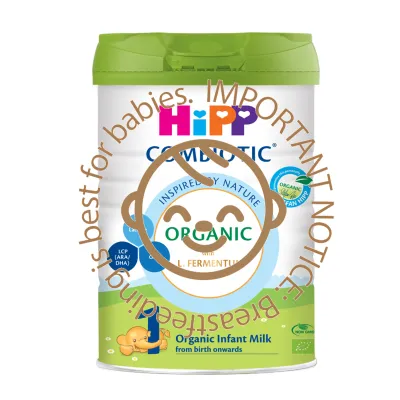



Prices are valid at publication and may change. Please refer to the product page for the latest price.
If your baby begins demanding feeds at significantly shorter intervals or starts waking up frequently during the night after previously sleeping through, their current formula may no longer provide the caloric density or satiety they require. It is important to distinguish these persistent patterns from temporary growth bursts, which typically subside after a few days. If the increased hunger continues for more than a week, it may indicate a need for the more complex carbohydrates often found in follow-on formulas.
Digestive comfort is another critical factor to monitor when assessing readiness for a stage change. As a baby’s gut matures, their ability to process different nutrient profiles improves. However, if you notice persistent digestive discomfort, such as sudden changes in stool consistency, increased gas, or frequent spit-up after feeds, their digestive system may still be adapting. Conversely, a baby who handles their current stage with complete ease and shows interest in solid foods is often a prime candidate for the next stage.
Oral motor skills and physical development also play a significant role in determining readiness, especially when transitioning to follow-on or toddler formulas. As babies reach the age where they can sit with support, hold their heads steady, and show interest in family meals, their nutritional needs shift to complement a weaning diet. Follow-on formulas are specifically formulated to support this transitional phase, offering a thicker texture and a nutrient profile designed to work alongside solid foods.
Understanding HiPP Stage Labels and Manufacturer Guidelines
Navigating the various product lines and stage numbers on HiPP packaging requires careful attention to detail. The manufacturer categorizes its formulas using clear numerical stages, typically starting with Stage 1 or “Pre” for newborns, followed by Stage 2 for older infants, and Stage 3 or toddler milks for older babies and toddlers. These stage numbers are prominently displayed on the front of the tin or box, accompanied by a recommended age range, such as “from 6 months” or “from 12 months.”

When comparing different stages, you will notice distinct nutritional shifts designed to match the baby’s physiological needs at each age. For instance, follow-on formulas (typically Stage 2) generally contain higher levels of iron and calcium compared to infant formulas (Stage 1). This shift supports the rapid bone development and cognitive growth that occurs in the second half of the first year, especially as natural iron stores begin to deplete. The protein content and structure may also vary, with later stages containing protein ratios suited for a more mature digestive tract.
It is essential to verify the preparation instructions for each specific stage, as they are not always identical. Water-to-powder ratios, scoop sizes, and mixing temperatures can vary between different stages and product lines. Using the incorrect scoop or miscalculating the water ratio can lead to under-nutrition or put undue strain on your baby’s kidneys and digestive system. Always use the specific scoop provided inside the current tin and follow the printed preparation table precisely.
In Singapore, where premium organic formulas can range from S$50 to S$70 per tin, ensuring you purchase the correct stage from authorized local retailers or reputable online marketplaces prevents unnecessary waste. Always check the packaging for localized importer labels, which confirm that the product meets local food safety standards and import regulations.
Planning a Safe Transition Between HiPP Stages
Transitioning your baby to a new formula stage should always be a gradual process rather than an abrupt switch. A sudden change in formula composition can overwhelm a baby’s sensitive digestive system, leading to temporary upset, gas, or changes in bowel habits. To minimize this risk, plan a transition period over several days, allowing your baby’s gut microbiome and digestive enzymes to adapt smoothly to the new nutrient levels.
A practical method for transitioning is the bottle-by-bottle approach, where you gradually replace one feed of the old stage with the new stage each day. For example, on the first day, offer the new stage formula for only the midday feed, keeping all other feeds at the previous stage. Over the next few days, slowly increase the number of new stage bottles while phasing out the old ones. Avoid mixing two different powder stages within the same bottle unless specifically advised by a healthcare professional, as this can alter the precise osmotic balance of the feed.
During this transition phase, closely track your baby’s physical responses and behavior. Look for observable signs of intolerance, such as excessive fussiness, unusual crying during or after feeds, constipation, diarrhea, or sudden skin rashes. Some minor changes in stool color or consistency are normal as the digestive tract adjusts to different iron or protein levels, but these should resolve within a few days.
Establish clear stop conditions before you begin the transition. If your baby exhibits severe discomfort, persistent vomiting, or skin reactions, pause the transition immediately and revert to the previous, well-tolerated stage. Allow your baby’s system to settle completely before attempting the transition again, and always consult a professional if the symptoms do not subside after returning to the original formula.
Adjusting for Specific Nutritional Needs and Sensitivities
While the standard sequential stage progression works well for many infants, some babies require specialized formulations due to digestive sensitivities or specific medical needs. If your baby experiences persistent feeding discomfort, excessive spit-up, or signs of colic despite being on the age-appropriate standard stage, a standard progression may not be suitable. HiPP offers specialized variants, such as comfort or anti-reflux formulas, designed to address these specific issues.
Before choosing a specialized formula, carefully check the product labels for specific dietary claims, allergen warnings, or modified protein structures. For example, hypoallergenic formulas contain hydrolyzed proteins that are broken down into smaller pieces, making them easier to digest for babies at risk of developing allergies. Anti-reflux formulas may contain natural thickeners like carob bean gum to help keep the feed down. These specialized products have unique preparation requirements and nutritional profiles that differ significantly from standard stages.
It is crucial to define a clear threshold for when to stop self-directed formula changes. If you suspect your baby has a cow’s milk protein allergy, lactose intolerance, or any other medical condition, do not attempt to diagnose or manage this by switching formula stages on your own. Pausing self-directed changes and seeking a pediatrician’s evaluation is essential to ensure your baby’s safety and to obtain an accurate diagnosis and a tailored feeding plan.
Frequently Asked Questions (FAQ)
Can I skip a HiPP formula stage if my baby seems ready?
Skipping a sequential stage is generally not recommended by pediatric nutritionists or manufacturers. Each stage is formulated with a precise balance of nutrients tailored to a specific developmental window. Bypassing an intermediate stage, such as moving directly from Stage 1 to Stage 3, can expose your baby’s immature digestive system to higher protein and mineral levels than they can safely process, while potentially causing nutritional gaps in essential vitamins and iron. Always cross-reference your baby’s exact age and developmental milestones with the label requirements of the skipped stage before making any changes.
What should I do if my baby rejects the new HiPP stage?
If your baby rejects the new stage, the most effective immediate step is to temporarily revert to the previous, familiar stage. This ensures your baby maintains adequate hydration and caloric intake while you assess the situation. Before retrying the transition, evaluate preparation variables such as the serving temperature, as older stages may have slightly different textures or tastes that are more acceptable at a specific warmth. Ensure you are mixing the powder precisely according to the new stage’s instructions, as scoop sizes and water ratios often differ.
When should I consult a pediatrician instead of changing the formula stage?
You should consult a pediatrician immediately if your baby exhibits warning signs such as poor weight gain, severe or projectile vomiting, extreme lethargy, persistent diarrhea, or blood in their stool. These symptoms indicate potential underlying health or gastrointestinal issues that cannot be resolved by simply changing the formula stage. A professional medical evaluation is necessary to diagnose the root cause and ensure your baby receives the correct nutritional and medical support.

Community discussion
Share your experience or ask a question. Comments are reviewed before publication.