
Selecting the right Hakaa breast pump model depends on aligning your specific breastfeeding goals with the physical design and suction mechanism of each device. Whether you want to collect passive let-down while nursing, manage occasional engorgement, or establish a robust milk stash, matching your daily routine to the correct category ensures comfort and efficiency. By evaluating key features such as manual silicone suction versus electric motor power, flange sizing, and portability, you can confidently choose a model that fits seamlessly into your lifestyle.
Define Your Pumping Goals and Daily Routine
Clarifying your primary pumping objectives is the first step toward narrowing down your options. If you are an exclusive pumper, your needs will be vastly different from someone who only wants to catch excess milk. Exclusive pumping requires high efficiency, consistent output, and comfortable, repeatable sessions. For this demanding routine, you need a setup that maximizes milk expression in the shortest time possible, allowing you to maintain your supply without physical exhaustion.
If you primarily direct-feed but need occasional relief, your focus shifts toward simplicity and speed. Parents often experience engorgement when a baby begins sleeping through the night or during long stretches between feeds. A simple, quiet, and quick-to-assemble option is ideal for these moments, allowing you to relieve pressure quickly without setting up a complex double-electric system.
Products mentioned in this guide
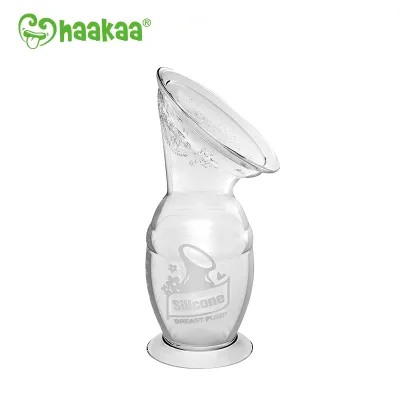
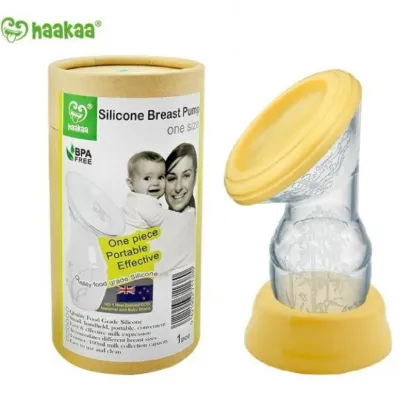
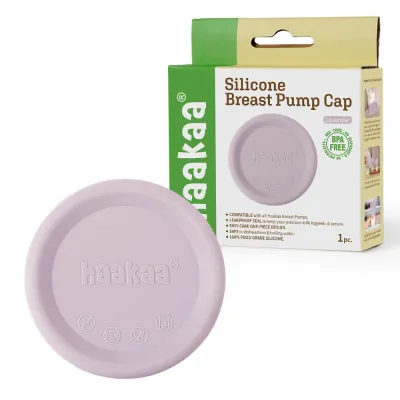
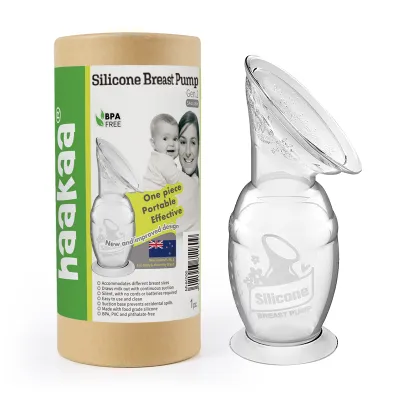
Prices are valid at publication and may change. Please refer to the product page for the latest price.
For those focused on building a milk stash without adding extra, time-consuming pumping sessions, capturing the let-down from the opposite breast while nursing is a highly effective strategy. This approach requires a device that can secure itself hands-free while you cradle your baby, quietly collecting milk that would otherwise be lost to a breast pad. It is an effortless way to accumulate an extra bottle or two each day with minimal disruption to your bonding time.
Your daily routine and environment also dictate the best pump design for your lifestyle. If you are returning to a busy office environment in Singapore, commuting on public transport, or traveling frequently, portability and discretion become paramount. A bulky pump with multiple parts to wash might not be practical for a fast-paced workday. Additionally, middle-of-the-night sessions require a solution that is silent, easy to clean in the dark, and simple to apply without waking a sleeping partner or baby.
Key Features to Evaluate Across Available Models
Understanding the physical and mechanical differences between models helps you evaluate which specifications align with your comfort and output needs. Manual silicone pumps rely on a continuous vacuum created by squeezing the silicone body and applying it to the breast. This provides a constant, gentle draw that works exceptionally well for drawing out milk during a let-down. Electric models, on the other hand, use a motorized pump unit to create a rhythmic, cycle-based suction that mimics a baby’s natural sucking pattern, making them more suitable for active milk expression when not nursing.

Comfort during pumping is directly linked to how well the flange fits your breast and nipple. Some models feature a one-size-fits-most silicone flange that stretches to accommodate different shapes, while others offer specific diameter options or adjustable silicone collars. Ergonomic designs, such as contoured rims, help the pump sit flush against the skin without causing painful pressure points, which is crucial for maintaining a healthy milk flow.
Collection capacity and spill prevention are critical practical considerations for daily use. Standard models typically hold between 100ml and 150ml of milk. If you have a high milk supply, verifying the maximum capacity of the model is essential to avoid overflow during a session. Spill-proof features are equally critical; look for models designed with suction bases that stick securely to flat surfaces, or those compatible with silicone plugs and decorative stoppers to prevent accidental spills during a sleepy midnight transfer.
If you are constantly on the move, the physical footprint of the pump matters. One-piece silicone designs are highly portable, fitting easily into a diaper bag without requiring cords, batteries, or wall outlets. Electric or wearable options require you to evaluate battery life, charging interfaces (such as USB compatibility), and the weight of the motor unit. Choosing a model with a minimal footprint ensures you can maintain your pumping schedule comfortably, whether you are at home, at work, or traveling.
Match Your Scenario to the Right Pump Category
For parents who travel, commute, or only need to pump occasionally, compact manual silicone pumps are an excellent choice. These lightweight, single-piece devices require no electricity, making them completely silent and highly discreet. They are easy to pack into a handbag and can be used anywhere, from an office desk to a quiet corner while traveling. Their simplicity also means there are no small valves or membranes to lose, making them incredibly easy to clean and assemble on the go.
When your routine demands multiple daily pumping sessions or exclusive expression, efficiency and hands-free convenience are non-negotiable. In this scenario, look toward electric or wearable hands-free options. These models automate the expression process, allowing you to multi-task, work at your desk, or relax while the motor handles the rhythmic suction. They are designed to optimize milk output over sustained daily use, reducing physical fatigue and saving valuable time.
If your primary goal is to save every drop of milk that would otherwise be lost to a nursing pad, a passive milk collector or wearable catcher is the perfect fit. These low-profile devices sit inside your nursing bra or attach gently to the opposite breast while your baby nurses on the other side. They utilize very light suction or simple contact to catch the natural let-down reflex without actively stimulating extra production, making them an excellent tool for gentle, passive collection.
Because product lineups and features can update over time, always verify specific model claims, suction levels, and intended use cases against the manufacturer’s current product descriptions. Checking the latest specifications ensures that the model you select matches your expectations for suction strength, capacity, and overall functionality before you make a purchase.
Essential Pre-Purchase Checks for Fit and Safety
To ensure a comfortable and pain-free pumping experience, measure your nipple diameter accurately before purchasing. Use a ruler or a printable sizing tool to measure the base of your nipple, excluding the areola. Keep in mind that nipple size can change postpartum, so measuring close to your due date or a few weeks after birth will yield the most accurate results. A properly fitting flange prevents friction and tissue damage, ensuring a much more comfortable pumping journey.
Since the pump comes into direct contact with breast milk, verifying material safety is paramount. Look for clear labels indicating that the device is made from 100% food-grade or medical-grade silicone. Ensure the packaging explicitly states the product is free from BPA, PVC, phthalates, and other harmful chemicals. Checking these certifications on the official packaging protects your baby’s health and ensures the material can withstand frequent sterilization.
Consider how the pump integrates with your existing feeding setup. Check if the pump’s output can be easily transferred to your preferred brand of storage bags or feeding bottles without spilling. Some systems offer specialized adapters or matching storage caps that streamline this process, reducing the risk of losing precious milk during transfer and making your daily routine much more efficient.
To guarantee you are purchasing an authentic product made from safe, high-quality materials, always buy from authorized local retailers or official brand stores on reputable e-commerce platforms. This ensures you receive genuine medical-grade silicone, reliable customer support, and valid warranty coverage in Singapore. Purchasing from authorized sources protects you from counterfeit products that may contain unsafe plastics or fail to perform as expected.
Frequently Asked Questions (FAQ)
How often should I replace the silicone parts of my pump?
Silicone components naturally degrade over time due to frequent use, washing, and sterilization. You should regularly inspect your pump parts for visual and tactile signs of wear, such as a cloudy appearance, a sticky texture, micro-tears, or a noticeable loss of suction during use. To maintain optimal performance and hygiene, consult your specific product manual for the manufacturer’s recommended replacement schedule, as high-frequency use may require more frequent updates.
Can I use the same device for both collecting milk and active pumping?
While some versatile models can perform both roles, passive milk collectors and active suction pumps are generally designed for different functions. Passive collectors rely primarily on your natural let-down reflex and use minimal suction to catch milk, whereas active pumps use stronger, rhythmic suction to actively draw milk from the breast. Always check the manufacturer’s instructions to confirm if your specific model is rated for dual-purpose use or if it is designed strictly for passive collection or active expression.

Community discussion
Share your experience or ask a question. Comments are reviewed before publication.