
Selecting the most suitable Freddie baby food product for your child requires a careful look at their age, physical milestones, and oral motor skills rather than relying solely on a number on a package. While age recommendations on baby food packaging serve as a helpful baseline, every infant develops at their own pace. To make an informed choice, parents must learn to read the specific texture indicators, ingredient lists, and safety warnings on Freddie labels, matching these details to their baby’s demonstrated chewing and swallowing abilities. Before introducing any new food or transitioning between stages, it is always best to consult a pediatrician or qualified healthcare professional to ensure the choice aligns with your child’s unique developmental path.
Understanding Baby Food Stages and Texture Progression
The journey of introducing solids is a progressive learning experience that helps your baby transition from a purely liquid diet to family meals. This progression is typically divided into distinct stages, starting with ultra-smooth, single-ingredient purees, moving to thicker mashed textures, advancing to finely minced or chopped foods, and eventually leading to soft table foods. Each of these stages corresponds to a critical phase in your baby’s oral motor development. For instance, very young infants who are just starting solids around six months of age require completely smooth purees because they are still learning how to move food from the front of the mouth to the back to swallow safely.
As babies grow and their jaw muscles strengthen, introducing slightly thicker and textured foods becomes essential. This texture progression is not just about nutrition; it plays a vital role in developing the muscles needed for speech and proper chewing. When a baby experiences small lumps and mashed textures, it encourages them to use their tongue to press food against the roof of their mouth and eventually teaches them to lateralize their tongue—moving food to the sides of the mouth where their teeth or gums can grind it down. Delaying the introduction of textured foods past the critical developmental window can sometimes lead to feeding aversion or difficulties accepting varied textures later in toddlerhood.
Products mentioned in this guide
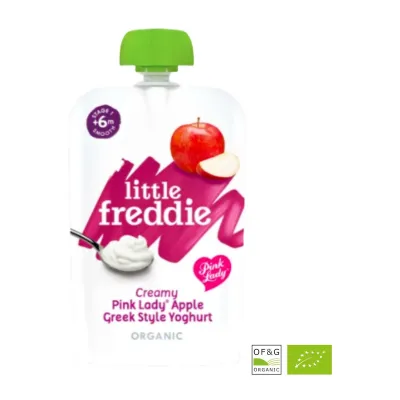
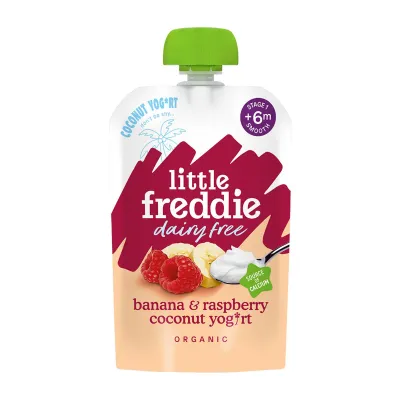
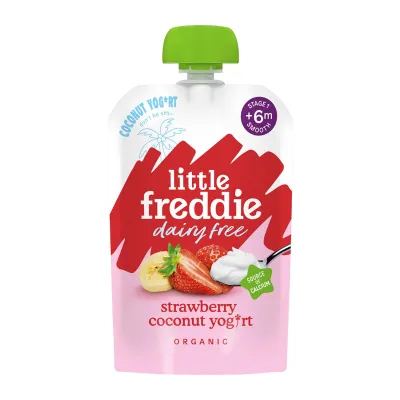
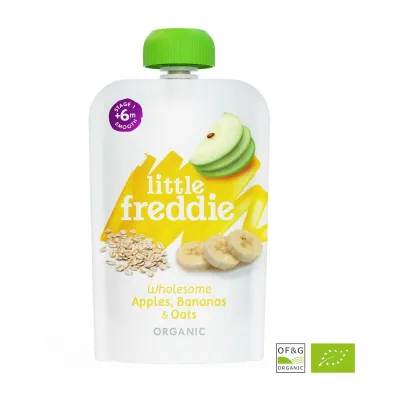
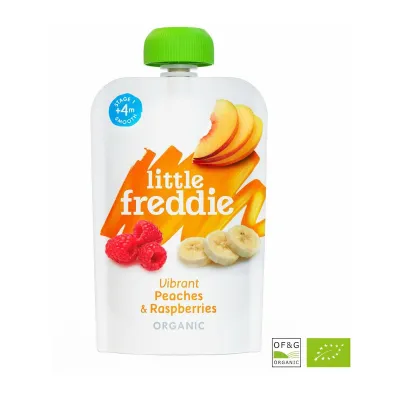
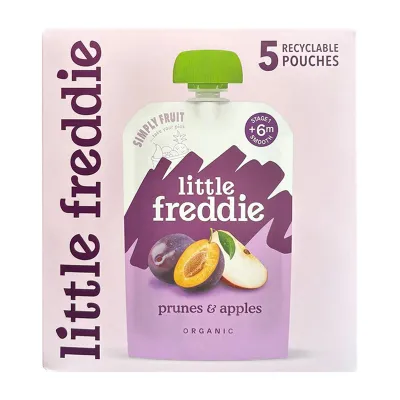
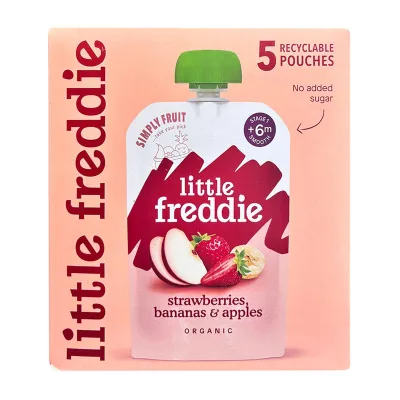
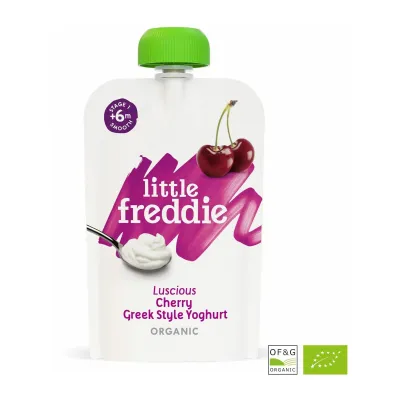
Prices are valid at publication and may change. Please refer to the product page for the latest price.
When selecting a Freddie baby food product, parents should look closely at the packaging for specific stage numbers, texture descriptions, or visual indicators. Manufacturers often categorize their products to guide parents through this texture ladder. For example, early-stage products are typically labeled to indicate a completely smooth, pureed consistency suitable for beginners. Later-stage products will feature descriptions indicating a thicker, mashed, or chunkier texture with soft pieces that require some chewing. Always check the physical package of the specific Freddie variant you are holding to verify its intended texture and stage, as product formulations and packaging designs can change over time.
How to Read Freddie Product Labels for Age and Safety
Reading the product label thoroughly is one of the most important steps a caregiver can take to ensure a safe feeding experience. On any Freddie baby food product, you will find a recommended age marker, such as 6m+, 8m+, or 12m+. It is crucial to understand that these age markers are minimum guidelines, not absolute rules. A product marked “8m+” is generally formulated with textures or ingredients that are unsafe or too challenging for a typical six-month-old. However, just because your baby has reached eight months of age does not automatically mean they are ready for that specific product; they must also display the physical readiness required for that texture.

Beyond the age marker, the ingredient list is a critical area of focus for safety and nutrition. Caregivers should carefully inspect the label for any potential allergens, especially when introducing a new Freddie variant. Common allergens such as dairy, gluten, soy, fish, or nuts may be present in certain formulations, and these must be introduced systematically and cautiously. Additionally, check the ingredient list to verify the absence of added sugars, excessive sodium, or artificial preservatives. High-quality baby foods should rely on the natural flavors of their whole-food ingredients rather than added sweeteners or salt, which are unnecessary and not recommended for developing infants.
Finally, pay close attention to the manufacturer’s specific feeding instructions, preparation guidelines, and safety warnings printed on the label. Some products may require gentle warming, while others are designed to be served at room temperature. The label will also provide instructions on whether the product can be fed directly from the container or if it should be spooned into a separate bowl first. To prevent contamination and ensure safety, always supervise your baby closely during every meal, and never leave them unattended while eating. If you notice any unusual reactions, coughing, or difficulty swallowing, stop feeding immediately and seek professional medical advice.
Matching Nutritional Needs to Your Baby's Milestones
As your baby transitions through different stages of growth, their nutritional requirements undergo significant changes. During the initial weaning phase, which typically begins around six months of age, a baby’s natural iron stores start to deplete, making the introduction of iron-rich foods a primary focus. When browsing Freddie baby food options, look for variants that incorporate ingredients naturally high in iron, or those designed to complement an iron-rich diet. Introducing a variety of single-ingredient fruits and vegetables early on also helps familiarize your baby’s palate with different natural flavors, laying the foundation for healthy eating habits.
As your baby becomes more active—learning to roll, sit up, crawl, and eventually walk—their energy expenditure increases. Consequently, their dietary needs shift to include a wider balance of macronutrients, including healthy fats, proteins, and complex carbohydrates to support their rapid physical development and brain growth. During this active phase, you can look for Freddie products that feature more complex ingredient combinations, blending grains, vegetables, and protein sources. These multi-ingredient blends help provide a more concentrated source of energy and nutrients to match your baby’s growing physical demands.
It is important to remember that packaged baby food, including the Freddie range, is best used as a convenient complement to a broader, balanced diet rather than a complete replacement for fresh, home-prepared family meals. Breastmilk or infant formula should remain the primary source of nutrition for your baby throughout their first year of life. As your baby transitions to solid foods, packaged purees and meals offer an excellent, hygienic option for busy days, outings, or quick meals, but they should be integrated alongside fresh whole foods and family-style meals to help your baby adapt to the diverse textures and flavors of your household’s regular diet.
Transitioning Between Variants: Signs Your Baby is Ready
Deciding when to transition your baby to a more advanced Freddie product stage should be guided by observable physical and behavioral milestones rather than the calendar alone. One of the most critical physical signs of readiness for thicker, textured foods is the ability to sit upright unassisted or with minimal support in a high chair, maintaining good head and neck control. Another key physical milestone is the fading of the tongue-thrust reflex—the natural instinct that causes young infants to push solid objects out of their mouth with their tongue. If your baby is still pushing food out of their mouth automatically, they are likely not yet ready for thicker textures.
Behavioral cues are equally telling indicators of your baby’s readiness to progress. You may notice your baby showing intense interest in the food on your plate, reaching out for your spoon, or opening their mouth eagerly when they see food approaching. They might also begin making chewing motions with their mouth when watching others eat. These behaviors suggest that your baby is cognitively and physically curious about exploring new eating experiences. When you observe these signs, it may be an appropriate time to introduce a slightly thicker or more textured Freddie variant to challenge their oral motor skills gently.
When making the transition, pacing is everything. Every baby’s swallowing confidence and oral coordination develop uniquely, so it is vital to follow your child’s individual comfort level. Start by introducing just a small amount of the new texture at the beginning of a meal when your baby is hungry but not overly tired. If they gag excessively, struggle to swallow, or seem distressed, do not force the transition. It is perfectly normal to step back to a smoother texture for a week or two before trying again. Always prioritize a positive, stress-free feeding environment over a rigid timeline, and consult your pediatrician if you have persistent concerns about your baby’s swallowing or feeding progress.
Frequently Asked Questions (FAQ)
This section addresses common practical questions parents have when navigating the different stages of baby food and managing daily feeding routines.
Can I mix different Freddie stages if my baby is between ages?
Yes, mixing different stages of baby food can be a highly effective way to ease the transition between textures, provided you follow a few safety precautions. If your baby is ready to move from a completely smooth puree to a slightly chunkier texture, you can blend a small amount of the more advanced Freddie stage into their familiar, smoother stage. This gradual introduction allows your baby to experience subtle changes in texture without becoming overwhelmed by sudden lumps.
Before mixing two different Freddie products, however, you must ensure that your baby has already tried and tolerated each ingredient in both products individually. Introducing multiple new ingredients or potential allergens simultaneously makes it incredibly difficult to identify the culprit if your baby experiences an allergic reaction or digestive upset. Once you have verified that both products are safe for your baby, you can gradually increase the proportion of the thicker texture over several days, eventually phasing out the smoother stage entirely as your baby’s swallowing confidence grows.
How should I store opened Freddie baby food pouches or jars?
Proper storage of opened baby food is essential to prevent the growth of harmful bacteria and maintain the nutritional quality of the food. Once a Freddie pouch or jar has been opened, any unused portion must be refrigerated immediately. Always check the specific product packaging for the manufacturer’s exact refrigeration time limits, which typically range from 24 to 48 hours. In warm, humid climates like Singapore’s, keeping opened baby food at room temperature for extended periods can lead to rapid bacterial spoilage, so prompt refrigeration is critical.
To ensure safety, never feed your baby directly from the pouch or jar if you plan to save a portion for later. Saliva from your baby’s mouth can travel from the spoon back into the container, introducing bacteria and enzymes that break down the food and cause it to spoil quickly. Instead, spoon the desired serving into a clean bowl and immediately seal and refrigerate the remaining portion. Additionally, check the product label for specific instructions regarding freezing; some purees may separate or undergo undesirable texture changes upon thawing, so it is best to follow the manufacturer’s guidance on freezing leftovers.

Community discussion
Share your experience or ask a question. Comments are reviewed before publication.