
To choose the right Desitin cream variant for your baby, you must match the product’s formulation to the current state of your baby’s skin. The brand offers three primary options—Rapid Relief, Maximum Strength, and Original—each designed with a specific concentration of zinc oxide to address different stages of diaper irritation. Selecting the incorrect formula can either leave severe diaper rash under-protected or make daily diaper changes unnecessarily difficult due to heavy, hard-to-remove pastes.
In Singapore’s warm, highly humid climate, managing diaper rash requires a precise approach. High humidity levels trap moisture against your infant’s delicate skin, accelerating the breakdown of the natural skin barrier when exposed to urine and stool. Understanding how to navigate these environmental factors alongside the specific benefits of each cream variant ensures your baby remains comfortable and rash-free.
By evaluating the severity of the irritation first, you can easily determine whether your baby needs a lightweight soothing cream, a balanced daily preventative shield, or a heavy-duty physical barrier. This guide breaks down the clinical purpose, application texture, and limitations of each variant, helping you make an informed decision at the changing table.
Products mentioned in this guide
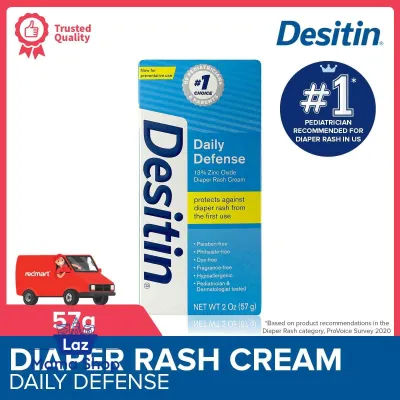
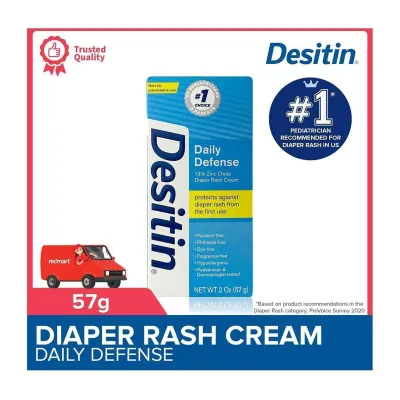
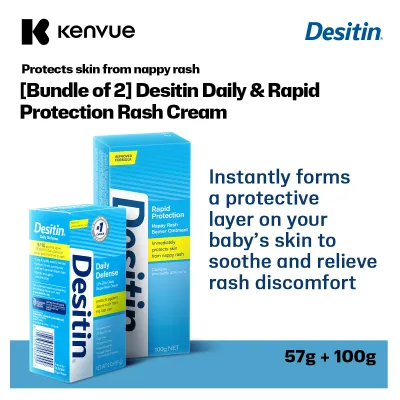
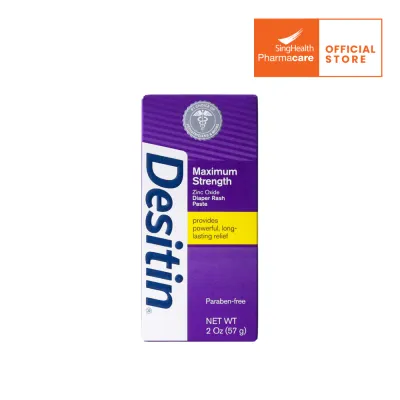
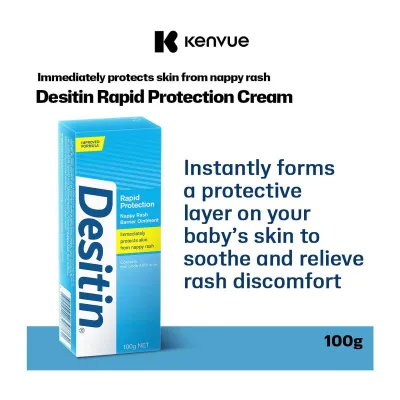
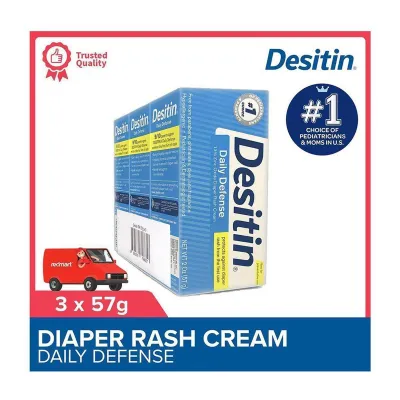
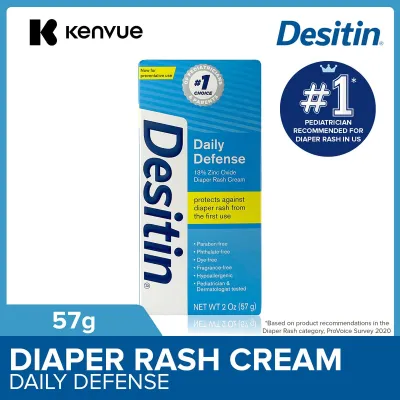
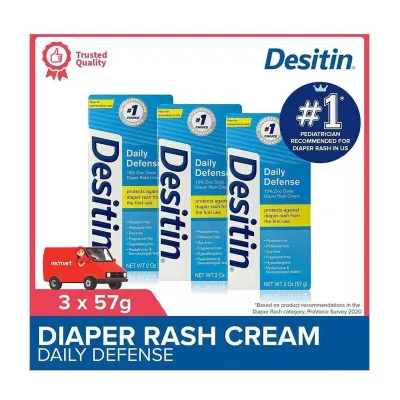
Prices are valid at publication and may change. Please refer to the product page for the latest price.
Assessing Your Baby's Diaper Rash Severity Before Choosing
Before reaching for any tube of diaper cream, you must carefully examine your baby’s diaper area under clear, bright light. Diaper rash is not a single, uniform condition; it ranges from mild chafing to severe, painful inflammation. Identifying the exact state of the skin is the critical first step that dictates which variant will be effective.
Mild diaper irritation typically presents as slight pinkness or very light redness across a limited area. The skin remains smooth to the touch, and your baby likely shows minimal discomfort, perhaps only fussing slightly during cleanups. At this stage, the skin barrier is slightly compromised but still largely intact, requiring only gentle support to recover.
Moderate to severe diaper rash exhibits intense, bright red patches that cover larger portions of the diaper region. The skin may feel warm, look swollen, or show signs of peeling and raw patches. Your baby will often show visible distress, crying or flinching during diaper changes, or displaying general irritability throughout the day.
It is vital to remember that a visual assessment is a preliminary step to guide your product selection, not a formal medical diagnosis. If you notice any broken skin, bleeding, or weeping fluid, you must exercise extreme caution. Applying thick, heavy barrier creams over open wounds or weeping skin can trap moisture and bacteria, potentially worsening the condition or leading to secondary infections. Always check for these signs before applying any product.
Desitin Rapid Relief: Quick Comfort for Mild Irritation
The Rapid Relief variant is formulated specifically to address the earliest signs of diaper discomfort. When you first notice slight pinkness or minor chafing from diaper edges, this cream serves as an immediate soothing agent. It is designed to calm the skin quickly, preventing minor irritation from escalating into a more painful, deep-seated rash.

Before applying this variant, you should check the product label to verify its specific active ingredient concentration and look for any added soothing agents. This formula typically utilizes a lower concentration of zinc oxide, which is combined with skin-conditioning emollients like aloe vera or vitamin E. Verifying these ingredients on the physical packaging helps ensure the formulation aligns with your baby’s skin sensitivities.
The texture of Rapid Relief is notably smooth, lightweight, and easy to spread. It glides effortlessly over the skin, which is crucial when treating a baby who may be sensitive to touch. This easy-glide consistency ensures you can apply a protective layer without having to rub or press down on the irritated skin, minimizing friction-induced discomfort.
However, this variant has distinct limitations. Because it is designed for rapid absorption and lightweight protection, it does not possess the barrier density required to treat severe, stubborn, or deeply raw rashes. It should never be applied to broken skin, weeping lesions, or areas showing signs of infection, as it cannot provide the heavy-duty sealing power needed in those scenarios.
Desitin Maximum Strength: Heavy-Duty Protection for Severe Rashes
When your baby faces a stubborn, highly inflamed, or severe diaper rash, the Maximum Strength variant is the appropriate choice. This formula is engineered to provide a dense, impermeable physical barrier that stands up to the most aggressive irritants. It is particularly valuable for overnight use, when your baby goes longer periods without a diaper change, exposing the skin to prolonged wetness.
To understand the protective capability of this variant, you should inspect the packaging to verify the highest active ingredient percentage. This heavy-duty paste contains a significantly higher concentration of zinc oxide—typically around 40%—which is the maximum level available in over-the-counter diaper creams. This high concentration is what allows the cream to form a durable shield that seals out moisture completely.
The texture of Maximum Strength is exceptionally thick, rich, and paste-like. Unlike lighter creams, it does not absorb into the skin; instead, it sits on top as a visible, protective wall. This thick consistency is necessary to lock out urine, feces, and digestive enzymes, giving the compromised skin underneath a safe, dry environment to regenerate and heal.
Despite its high efficacy, this variant comes with practical limitations. The exceptionally thick paste is highly adhesive, making it difficult to wipe clean during subsequent diaper changes. You must avoid scrubbing the baby’s skin to remove leftover paste, as the friction will cause further damage; instead, gently pat the area clean. Additionally, this formula is not meant for daily prevention on healthy skin, and if a severe rash does not improve after a few days, you should consult a pediatrician.
Desitin Original: Daily Prevention and Gentle Barrier
The Original variant serves as a foundational skincare product designed for routine, everyday use. Rather than waiting for a rash to develop, you apply this cream proactively to maintain a healthy skin barrier. It is ideal for parents who want a reliable, everyday defense against the constant friction and moisture inherent in diaper wear.
When selecting this variant, guide your decision by checking the label for its standard active ingredient concentration. Typically formulated with a moderate level of zinc oxide (often around 13%), it strikes a balance between protective strength and ease of daily application. This moderate concentration allows for regular, multi-daily use without building up an unmanageable layer of paste on your baby’s skin.
The primary function of the Original formula is to act as a proactive shield during standard diaper changes. In Singapore’s humid climate, sweat can accumulate quickly inside a diaper, mixing with urine to create a harsh environment. This cream forms a gentle, continuous barrier that prevents these liquids from making direct contact with the skin, neutralizing the risk of diaper-induced chafing.
However, the balanced nature of the Original variant means it has limitations when treating active flare-ups. If your baby has already developed a deep, bright red, or raw rash, this everyday formula may lack the concentrated barrier density required to facilitate rapid healing. In those instances, you will need to temporarily step up to a more concentrated treatment option.
Quick Comparison: Matching the Variant to Your Baby's Needs
To help you quickly determine which Desitin product suits your baby’s current skin condition, the following comparison matrix outlines the key differences across the three variants. Always verify the exact specifications and ingredient details on the physical packaging of the product you purchase.
| Variant Name | Best Used For | Texture/Feel Profile | Label Check (Active Ingredient Focus) | Key Limitations |
|---|---|---|---|---|
| Desitin Rapid Relief | Mild redness, minor chafing, and rapid daytime soothing | Smooth, lightweight cream; glides on easily and absorbs quickly | Lower zinc oxide concentration (approx. 10%); look for aloe or vitamin E | Not suitable for severe, stubborn, or weeping rashes |
| Desitin Original | Daily routine prevention and maintaining a healthy skin barrier | Moderately thick, balanced cream; easy to spread regularly | Standard zinc oxide concentration (approx. 13%) for daily defense | Lacks the heavy-duty barrier strength needed for active, severe flare-ups |
| Desitin Maximum Strength | Severe, stubborn rashes, raw skin, and overnight protection | Very thick, rich, adhesive paste; forms a visible physical wall | Highest zinc oxide concentration (approx. 40%) for maximum protection | Hard to wipe off; not recommended for routine daily use on healthy skin |
As your baby’s skin condition changes, you should transition between these variants accordingly. For example, if a severe rash begins to heal and the deep redness fades to a light pink, you can step down from Maximum Strength to the Original or Rapid Relief formula. Conversely, if daily use of the Original cream does not prevent a flare-up during a period of teething or dietary changes, step up to Maximum Strength temporarily until the skin recovers.
When to Stop Home Care and See a Doctor in Singapore
While over-the-counter barrier creams are highly effective for standard diaper dermatitis, they cannot resolve every skin issue in the diaper region. You must remain vigilant and recognize when home care is no longer sufficient. Relying solely on barrier creams for complex skin conditions can delay proper treatment and cause unnecessary discomfort for your baby.
There are several “red flag” symptoms that require you to stop using the cream and seek immediate medical attention. If your baby develops a fever, or if the rash begins to spread rapidly beyond the diaper area to the abdomen, back, or limbs, you must consult a doctor. Other critical warning signs include the appearance of blisters, pus-filled bumps, peeling skin, or any bleeding from the rash site.
Even in the absence of these severe symptoms, you should stop home treatment if the diaper rash shows no improvement after two to three days of consistent, correct application. A persistent rash that resists zinc oxide creams often indicates an underlying issue that requires a professional diagnosis and targeted medical treatment.
In Singapore, you should consult a pediatrician or a general practitioner (GP) at a local clinic or polyclinic if the rash persists. The warm, humid tropical climate of Singapore creates an ideal breeding ground for yeast and bacteria. A bright red rash with distinct borders and small, red “satellite” spots surrounding the main area is frequently a fungal (yeast) infection, which requires a prescription antifungal ointment rather than a standard zinc oxide barrier cream.
Frequently Asked Questions (FAQ)
Can I use Desitin Maximum Strength for everyday prevention?
While it is entirely safe to use, reserving the Maximum Strength formula for active, severe rashes is generally recommended. Its exceptionally thick, sticky consistency makes it highly adhesive and difficult to clean off completely during routine diaper changes. Constantly scrubbing your baby’s skin to remove the leftover paste can cause mechanical irritation, defeating the purpose of preventative care. For daily prevention on healthy skin, the lighter Original or Rapid Relief variants are much easier to manage and highly effective.
How thick should I apply the diaper rash cream?
The ideal thickness depends on whether you are preventing a rash or treating an active one. For daily prevention using the Original or Rapid Relief variants, apply a thin, even layer that completely covers the skin but remains translucent. When treating an active, severe rash with Maximum Strength, apply a thick, white, frosting-like layer. This heavy application ensures that the friction from the diaper rubs against the cream rather than your baby’s raw, sensitive skin. Always clean and pat the area completely dry before reapplying.
Is it safe to use Desitin on newborns?
Zinc oxide-based barrier creams are standard, time-tested options for newborn diaper care, but you must always read the specific product label for age recommendations and manufacturer warnings. A newborn’s skin barrier is exceptionally thin, highly sensitive, and still developing, making it prone to irritation. Before introducing any new skincare product or barrier cream to your newborn, it is highly advisable to consult your pediatrician in Singapore to ensure the formulation is appropriate for your infant’s specific skin needs.

Community discussion
Share your experience or ask a question. Comments are reviewed before publication.