
Diaper rash is a common challenge for parents, particularly in warm, tropical climates like Singapore’s, where high humidity and heat trap moisture close to a baby’s delicate skin. When searching for a reliable barrier cream, Desitin is frequently recommended. However, walking down the baby care aisle reveals multiple formulations, leaving many parents wondering which option is best for their child.
Choosing the right Desitin variant depends entirely on the current condition of your baby’s skin and whether you are trying to prevent a rash or treat an active flare-up. The blue-labeled Desitin Daily Defense is formulated with a lower concentration of zinc oxide, making it ideal for daily prevention and very mild pinkness. For moderate redness and active chafing, Desitin Rapid Relief offers a balanced, fast-soothing barrier. When faced with severe, stubborn, or highly inflamed rashes, the purple-labeled Desitin Maximum Strength provides the ultimate physical shield with its high zinc oxide concentration. Matching the cream’s strength to the severity of the rash ensures prompt healing while keeping your baby comfortable.
Assessing Your Baby's Diaper Rash Severity
Accurately evaluating your baby’s skin is the critical first step before selecting a diaper cream. Diaper rash presents in various stages, and misjudging the severity can lead to using a formula that is either too weak to promote healing or unnecessarily thick and difficult to clean. A mild diaper rash typically appears as faint pinkness or dry, slightly rough skin patches confined to a small area. At this stage, your baby is usually comfortable and does not show signs of distress during diaper changes.
Products mentioned in this guide
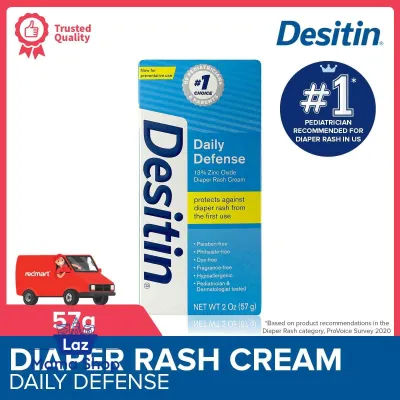
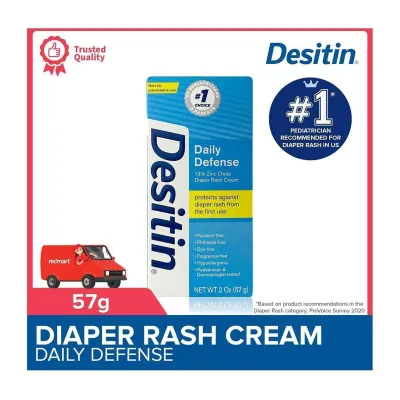
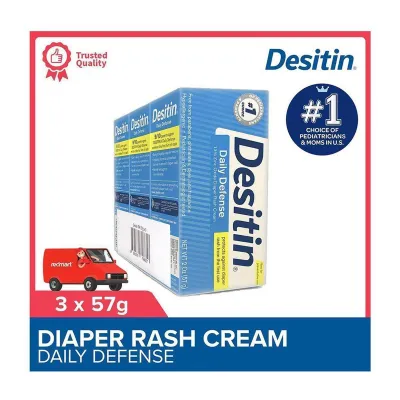
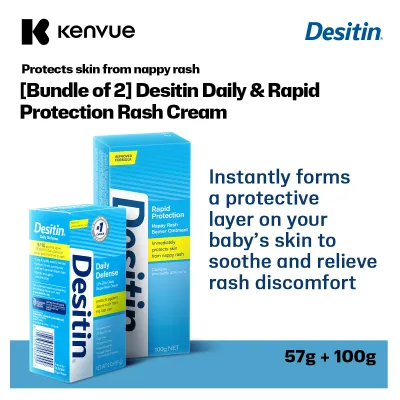
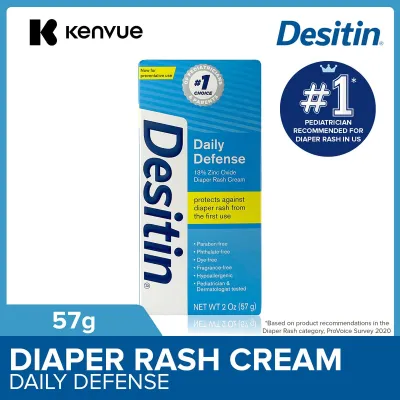
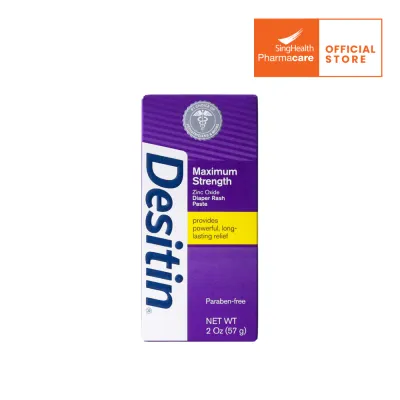
![[Bundle of 3] Desitin Daily Defense Diaper Rash Protection Cream Instantly Soothe Diaper Rash Discomfort 57g](https://img.lazcdn.com/g/p/b74ae21f7b47f8ec6b2c02dbfd829fc2.jpg_400x400q80.jpg_.webp)
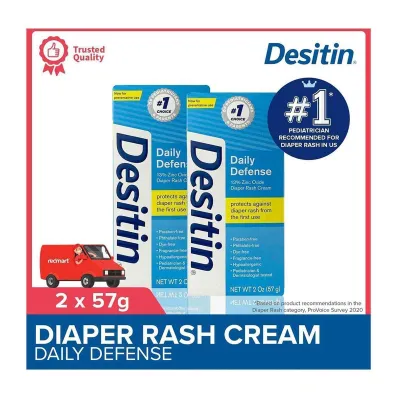
Prices are valid at publication and may change. Please refer to the product page for the latest price.
A moderate diaper rash involves a more pronounced, widespread redness, early signs of chafing, and small, raised bumps. The skin feels warm to the touch, and your baby may flinch, fuss, or cry when the area is wiped. A severe diaper rash is characterized by intense, deep red, shiny, or raw-looking skin. You may notice peeling, bleeding, or small fluid-filled blisters. In these cases, your baby will likely experience significant discomfort, crying during changes and showing overall irritability.
The active ingredient that powers Desitin’s protective qualities is zinc oxide, a mineral recognized for its ability to soothe and protect skin. Zinc oxide acts as a physical barrier; it sits on top of the skin’s surface to block moisture rather than absorbing into the epidermis. The concentration of zinc oxide varies across Desitin products, and this percentage directly dictates the thickness, durability, and protective capacity of the barrier. A higher concentration creates a more robust, long-lasting shield against external irritants.
Diaper rash is primarily caused by prolonged exposure to moisture, friction from diaper movement, and the irritating digestive enzymes present in urine and stool. In Singapore’s humid climate, sweat can accumulate quickly in the diaper area, further accelerating the breakdown of the skin’s natural barrier. While diaper creams are highly effective at sealing out moisture and reducing friction, parents must remember that they do not cure underlying systemic issues. A proper visual assessment of the rash, combined with monitoring your baby’s behavioral cues, will guide you to the correct level of protection.
Desitin Daily Defense: Best for Prevention and Mild Irritation
Desitin Daily Defense is designed as an everyday maintenance cream to keep healthy skin protected and address very minor skin changes. This variant is most appropriate when your baby’s skin is completely clear or showing only the earliest signs of slight pinkness. It is highly practical for routine application during daily diaper changes, especially before putting your baby down for long overnight sleep stretches or during travel when immediate diaper changes may not be possible.

The formulation of Daily Defense typically features a lower concentration of zinc oxide, usually around 13%. This active ingredient is blended with emollient moisturizers, such as vitamin E and aloe, which give the cream a smooth, lotion-like texture. This specific blend allows the cream to glide effortlessly onto your baby’s delicate skin without requiring firm rubbing, which is crucial for preventing friction-induced irritation on sensitive areas.
One of the primary benefits of Daily Defense is its ease of application and removal. Because it is less dense than the maximum-strength formulas, it wipes off cleanly with a gentle baby wipe or damp cloth during routine changes. This makes it a highly convenient option for busy parents managing frequent diaper changes throughout the day. It provides a lightweight, breathable barrier that keeps everyday moisture at bay without leaving a stubborn residue.
However, parents must recognize when this preventive formula is no longer sufficient. If your baby’s skin redness deepens, spreads over a wider area, or if your baby begins to show signs of discomfort or pain during wipes, it is time to transition to a stronger formula. Continuing to use a mild preventive cream on an escalating, moderate-to-severe rash will delay healing and prolong your baby’s discomfort.
Desitin Rapid Relief: Best for Moderate Redness and Discomfort
When mild pinkness escalates into a clearly visible, moderate diaper rash, Desitin Rapid Relief is the ideal intermediate solution. This variant is specifically formulated for active irritation—scenarios where the diaper area is noticeably red, slightly chafed, and the baby is showing early signs of discomfort during changes. It is designed to soothe the skin quickly while forming a reliable, protective seal against further irritation.
Rapid Relief utilizes a balanced zinc oxide concentration that bridges the gap between daily prevention and heavy-duty treatment. This formulation is engineered to balance robust skin protection with excellent spreadability. It is thick enough to stay in place and shield compromised skin from the irritating effects of wetness and acidic stool enzymes, yet soft enough to apply smoothly over tender, inflamed areas without causing additional pain.
The primary mechanism of Rapid Relief is to create a breathable yet effective barrier. By sealing out external moisture, it allows the irritated skin underneath to rest and begin its natural healing process. This variant also helps to reduce redness and inflammation relatively quickly, providing noticeable comfort to an otherwise fussy baby.
For moderate flare-ups, apply Desitin Rapid Relief generously at every diaper change. Because moderate rashes can deteriorate quickly in humid conditions, it is essential to pair the cream’s application with more frequent diaper checks. Do not wait for the diaper to become fully saturated; changing your baby promptly and applying a fresh layer of Rapid Relief will accelerate recovery and prevent the rash from worsening.
Desitin Maximum Strength: Best for Severe and Stubborn Rashes
For severe, highly irritated, or stubborn diaper rashes that have failed to respond to milder treatments, Desitin Maximum Strength is the most effective over-the-counter option. This variant is reserved for intense flare-ups where the skin is deep red, raw, heavily chafed, or when the rash persists despite consistent care with lighter creams.
This formula contains the highest concentration of zinc oxide available in non-prescription diaper creams, typically formulated at 40%. This high concentration results in an exceptionally thick, paste-like consistency. The primary purpose of Desitin Maximum Strength is to create an impenetrable, long-lasting physical barrier. Unlike thinner creams, this heavy paste adheres firmly to the skin and remains in place even through heavy wetting, diarrhea, or prolonged friction against the diaper.
Applying such a thick paste requires a gentle and deliberate technique. Always clean your hands thoroughly or use a dedicated, clean baby cream spatula. Apply a generous, thick layer over the affected area, using a technique similar to “frosting a cake.” The goal is to leave a visible, protective layer of paste on the skin rather than rubbing it in completely. Vigorous rubbing will only cause further pain and damage to the already compromised skin.
A critical safety warning: do not apply this heavy, occlusive paste to broken, bleeding, weeping, or oozing skin without first consulting a pediatrician or healthcare professional. Because the paste forms an airtight seal, applying it over open wounds or broken skin can trap harmful bacteria or yeast underneath, potentially leading to a more serious skin infection. Always verify the suitability of the product by checking the manufacturer’s warnings and instructions on the packaging.
Best Practices for Applying Desitin Effectively
To maximize the effectiveness of your chosen Desitin variant, proper application technique is just as important as selecting the right product. Always begin with a meticulous preparation routine. Gently cleanse the diaper area during changes, avoiding harsh scrubbing. Use lukewarm water and a soft cloth, or high-quality, fragrance-free baby wipes. Once clean, ensure the skin is completely dry before applying any cream. Pat the skin gently with a dry towel or let it air-dry. Applying barrier cream over trapped moisture can lock wetness against the skin, defeating the purpose of the cream.
When applying the cream, tailor your technique to the variant. For thinner formulas like Daily Defense, a gentle, light sweep over the skin is sufficient. For the thick Maximum Strength paste, apply a thick, protective layer that completely shields the skin from view. During subsequent diaper changes, you do not need to vigorously scrub off the remaining clean layer of cream. Doing so causes unnecessary friction and pain. Simply wipe away any soiled cream and stool, and apply a fresh top layer over the clean, remaining paste.
Remember that barrier creams are only one part of diaper rash management. No cream can replace the fundamental need for frequent diaper changes. In Singapore’s humid climate, try to incorporate daily diaper-free air time. Laying your baby on a clean, waterproof mat without a diaper for 10 to 15 minutes a day allows the skin to breathe, dry completely, and heal significantly faster.
When to Stop Using Barrier Creams and See a Doctor
While Desitin is an excellent over-the-counter solution for standard diaper rash, it has its limits. Parents must monitor the rash closely and recognize when medical intervention is necessary. There are several red-flag symptoms that warrant an immediate visit to a pediatrician. If you notice bleeding, oozing, blisters, pus, or if your baby develops a fever, stop using the cream and seek medical advice right away. Additionally, if the diaper rash spreads beyond the diaper area to the abdomen, thighs, or back, it requires professional evaluation.
As a general rule, if your baby’s diaper rash does not show signs of improvement or continues to worsen after 3 to 7 days of consistent, correct Desitin use, it is time to consult a doctor. Persistent rashes that do not respond to zinc oxide are often not simple contact rashes.
Many stubborn diaper rashes are caused by fungal (yeast) or bacterial infections. A yeast infection, often caused by Candida, thrives in warm, moist diaper environments and typically presents as a bright red rash with distinct, tiny red bumps (satellite lesions) spreading outward. Standard zinc oxide barrier creams cannot cure a fungal or bacterial infection; these conditions require specific prescription antifungal or antibiotic ointments. Desitin serves as a protective barrier, not a medicated cure for underlying infections or allergic reactions.
Frequently Asked Questions (FAQ)
Can I use Desitin Maximum Strength for everyday prevention?
While it is generally safe to use, Desitin Maximum Strength is not practical or necessary for everyday prevention on healthy skin. Its extremely thick, paste-like consistency makes it difficult to wipe off during routine changes, which can lead to unnecessary skin friction. It can also trap excess heat and sweat against healthy skin, especially in warm climates. The lighter Daily Defense formula is much more comfortable, easier to apply, and highly effective for daily, routine protection.
Is Desitin safe for newborns?
Yes, zinc oxide-based barrier creams like Desitin are generally considered safe for newborns. However, always read the specific product packaging for age recommendations and manufacturer warnings before application. For premature infants, babies with extremely sensitive skin, or those with pre-existing medical conditions, it is highly recommended to consult your pediatrician before introducing any new skincare products.
How do I remove thick Desitin paste without scrubbing my baby's skin?
Removing stubborn, thick Desitin Maximum Strength paste can be challenging. To avoid irritating your baby’s healing skin through harsh scrubbing, apply a small amount of gentle, baby-safe oil (such as mineral oil or coconut oil) to a soft cotton pad or fragrance-free wipe. The oil will naturally break down the thick zinc oxide barrier, allowing you to gently lift and wipe the paste away without friction. Follow up by cleansing gently with warm water and patting dry.
Community discussion
Share your experience or ask a question. Comments are reviewed before publication.