
Selecting the right children toilet seat is a pivotal step in your child’s potty training journey. The ideal choice depends on your child’s physical development, coordination, and sensory comfort, rather than visual appeal alone. By matching the seat’s design—whether it is an integrated step stool, a portable folding model, or a padded ring—to your child’s current developmental stage, you can foster independence and reduce training anxiety.
Every child progresses at their own pace, meaning a seat that works for one toddler might not suit another. Observing how your child interacts with bathroom fixtures and identifying their physical needs will guide you toward the most supportive option. This guide outlines how to assess your child’s readiness and compare the primary toilet seat types to find the perfect fit for your home.
Assess Your Child's Potty Training Readiness and Physical Needs
Before browsing different children toilet seat options, take time to observe your child’s physical capabilities and comfort levels. Physical coordination is a primary indicator of readiness. Notice whether your child can confidently climb steps, balance on one foot, or if they still require significant physical assistance to stabilize themselves when changing levels. A child who struggles with balance will need a highly stable seat option with robust support features.
Products mentioned in this guide
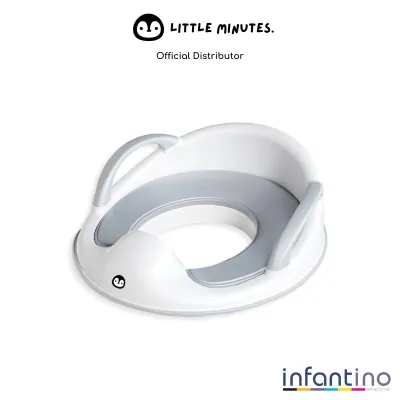
![[Cozy Nest] Premium Baby and Toddler Toilet Seat Gender-Neutral Specialized Kids PVC Seat Cushion Potty Training Solution for Boys and Girls](https://img.lazcdn.com/g/p/873339941a343221f0b25d9fc2da4016.png_400x400q80.png_.webp)
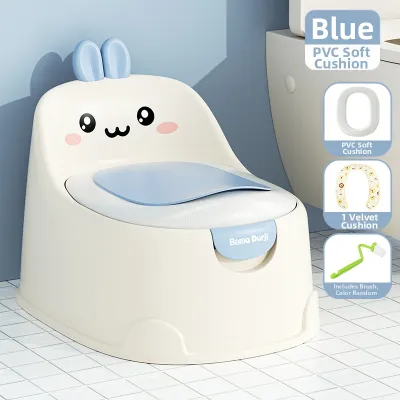
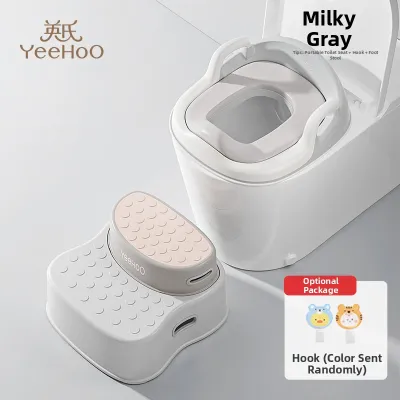
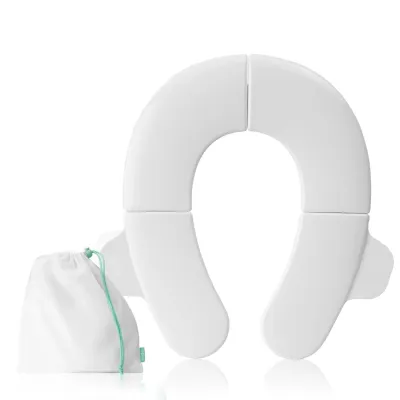
![[SG Stock] Baby Foldable Travel Potty Seat Kids Fodling Toilet Training Seat 12M+](https://img.lazcdn.com/g/p/54298d0cd77fc65e57e532664f2d523b.jpg_400x400q80.jpg_.webp)
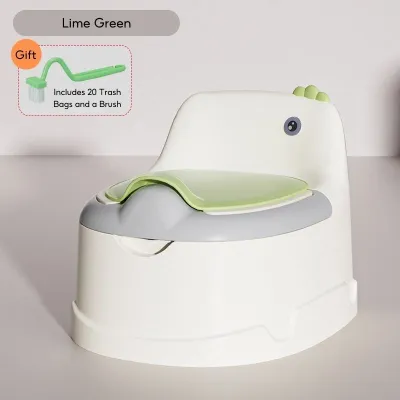
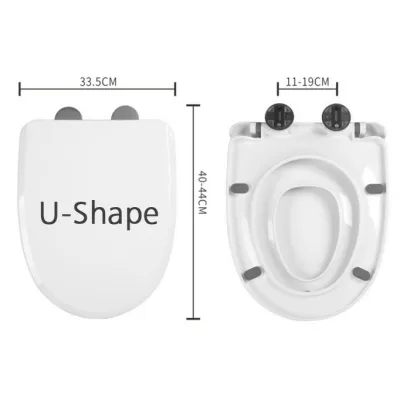
Prices are valid at publication and may change. Please refer to the product page for the latest price.
Another critical physical factor is foot positioning during elimination. For a child to relax their pelvic floor muscles and exert the necessary leverage, their feet must rest flat on a solid surface. If a child’s legs dangle off the edge of a standard toilet, it can cause muscle tension and anxiety, making successful potty training much more difficult. You will need to determine if your chosen seat setup allows their feet to remain firmly planted.
Sensory sensitivities also play a major role in how a child responds to potty training. Many toddlers are highly sensitive to cold, hard plastic surfaces, which can make them resist sitting on the toilet altogether. Additionally, any feeling of instability or wobbling can trigger a fear of falling into the toilet bowl. Identifying these sensory preferences early allows you to select materials and shapes that make your child feel secure and relaxed.
Match the Toilet Seat Type to the Training Stage
Once you understand your child’s physical readiness and sensory preferences, you can match them to a specific children toilet seat design. Different seat styles cater to varying levels of independence, bathroom layouts, and lifestyle needs.

Step Stool Seats for Early Independence and Stability
Step stool seats, which combine an adapter ring with built-in steps, are excellent for toddlers who are eager to use the toilet independently but still lack the height to do so. When evaluating these models, prioritize the stability of the base. Look for wide, non-slip feet that grip your bathroom floor securely, as well as anti-slip textures on the steps themselves to prevent slipping when your child climbs up with wet feet.
The physical footprint of these integrated step seats is an important consideration, especially in compact bathrooms common in Singapore apartments. Because these units can be bulky, verify whether the model folds flat for easy storage beside the toilet when adult family members need to use the space. If the seat cannot be easily moved or folded, ensure your bathroom layout has sufficient clearance to accommodate it permanently.
Safety remains the top priority when using integrated step stools. Always verify the manufacturer’s stated weight and height limits on the product packaging or instruction manual before purchase. As your child grows, their shifting center of gravity can affect the stability of the steps, so regular checks of these limits are essential to prevent tipping hazards.
Foldable and Travel Seats for On-the-Go Consistency
Maintaining a consistent potty training routine is crucial, but traveling or running errands can disrupt this progress. Foldable travel seats offer a familiar, scaled-down seating surface that fits over public toilet seats, helping to ease your child’s anxiety in unfamiliar environments. When choosing a foldable model, carefully inspect the folding hinges to ensure there are no potential pinch points that could injure your child’s thighs or fingers during setup.
Hygiene is another vital factor when managing potty training outside the home. Look for travel seats that come with a dedicated, washable carrying case or wet bag. This allows you to transport the seat hygienically in your diaper bag or stroller basket without cross-contaminating other personal items. Smooth, non-porous plastics are ideal for travel seats as they can be quickly wiped down with sanitizing wipes.
Compatibility is the final check for any portable seat. Public restrooms often feature non-standard, elongated, or square toilet bowls that differ from your home fixtures. Verify the seat’s underside design to ensure it features adjustable brackets or robust silicone grips that prevent the seat from sliding around on various bowl shapes, ensuring your child feels secure wherever you go.
Padded and Contoured Seats for Comfort and Sensory Needs
For children who experience sensory discomfort or anxiety on hard surfaces, padded and contoured seats provide a welcoming alternative. The soft cushioning insulates against the cold temperature of standard plastic or ceramic, making the transition to the toilet much more inviting. When selecting a padded seat, inspect the outer material to ensure it is completely waterproof and seamless, preventing moisture from seeping into the foam core.
Ergonomic contours and physical supports are highly beneficial for younger toddlers or those who need extra help maintaining an upright posture. Look for seats with raised backrests that offer lumbar support, as well as integrated handles that give your child a secure place to grip. For boys and girls alike, a well-designed, integrated splash guard at the front of the seat helps direct urine into the bowl and prevents messy cleanups.
Hygiene maintenance is critical for padded models, as urine can easily find its way into seams and crevices. Check the manufacturer’s care instructions to see if the padded cushion can be detached from the plastic base for deep cleaning. Regular inspection of these joints is necessary to ensure no moisture or bacteria becomes trapped over time.
Key Features to Verify Before You Buy
Before finalizing your purchase of a children toilet seat, you must perform a few practical checks to ensure compatibility with your home environment. First, measure your existing adult toilet bowl dimensions, noting whether it is round or elongated. A poorly fitting children’s seat can slide, wobble, or overhang dangerously, which can frighten your child and compromise their safety.
Next, examine the underside of the children toilet seat. High-quality models should feature robust non-slip rubber bumpers, silicone grips, or adjustable locking keys that clamp securely onto the inner rim of the adult seat. These features prevent lateral movement when your child shifts their weight or climbs onto the toilet. A seat that shifts even slightly can cause a toddler to lose confidence in using the toilet.
Finally, review the cleaning and maintenance requirements of the materials. Bathrooms are high-humidity environments, particularly in tropical climates like Singapore, which can accelerate mold and mildew growth in hidden crevices. Choose designs with minimal seams, smooth surfaces, and easily accessible parts that can be washed with mild soap and water. Avoid seats with complex, non-removable fabric parts that are difficult to sanitize thoroughly.
When to Transition or Upgrade the Seat
Potty training is a dynamic process, and your child’s seating needs will change as they grow in height, weight, and confidence. Regularly monitor your child’s physical growth against the manufacturer’s specified weight and height limits for their current seat. If the seat begins to flex, creak, or feel tight around their thighs, it is time to transition to a larger model or a different style.
You can also look for behavioral and physical signs that your child is ready to step up to a standard toilet. If your child can easily climb onto the adult toilet seat independently and balance themselves without holding onto handles, they may no longer need a specialized adapter ring. At this stage, transitioning to a simple, separate step stool placed in front of the toilet is often sufficient to help them rest their feet comfortably.
Lastly, perform routine safety audits on your training gear. Inspect padded seats for any tears, cracks, or peeling vinyl, as these damaged areas can pinch sensitive skin and harbor bacteria. Check plastic step stools for stress fractures or worn-down anti-slip rubber pads on the feet. If any safety features are compromised, replace the seat immediately to maintain a safe training environment.
Frequently Asked Questions (FAQ)
Can a toddler use a regular toilet without a children toilet seat?
While it is physically possible for some toddlers to balance on an adult toilet, skipping a specialized children toilet seat is generally not recommended during the early stages of training. Without a smaller adapter ring, the large opening of a standard toilet bowl poses a real risk of the child slipping or falling inward, which can cause intense fear and set back training progress. Furthermore, without proper thigh support and a place to rest their feet, children cannot adopt the natural squatting posture required for comfortable and complete bowel movements.
How do I clean and maintain a padded toilet seat?
To clean a padded toilet seat safely, always refer to the manufacturer’s care label for approved cleaning agents, as harsh chemical disinfectants or bleach can degrade the waterproof vinyl coating and cause it to crack. Wipe down the seat daily using a mild soap solution and a soft cloth, paying close attention to the seams and the underside where moisture tends to collect. After cleaning, ensure the seat is completely air-dried before placing it back on the toilet, as trapped moisture in a humid bathroom can quickly lead to mold and mildew growth inside the seams.

Community discussion
Share your experience or ask a question. Comments are reviewed before publication.