
Choosing the right bumper protector for your home depends on matching the material’s physical properties to your specific furniture surfaces and your child’s developmental stage. While soft foam offers excellent impact cushioning for active toddlers, clear silicone preserves the look of delicate glass tables, and dense rubber provides durable protection on heavy metal frames. There is no single universal option that works perfectly on every surface, so evaluating your furniture’s finish and your daily maintenance routine is essential for a safe, long-lasting installation.
Baby proofing is a dynamic process that changes as your child grows from a crawling infant to an active toddler. Bumper protectors serve as a helpful physical barrier to minimize injuries from sharp edges, but they are secondary safety measures that do not replace active caregiver supervision. Understanding the strengths and limitations of each material allows you to create a safer environment without causing permanent damage to your household furniture.
Material Profiles: Silicone, Foam, and Rubber Bumpers
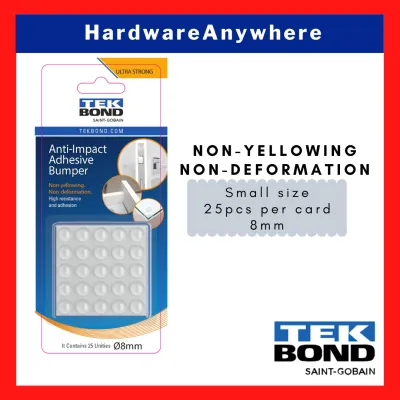
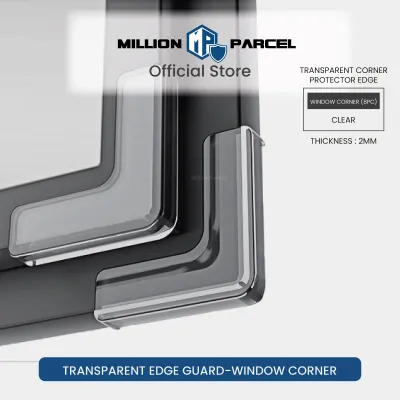
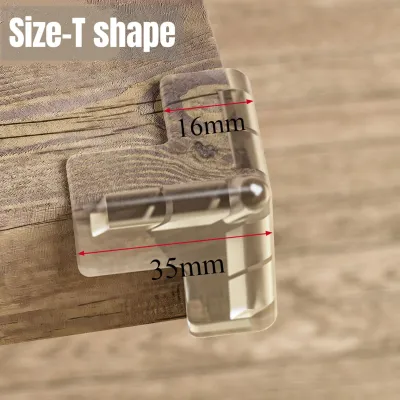
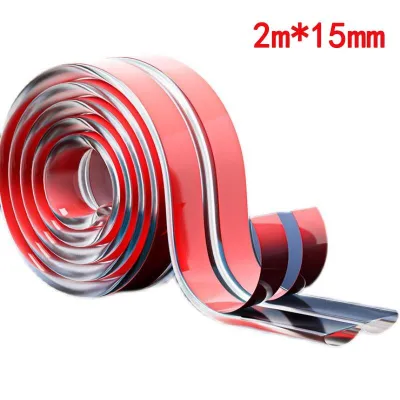
Silicone bumper protectors are highly valued for their flexibility, durability, and semi-translucent or completely clear appearance. Because they are transparent, they allow the natural color and grain of your furniture to remain visible, making them a popular choice for common living areas. Silicone is naturally firm to the touch, meaning it does not compress deeply under pressure but instead deflects and distributes the force of an impact. It typically utilizes clear acrylic adhesive backings, which form a strong, clean bond on smooth, non-porous surfaces.
Products mentioned in this guide
![[SG SELLER] [FREE SHIP] Bumper Anti Collision Sticker Reduce Noise Prevent Contact Clear Buttons](https://img.lazcdn.com/g/ff/kf/Saa19a2572ae84f0c9229591b6c8b48441.jpg_400x400q80.jpg_.webp)
Prices are valid at publication and may change. Please refer to the product page for the latest price.
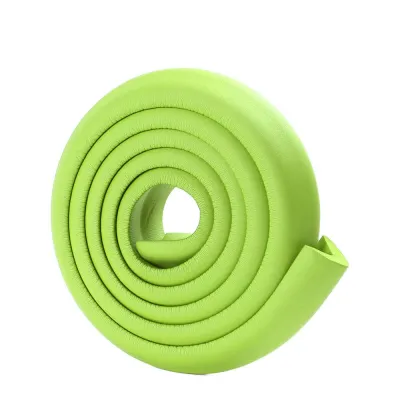
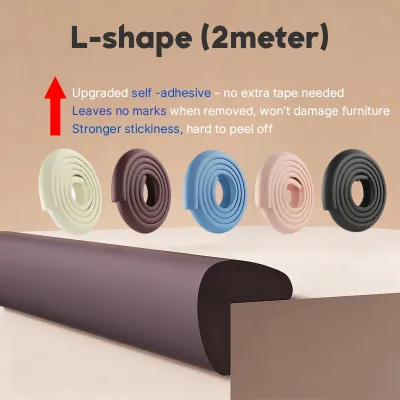
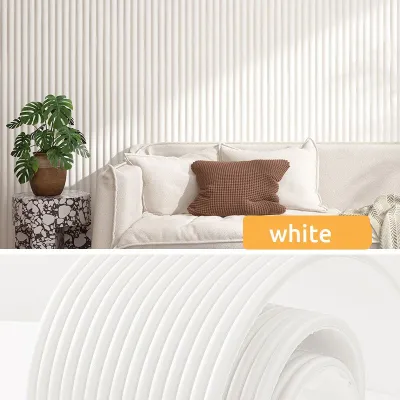
Foam edge guards, usually made from Ethylene-Vinyl Acetate (EVA) or Nitrile Butadiene Rubber (NBR), are lightweight, highly compressible, and completely opaque. These bumpers are characterized by their thick, pillowy profile, which provides maximum impact absorption when a child bumps against a sharp corner. Because foam is soft and easily customized, caregivers can easily cut it to specific lengths using standard household scissors. However, because foam is porous and opaque, it is highly visible and can easily attract the attention of curious children who may try to peel or bite it.
Rubber bumpers are dense, heavy-duty protectors designed for high-traffic areas and heavy furniture. Unlike soft foam, industrial-grade rubber does not compress easily, offering a rigid yet resilient barrier that can withstand significant wear and tear. Rubber naturally provides excellent grip and slip resistance, making it ideal for backing furniture that rests against walls or other hard surfaces. The primary trade-off with rubber is its aesthetic limitation, as it is almost always opaque, comes in limited dark colors, and may carry a distinct natural scent when first unpacked.
| Material | Transparency | Relative Density | Primary Aesthetic Profile | Common Adhesive Type |
|---|---|---|---|---|
| Silicone | High (Clear) | Medium-High | Discreet, low-profile | Clear acrylic tape |
| Foam (EVA/NBR) | Opaque | Low-Medium | Bulky, highly visible | Double-sided pressure-sensitive tape |
| Rubber | Opaque | High | Utilitarian, industrial | Heavy-duty acrylic or rubber-based tape |
Matching Materials to Wood, Glass, and Metal Surfaces
Wooden tables, desks, and shelving units require careful consideration because wood finishes are highly susceptible to chemical damage. Varnishes, lacquers, veneers, and solid timber can react negatively to strong adhesives, especially in warm, humid climates where high ambient moisture can soften wood finishes and cause adhesives to bond too deeply. When applying a bumper to wood, the goal is to secure the protector without stripping the finish upon eventual removal.

- Choose Foam if… you are proofing budget-friendly laminate or engineered wood furniture where maximum impact protection is the priority, and potential minor finish damage upon removal is an acceptable trade-off.
- Choose Silicone if… you want to protect a high-end solid wood dining table while keeping the wood grain visible, provided you verify that the adhesive is rated for finished wood and perform a spot test first.
Glass cabinets, coffee tables, and TV consoles present a different challenge because glass is completely smooth, non-porous, and highly reflective. Opaque bumpers applied to glass can look incredibly jarring, disrupting the clean lines of the room and blocking light. Furthermore, because glass is transparent, any dark or uneven adhesive backing will be clearly visible from the underside, resulting in an untidy appearance.
- Choose Silicone if… you are proofing any glass surface. Clear silicone blends seamlessly with the glass, and the clear acrylic adhesive forms an incredibly strong, bubble-free bond on smooth, non-porous surfaces without leaving unsightly dark patches.
Metal bed frames, crib rails, and table legs are exceptionally hard and unyielding, presenting a high risk of painful bumps and bruises. Metal surfaces are often powder-coated or painted, meaning they require a bumper material that can absorb heavy impacts without slipping off the smooth, cold metal tubes.
- Choose Rubber or Dense Foam if… you are covering sharp metal edges. The high density of these materials absorbs the force of impacts against unyielding metal, and their natural flexibility allows them to wrap tightly around rounded metal frames and stay securely in place.
Balancing Baby Safety, Aesthetics, and Maintenance
While thick foam bumpers provide the highest level of impact absorption for a baby who is learning to stand or cruise, their bulky profile can significantly alter the look of your living space. Caregivers must weigh this visual impact against the actual physical risks in their home. For high-traffic areas with sharp, low corners, the safety benefits of thick foam outweigh the aesthetic drawbacks. For higher surfaces or rounded edges, a low-profile silicone protector offers a practical compromise by providing basic deflection without cluttering the room.
As babies grow, they naturally explore their environment by touching and mouthing objects. Soft foam bumpers can pose a serious choking hazard if a teething child manages to bite off small pieces of the material. Caregivers must perform daily checks on all foam installations to inspect for bite marks, tears, or peeling edges. If you observe any signs of material degradation or if your child shows a persistent interest in biting the foam, you must remove the protector immediately and transition to a firmer material like silicone.
Daily maintenance and cleaning routines also vary significantly by material. Textured NBR foam easily traps dust, pet hair, and spilled liquids, and standard household cleaning wipes can sometimes snag on its porous surface. Silicone, by contrast, is completely non-porous and can be wiped clean easily with a damp cloth and mild soap. However, clear silicone is susceptible to yellowing over time when exposed to direct sunlight near windows, which may require periodic replacement to maintain its discreet appearance.
Safe Installation and Furniture Surface Protection
Proper surface preparation is the most critical step to ensure a secure bond and prevent damage to your furniture. Before applying any adhesive backing, clean the furniture surface thoroughly to remove dust, oils, wax, and polish residue. A mild soap and water solution is generally safest for most finishes, though some non-porous surfaces can tolerate a quick wipe with rubbing alcohol. Ensure the surface is completely dry before application, as trapped moisture can weaken the adhesive bond and encourage mold growth underneath the bumper.
Always read and follow the manufacturer instructions for both the bumper protector and your specific furniture. Some furniture manufacturers explicitly warn against using pressure-sensitive adhesives on delicate veneers or antique finishes. If you are unsure about compatibility, contact the furniture manufacturer directly before proceeding with the installation.
When it is time to remove the bumper protector, taking a slow, methodical approach will help prevent stripping the underlying finish. Use a hair dryer on a low, warm setting to gently heat the adhesive backing, which softens the glue and makes it easier to peel away. Slowly pull the bumper back at a shallow angle, applying a dedicated adhesive remover or mineral oil to any stubborn spots. If you observe the wood finish lifting or feel extreme resistance, stop immediately and consult a professional furniture restorer to avoid further damage.
Frequently Asked Questions (FAQ)
Can I use thick foam bumpers on glass surfaces?
While thick foam bumpers will adhere well to smooth glass surfaces, they are generally not recommended due to aesthetic and practical trade-offs. The opaque, bulky profile of foam blocks light and disrupts the clean look of glass furniture. Additionally, the double-sided tape used for foam bumpers is highly visible through the glass from the opposite side, which can look untidy and attract a child’s attention, encouraging them to pull at the protector.
How do I test if a bumper protector will damage my wood finish?
To test adhesive compatibility, select an inconspicuous area of the furniture, such as the underside of a table leg, the back of a drawer front, or an inner cabinet frame. Apply a small piece of the bumper’s adhesive tape to this hidden spot and leave it in place for 48 to 72 hours. Carefully remove the tape using the recommended warm-air method, then inspect the wood for any signs of discoloration, sticky residue, or lifting varnish.
Are transparent silicone bumpers completely invisible once applied?
Transparent silicone bumpers are highly discreet but are not completely invisible. Light refraction through the clear silicone and the adhesive layer will still create a visible outline on your furniture. Over time, fine dust particles can accumulate along the sticky edges of the adhesive tape, making the borders more noticeable, and prolonged exposure to direct sunlight can cause the clear silicone to develop a slight yellow tint.

Community discussion
Share your experience or ask a question. Comments are reviewed before publication.