
Silicone and foam corner guards offer distinct protective benefits, meaning the ideal choice depends on your specific furniture types, your child’s developmental stage, and your aesthetic preferences. Foam provides excellent initial shock absorption for blunt impacts due to its thick, compressible structure, while silicone offers superior durability, a lower profile, and resistance to biting or tearing.
No single material guarantees absolute injury prevention. Active caregiver supervision remains the primary line of defense in baby-proofing, while corner guards serve as a secondary measure to minimize the severity of accidental bumps.
Quick Answer: Which Material Offers Better Protection?
When baby-proofing your home, choosing between silicone and foam corner guards comes down to balancing immediate impact cushioning with long-term durability. Foam corner guards excel at absorbing the initial force of a collision because their thick, airy structure compresses easily under pressure. This makes them highly suitable for low-lying coffee tables and sharp, heavy edges where a toddler might experience a direct fall.
Products mentioned in this guide
![[SG] Transparent Corner Protector | Corner Guard Baby Safety Corner Protector for Table & Furniture Corner Edge Bumper](https://img.lazcdn.com/g/p/2c50bffc2ff9a577f539ca8b522b78f3.jpg_400x400q80.jpg_.webp)
Prices are valid at publication and may change. Please refer to the product page for the latest price.
Silicone corner guards, on the other hand, rely on a denser, firmer material profile. While they do not compress as deeply as foam, they offer robust protection by dispersing energy across a solid or hollow-core structure. They are highly resilient against wear and tear, making them ideal for high-traffic areas where a child might pull, chew, or pick at the protective barrier.
Ultimately, the right choice depends on your specific household setup, the age and mobility of your child, and your aesthetic preferences. Because no safety accessory can completely eliminate the risk of injury, these physical barriers must always be paired with active supervision and a thorough assessment of your home’s layout.
Impact Protection and Shock Absorption Compared
To understand how each material protects your child, it helps to look at how they behave during a sudden impact. Foam corner guards are typically made from expanded rubber or polyurethane, which contains millions of tiny air bubbles. When a child bumps into a foam guard, these air pockets compress rapidly, absorbing and dissipating the kinetic energy of the impact before it reaches the hard furniture edge underneath.

This high compressibility makes foam particularly forgiving for blunt force impacts. If your child is just learning to stand or walk, they are prone to sudden, uncoordinated falls where their full body weight might drop onto a sharp 90-degree corner. The generous thickness of foam provides a soft, forgiving landing zone that significantly reduces the immediate force of such collisions.
Silicone corner guards function differently due to the inherent density of the polymer. Instead of compressing like a sponge, silicone resists deformation and disperses the force of an impact across its surface area. To compensate for this firmness, many high-quality silicone guards feature internal structural designs, such as hollow air pockets or honeycomb chambers, which collapse slightly under pressure to mimic the cushioning effect of foam.
When evaluating impact protection, you should look closely at the physical dimensions and structural design of the product rather than relying solely on the material name. Check the manufacturer’s specifications for the overall thickness of the guard and look for structural reinforcement features. A very thin, solid silicone strip will offer less impact cushioning than a thicker, hollow-core silicone guard or a dense foam bumper.
Durability, Adhesion, and Long-Term Wear
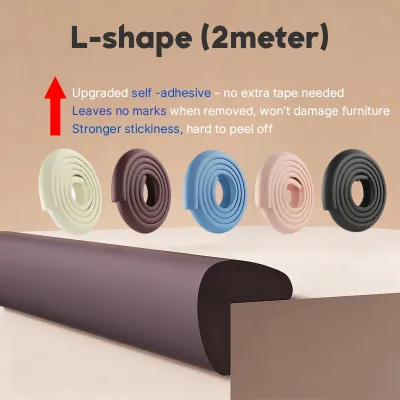
A corner guard can only protect your child if it remains securely attached to the furniture. Foam guards, while highly cushioned, are inherently vulnerable to physical damage over time. Toddlers are naturally curious and often attempt to pick, peel, or even bite the soft, textured surface of foam, which can lead to tearing and degradation.
Frequent cleaning can also accelerate the wear of foam materials. Because foam is porous, it can absorb moisture, spills, and cleaning agents, which may weaken the material structure or cause it to crumble over time. If you install foam guards in high-moisture areas or on furniture where food is regularly consumed, you may find yourself replacing them more frequently to maintain hygiene and safety.
Silicone corner guards offer exceptional resilience against daily wear and tear. The smooth, non-porous surface of silicone is highly resistant to biting, scratching, and pulling, making it virtually impossible for a toddler to tear off small pieces. Additionally, silicone is waterproof and easy to wipe clean with mild soap and water, allowing it to maintain its structural integrity and appearance over months or years of use.
Regardless of the material you choose, the effectiveness of the corner guard depends heavily on the quality of the adhesive tape used to secure it. Before purchasing, verify the adhesive type specified by the manufacturer and check its compatibility with your furniture surfaces, whether they are wood, glass, metal, or laminate. Proper surface preparation—such as cleaning the area thoroughly to remove dust and oils before application—is essential to ensure a strong, lasting bond that resists curious fingers.
Aesthetics, Furniture Compatibility, and Residue
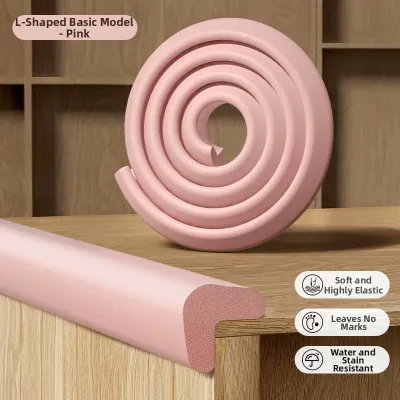
Preserving the visual appeal of your living space is a common consideration when baby-proofing. Foam corner guards are typically bulky, opaque, and available in a limited range of solid colors. While they are highly visible, which can sometimes help children identify and avoid sharp edges, they often stand out dramatically against modern home decor and can alter the look of your furniture.
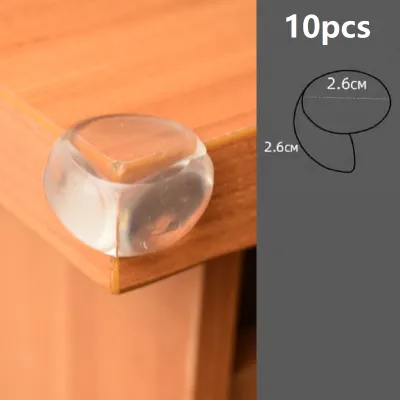
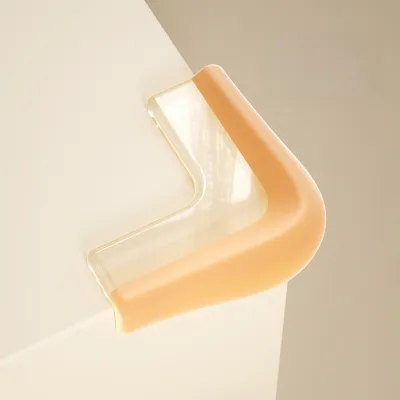
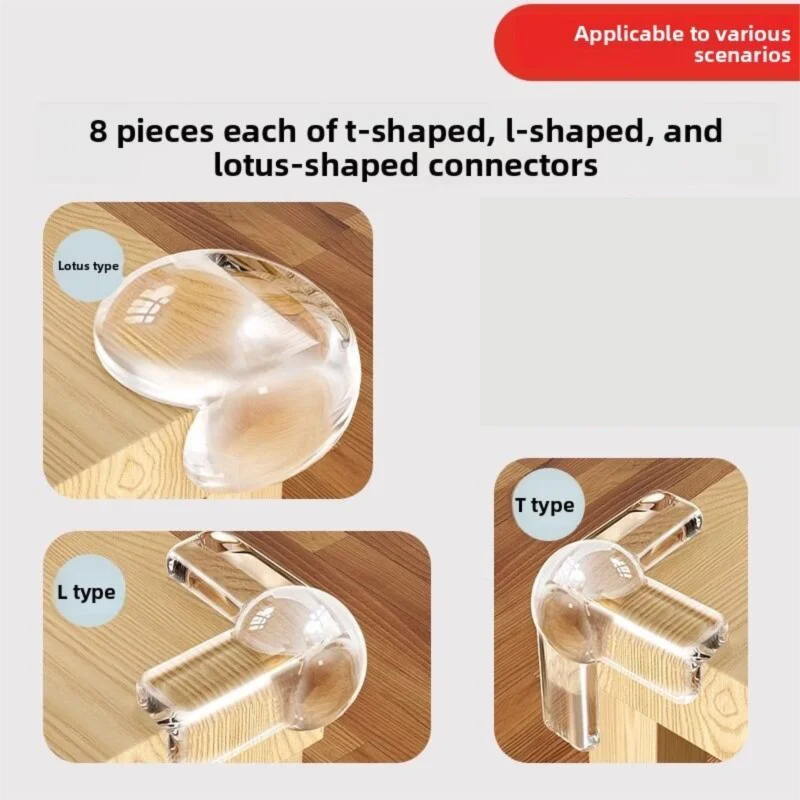
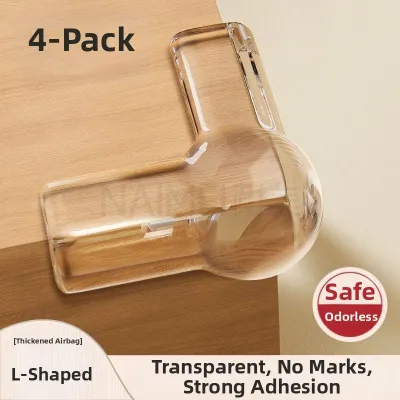
Silicone corner guards offer a much lower visual profile, with many designs featuring clear, translucent materials that allow the natural color and grain of your furniture to show through. This transparency makes them an excellent choice for glass dining tables, minimalist wood furniture, and modern interiors where you want the safety measures to blend seamlessly into the background.
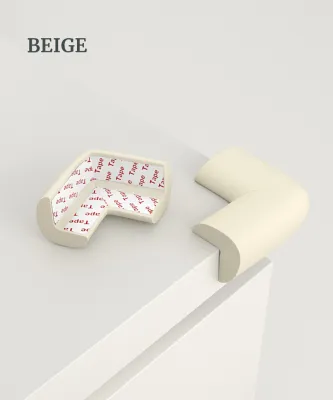
Furniture compatibility also varies based on the flexibility of the material. Foam is highly flexible and can be easily cut, bent, or wrapped around curved, uneven, or non-standard edges without buckling. Silicone is firmer and may require pre-molded shapes—such as L-shaped or spherical corner guards—to fit properly on sharp 90-degree corners without lifting or peeling at the edges.
Adhesive residue and potential damage to furniture finishes are important trade-offs to consider. Strong adhesives can sometimes strip paint, varnish, or delicate wood veneers when the corner guards are eventually removed. To protect your furniture, always test the adhesive on a small, hidden area before full installation, and follow proper removal techniques to minimize the risk of surface damage.
Safety Standards and Choking Hazard Checks
While corner guards are designed to prevent injuries, they can introduce new safety risks if they are not monitored closely. The primary hazard associated with worn or damaged corner guards is choking. If a toddler manages to bite or tear off a piece of a soft foam guard, or if a small silicone guard detaches completely due to weakened adhesive, these fragments can quickly become ingestion or choking hazards.
To mitigate these risks, caregivers must perform regular visual and tactile inspections of all installed corner guards. Check for any signs of peeling edges, loose adhesive, or physical damage such as cracks, tears, or bite marks. If you notice any compromise in the material integrity or the adhesive bond, remove the guard immediately and replace it to prevent accidental ingestion.
Chemical safety is another critical factor to verify when selecting baby-proofing products. Because infants and toddlers often explore their environment with their mouths, you should look for manufacturer declarations regarding the chemical composition of the materials. Verify that the products are labeled as non-toxic, BPA-free, phthalate-free, and lead-free directly on the packaging or official product documentation.
Always follow the manufacturer’s age recommendations and installation instructions precisely. Ensure that the corner guards are placed well out of reach of children who might use them as leverage to climb, and stop using specific guards if your child develops the strength to pull them off consistently, consulting a childproofing professional for alternative solutions if necessary.
How to Decide: A Conditional Selection Framework
To help you choose the most suitable material for your home, consider the specific needs of each room and piece of furniture. A single household may benefit from using a combination of both foam and silicone guards depending on the location and usage patterns of the furniture.
Choose Foam if:
- You are baby-proofing low-lying, heavy furniture such as coffee tables, TV consoles, or low shelves where blunt, high-impact falls are a primary concern.
- The furniture is located in a low-traffic area where the guard is less likely to be subjected to constant pulling, biting, or moisture.
- Aesthetic integration is secondary to maximizing the thickness and softness of the physical barrier.
Choose Silicone if:
- You want a discreet, low-profile safety solution that blends with modern decor, glass surfaces, or high-end wood finishes.
- The corner guards will be installed on high-traffic furniture, dining tables, or kitchen counters where frequent cleaning and moisture resistance are required.
- Your child is in a developmental stage characterized by intense curiosity, biting, or pulling, requiring a highly durable material that resists tearing.
Verify First if:
- Your furniture has delicate finishes, antique varnishes, or thin veneers that may be damaged by strong adhesives, requiring a pre-test on an inconspicuous area.
- The edges are curved, irregular, or have non-standard angles, which may require highly flexible foam or specialized, pre-molded silicone shapes to ensure a secure fit.
Frequently Asked Questions (FAQ)
Can I use the same corner guards on glass tables and wooden furniture?
Yes, many corner guards can be used on both glass and wood, but the adhesive performance and visual results will differ significantly. Glass is a non-porous, smooth surface that typically provides an exceptionally strong bond with double-sided acrylic adhesives, but any air bubbles or adhesive residue will be highly visible through the glass. Wood is often more porous and may have textured grain, varnishes, or oils that can reduce adhesive contact, requiring thorough cleaning and sometimes a stronger adhesive tape to secure the guard. Additionally, removing adhesives from delicate wood veneers carries a higher risk of peeling the finish compared to removing them from tempered glass.
How do I safely remove old corner guards without damaging the furniture?
To remove corner guards safely, start by applying gentle heat to the adhesive using a hairdryer on a low or medium setting. Move the hairdryer back and forth along the guard for a few minutes to soften the adhesive bond without overheating the furniture surface. Once the adhesive is warm and pliable, slowly and gently peel the corner guard away from one edge, pulling parallel to the surface rather than straight up to minimize stress on the wood veneer or paint. Any remaining sticky residue can be treated with a mild, furniture-safe solvent, commercial adhesive remover, or a small amount of vegetable oil, which should always be spot-tested on a hidden area first to ensure it does not discolor or damage the finish.
Community discussion
Share your experience or ask a question. Comments are reviewed before publication.