
Choosing the right breast pump depends on how often you plan to express milk, your daily schedule, and your budget. There is no single option that suits every parent, as the most suitable choice balances convenience, efficiency, and comfort. By evaluating your personal routine—whether you are returning to an office in Singapore, pumping exclusively, or simply needing occasional relief—you can select a pump that integrates smoothly into your lifestyle.
Assess Your Pumping Frequency and Lifestyle
To find the right fit, start by defining your primary reason for pumping. Parents who pump exclusively require a highly durable and efficient system that can withstand multiple sessions every day. If you are preparing to return to work, your needs will center on portability, speed, and how easily the equipment fits into a commuter bag or an office locker. For those who plan to breastfeed directly most of the time, a pump is primarily a tool for occasional relief, managing engorgement, or building a small emergency supply.
Mobility is another critical factor to consider. If you spend most of your day at home, a plug-in electric model that sits on a table might work well. However, if you commute regularly, travel, or need to multi-task while expressing milk, a lightweight, battery-operated, or wearable pump becomes highly practical. Consider where you will physically sit during your sessions and whether you will have reliable access to electrical outlets throughout the day.
Products mentioned in this guide
![[SG Stock]Electric Breast Pump - Pain-Free & Portable with 3 Modes 9 Levels](https://img.lazcdn.com/g/p/b688415f6604410420cf04730c3ddf1c.jpg_400x400q80.jpg_.webp)
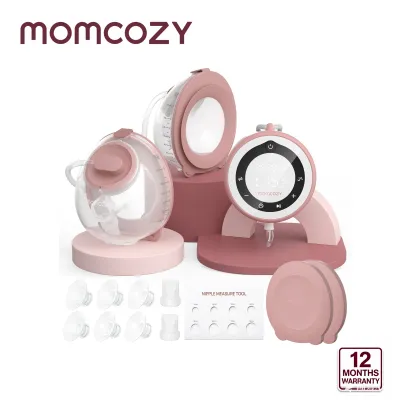
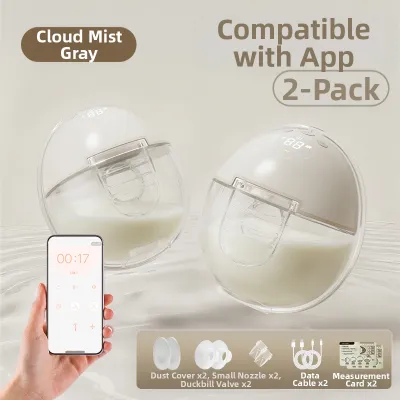
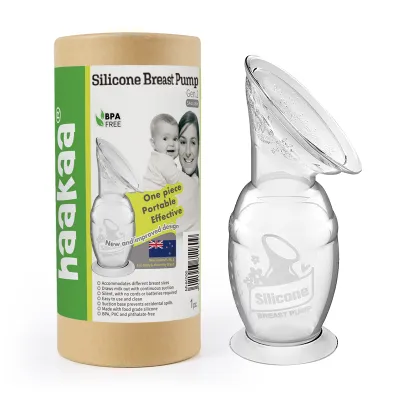
Prices are valid at publication and may change. Please refer to the product page for the latest price.
Finally, evaluate your daily schedule and the time you can realistically allocate to pumping and maintenance. Some pumps require more assembly and have more intricate parts to clean than others. If your time is highly constrained, look closely at the number of components that require washing and sterilizing after each use. A pump that saves ten minutes during expression but requires twenty minutes of meticulous cleaning may not align with a busy routine.
Compare Breast Pump Types by Use Case
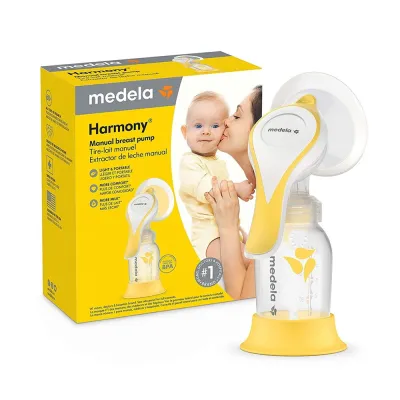
Manual breast pumps operate entirely on hand power, using a manual lever or trigger to create suction. Because they do not require electricity, batteries, or motors, they are completely silent, highly portable, and lightweight. They are an option for occasional use, such as relieving fullness while away from your baby for a few hours, or for packing in a travel bag as a backup. However, because they require continuous manual pumping action, they can be tiring to use for full expression sessions and are generally not practical for exclusive pumping.

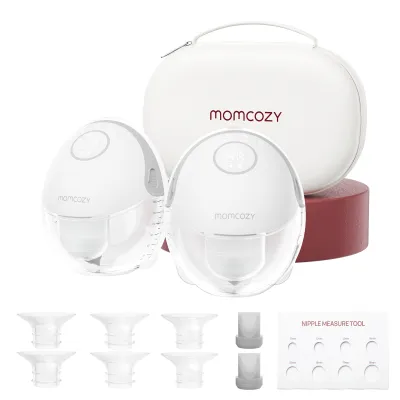
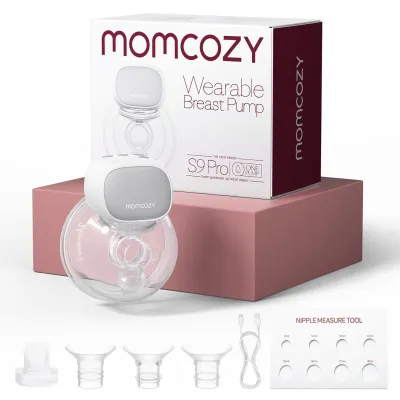
Electric and portable breast pumps utilize a motorized unit to automate the suction cycle, mimicking a baby’s natural nursing rhythm. These are divided into standard plug-in models, portable rechargeable units, and wearable hands-free pumps that fit directly inside a nursing bra. Standard and portable electric models are highly suitable for daily routines, offering adjustable suction levels and expression modes to maximize milk removal. Wearable electric pumps offer a high level of mobility, allowing you to move around the house or work at a desk while pumping, though they may sometimes have smaller milk collection capacities or slightly different suction profiles compared to traditional electric models.
Hospital-grade breast pumps are heavy-duty, multi-user electric pumps designed for durability. They feature powerful, highly adjustable motors and are built with closed systems that prevent milk from entering the motor, making them safe for multiple parents to share when using their own personal collection kits. These pumps are typically recommended for medical needs, such as when a baby is in the neonatal intensive care unit, or when a parent needs to establish a milk supply from scratch or increase a low supply. While highly effective, they are bulky, require a constant power source, and are generally rented rather than purchased outright due to their high cost.
Factor in Budget and Ongoing Maintenance Costs
The initial purchase price of a breast pump is only one part of the financial equation. Manual pumps are the most budget-friendly option upfront, typically costing a fraction of the price of electric models. Electric pumps vary widely in price, with basic single-electric models being more affordable, while double-electric, smart-connected, or wearable hands-free models represent a larger upfront investment. For hospital-grade pumps, purchasing is rarely practical for individual families; instead, renting on a monthly basis from a hospital, medical supply store, or local distributor is the standard approach.
Ongoing maintenance costs must also be factored into your budget. Over time, the silicone parts of any breast pump—such as valves, membranes, and diaphragms—will stretch, wear down, and lose elasticity, which directly reduces suction efficiency. These parts are consumables and must be replaced regularly, often every one to three months depending on how frequently you pump. Additionally, you may need to purchase multiple breast shield sizes, storage bags, collection bottles, and replacement tubing, which can add up over several months of use.
In Singapore, it is worth checking with your employer’s human resources department to see if they offer wellness benefits, flexible spending accounts, or insurance subsidies that cover lactation equipment. Many workplaces also provide dedicated lactation rooms equipped with power outlets and refrigeration, which can influence whether you need to purchase a highly portable battery-powered model or if a standard plug-in model will suffice.
Ensure Safe Usage and Know When to Seek Help
Using a breast pump safely requires careful attention to manufacturer guidelines and your own physical comfort. Always read the user manual for your specific model to understand the correct assembly, sterilization procedures, and operating instructions. It is a common misconception that higher suction settings yield more milk; in reality, excessive suction can damage breast tissue, cause pain, and actually inhibit the let-down reflex. Start at the lowest suction setting and gradually increase it only to the point of comfortable, pain-free expression.
Pay close attention to physical signs during and after your pumping sessions. If you experience persistent pain, bruising, chafing, or cracked skin on your nipples or breasts, stop using the pump immediately and inspect your setup. These symptoms are often caused by an incorrectly sized breast shield (flange) or suction settings that are too high. Additionally, if you notice a sudden, unexplained drop in milk output or if your breasts do not feel soft and empty after a session, the pump may not be functioning correctly or may require replacement parts.
While breast pumps are valuable tools, they cannot replace professional medical advice. If you experience signs of a breast infection, such as localized warmth, redness, swelling, fever, or flu-like symptoms, contact a healthcare provider immediately. For ongoing challenges with milk supply, persistent pain while pumping, or difficulty finding the correct flange fit, consulting a certified lactation consultant can provide personalized guidance tailored to your body and feeding goals.
Frequently Asked Questions (FAQ)
Can I use a hospital-grade breast pump at home?
Yes, you can use a hospital-grade breast pump at home, and many parents choose to do so by renting one. Because these pumps are designed for multiple users, they utilize a closed-system design that keeps milk completely separate from the motor. To use one safely at home, you must purchase or rent your own personal collection kit, which includes the flanges, tubing, valves, and bottles. Rental programs are often available through local hospitals, medical supply companies, or specialized parenting services in Singapore, sometimes requiring a doctor’s recommendation or a lactation consultant’s referral.
Do I need a portable electric pump if I already have a manual one?
Whether you need to add a portable electric pump depends on how your daily routine and pumping frequency change. If you only pump occasionally to relieve fullness or prepare a bottle for a rare outing, your manual pump is likely sufficient. However, if you are returning to work, traveling frequently, or need to express milk multiple times a day, upgrading to a portable electric pump can save significant time and physical effort. Electric pumps automate the suction process, allowing you to express milk from both breasts simultaneously and hands-free, which is highly beneficial for busy schedules.
How do I know if my breast pump flange fits correctly?
A correctly fitting breast pump flange should allow your nipple to move freely in and out of the tunnel during pumping without rubbing against the sides. Only a tiny amount of the surrounding dark area (areola) should be drawn into the tunnel. If your nipple rubs against the tunnel walls, or if a large portion of your areola is pulled inside, the flange is likely too small or too large, which can cause pain and reduce milk flow. You can check the manufacturer’s sizing guide, which typically involves measuring the diameter of your nipple base, or consult a lactation specialist for an accurate measurement.

Community discussion
Share your experience or ask a question. Comments are reviewed before publication.