
Finding the perfect balance between your baby’s preferred bottle brand and the appliances you use to heat and clean them can be surprisingly challenging. While many baby bottle warmers and sterilizers are marketed as universal, true cross-brand compatibility is rarely guaranteed. In practice, matching your bottles to the right equipment depends on three critical physical constraints: the bottle’s neck width, its overall height, and the heat tolerance of its specific material.
Proprietary bottle shapes—such as the exceptionally tall, vented designs of Dr. Brown’s, the wide silicone contours of Comotomo, or the square-to-round profile of Hegen—often require specific internal chamber dimensions to function safely and efficiently. Standard wide-neck bottles may fit comfortably in large steam sterilizers but can fail to sit properly in compact travel warmers. To avoid the frustration of purchasing incompatible gear, the most reliable approach is to measure your bottle’s outer millimeter dimensions and height, then cross-reference these measurements with the appliance’s internal chamber specifications before making a purchase.
Key Compatibility Factors for Warmers and Sterilizers
To understand why certain bottles fit perfectly while others fail to heat or sterilize correctly, you must examine the physical and material limits of your feeding equipment. Appliances and bottles are designed with specific dimensions and thermal tolerances that dictate how they interact under high heat and moisture.
Products mentioned in this guide
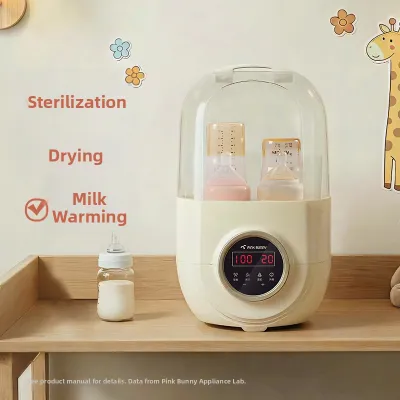
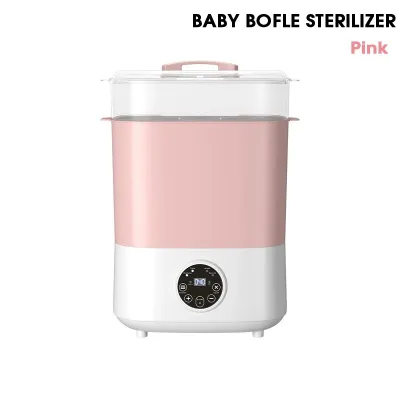
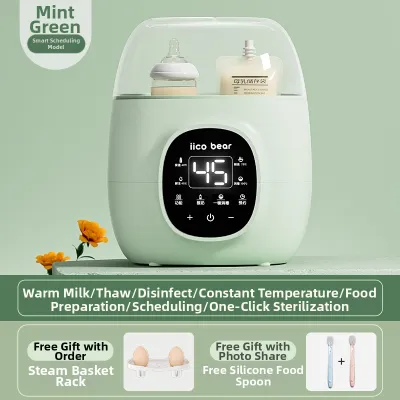
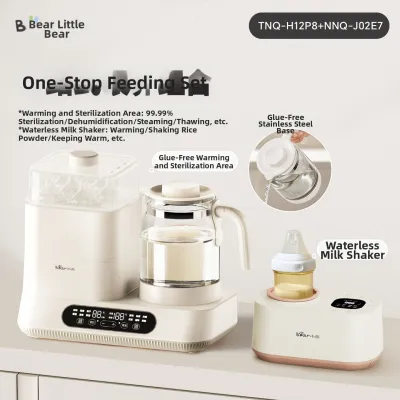
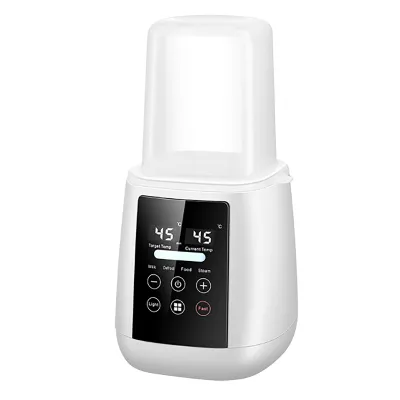
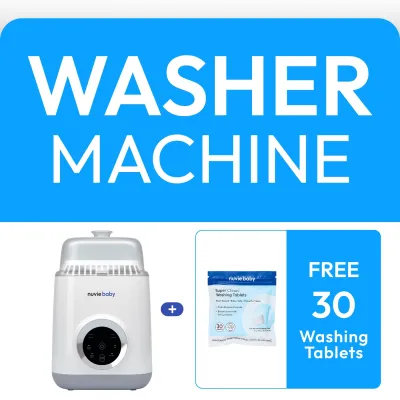
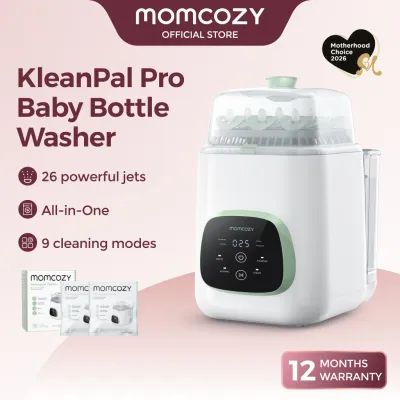
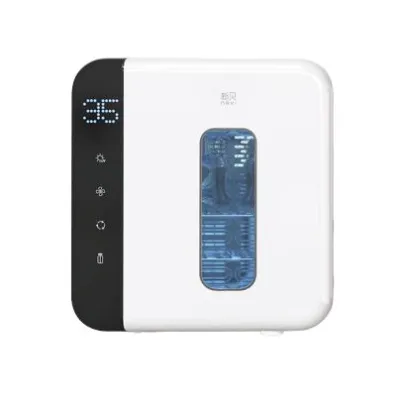
Prices are valid at publication and may change. Please refer to the product page for the latest price.
Bottle Neck Width and Base Shape
Baby bottles generally fall into two primary categories based on their opening size: standard or narrow neck (typically measuring 35mm to 40mm in diameter) and wide neck (measuring 50mm to 70mm). Standard neck bottles are slender and easy for small hands to grasp, but their narrow bases make them prone to tipping over inside wide-mouthed warming chambers. If a narrow bottle wobbles or tips inside a water-bath warmer, the milk can heat unevenly, or water can seep under the collar and contaminate the teat.
Conversely, wide-neck bottles feature broad bases that provide excellent stability but require much larger warming chambers. Many compact or travel-oriented warmers are physically too narrow to accommodate wide-neck designs, rendering them useless for brands with flared bases. Some universal warmers address this by including adjustable plastic baskets or removable ring inserts that center narrow bottles while allowing wide bottles to sit flat on the heating element. If you are considering a direct-heating travel warmer that screws directly onto the bottle, you must verify if the appliance requires a specific adapter ring to match your bottle’s unique thread pattern.
Material Heat Tolerance and Sterilization Methods
The material composition of your baby bottles dictates which heating and sterilization methods are safe to use. The most common materials on the market include borosilicate glass, polypropylene (PP), polyphenylsulfone (PPSU), and silicone. Glass and PPSU are highly durable materials with exceptional thermal resistance, often tolerating temperatures well above 180 degrees Celsius. These materials can withstand repeated exposure to steam sterilization, UV-C light, and rapid temperature changes without degrading, warping, or releasing microplastics.
Polypropylene (PP) is a lightweight, budget-friendly plastic, but it has a lower heat tolerance, typically maxing out around 110 degrees Celsius. Over time, repeated exposure to high-heat steam sterilization can cause PP bottles to warp, become cloudy, or develop micro-fractures. Silicone is highly flexible and heat-resistant, but it is a poor thermal conductor, meaning it takes longer to heat in water-bath warmers. Furthermore, silicone can degrade or become sticky if exposed to prolonged UV-C sterilization cycles. In Singapore’s humid climate, ensuring bottles are completely dry after sterilization is crucial to prevent the growth of mold and bacteria, making sterilizer-dryer combinations highly popular, though you must ensure your bottle material is rated for the appliance’s drying temperature.
Bottle Height and Appliance Chamber Depth
The overall height of a baby bottle is a frequently overlooked factor that can disrupt both warming and sterilizing cycles. Bottles with large capacities, such as 240ml (8oz) or 330ml (11oz) models, are naturally taller than their smaller counterparts. This height is often increased further by internal venting systems designed to reduce colic, which require longer bottle bodies to house the vent tube.
If a bottle is too tall for a steam sterilizer, the appliance lid may not close completely, allowing steam to escape and preventing the chamber from reaching the high temperatures required to eliminate pathogens. In steam warmers, an unsealed lid causes steam to escape prematurely, leading to significantly longer warming times and unevenly heated milk. For water-bath warmers, a tall bottle may sit too high above the water line, leaving the top portion of the milk cold while the bottom overheats. Always check the maximum internal height clearance of an appliance before buying, especially if you plan to use larger capacity bottles as your baby grows.
Brand-Specific Compatibility Breakdown
Different bottle brands feature highly distinct physical characteristics that influence how they fit into universal warmers and sterilizers. Understanding these brand-specific nuances will help you identify potential compatibility issues before you invest in new equipment.

Pigeon Bottles (Slim Neck vs. Wide Neck)
Pigeon is one of the most widely used baby bottle brands in Singapore, offering both Slim Neck and Wide Neck options in glass, PP, and PPSU. Pigeon Slim Neck bottles are exceptionally narrow and lightweight. Because of their slender profile, they will easily fit into almost any standard steam sterilizer, but they can be unstable in universal warmers with wide heating wells. To use them safely, you must utilize the warmer’s basket insert to keep the bottle upright and prevent it from contacting the heating element directly.
Pigeon Wide Neck (SofTouch) bottles feature a moderately wide, gently sloped shoulder that fits comfortably in the vast majority of universal steam and UV sterilizers. Their base diameter is standard for wide-neck bottles, meaning they sit securely in most water-bath warmers. However, if you plan to use a portable, screw-on travel warmer, you will need a specific thread adapter designed for Pigeon wide-neck bottles to ensure a watertight seal. Always verify whether the travel warmer manufacturer includes this specific adapter in the box or if you must purchase it as an optional accessory.
Philips Avent Bottles (Natural vs. Anti-Colic)
Philips Avent offers two primary bottle lines: the Natural range and the Anti-Colic range. Avent Natural bottles are characterized by their very wide, flared neck and dome-like shape, which mimics the breast. This wide footprint means they fit effortlessly into large-capacity, wide-chamber sterilizers. However, their broad base can make them a tight fit in compact warmers. You may need to remove the warmer’s basket insert entirely to allow the bottle to sit flat, which requires extra care when removing the hot bottle after warming.
Avent Anti-Colic bottles have a more traditional, cylindrical shape that is narrower than the Natural line. These bottles fit easily into standard warmers without any adjustment. However, the Anti-Colic line features an internal AirFree vent insert designed to keep the teat full of milk rather than air. When sterilizing these bottles, you must fully disassemble the vent insert, collar, and teat. These small components must be spaced out properly on the upper rack of your steam or UV sterilizer to ensure that steam or UV-C light can circulate freely around all surfaces.
Dr. Brown's Bottles (Standard vs. Options+ Wide-Neck)
Dr. Brown’s bottles are highly regarded for their clinical anti-colic venting system, but their physical design presents unique compatibility challenges. The Dr. Brown’s Standard (narrow) bottle is exceptionally tall and slender. Because of this height, these bottles often project out of standard, compact single-bottle warmers, preventing the lid from closing. If you use a steam warmer, this height clearance issue will result in inefficient heating because the steam cannot be trapped around the upper portion of the bottle.
The Dr. Brown’s Options+ Wide-Neck bottles are also taller than most other wide-neck brands on the market to accommodate the internal green vent reservoir. While they fit easily into large, multi-bottle steam sterilizers, they can struggle to fit into smaller, microwave-based steam sterilizers or compact UV cabinets. If you commit to using Dr. Brown’s bottles exclusively, it is highly beneficial to look for sterilizers and warmers designed specifically by Dr. Brown’s, or universal models that explicitly list compatibility with extra-tall bottles to ensure a hassle-free experience.
Other Common Brands (Tommee Tippee, Comotomo, Hegen)
Tommee Tippee Closer to Nature bottles feature an ultra-wide, bulbous shape with a very short body. This unique shape fits comfortably in wide-chamber sterilizers but can be highly problematic in narrow warmers. The wide middle section of the bottle can get wedged in the warming chamber before the base reaches the heating plate, leading to poor heat transfer.
Comotomo bottles are made of soft, flexible silicone and feature an exceptionally wide, rounded base. Because silicone acts as an insulator, heating breast milk or formula in a Comotomo bottle using a standard water-bath warmer takes significantly longer than it does in a glass or plastic bottle. You will need a warmer with a wide chamber and a gentle, consistent heating cycle to warm the milk safely without overheating the outer silicone.
Hegen bottles utilize a patented square-to-round (“Sqound”) design that allows them to be stacked and stored efficiently. While Hegen bottles fit easily into most wide-chamber steam and UV sterilizers, their square bases do not sit naturally in circular warmer baskets. When using a circular warmer, the square corners of the Hegen bottle may prevent it from resting flat on the heating plate, which can cause uneven warming. You may need to remove the warmer basket entirely or purchase Hegen’s proprietary warming equipment to ensure safe and even heat distribution.
Comparing Universal vs. Brand-Specific Models
When choosing between a universal appliance and a brand-specific model, you must weigh the flexibility of using multiple bottle brands against the guaranteed fit of a proprietary system. This decision is particularly important for households in Singapore, where kitchen counter space in HDB flats is often limited, making multi-functional and highly efficient appliances highly desirable.
| Dimension | Universal Warmers & Sterilizers | Brand-Specific / Proprietary Models |
|---|---|---|
| Fit Flexibility | High; accommodates various brands using adjustable baskets or adapters. | Low; designed specifically for one brand's dimensions and thread patterns. |
| Heating Consistency | Variable; heating times must be adjusted manually based on bottle material and thickness. | High; heating profiles are pre-programmed for the brand's specific bottle materials. |
| Space Efficiency | Moderate to High; often combines multiple functions to save counter space. | Variable; may have a larger footprint designed to fit tall or wide proprietary bottles. |
| Long-Term Use | High; can transition to warming baby food jars, weaning cups, and silicone pouches. | Low; utility is often limited once the child outgrows that specific bottle line. |
Decision Framework for Parents
To determine which path is right for your family, consider how your feeding routine is structured and how you plan to use the appliances over time.
- Choose a Universal Model if: You plan to use multiple bottle brands (such as switching between Pigeon for home and Avent for daycare), want the flexibility to warm baby food jars and weaning cups later, or primarily use standard wide-neck bottles that fit easily into most wide-chamber appliances.
- Choose a Brand-Specific Model if: You exclusively use a brand with highly unique physical dimensions—such as the exceptionally tall Dr. Brown's Standard bottles or the square Hegen bottles—and want a guaranteed fit without the hassle of managing extra adapter rings, removing safety baskets, or dealing with uneven heating.
- Verify first if: You are utilizing specialized bottle materials like soft silicone, which heats slowly and requires a gentle, prolonged warming cycle, or complex anti-colic venting systems that require complete disassembly and careful placement within sterilizer racks to ensure thorough hygiene.
Safety Checks and Manufacturer Guidelines
Operating your warming and sterilizing equipment safely is essential to protect your baby from foodborne illnesses and prevent accidental burns or damage to your bottles. Always read and follow the instruction manuals provided by both the bottle manufacturer and the appliance manufacturer, as guidelines can vary significantly between brands.
Never operate a steam sterilizer or water-bath warmer without the minimum water level specified by the manufacturer. Running these appliances dry—a scenario known as “dry heating”—can cause the heating element to overheat rapidly, which can melt plastic bottles, warp silicone teats, and permanently ruin the appliance. If you notice a burning smell or if the appliance shuts off unexpectedly, immediately unplug it, allow it to cool, and inspect the water reservoir.
Repeated exposure to high-heat steam sterilization can accelerate the degradation of certain plastics, particularly polypropylene (PP). Over time, this high-heat environment can cause the plastic to develop micro-fractures, become brittle, turn cloudy, or warp. Regularly inspect your baby bottles under direct light; if you notice any persistent cloudiness, deep scratches, warping, or cracks, replace the bottle immediately to prevent leaks or the shedding of microplastics. Always defer to the manufacturer’s recommended replacement schedule, which typically suggests replacing plastic bottles every four to six months and silicone teats every two to three months.
Frequently Asked Questions (FAQ)
Can I put silicone bottles in a UV sterilizer?
While silicone is highly heat-resistant, prolonged or repeated exposure to UV-C light can gradually degrade the material over time. This degradation can cause the silicone to become sticky, discolored, brittle, or prone to tearing. Before placing silicone bottles in a UV sterilizer, you must check the bottle manufacturer’s specific care guidelines. Some brands explicitly state that UV sterilization will shorten the lifespan of their silicone components or void the product warranty, while others approve UV sterilization only under specific cycle lengths.
Do I need to remove the anti-colic vent before warming or sterilizing?
Yes, you must fully disassemble all parts of an anti-colic bottle—including the internal vent tube, reservoir, collar, and teat—before warming or sterilizing. Leaving the venting system assembled during warming can trap air and cause pressure to build up inside the bottle, which often results in milk leaking or spraying out of the teat. During sterilization, steam or UV-C light cannot reach the tight crevices of an assembled bottle, leaving trapped milk residue and bacteria behind. Complete disassembly ensures that every surface is thoroughly cleaned, sterilized, and safe for your baby’s next feed.

Community discussion
Share your experience or ask a question. Comments are reviewed before publication.