
Choosing the right Bebebao breast pump depends on balancing your daily schedule, pumping frequency, and mobility needs. For busy mothers in Singapore balancing office hours or active household routines, a wearable hands-free model offers maximum flexibility. Conversely, mothers focused on exclusive pumping or building a robust milk supply at home often benefit more from the consistent power of a traditional double electric model.
By evaluating how often you plan to pump and where you will be doing it, you can narrow down the options to find a model that integrates seamlessly into your lifestyle. This guide breaks down the key categories, essential specifications, and decision points to help you make an informed choice.
Understanding Your Pumping Routine and Needs
Before exploring specific models, it is essential to map out your typical daily routine. Your pumping frequency is the most critical factor in this decision. Mothers who pump exclusively—meaning the baby receives breast milk primarily via bottles—will require a heavy-duty motor designed for frequent daily use. On the other hand, mothers who primarily direct-feed and only pump occasionally for relief or to build a modest backup supply can opt for lighter, more portable options.
Products mentioned in this guide
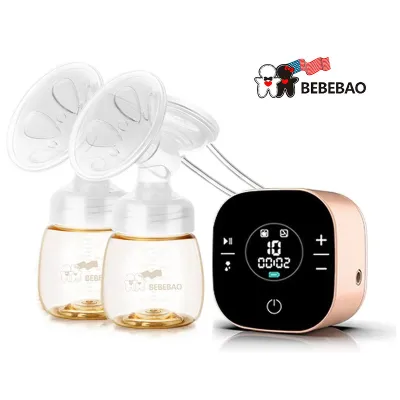
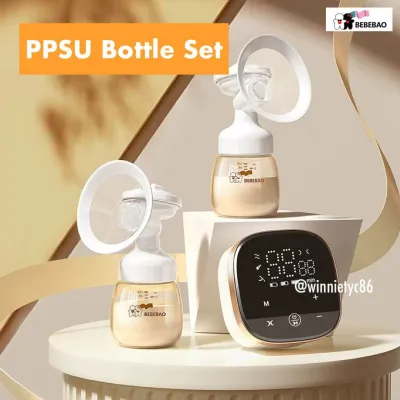
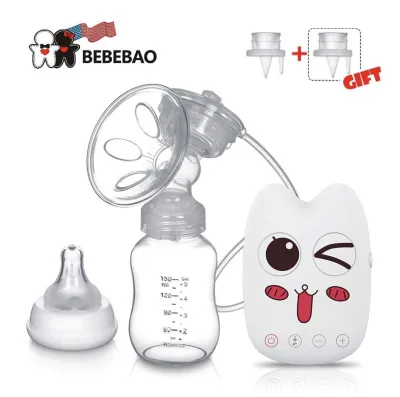
Prices are valid at publication and may change. Please refer to the product page for the latest price.
Mobility is another major consideration, especially for working mothers in Singapore. If you commute daily, work in an office environment, or need to manage household chores while pumping, a cord-free, wearable design is highly advantageous. However, if you primarily pump at a fixed desk or at home near a power outlet, a traditional tabletop setup is highly practical and often more efficient.
Budget constraints and long-term breastfeeding goals should also guide your selection. Breastfeeding journeys vary in length, and investing in a highly durable, feature-rich pump makes sense if you plan to pump for a year or more. If you only need a pump for a few months of transition or transition back to work, a more budget-friendly or compact model may serve you perfectly. Aligning your purchase with these practical realities ensures you do not overspend on features you do not need, or conversely, underinvest in a tool you will rely on daily.
Comparing Bebebao Breast Pump Categories
Bebebao offers a variety of breast pumps designed to cater to different maternal lifestyles. The brand generally categorizes its lineup into wearable hands-free pumps, traditional double electric pumps, and compact manual or travel options. Each category serves a distinct physiological and lifestyle need, allowing mothers to customize their pumping setups.

Because product generations, model numbers, and specific features change frequently, always verify the latest specifications, package inclusions, and local availability on the official brand website or through authorized local retailers. Understanding the core differences between these categories is the first step toward identifying the right model for your daily routine.
Wearable and Hands-Free Models
Wearable and hands-free breast pumps are designed for maximum mobility and discretion. These models feature an all-in-one design where the motor, collection cup, and breast shield fit entirely inside a standard nursing bra. This setup eliminates dangling tubes and external wires, allowing you to pump while working at your desk, preparing meals, or moving around the house.
When evaluating a wearable model, key factors to check include the motor’s noise level, battery life, and the ease of cleaning. A quiet motor is essential if you plan to pump in an office setting or during virtual meetings. Because these pumps rely entirely on internal rechargeable batteries, verify how many pumping sessions a single charge can support. Additionally, inspect the design to see how many small parts, such as silicone valves and diaphragms, require disassembly and sterilization after each use.
While wearable pumps offer unmatched convenience, they do have limitations. The compact motors may offer slightly less customizable suction patterns compared to heavy-duty tabletop units. The milk collection cups also have a fixed capacity, usually around 150ml to 180ml, which might require more frequent emptying if you have an exceptionally high milk yield. For many mothers, however, the trade-off is well worth the freedom of movement.
Traditional Double Electric Models
Traditional double electric breast pumps are the standard choice for maximizing milk output and efficiency. These systems feature a central motor unit connected via tubing to two separate breast shields and collection bottles. By stimulating both breasts simultaneously, these pumps help optimize the body’s natural prolactin response, often resulting in shorter pumping sessions and higher overall milk volume.
If you are an exclusive pumper or are focused on rapidly building a freezer stash, a traditional double electric pump is highly recommended. When comparing models, look for adjustable suction and cycle settings, which allow you to customize the pumping rhythm to mimic your baby’s natural nursing pattern. A closed-system design is also crucial; check that the model includes a physical backflow protector to prevent moisture and milk from entering the tubing and motor, ensuring optimal hygiene.
The primary limitation of traditional double electric pumps is their lack of portability. They require either a direct connection to a wall outlet or a larger, heavier external battery pack. The presence of long tubing and external bottles makes them highly visible and less suitable for pumping in public or open-plan offices. They are best utilized as a primary station at home or at a dedicated lactation desk.
Manual and Compact Travel Models
Manual breast pumps are operated entirely by hand, using a manual lever to create suction. They do not require electricity or batteries, making them completely silent and highly portable. These models are excellent backups to keep in your diaper bag or office drawer for unexpected situations.
Manual pumps are ideal for occasional pumpers, travel use, or as a backup during power outages. When selecting a manual pump, evaluate the ergonomic design of the handle to ensure it does not cause hand fatigue during use. Check the weight and overall size to ensure it fits easily into a small handbag. Look for simple assemblies with minimal parts to make quick cleaning on the go straightforward.
However, manual pumping requires continuous physical effort, which can quickly become tiring. It is not a practical solution for exclusive pumping or for maintaining a milk supply over several months. It is best viewed as a convenient secondary tool rather than a primary breast pump.
Essential Specifications to Verify Before Purchase
To ensure comfort, safety, and efficiency, there are several critical technical and safety specifications you must verify before purchasing any breast pump model.
First, prioritize flange sizing and compatibility. The flange is the funnel-shaped shield that fits over your nipple. An incorrect flange size can cause friction, pain, blocked milk ducts, and reduced milk output. Measure your nipple diameter carefully before purchasing, and check if the Bebebao model you are considering includes multiple flange sizes or compatible silicone inserts to customize the fit.
Second, check the suction strength and cycle modes. A high-quality pump should offer a rapid, shallow stimulation mode (or massage mode) to trigger the let-down reflex, followed by a slower, deeper expression mode. Verify the range of suction levels to ensure you can find a comfortable setting that does not cause discomfort.
Third, verify the warranty and local after-sales support in Singapore. Purchasing from authorized local sellers ensures you receive a valid warranty. Verify the location of the local service center and the ease of sourcing replacement parts like valves, tubing, and diaphragms. These consumable parts wear out over time and must be replaced regularly to maintain suction.
Finally, confirm the pump utilizes a closed system. A closed system features a physical barrier that prevents milk from backflowing into the pump motor or tubing. This prevents mold and bacterial growth, ensuring the milk remains safe for your baby. If you notice any signs of mold or persistent moisture in unhygienic areas, stop use immediately and consult a professional.
Decision Framework: Choosing Your Bebebao Model
To finalize your choice, match your primary lifestyle needs to the corresponding pump category:
- Choose a wearable model if your primary goal is mobility, multitasking, and discreet pumping at work or while managing household activities.
- Choose a traditional double electric model if you are an exclusive pumper, need to maximize milk volume efficiently, or primarily pump at home.
- Choose a manual or compact travel model if you only pump occasionally, need a silent backup for your diaper bag, or travel frequently without reliable power access.
If you experience persistent low milk supply, pain during pumping, or have specific medical conditions, consult a certified lactation consultant or healthcare professional. A retail breast pump is a tool, but professional guidance is essential for addressing complex lactation challenges.

Community discussion
Share your experience or ask a question. Comments are reviewed before publication.