
Selecting the right b box water bottle for your child involves matching the bottle’s design with your baby’s current developmental stage and motor skills. While the brand provides age suggestions on its packaging, monitoring your child’s physical milestones is the most reliable way to select the ideal model. From the iconic weighted straw sippy cup to durable Tritan bottles and insulated stainless steel flasks, each model serves a specific step in your child’s journey toward independent drinking.
In Singapore’s warm, tropical climate, maintaining proper hydration is a daily priority for parents. Choosing a cup that your child can handle comfortably ensures they drink enough water throughout the day. By understanding how your child’s grasping, sucking, and swallowing abilities evolve, you can select a cup that supports their growth while minimizing spills and frustration.
Understanding Your Baby's Drinking Milestones
Transitioning from breast or bottle feeding to a cup is a major developmental step that requires complex oral motor coordination. Before introducing a training cup, look for key physical signals that indicate your baby is ready to begin. These signals include the ability to sit upright unassisted in a highchair, stable head and neck control, reaching for objects with a purposeful grasp, and showing active interest in what you are drinking.
Products mentioned in this guide
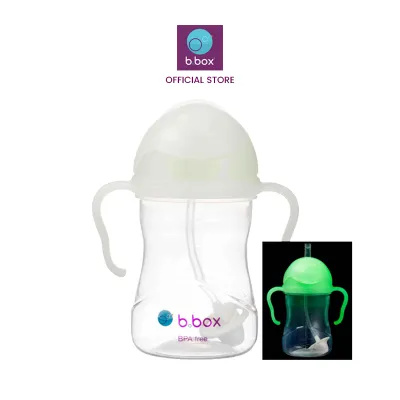
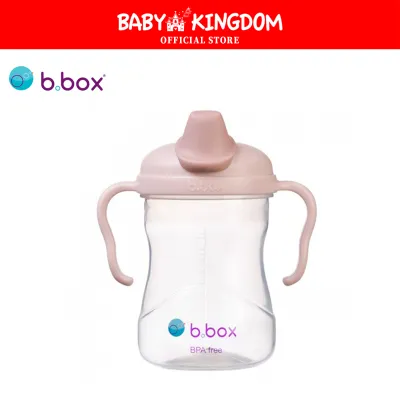
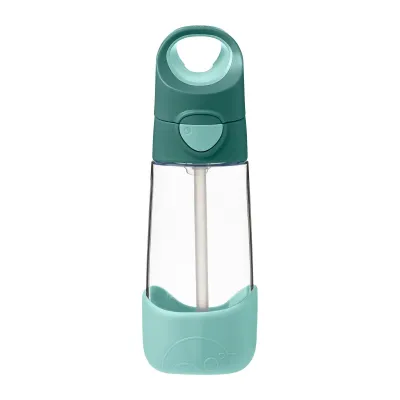
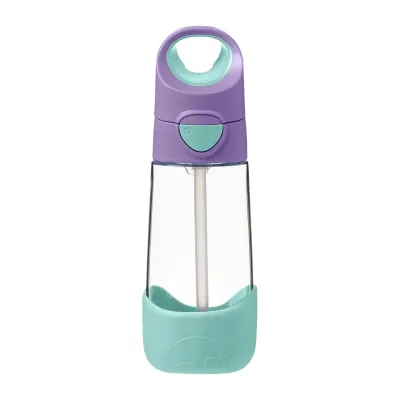
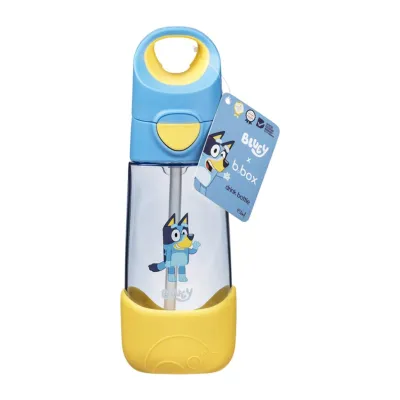
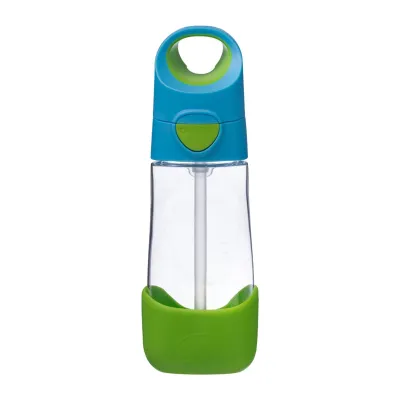
Prices are valid at publication and may change. Please refer to the product page for the latest price.
Physiologically, infants must transition from a “suckling” reflex—where the tongue moves forward and backward to draw milk—to a mature “sucking” pattern, which involves an active lip seal and upward-downward tongue movement. This transition typically begins around six months of age, though some infants show readiness slightly earlier or later. Introducing a cup at the right time helps strengthen the jaw, lip, and tongue muscles, which are also essential for speech development.
Developmental stages generally progress through three distinct phases:
- Early Weaning (Approx. 4 to 9 Months): The focus is on introducing small sips of water alongside solid foods. Babies at this stage are learning to coordinate swallowing with breathing and require cups with slow, controlled flow rates and easy-to-grip handles.
- Active Toddlerhood (Approx. 9 to 24 Months): Toddlers are highly mobile, walking, and exploring. They require durable, leak-proof cups that they can carry independently. During this phase, they transition from weighted straws to standard straws and open-rim cups.
- Preschool and School-Age (2 Years and Beyond): Children have developed excellent grip strength and hand-eye coordination. They can manage larger capacities, heavier materials like stainless steel, and more complex lid mechanisms like push-button flips.
Remember that chronological age is merely a general guideline. Every child develops at their own pace, and actual readiness depends entirely on individual motor skills. If your child struggles with swallowing, experiences frequent coughing or choking while drinking, or has anatomical concerns like a tongue-tie, consult a pediatrician or a pediatric occupational therapist for personalized guidance before introducing new cup styles.
B.box Training Cups for Early Weaning Stages
When your baby is ready to start weaning, the choice of cup can make a significant difference in how quickly they adapt. The B.box range offers two primary options for beginners: the Spout Cup and the iconic Weighted Straw Sippy Cup. Both are designed to bridge the gap between the familiar feel of a nipple and the mechanics of a standard cup.

The B.box Spout Cup
The Spout Cup is often the first step for babies transitioning away from a bottle teat. It features an angled silicone spout that is gentle on sensitive gums. The angled design is highly intentional; it reduces the need for the baby to tilt their head back excessively, making the swallowing process safer and more comfortable. The handles are integrated into the lid frame, allowing small hands to practice the two-handed grasp required to lift and steady a cup.
The B.box Weighted Straw Sippy Cup
For many parents, the Weighted Straw Sippy Cup is the definitive starter cup. The standout feature of this cup is its innovative weighted ball at the end of a flexible silicone straw. In a standard straw cup, tilting the cup upward moves the liquid away from the straw, resulting in the baby sucking in air. The B.box weighted ball resolves this by sliding to the lowest point of the cup, following the liquid. Whether your baby is lying down in a stroller, tilting the cup completely upside down, or sitting upright, they can successfully draw water.
Safety and Hygiene Features
When introducing these early-stage cups, safety and hygiene are paramount. Always verify the manufacturer’s minimum age recommendation printed on the packaging before use, as individual models are calibrated for specific developmental ranges. Constant adult supervision is mandatory during these early feeding stages to prevent choking, airway entry, or accidental injuries if the child falls while holding the cup.
To maintain hygiene, both the Spout Cup and the Weighted Straw Sippy Cup feature an integrated flip-top lid. When your child is finished drinking, sliding the lid forward tucks the silicone straw or spout away, sealing it from dirt, dust, and insects. This is particularly useful for outdoor trips in Singapore, keeping the drinking interface clean while inside a diaper bag.
B.box Everyday Straw Cups for Independent Toddlers
As toddlers grow, their drinking habits and physical capabilities change. Once your child has mastered the weighted straw and can comfortably hold a cup upright while drinking, they are ready to transition to standard straw cups. B.box addresses this stage with its standard Straw Cups and the highly durable Tritan Straw Cups.
Transitioning Away from the Weighted Straw
While the weighted straw is excellent for beginners, older toddlers no longer need the moving weight. Transitioning to a standard straw cup offers several practical benefits:
- Simplified Cleaning: Standard straws do not have a metal weight attached to the bottom, making them significantly easier to clean, rinse, and inspect for mold.
- Lighter Weight: Removing the weight reduces the overall weight of the cup, which is helpful when moving to larger fluid capacities.
- Encouraging Upright Posture: Standard straws teach toddlers to keep the cup level and drink with an upright posture, preparing them for adult cups.
The Durability of Tritan Copolyester
For active toddlers who are prone to throwing or dropping their cups, the B.box Tritan Straw Cup is a highly practical choice. Tritan is a premium, BPA-free copolyester that offers the crystal-clear appearance of glass without the fragility. It is exceptionally impact-resistant, meaning it can withstand repeated drops on hard condo tiling or outdoor playground concrete without cracking.
Furthermore, Tritan does not retain odors or stains from juices or milk, keeping the water tasting fresh. When purchasing, always check the specific product label to verify the recommended age range and the fluid capacity (often ranging from 240ml to 450ml) to ensure it aligns with your toddler’s daily hydration requirements.
Achieving a Leak-Proof Seal
Many parents select B.box cups because of their leak-proof reputation, but keeping the cup dry requires precise assembly. To prevent leaks, follow these assembly steps carefully:
- Align the Straw: Thread the silicone straw through the underside of the lid.
- Pull to Click: Grab the top of the straw and pull it firmly upward until you hear or feel it click securely into the plastic housing. If it is not pulled completely through, water will bypass the seal.
- Check the O-Ring: Ensure the circular silicone O-ring inside the lid is seated completely flat in its groove. Any twists, debris, or misalignment in this ring will break the vacuum seal and cause slow leaks.
B.box Insulated Bottles for Older Children
Preschoolers and school-age children have different hydration needs than toddlers. They spend longer hours away from home, engage in high-energy physical activities, and have the hand strength to manage heavier items. For this stage, the B.box Insulated Drink Bottle is the ideal choice.
Thermal Performance in Tropical Climates
In Singapore’s year-round hot and humid weather, water kept in plastic bottles quickly becomes warm and unappealing. The B.box Insulated Drink Bottle features double-walled stainless steel construction, which provides excellent thermal insulation. This vacuum-sealed barrier keeps drinks cold for up to several hours, encouraging children to drink more water during outdoor recess or sports activities.
Weight and Handling Considerations
Stainless steel bottles are naturally heavier than their plastic counterparts. Before upgrading your child to an insulated bottle, ensure they have the physical coordination and grip strength to lift, carry, and drink from a heavier metal container without dropping it on their feet. A child who can easily carry their own backpack and handle a standard open cup is generally ready for a metal bottle.
Push-Button Lid Mechanisms
Unlike the sliding lids found on toddler cups, B.box insulated bottles utilize a push-button lid mechanism. Pressing the button automatically flips the lid open, revealing a soft silicone straw. This design is highly hygienic because the child’s fingers do not need to touch the drinking straw to open it. It also features a built-in carry handle, making it easy for children to carry the bottle or clip it to their school bags.
Critical Safety Warnings for Insulated Bottles
While insulated bottles are excellent for temperature retention, parents must observe strict safety rules regarding hot liquids:
- Avoid Hot Liquids: Never fill straw-based insulated bottles with hot or boiling liquids. Because the bottle is vacuum-sealed, heat creates steam pressure inside the chamber. When the child presses the button to open the lid, this pressure can cause hot liquid to spray violently out of the straw, resulting in severe facial burns.
- Verify Temperature Limits: Always consult the manufacturer's instruction manual for the maximum safe liquid temperature. For straw lids, it is highly recommended to only use cool, chilled, or room-temperature liquids.
How to Compare B.box Cups: Materials, Cleaning, and Spare Parts
To make an informed purchase, it is helpful to compare the primary materials used across the B.box range, understand their maintenance requirements, and evaluate the availability of replacement parts.
Comparing Materials: PP, Tritan, and Stainless Steel
- Polypropylene (PP): Used in the classic Sippy Cup and Spout Cup. It is lightweight, slightly flexible, highly cost-effective, and excellent for younger babies who are still building hand strength. However, it can scratch over time and may absorb odors if used for liquids other than water.
- Tritan: Used in the Tritan Straw Cup and Tritan Drink Bottle. It offers glass-like clarity, high impact resistance, and does not retain odors or stains. It is heavier than PP but significantly more durable for active toddlers.
- Stainless Steel: Used in the Insulated Drink Bottle. It provides maximum durability and excellent temperature retention. It is the heaviest option and is best suited for older children.
- Silicone: Used for all straws, spouts, and O-ring seals. It is soft, flexible, and gentle on teeth and gums, but it is a consumable material that degrades over time.
Specialized Cleaning Requirements
Because baby cups have narrow channels, valves, and weighted balls, they require meticulous cleaning to prevent the buildup of bacteria and mold. Standard dishwashing sponges cannot reach the interior of a thin silicone straw. To clean these parts effectively, you must use a specialized, ultra-thin wire straw brush.
To clean a weighted straw, insert the wire brush into the top of the straw and gently push it through to the weighted ball, twisting to remove any residue. Pay special attention to the small valve inside the straw, as dried milk or juice residue can clog it and cause the cup to leak.
Dishwasher Safety and Sterilisation
Before placing any cup parts in the dishwasher, verify the specific instructions in your product manual. While many B.box plastic lids and cups are top-rack dishwasher safe, high-temperature wash cycles can warp certain plastics or degrade silicone seals over time.
Similarly, check the manufacturer’s guidelines regarding steam sterilisation, boiling, or UV sterilisation. Some plastics, particularly Tritan, can become cloudy or brittle if exposed to repeated high-heat sterilisation cycles. Hand washing with warm, soapy water and air-drying completely is often the safest method to prolong the lifespan of the cup.
The Importance of Replacement Parts
Silicone straws, spouts, and O-ring seals are high-wear components. Children often bite down on straws, which can tear the silicone and create a choking hazard. Rather than replacing the entire bottle, you can purchase official B.box replacement straw packs, spout refills, and spare O-rings.
Keeping a stock of these replacement parts is highly recommended. It ensures you can swap out worn components instantly, maintaining the hygiene and leak-proof performance of the cup without unnecessary expense.
B.box Cup Comparison Matrix
| Model | Best For Stage | Material | Key Maintenance Requirement |
|---|---|---|---|
| Spout Cup | Transition from teat (approx. 4m+) | Polypropylene (PP) & Silicone | Thoroughly wash the spout valve; top-rack dishwasher safe |
| Weighted Sippy Cup | Early straw drinking (approx. 6m+) | Polypropylene (PP) & Silicone | Use a dedicated wire straw brush to clean the weighted ball |
| Tritan Straw Cup | Active toddlers (approx. 9m+ to 12m+) | Tritan co-polyester | Inspect straw valve; avoid abrasive scrubbing on Tritan |
| Insulated Drink Bottle | Preschoolers & school-age (approx. 12m+) | Double-wall Stainless Steel | Hand wash the metal flask; do not microwave or freeze |
Essential Safety and Maintenance Rules for Baby Cups
To keep your child’s water bottle hygienic, safe, and functioning correctly, establish a consistent daily maintenance routine. Neglecting to clean these cups properly can lead to bacterial contamination, which poses health risks to your child.
Daily Disassembly and Drying
Never simply rinse a used cup and refill it. Every night, completely disassemble the cup. Remove the straw or spout, pull out the silicone O-ring from the lid, and separate any weighted balls. Wash each part individually in warm, soapy water using appropriate cleaning brushes.
In warm, humid climates like Singapore, residual moisture trapped inside silicone straws or valves can quickly lead to black mold growth. After washing, lay all parts out separately on a clean, dry dish rack in a well-ventilated area. Allow them to air-dry completely before reassembling the cup for the next use.
When to Discard and Replace Parts
Regularly inspect every component of your child’s water bottle. Establish a replacement schedule based on the following wear-and-tear criteria:
- Silicone Straws and Spouts: Inspect weekly. If you notice bite marks, cracks, thinning, or tears, replace the straw immediately. Torn silicone can break off during drinking, presenting a severe choking hazard.
- Plastic Bodies (PP or Tritan): Check for deep scratches, cracks, or cloudiness. Micro-cracks can harbor bacteria that cannot be washed away. If the plastic is cracked or heavily scratched, discard the cup.
- Persistent Odors or Mold: If you spot black mold spots inside the silicone straw that cannot be removed with a brush, or if the cup retains a sour odor even after thorough washing, discard the affected parts immediately.
Usage Restrictions
Unless the specific model’s manufacturer instructions explicitly state otherwise, avoid using these cups for carbonated drinks, pulpy juices, or hot liquids. Carbonated beverages release gas that builds up pressure inside the cup, leading to leaks or sudden spraying when opened. Pulpy juices can easily clog the delicate valves inside the straws, rendering the cup unusable.
Finally, remember that no toddler cup is entirely leak-proof under all physical conditions. Dropping a cup from a high chair, sudden changes in air pressure (such as during a flight), or extreme temperature shifts can cause minor leaks. When carrying water bottles in diaper bags or school backpacks, always keep them upright and secure them in designated bottle pockets to prevent accidental spills on electronics, books, or spare clothes.
Frequently Asked Questions (FAQ)
Can I put warm milk or formula in a B.box straw cup?
It is generally not recommended to put warm milk or formula in a standard B.box straw cup. When warm liquids are sealed inside the cup, they heat the air chamber, creating pressure. When the flip lid is opened, this pressure can force the liquid up through the straw, causing it to spray out. Additionally, milk residue is highly prone to spoiling and can quickly clog the straw valve, making it difficult to clean and increasing the risk of mold. If you must use warm liquids, ensure they are cooled to room temperature, and wash all parts immediately after use.
How often should I replace the B.box straw and weighted ball?
The replacement frequency of the silicone straw and weighted ball depends heavily on your child’s drinking and biting habits. As a general rule, inspect the silicone parts weekly for any signs of damage, such as tears, thinning, or bite marks. If you observe any physical damage, replace the straw immediately to prevent a choking hazard. For hygiene reasons, even if there is no visible damage, it is recommended to replace the silicone straw and valve every two to three months, especially if the cup is used daily.

Community discussion
Share your experience or ask a question. Comments are reviewed before publication.