
Finding the right b box straw cup for your baby involves matching their physical development with the cup’s specific design features. As your child transitions from breast or bottle to independent drinking, their motor skills and oral coordination change rapidly. Selecting a cup that aligns with their current stage makes this transition smoother and supports healthy oral development.
Many parents begin introducing straw cups during early weaning to help their infants learn new drinking patterns. The ideal cup for a six-month-old starting solid foods is very different from the durable bottle needed by an active preschooler. Understanding these developmental shifts allows you to choose the safest, most functional option for your family’s daily routine.
Recognizing Your Baby's Drinking and Weaning Milestones
Before selecting a cup, it is helpful to observe the physical and behavioral signals that indicate your baby is ready to transition. Most infants show readiness for a straw cup around six months of age, which often coincides with the introduction of solid foods. Key physical milestones include the ability to sit up unassisted with good head control and the coordination to grasp objects and bring them to their mouth.
Products mentioned in this guide
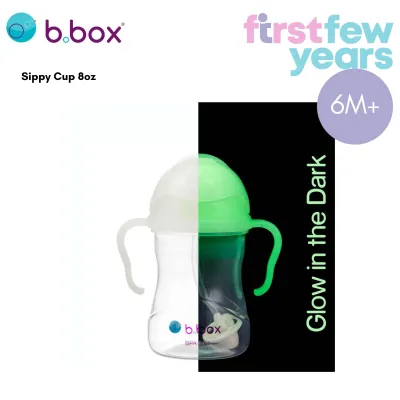
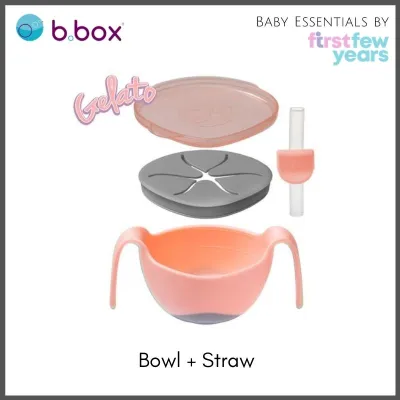
Prices are valid at publication and may change. Please refer to the product page for the latest price.
Behavioral cues also play a significant role in determining readiness. If your baby watches you drink, reaches for your cup, or mimics swallowing motions, they are likely ready to try a straw. These actions demonstrate both curiosity and the foundational motor planning required to coordinate lifting a cup to their lips.
Oral motor development for straw drinking is fundamentally different from the suckling reflex used during breast or bottle feeding. Suckling involves a simple forward-and-backward movement of the tongue to express milk. In contrast, drinking from a straw requires the baby to retract their tongue, seal their lips tightly around the silicone, and coordinate sucking with swallowing and breathing. This transition helps strengthen the lips, cheeks, and jaw, which are essential muscles for speech development.
While packaging age recommendations provide a helpful baseline, they are general guidelines rather than strict rules. Every child develops at their own unique pace, and physical readiness should always take precedence over chronological age. If you have concerns about your baby’s swallowing coordination, oral development, or overall readiness, consult your pediatrician or a qualified healthcare professional for personalized guidance.
Core Features of the B Box Straw Cup Range Explained
To choose the right model, it helps to understand the engineering behind these popular drinking vessels. The b box straw cup range is designed to solve common weaning challenges, such as spills, difficulty drawing liquid, and durability issues. By focusing on specific design elements, you can find a cup that matches your child’s current abilities.

Weighted Straw Technology The defining feature of many early-stage cups in this range is the weighted ball located at the base of the silicone straw. When infants first use a cup, they naturally tilt it upward, a habit carried over from bottle feeding. In a standard cup, this action moves the liquid away from the bottom of the straw, causing the baby to suck in air. The weighted ball moves dynamically with the liquid, keeping the straw submerged whether the cup is tilted, held sideways, or turned upside down.
Leak-Proof Valves Spills are a common part of the learning process, which is why these cups utilize specialized leak-proof valves. The silicone straw features a cross-cut or two-way valve mechanism that remains closed when not in use. Liquid only flows when the baby applies combined biting and sucking pressure. This design prevents messy leaks when the cup is dropped on the floor, shaken, or left lying on its side, though it may require a brief adjustment period as your baby learns the correct biting technique.
Material and Durability The cups are manufactured using different materials to suit various stages of childhood. Polypropylene (PP) is lightweight and flexible, making it ideal for younger infants who are still building grip strength. Tritan is a premium co-polyester that offers glass-like clarity and high impact resistance without the weight of glass. For older children, double-walled stainless steel provides excellent durability and temperature retention, which is particularly beneficial in warm tropical climates.
Verification Reminder Before finalizing any purchase, always check the physical packaging or the manufacturer’s official website to verify the stated age range, liquid capacity, and material specifications. This ensures the cup you select complies with your safety expectations and fits your child’s current developmental stage.
Recommended B.Box Straw Cups by Developmental Stage
Early Weaning (Around 6 Months and Up)
The introduction of water typically begins alongside solid foods around the six-month mark. For this initial stage, the classic weighted straw sippy cup is highly recommended. This model is specifically engineered to bridge the gap between bottle feeding and independent cup drinking, making it an excellent starting point for early weaning.
The primary benefit of this cup is the combination of the weighted straw and a smaller, manageable capacity. Because young infants are still learning to coordinate swallowing and breathing, the controlled flow of the valve prevents them from receiving too much liquid at once. The weighted ball ensures they get a consistent flow of water regardless of how they hold the cup, reducing frustration and encouraging them to keep trying.
Ergonomic, easy-grip handles are integrated into the design to support early motor skills. These handles are sized perfectly for tiny hands, allowing your baby to practice grasping, lifting, and holding the cup independently. The lightweight construction ensures that even when filled to capacity, the cup is not too heavy for an infant to manage.
When introducing this cup, verify the official label for the exact minimum age and capacity, which is typically around 240ml. Always supervise your baby closely during all drinking sessions. Do not allow your child to walk or crawl while holding the cup, and ensure they are sitting upright to minimize the risk of choking.
Toddler Transition (Around 12 Months and Up)
As toddlers reach their first birthday, their oral motor skills and hand strength improve significantly. At this stage, they no longer need the assistance of a weighted ball to draw liquid. Upgrading to a transitional or standard straw cup, such as a model made from durable Tritan material, supports their ongoing physical development.
Older toddlers benefit from a standard straw because it encourages a more mature oral posture. Since these straws do not have a weighted ball, the child must keep the cup relatively upright to drink. This action teaches them the physical mechanics required for eventually using open cups. The straws in these transition cups are often slightly wider, allowing for a faster flow of liquid to satisfy a toddler’s growing appetite.
These cups typically feature larger capacities, often around 450ml, to keep up with a toddler’s daily hydration needs. They are designed with active toddlers in mind, featuring simple push-button lids that protect the straw from dirt when not in use. The streamlined design without a weighted ball also makes the cup lighter and easier for parents to disassemble and clean.
Before transitioning away from the weighted version, verify that your child has mastered basic straw-drinking skills and can hold a cup upright. Check the manufacturer’s recommended age guidelines on the packaging to ensure the cup is appropriate for your toddler’s current stage.
Active Preschoolers (Around 18 Months and Up)
For older toddlers and preschoolers who are constantly on the move, attending childcare, or enjoying outdoor play, durability and temperature control become essential. At this stage, an insulated stainless steel straw bottle is the most suitable choice to withstand the demands of daily adventures.
In Singapore’s warm and humid climate, keeping drinking water cool and refreshing is key to encouraging children to stay hydrated throughout the day. Double-walled insulated stainless steel bottles can maintain cool temperatures for several hours. The robust metal exterior is highly resistant to dents, scratches, and drops on hard playground surfaces, ensuring the bottle lasts through heavy daily use.
These bottles feature a larger capacity and a simplified, robust straw mechanism that is easy for older toddlers to operate independently. The push-button lid is designed for small hands to open and close easily, promoting self-reliance during school or park outings. The integrated carry handle or loop makes it convenient for children or parents to carry during walks.
When using insulated stainless steel bottles, always check the manufacturer’s maximum temperature limits and care instructions. These bottles are generally not intended for hot liquids, as the insulation can keep the liquid hot enough to cause accidental burns. Hand-washing is often recommended for insulated components to preserve the vacuum seal over time.
Quick Comparison of B.Box Straw Cup Options
To help you quickly evaluate the differences between these options, the following table summarizes the key characteristics of each cup type across essential decision-making dimensions.
| Developmental Stage | Cup Type | Key Benefit | Best Use Case | Cleaning Complexity |
|---|---|---|---|---|
| Around 6 Months+ | Weighted Straw Sippy Cup | Drinks from any angle; easy-grip handles | Early weaning and introducing water | Moderate (requires cleaning the weighted ball and valve) |
| Around 12 Months+ | Standard Tritan Straw Cup | Encourages upright posture; larger capacity | Daily hydration at home or during meals | Low to Moderate (no weighted ball; fewer parts) |
| Around 18 Months+ | Insulated Stainless Steel Bottle | Keeps water cool; highly durable exterior | Outdoor play, school, and travel | Moderate (requires cleaning the straw assembly) |
Please note that exact product specifications, capacities, and recommended age guidelines can vary by model and manufacturing batch. Always verify these details on the physical product packaging or the manufacturer’s official instructions before making a purchase.
Essential Cleaning and Safety Guidelines for Straw Cups
Proper maintenance is crucial for keeping your child’s straw cup hygienic and extending its lifespan. Because straw cups contain small, enclosed parts, they require diligent cleaning to prevent the buildup of mold and bacteria.
Deep Cleaning the Straw The narrow silicone straw and the weighted ball can easily trap moisture and liquid residues, creating an environment ripe for mold growth. To clean these areas effectively, use a specialized, slim straw cleaning brush. Insert the brush into the straw from both ends, scrubbing gently with warm water and a mild, baby-safe dish soap. Pay close attention to the area where the straw connects to the weighted ball, as this crevice is particularly prone to accumulation.
Valve Maintenance The leak-proof valve is a delicate component that must be handled with care. During cleaning, disassemble the straw assembly completely according to the manufacturer’s instructions. Avoid using sharp objects, toothpicks, or harsh abrasive sponges to clean the valve, as these can easily tear the silicone seal and cause the cup to leak. Ensure all components are completely dry before reassembling the cup to prevent moisture from being trapped inside.
Replacement Indicators Regularly inspect all parts of the straw cup for signs of wear and tear. Look for visible bite marks, tears in the silicone, stiffness, persistent discoloration, or a noticeable reduction in liquid flow. If your child is teething and tends to chew on the straw, inspect the silicone daily. Replace the straw assembly immediately if you observe any damage, using official replacement parts to ensure a proper, leak-free fit.
Safety Limits Never use standard plastic or Tritan straw cups for hot or boiling liquids. High temperatures can cause pressure to build up inside the sealed cup, forcing hot liquid to spray out of the straw and potentially causing burns. Avoid using the cups for carbonated beverages, which also create pressure and lead to leaks. Always check the product label to verify dishwasher and microwave safety limits, as some materials may warp or degrade under high heat.
Frequently Asked Questions (FAQ)
Can I use a B.Box straw cup for warm formula or milk?
Standard plastic and Tritan straw cups are not designed for hot or boiling liquids. High temperatures cause air pressure to build up inside the sealed container, which can force liquid to spurt out of the straw, posing a burn risk. If you wish to serve warm formula or milk, ensure it is at a safe, lukewarm temperature before pouring it into the cup. Always check the specific product packaging or manufacturer’s instructions to confirm the maximum temperature rating.
How often should I replace the straw and weighted ball?
There is no strict calendar schedule for replacing these components, as wear depends on usage frequency and whether your child bites the silicone. Inspect the straw and weighted ball weekly for signs of physical damage, such as deep teeth marks, tearing, cracking, or mold that cannot be cleaned. If you notice any of these signs, replace the parts immediately. For safety and hygiene, it is recommended to keep official replacement straws on hand.
Is the weighted straw necessary for older toddlers?
No, the weighted straw is primarily designed to help younger infants who are still learning how to use a cup and tend to tilt it. Once a toddler reaches around 12 to 18 months, they develop the motor skills to hold a cup upright while drinking. Transitioning to a standard straw cup or an insulated bottle at this stage supports mature oral habits and simplifies your cleaning routine, as these models have fewer small parts.

Community discussion
Share your experience or ask a question. Comments are reviewed before publication.