
Searching for a “baby backpack” often leads to a confusing mix of products. You might see heavy-duty hiking frames designed to carry a toddler, sleek bags packed with insulated bottle compartments for parents, or tiny, animal-shaped packs meant for a two-year-old. These are three entirely different products serving completely different purposes.
To find the right option, you must first clarify who will be wearing the pack, what needs to go inside, and your child’s current developmental stage. Choosing the wrong category can lead to unnecessary expenses and cluttered storage spaces. This guide provides a clear self-diagnosis framework to help you identify exactly which type of baby backpack fits your family’s daily routine before you start shopping.
Step 1: Diagnose Your Current Caregiving Stage
Selecting the right gear begins with an honest assessment of your daily outings and your child’s physical development. An infant who cannot sit up independently requires a completely different support system than an active toddler who insists on walking but tires quickly.
Products mentioned in this guide
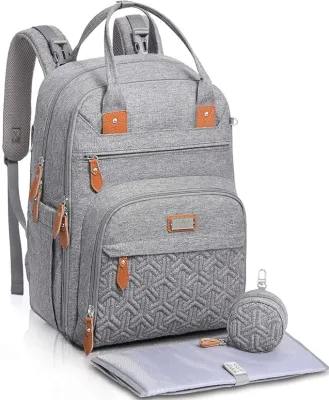
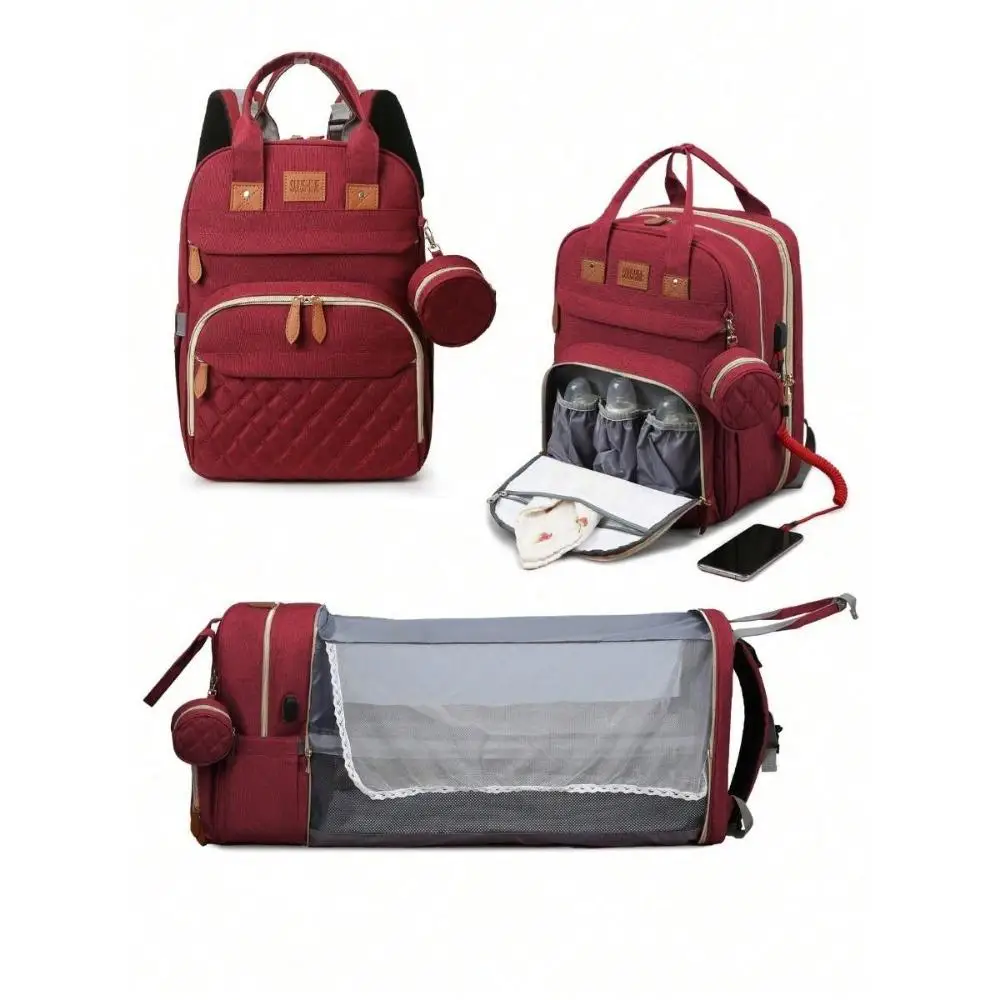
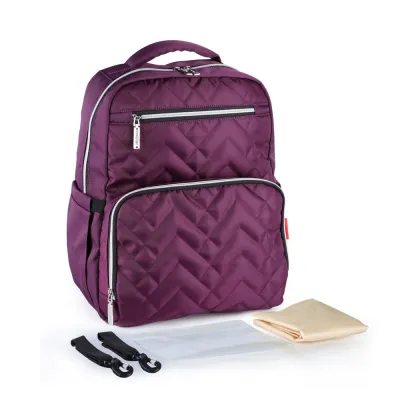
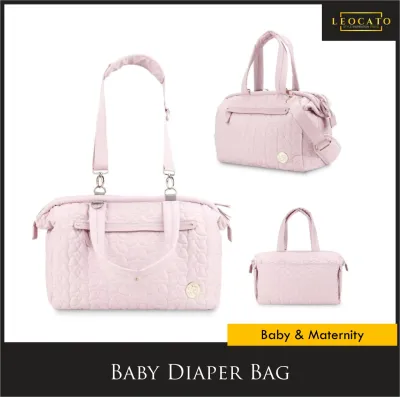
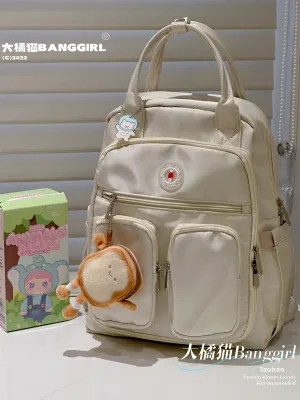
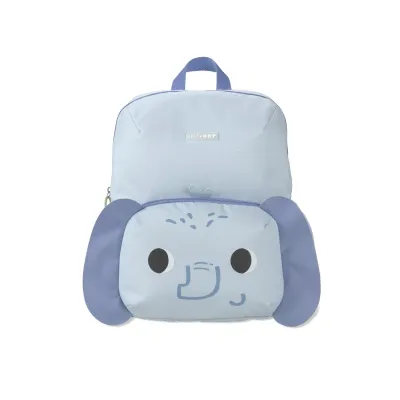
Prices are valid at publication and may change. Please refer to the product page for the latest price.
Start by evaluating your child’s age, weight, and mobility. If your child is under six months old, your primary need is carrying a vast inventory of feeding and changing supplies, which points directly to a parent-worn bag. Once a child reaches toddlerhood and begins walking, their need for independence grows, but their physical stamina remains limited.
Next, consider the caregiver’s physical load and the typical duration of your outings. Are you navigating crowded urban shopping malls, boarding public transport, or heading out for weekend walks along nature trails? Long, outdoor excursions require robust ergonomic support for carrying either gear or the child.
Finally, identify the primary cargo. If you are carrying bulky diapers, formula, and spare clothes, you need organized storage. If you are carrying the child themselves over uneven ground, you need a structured carrier. If the child is heading to daycare and wants to carry their own small water bottle, a miniature daypack is the appropriate choice.
Step 2: Diaper Backpacks for Infant and Toddler Essentials
A diaper backpack is designed specifically for parents and caregivers to carry all the essential supplies required to keep a baby clean, fed, and comfortable while away from home. Unlike standard bags, these backpacks focus entirely on specialized organization and quick access.

You need a diaper backpack if you are the primary supply manager for an infant or young toddler. During this stage, outings require a constant supply of diapers, wipes, bottles, change of clothes, and soothing items. Having these items organized in dedicated compartments prevents you from rummaging through a deep, dark bag during a diaper emergency.
When evaluating diaper backpacks, there are several key features to verify on the product label or specification sheet. Look for insulated bottle pockets that help maintain the temperature of milk or water. Wipe-clean or water-resistant interior linings are crucial for managing spills and soiled clothing. Ensure the bag includes integrated stroller straps or clips to relieve your shoulders during long walks, and check for a dedicated, easily accessible compartment for a folding changing pad.
You can confidently transition out of a dedicated diaper backpack once your child is fully potty-trained and eating regular table foods. At this stage, the volume of daily supplies drops significantly. You can then shift to a smaller, standard backpack or a compact tote bag, as you will only need to carry a water bottle and a few light snacks.
Step 3: Baby Carrier Backpacks for Hands-Free Transport
A baby carrier backpack is a structured, often metal-framed pack designed to let a parent carry a child on their back. This gear is built for active families who want to maintain mobility without pushing a stroller over challenging terrain.
This type of pack is highly useful if you plan to hike, walk on uneven nature trails, or navigate crowded outdoor markets where strollers are impractical. It allows you to keep your hands completely free while ensuring your child remains secure and positioned high enough to see the surroundings. It is especially valuable when a child is too heavy for a front carrier but still lacks the stamina to walk long distances.
Safety and fit are paramount when choosing a carrier backpack. Always verify the manufacturer’s stated minimum and maximum weight limits, as well as the child’s physical readiness. The child must have strong, consistent head and neck control, and be able to sit upright unsupported before using a framed carrier. Check the product specifications for an ergonomic hip seat, a secure child harness system, and adjustable torso support for the caregiver to distribute the weight to your hips rather than your shoulders.
Keep in mind the practical limitations of these structured carriers. They are significantly bulkier than soft carriers and require substantial storage space in your home or car boot. They also add noticeable weight even before you place the child inside, making proper fit and adjustment essential to prevent caregiver strain.
Step 4: Toddler Daypacks for Daycare and Independence
A toddler daypack is a miniature backpack designed to be worn by the child. Rather than serving as a primary storage solution for parents, these small bags are tools for developmental growth, helping young children build a sense of responsibility and independence.
You should consider a toddler daypack when your child starts preschool or daycare, or when they begin showing a strong desire to mimic adults. Toddlers love having their own special bag to carry to school or on family outings. It gives them a sense of ownership over their personal belongings, such as a favorite toy, a small coloring book, or a light jacket.
Sizing and ergonomics are critical when selecting a bag for a small child. Look for adjustable chest straps that prevent the shoulder straps from slipping off narrow shoulders. The materials should be exceptionally lightweight, such as durable nylon or polyester, to avoid adding unnecessary weight. Measure your child’s back and check the product dimensions; the bottom of the pack should never hang below the child’s waistline or drag on the ground.
To protect your child’s developing spine, strictly limit the capacity and weight of the contents. A good rule of thumb is to ensure the loaded backpack does not exceed 10% of the child’s body weight. Rely on the manufacturer’s recommended age and load guidelines, and use the pack only for light, non-bulky items like a small water bottle and a packet of tissues, leaving the heavy lifting to the parent’s bag.
Decision Matrix: Choosing Your Ideal Baby Backpack
To help you finalize your decision, evaluate how your typical daily routines align with the primary functions of each backpack type. The right choice depends on your immediate caregiving environment and long-term lifestyle plans.
| User Scenario | Recommended Backpack Type | Primary Focus |
|---|---|---|
| Running daily errands with an infant or young toddler | Diaper Backpack | Organizing feeding, changing, and emergency supplies for the parent to carry. |
| Weekend nature walks, hiking, or navigating rough terrain | Baby Carrier Backpack | Securely transporting the child while distributing weight ergonomically for the parent. |
| First day of preschool, daycare, or short family walks | Toddler Daypack | Encouraging child independence by letting them carry light, personal items. |
In many active families, needs will overlap, requiring more than one type of bag. For instance, you might use a diaper backpack for daily urban errands while keeping a toddler daypack ready for your child’s preschool days. Alternatively, a weekend hike might require a carrier backpack for the child, while the other parent carries a compact diaper bag for supplies.
When budgeting, evaluate the price-to-utility ratio based on how often you will use the item. High-quality diaper backpacks and toddler daypacks often range from S$30 to S$120, while structured carrier backpacks can range from S$150 to over S$400 due to their complex frame systems. If you are considering an expensive carrier pack, check the retailer’s return policy or try a floor model in-store first to test the fit, weight distribution, and harness adjustments before making a financial commitment.
Frequently Asked Questions (FAQ)
Can I use a regular adult backpack instead of a specific diaper backpack?
Yes, you can use a standard adult backpack, but you will miss out on specialized features. Standard backpacks usually lack insulated pockets to keep bottles cool, water-resistant linings to contain spills, and integrated stroller straps. If you choose to use a regular backpack, a practical workaround is to use modular packing cubes or wet bags. This allows you to separate clean clothes, diapers, and feeding supplies, making them easier to retrieve in a hurry.
At what age should my toddler start carrying their own daypack?
Most toddlers are physically ready to wear a very light daypack around 18 months to 2 years of age, or once they can walk steadily without frequent tripping. The transition should focus on the child’s interest in carrying their own things rather than utility. Always check the product label for the manufacturer’s recommended age and maximum load limits. Keep the contents extremely light, limiting them to a small toy or a packet of wipes.
Do I need a baby carrier backpack if I already have a soft structured carrier?
Not necessarily. A soft structured carrier is usually sufficient for everyday urban use, quick trips to the shops, and navigating flat surfaces. However, if you plan to go on longer walks, hike on uneven trails, or spend hours outdoors, a framed carrier backpack is a highly beneficial upgrade. The rigid frame and advanced suspension system distribute the child’s weight more effectively to your hips, preventing back strain during extended wear.

Community discussion
Share your experience or ask a question. Comments are reviewed before publication.