
Preparing for an outing with a baby often feels like packing for a major expedition. From diapers and wipes to bottles, spare clothes, and toys, the sheer volume of gear can quickly overwhelm a standard handbag. While many expectant parents automatically add a specialized diaper bag to their registry, experienced parents often debate whether a dedicated bag is truly essential or if a sturdy, well-organized regular bag can perform the exact same job.
Deciding between a dedicated diaper bag and a regular bag comes down to your personal outing style, the age of your baby, and how much you value specialized organizational features. While a standard backpack or tote can certainly be adapted for baby duty, dedicated diaper bags are engineered specifically to handle the messy, fast-paced demands of parenting. By evaluating your daily routine and understanding the unique design elements of each option, you can make a practical choice that keeps your outings stress-free.
Assess Your Current Bag for Baby Outings
Before purchasing a new bag, evaluate the bags you already own to see if they can handle the physical demands of carrying baby gear. First, check the bag’s capacity and weight distribution. Baby essentials are surprisingly heavy, especially when you factor in full bottles of water, formula containers, and a packed diaper clutch. A fashion tote with thin shoulder straps will quickly cause physical strain during long walks, whereas a backpack with wide, padded straps distributes weight more evenly across your shoulders.
Products mentioned in this guide
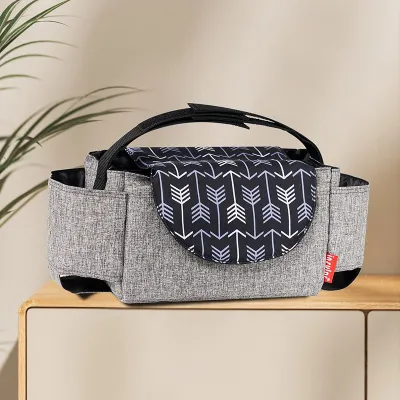
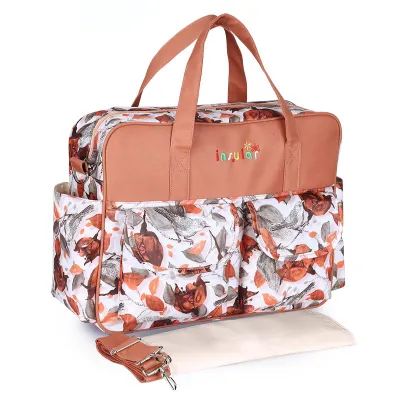
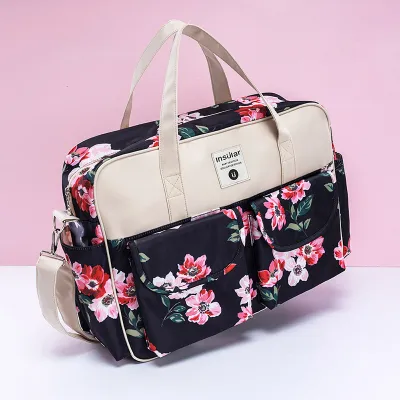
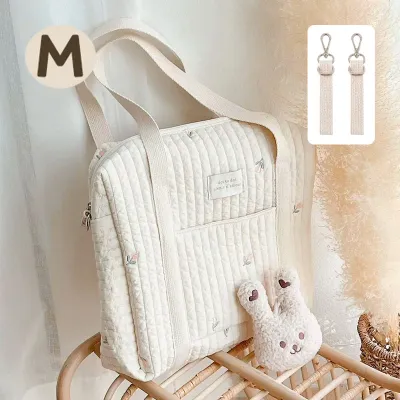
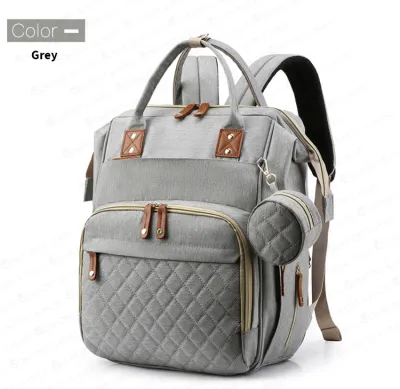
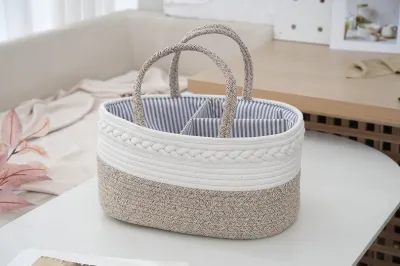
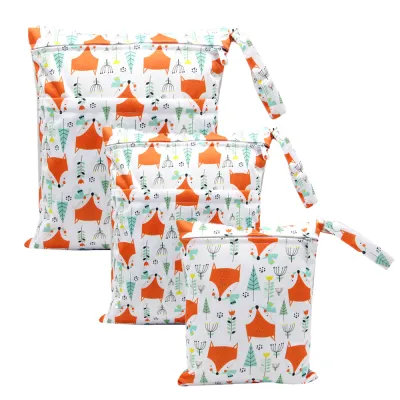
Prices are valid at publication and may change. Please refer to the product page for the latest price.
Second, consider the material and cleanability of your current bag. Baby outings are notoriously messy, involving everything from leaking milk bottles and crushed snacks to soiled clothing. If your favorite regular bag is made of delicate canvas, suede, or high-end leather, it may not survive the inevitable spills. Look for bags made of durable, water-resistant materials like nylon or polyester, both on the exterior and the interior lining. A bag that can be easily wiped down with a damp cloth will save you significant time and prevent lingering odors.
Finally, assess the accessibility and pocket structure of your existing bag. When your baby is crying in a public space or needs an urgent diaper change, speed is of the essence. If your current bag consists of one large, deep compartment without internal pockets, you will likely find yourself digging blindly through a mountain of gear to find a single pacifier or wipe. A suitable bag needs easily accessible external pockets for items you need to grab instantly, as well as secure internal compartments to keep clean clothes separated from dirty ones.
What a Dedicated Diaper Bag Actually Offers
Dedicated diaper bags are designed specifically to solve the unique challenges that parents face when they are away from home. One of their most significant advantages is built-in, specialized organization. Unlike regular backpacks, diaper bags often feature dedicated insulated pockets designed to keep milk, formula, or baby food at a safe, stable temperature for several hours. Many also include quick-access side pockets specifically sized for baby wipes, allowing you to pull out a wipe with one hand without unzipping the entire bag.

Ergonomics and hands-free convenience are also central to diaper bag design. Most modern diaper bags are styled as backpacks or convertible messenger bags, allowing you to keep both hands completely free to hold your baby, navigate public transport, or push a stroller. Furthermore, these bags typically come equipped with integrated stroller straps or clips. These allow you to hang the bag securely from your stroller handlebar, though you must always check your stroller manufacturer’s weight limits to prevent the stroller from tipping backward.
In addition to specialized pockets, dedicated diaper bags almost always include a matching, portable changing pad. These pads are designed to fold up compactly and slide into a designated sleeve, ensuring you always have a clean, cushioned surface for diaper changes in public restrooms or park benches. The materials used in diaper bags are also selected for extreme durability, featuring reinforced stitching, heavy-duty zippers, and water-resistant coatings that can withstand years of daily wear, spills, and frequent cleaning.
When to Stick With Your Regular Bag
You do not always need to rush out and buy a specialized diaper bag, as there are many scenarios where a regular bag is perfectly adequate. If your daily routine primarily consists of short, predictable outings—such as a quick trip to the local supermarket, a doctor’s appointment, or a brief visit to a nearby relative—you do not need to pack for every possible emergency. For these brief trips, a simple diaper clutch or a small pouch containing two diapers, a travel pack of wipes, and a single change of clothes can easily be slipped into your regular handbag or backpack.
Your need for a specialized bag also decreases significantly as your baby grows into a toddler. Newborns require an extensive inventory of supplies, including multiple changes of clothes, burp cloths, pacifiers, and feeding equipment. Toddlers, on the other hand, require far less gear. Once your child is eating solid foods and drinking from a standard water bottle, your packing list will shrink to a few snacks, a water bottle, and basic diapering or potty-training supplies. At this stage, a standard daypack or a casual tote bag is more than sufficient.
If you prefer the aesthetic of your regular bags, you can easily retrofit them for baby duty using smart packing strategies. Utilizing color-coded packing cubes, wet-dry bags, and removable purse organizers allows you to create a highly structured system inside any standard tote or backpack. This modular approach makes it incredibly easy to transfer your baby gear between different bags, allowing you to use a professional backpack for work and quickly swap the baby essentials into a stylish tote for the weekend.
Signs You Need to Switch to a Diaper Bag
While adapting a regular bag works well for some, there are clear, observable signs that indicate your current setup is no longer practical or comfortable. The most common sign is persistent disorganization that causes stress during outings. If you find yourself constantly rummaging through your bag, misplacing essential items, or struggling to find diaper cream while managing a squirming baby on a public changing table, your bag’s lack of structure is actively working against you. A dedicated diaper bag eliminates this friction by giving every item a specific, predictable home.
Physical discomfort is another major warning sign that you need to upgrade. If you regularly return home from outings with aching shoulders, neck strain, or lower back pain, your current bag likely lacks the necessary ergonomic support. Standard fashion totes and cheap backpacks are not designed to carry heavy loads comfortably for hours. Transitioning to a dedicated diaper backpack with wide, contoured shoulder straps and a padded back panel can dramatically improve your comfort and physical well-being while out and about with your child.
Finally, pay attention to the physical condition of your regular bags. If you notice permanent stains from leaking formula, lingering sour milk odors that you cannot remove, or frayed seams and broken zippers from overpacking, your personal bags are taking a beating. High-end or delicate bags are simply not built to withstand the rough-and-tumble nature of baby care. Investing in a dedicated diaper bag protects your personal fashion investments and ensures you have a durable, easily washable bag specifically designated for messy situations.
Choosing the Right Diaper Bag for Your Needs
If you decide that a dedicated diaper bag is the right choice for your family, it is important to select a style that matches your daily routine and carrying preferences. Diaper backpacks are currently the most popular option because they distribute weight evenly across both shoulders and keep your hands completely free for babywearing or pushing a stroller. However, if you prefer quick access to your items without taking the bag off, a diaper tote or a crossbody messenger bag might be a better fit for your lifestyle.
Next, verify that the bag’s features align with your specific feeding and diapering methods. For instance, if you are formula-feeding, look for a bag with multiple, high-quality insulated pockets to keep warm water bottles ready. If you plan to use cloth diapers, ensure the bag has a spacious, waterproof compartment to store soiled diapers securely. Parents who travel frequently may also want to look for specialized travel features, such as a luggage sleeve that slides over a suitcase handle or a TSA-friendly laptop compartment.
Before making a final purchase, always check the manufacturer’s specifications for weight limits, cleaning instructions, and included accessories. Ensure that any stroller attachment straps are compatible with your specific stroller model, and always prioritize safety by never overloading the handlebar. Remember that portable changing pads require regular sanitization, and you should always maintain active supervision of your baby during diaper changes to prevent falls. By carefully checking these details, you can select a safe, durable diaper bag that makes every outing with your baby a smooth and enjoyable experience.
Frequently Asked Questions (FAQ)
Can I use a regular backpack as a diaper bag?
Yes, you can absolutely use a regular backpack as a diaper bag, provided it offers comfortable shoulder straps and decent storage capacity. To make it highly functional, invest in a removable diaper bag organizer insert or use color-coded packing cubes to keep your baby’s items structured and easy to find. Keep in mind that standard backpacks often lack water-resistant interior linings, so you should always carry a waterproof wet bag to store soiled clothes, damp wipes, or leaking bottles safely.
Do I need a diaper bag for a toddler?
Most parents find they do not need a dedicated diaper bag once their child reaches the toddler stage. As your child’s feeding and diapering needs simplify, the volume of gear you need to carry decreases significantly. You can easily transition back to a regular backpack, tote, or even a compact waist pack. At this stage, your packing list will typically consist of a water bottle, a few snacks, a travel pack of wipes, and a spare change of clothes for potty-training accidents.
Are diaper bags allowed as carry-on luggage?
Most airlines allow a diaper bag as an additional personal item or an extra carry-on free of charge when you are traveling with an infant, but policies vary widely depending on the airline and your ticket class. It is essential to verify your specific carrier’s baggage policy before heading to the airport. Ensure your diaper bag fits within standard under-seat or overhead compartment dimensions, and pack it efficiently so you can easily remove liquids and baby food during airport security screenings.
Community discussion
Share your experience or ask a question. Comments are reviewed before publication.