
Choosing the right Avent cup depends on your baby’s current physical milestones, oral motor skills, and weaning progress rather than age alone. While age guidelines on packaging offer a helpful starting point, observing how your baby swallows, holds objects, and controls their head provides the most accurate guide. Generally, babies starting their weaning journey transition from a bottle to a soft spout cup, progress to a straw cup as their suction skills mature, and eventually move to a 360-degree cup to practice open-cup drinking.
In Singapore’s warm climate, keeping your little one hydrated during weaning is essential, making the selection of an appropriate training cup a key step in their daily routine. Matching the cup’s design to your baby’s developmental readiness ensures a smoother transition, reduces mealtime frustration, and supports healthy oral development.
Assessing Your Baby's Weaning and Developmental Stage
Before purchasing any training cup, take a few days to observe your baby’s physical readiness during supervised mealtimes. A baby’s oral motor skills must transition from the automatic sucking reflex used with a bottle teat to an active swallowing pattern. If your baby is beginning to show interest in your own cups or is actively reaching for utensils, they may be ready to start learning how to use a training cup.
Products mentioned in this guide
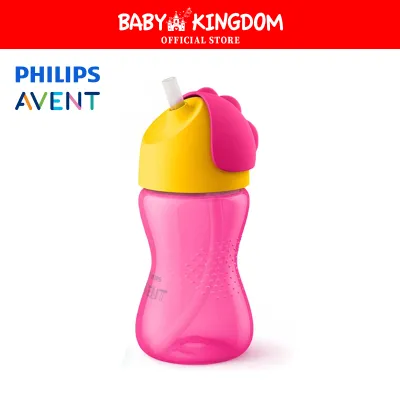
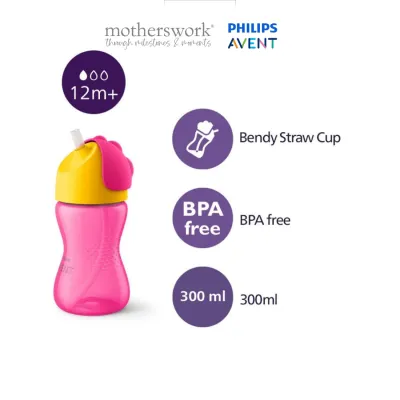
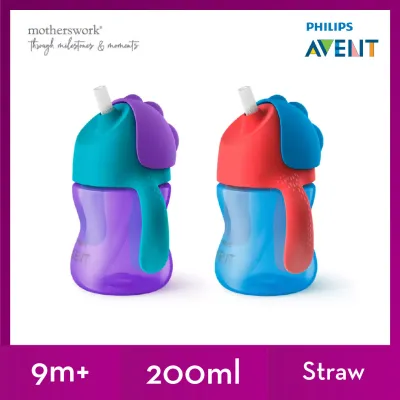
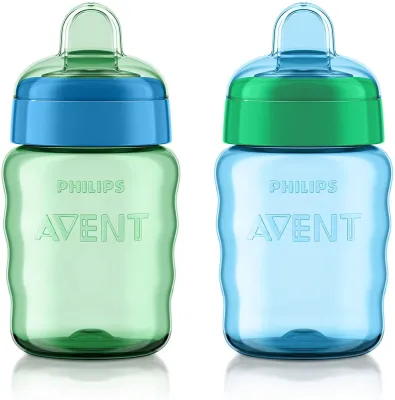
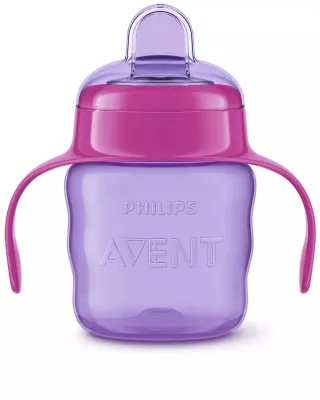
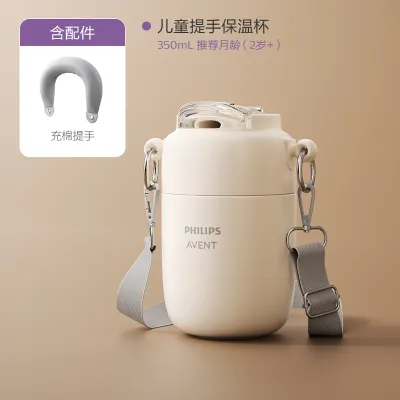
Prices are valid at publication and may change. Please refer to the product page for the latest price.
Grip strength and hand-eye coordination are equally critical indicators of readiness. Observe whether your baby can grasp small toys and bring them directly to their mouth with control. A baby who can steadily hold objects with both hands will find it much easier to manage a cup with dual handles, which are common on early-stage training cups.
Physical stability during mealtimes is a non-negotiable safety requirement for introducing cups. Your baby must be able to sit upright with minimal support and maintain excellent head control while swallowing liquids. Sitting securely in a high chair prevents choking and allows your baby to focus their energy on tilting and holding the cup safely.
Every baby develops at their own pace, so physical milestones should always take precedence over chronological age. If your baby still struggles to hold their head steady or shows no interest in grasping objects, continuing with bottle feeding or breast feeding while practicing basic motor skills is a sensible approach.
Matching Avent Cup Variants to Developmental Milestones
Avent cups are designed to support different stages of oral development, categorized broadly into spout cups, straw cups, and 360-degree cups. Each category targets a specific set of motor skills, helping your baby progress from simple sucking to mature sipping.

While these categories align with general developmental phases, always check the manufacturer’s age and stage labels on the specific product packaging before buying. These labels serve as a baseline safety and suitability guide, ensuring the flow rate and cup size match your baby’s physical capabilities.
Spout Cups for Early Weaning and Bottle Transition
Spout cups serve as an ideal entry point for babies transitioning away from the familiar shape of a baby bottle. Signs of readiness for a spout cup include the ability to hold a lightweight object and a willingness to accept new textures in the mouth. Because the drinking motion is similar to bottle feeding, many babies adapt to a spout cup quickly during the early stages of weaning.
The choice between a soft silicone spout and a hard plastic spout depends largely on your baby’s teething status and oral sensitivity. Soft spouts are gentle on tender, swollen gums and mimic the familiar feel of a bottle teat, making them excellent for early training. Hard spouts are more durable and are designed to withstand the biting habits of older babies who have started cutting their first teeth.
It is helpful to view the spout cup as a temporary stepping stone rather than a long-term drinking solution. While it helps babies learn to tilt a cup and coordinate their hands, prolonged reliance on a spout cup can delay the development of mature swallowing patterns. Transitioning to a straw or open cup once your baby masters the basic tilting motion supports better long-term oral motor development.
Straw Cups for Advanced Suction and Motor Skills
Straw cups require a different set of oral motor skills, specifically mature lip sealing and advanced suction control. To drink from a straw, your baby must learn to wrap their lips tightly around the straw and draw liquid upward using active suction, rather than relying on a simple biting or squeezing motion. This action strengthens the muscles in the lips, cheeks, and tongue, which are essential for speech development.
Many straw cups feature ergonomic handles that are angled to help babies hold the cup independently. These handles encourage proper hand-eye coordination, allowing your baby to bring the straw to their mouth without needing to tilt their head back. This upright drinking position is often more comfortable for babies who are still mastering their swallowing coordination.
Maintaining hygiene is a critical aspect of using straw cups, as the flexible silicone straws and internal valves can easily trap moisture and liquid residue. Parents should establish a daily routine of dismantling the straw components and cleaning them with a dedicated small brush. Allowing all parts to air dry completely in a well-ventilated space is vital to prevent mold and bacterial growth, especially in humid climates.
360-Degree Cups for Simulating Open Cup Drinking
A 360-degree cup features a spill-resistant valve that allows your baby to drink from any point along the rim, closely simulating the experience of an open cup. The valve is activated by a simple bite-and-suck mechanism, releasing liquid only when your baby applies gentle lip pressure to the edge. This design prevents major spills while allowing your baby to practice the natural tilting motion required for standard cups.
Pediatric dentists often recommend 360-degree cups because they support natural oral development and do not interfere with the alignment of growing teeth. Because there is no spout or straw resting between the teeth, the cup encourages a mature swallowing pattern where the tongue rests against the roof of the mouth.
Teaching your baby to use a 360-degree cup usually requires some initial parental assistance and patience. You can help by gently holding the cup to your baby’s lips and demonstrating how a small amount of pressure releases the liquid. Start with very small volumes of water during these practice sessions, and expect some minor dribbles as your baby learns how much pressure to apply.
Practical Tips for Introducing and Transitioning Cups
When introducing a new cup, start by offering small amounts of water or expressed breast milk during relaxed, fully supervised mealtimes. Avoid trying to introduce a new cup when your baby is overly tired, hungry, or fussy, as this can lead to negative associations with the cup. Keeping the experience low-pressure helps your baby view the cup as a positive tool for exploration.
Safety and hygiene require regular inspection of all cup components, particularly the flexible silicone valves, spouts, and straws. Before each use, check these parts for signs of wear, tears, or deep bite marks that could cause pieces to tear off and pose a choking hazard. Replace any damaged valves or spouts immediately according to the manufacturer’s guidelines.
If your baby shows extreme frustration, coughs frequently, or gags during cup transition, it is best to pause the process and try again in a few weeks. Forcing the transition can create anxiety around drinking and eating. If your baby consistently struggles with swallowing liquids from a cup, or if you have concerns about their oral development, consult your pediatrician or a qualified pediatric feeding specialist for personalized guidance.
Frequently Asked Questions (FAQ)
Can I put hot liquids or carbonated drinks in an Avent cup?
No, you should not put hot liquids or carbonated drinks in an Avent cup. Carbonated beverages and hot liquids can cause pressure to build up inside the sealed cup, leading to leaks, sudden spurts of liquid through the spout or straw, or potential burns. Always check the specific product manual for the manufacturer’s maximum temperature limits and recommended liquid types to ensure safe use.
How do I know if my baby is rejecting the cup or just not ready?
Distinguishing between normal learning frustration and developmental unreadiness involves observing your baby’s physical responses. If your baby cannot seal their lips around the spout or straw, frequently chokes, or pushes the cup away with distress, they may not be developmentally ready. In such cases, take a break for two to three weeks before reintroducing the cup, or try a different cup variant that matches their current motor skills.

Community discussion
Share your experience or ask a question. Comments are reviewed before publication.